.webp&w=384&q=75)

Loading, please wait...
Loading, please wait...
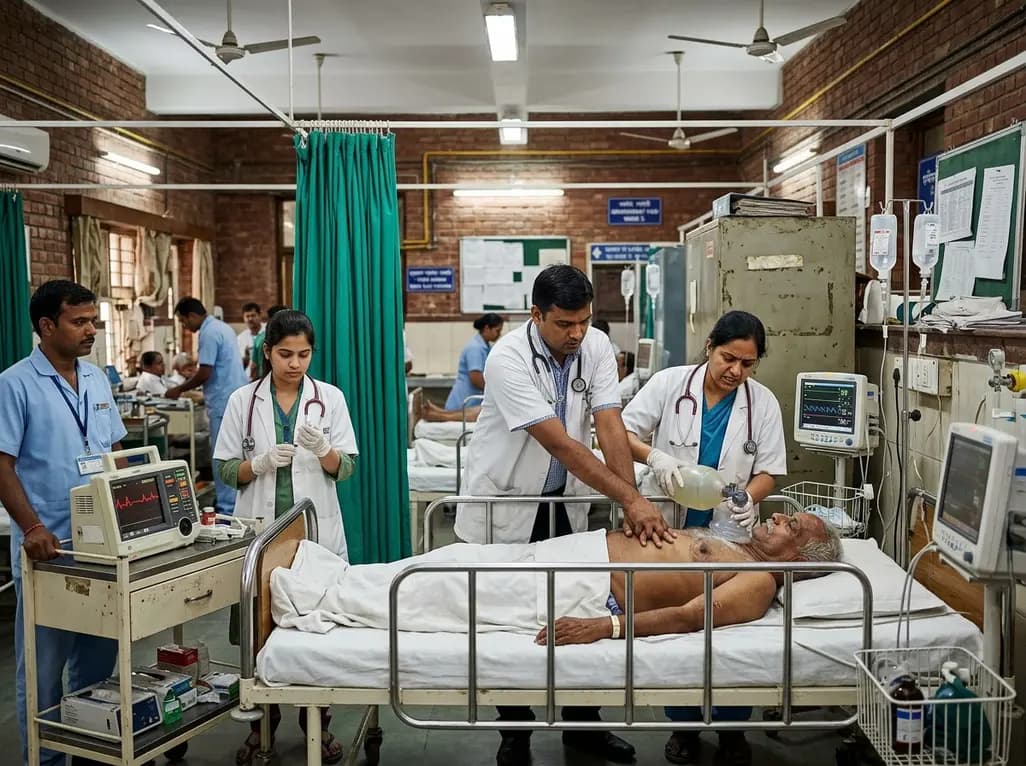
Acute cardiopulmonary collapse represents one of the most severe emergencies in hospitalized patients. Each year, thousands of vulnerable patients suffer an unexpected inpatient cardiac arrest or acute respiratory failure. These critical events not only jeopardize immediate patient survival but also place immense strain on hospital infrastructure. Recent nationwide findings highlight the clinical and economic burden of these emergencies. Therefore, understanding their broader impact remains essential for improving acute hospital care.
Hospitalized individuals frequently present with complex multimorbidity, increasing their vulnerability to rapid clinical deterioration. In this national cohort of over 6.5 million admissions, an inpatient cardiac arrest emerged as an overwhelming predictor of in-hospital death. Specifically, affected patients experienced a dramatic 54-fold increase in the odds of inpatient mortality. Moreover, initial cardiac rhythms significantly determine resuscitation success. Most in-hospital arrests present with non-shockable rhythms, such as pulseless electrical activity or asystole. Consequently, achieving sustained return of spontaneous circulation remains extraordinarily difficult. Early clinician recognition of prodromal signs plays a decisive role in averting sudden pulselessness. Without prompt intervention, severe tissue hypoxia rapidly precipitates irreversible multiorgan damage. Furthermore, post-cardiac arrest syndrome compounds initial cellular injury through systemic inflammatory cascades and neurovascular impairment. Critical care specialists must deliver aggressive neuroprotective therapies and targeted temperature control. Ultimately, survival to hospital discharge depends on rapid, synchronized resuscitation responses across general inpatient wards.
While sudden cardiac arrest captures immediate attention, acute respiratory arrest represents an equally dangerous clinical catastrophe. Nationwide findings reveal that respiratory arrest independently multiplies the odds of inpatient death by more than twenty-seven-fold. Annually, more than one million hospitalized patients experience respiratory failure. However, subtle respiratory compromise frequently goes unrecognized on acute medical floors. Consequently, unmonitored hypoventilation rapidly evolves into profound hypercapnic acidosis and secondary circulatory collapse. Refractory hypoxemia impairs myocardial oxygenation and triggers lethal cardiac dysrhythmias. Furthermore, delays in timely airway protection substantially heighten long-term neurological disability. Therefore, bedside clinicians must recognize tachypnea, altered mental status, and accessory muscle use as definitive red flags. In addition, prompt intervention with high-flow oxygen or non-invasive positive pressure ventilation can reverse physiological instability before arrest occurs. Proactive respiratory therapy preserves spontaneous ventilation and prevents preventable deaths. Thus, managing acute respiratory deterioration with heightened urgency protects vulnerable patients from catastrophic terminal events.
Surviving a cardiopulmonary arrest represents merely the initial step in a complicated clinical recovery. Following successful resuscitation, patients consistently endure prolonged hospital stays and extended intensive care unit admissions. The generalized linear modeling analysis demonstrates that cardiorespiratory arrests substantially prolong total inpatient duration. Rather than achieving prompt discharge, these fragile patients require extensive physiological stabilization. Specifically, survivors routinely develop secondary organ dysfunctions, including acute kidney injury and hypoxic-ischemic brain damage. Clinicians must consequently manage protracted mechanical ventilation, vasoactive infusions, and continuous renal replacement therapies. In addition, prolonged immobility predisposes debilitated patients to secondary nosocomial infections, such as ventilator-associated pneumonia and catheter-related bloodstream sepsis. These hospital-acquired complications further delay clinical recovery and prolong critical care occupancy. Furthermore, discharge coordination becomes exceptionally complex, often requiring transitions to skilled nursing facilities or long-term acute care hospitals. Ultimately, cardiorespiratory arrests consume vital bed capacity and strain scarce acute care resources.
The financial repercussions of in-hospital cardiopulmonary arrests create massive challenges for healthcare institutions and health systems. The national data reveal that total hospital expenditures surge exponentially when patients suffer cardiac or respiratory arrests. Resuscitative efforts, emergency diagnostic interventions, and post-arrest life support require immense capital and human resources. Moreover, daily intensive care unit expenditures constitute a significant portion of aggregate hospitalization costs. Each day on mechanical ventilation generates substantial charges for diagnostic laboratory testing, specialized pharmaceuticals, and continuous nursing supervision. Furthermore, hospitals bear substantial financial risk when caring for uninsured or underinsured patients who require prolonged critical care. In diverse healthcare landscapes, including public and private institutions across India, catastrophic hospitalization costs place unbearable financial burdens on families. Consequently, hospital leadership must prioritize arrest prevention as an urgent fiscal imperative. By investing in proactive surveillance and ward staffing, healthcare systems can reduce preventable arrests while achieving sustainable operational savings.
Mitigating the clinical and economic impact of cardiorespiratory arrests requires transitioning from reactive resuscitation to proactive prevention. Hospitals must implement standardized surveillance protocols to detect clinical instability before cardiopulmonary collapse occurs. Specifically, electronic Early Warning Scores help bedside nurses track vital sign trends, including respiratory rate and pulse oximetry. When physiologic parameters deteriorate, structured protocols trigger immediate bedside evaluations. Furthermore, deploying dedicated Rapid Response Teams provides general wards with prompt critical care expertise. Rapid response clinicians initiate timely diagnostic workups, titrate oxygen therapies, and manage emerging hemodynamic instability. Consequently, early therapeutic interventions frequently prevent emergency intubations and unexpected cardiac arrests. In addition, institutions must support continuous simulation training for nurses and resident doctors. Rigorous drills in basic and advanced cardiovascular life support refine communication and team coordination during crises. Ultimately, robust early detection frameworks safeguard patient welfare and reduce avoidable inpatient mortality.
Inpatient cardiac arrest carries substantially higher mortality than isolated respiratory arrest. In recent large-scale registry analyses, cardiac arrest multiplied inpatient mortality odds by more than fifty-fold, whereas respiratory arrest increased odds by twenty-seven-fold. Prompt oxygenation and non-invasive ventilation often reverse respiratory decompensation before circulatory collapse occurs. Conversely, sustained pulselessness rapidly produces profound global ischemic injury, making hemodynamic restoration and neurological recovery substantially more difficult to achieve.
Surviving a cardiorespiratory arrest necessitates prolonged intensive care unit management, extensive mechanical ventilation, and aggressive vasoactive support. Consequently, these high-intensity interventions rapidly elevate direct resource utilization. Patients routinely require advanced diagnostic imaging, continuous hemodynamic monitoring, and targeted organ preservation protocols. Furthermore, post-resuscitation secondary complications frequently extend hospital length of stay by several weeks, compounding total pharmacy, nursing, laboratory, and post-acute facility costs across the care continuum.
Hospitals achieve significant risk reduction by implementing standardized rapid response teams and automated electronic early warning scoring systems. Furthermore, routine training in basic and advanced cardiovascular life support empowers ward staff to recognize subtle physiologic deterioration early. Systematic surveillance of abnormal respiratory rates, progressive lactic acidosis, and unstable hemodynamic trends enables proactive clinical interventions. Ultimately, preemptive medical stabilization prevents ward-level clinical deterioration from culminating in catastrophic in-hospital pulseless arrests.
Disclaimer: This content is for informational and educational purposes only. It is not intended to be a substitute for professional medical advice, diagnosis, or treatment. Always seek the advice of your physician or another qualified health provider with any questions you may have regarding a medical condition or treatment options. Never disregard professional medical advice or delay in seeking it because of something you have read in this article. The findings and conclusions in this report are those of the authors and do not necessarily represent the official position of any affiliated institutions. Refer to the latest local and national guidelines for clinical practice.
References

Read summarized clinical updates, watch expert medical content, and earn CME certifications right from your smartphone.
Open your smartphone camera to scan and install.





A nationwide secondary analysis shows that inpatient cardiac arrest and respiratory arrest multiply hospital mortality by 54-fold and 27-fold, respectively. These acute events also cause prolonged lengths of stay and escalating expenditures, underscoring the urgent need for rapid response and early warning systems.
last month

Failing to account for competing events like mortality in longitudinal geriatric studies produces biased risk estimates and misleading inferences. This review highlights key methodological principles, insights from the Precipitating Events Project, and practical approaches for clinical research appraisal.
Today

A study in JAMIA Open shows lightweight open-source reasoning LLMs achieve up to 95% sensitivity and accelerate evidence synthesis screening by nearly twentyfold, presenting a cost-effective, scalable AI solution for biomedical research and systematic reviews.
Today
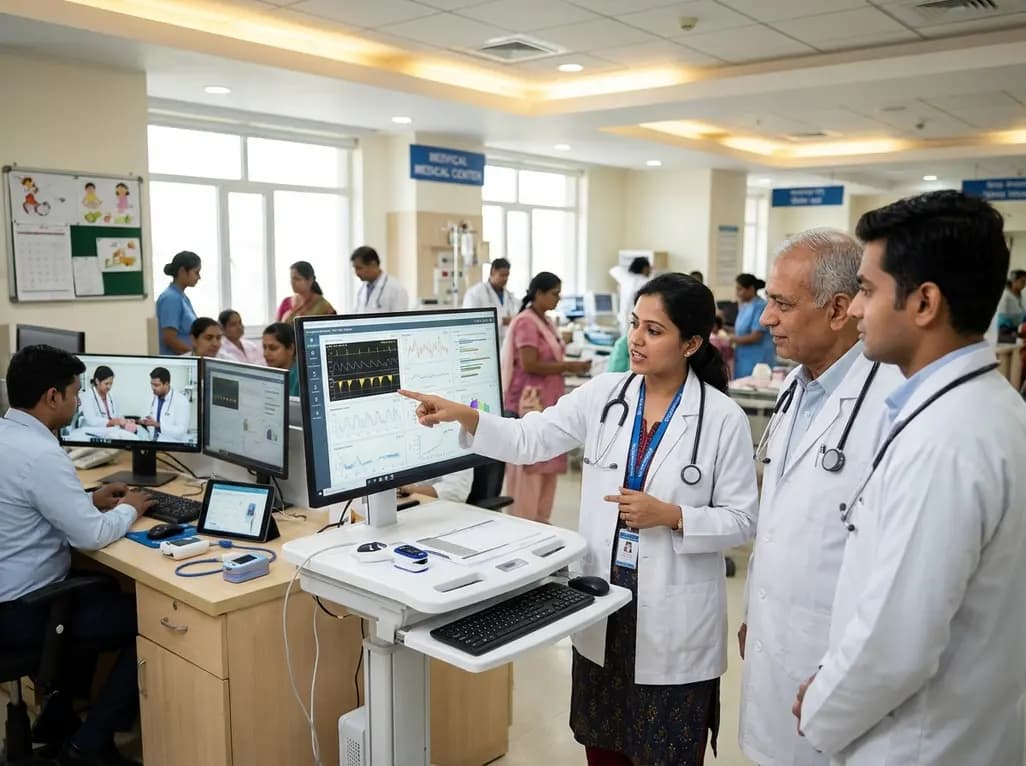
A landmark study details how an enterprise pediatric remote patient management model expanded from a single cardiology pilot to 16 diverse specialty programs by combining centralized digital operations with specialty clinical leadership.
Today
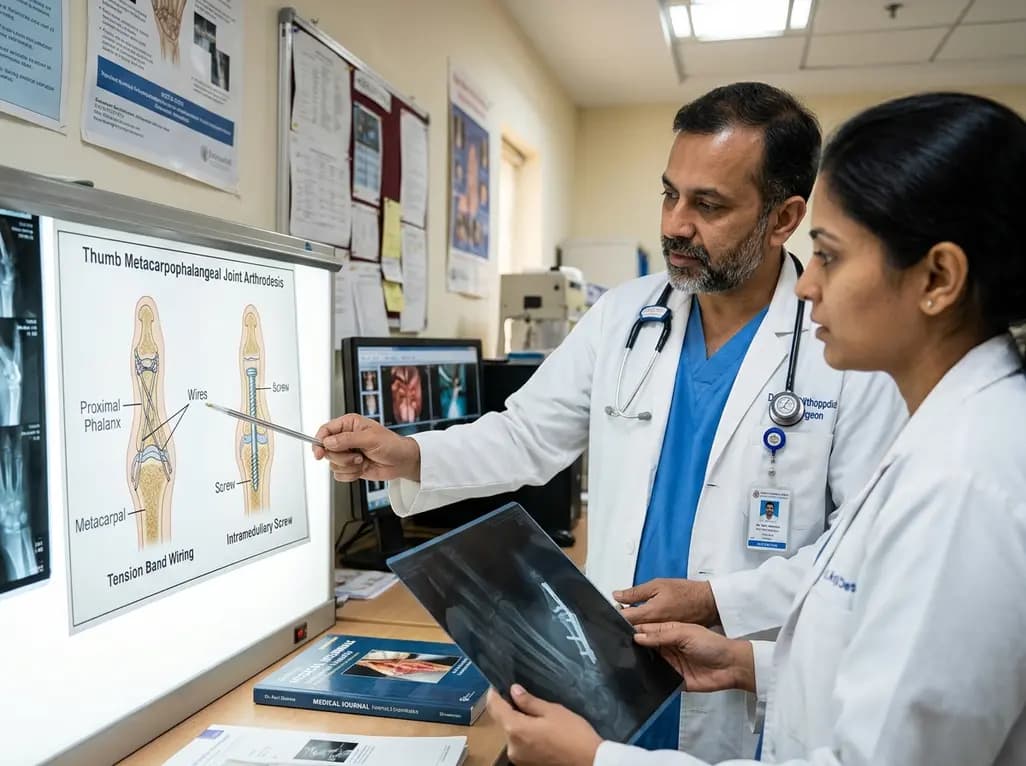
A comparative review of tension band wiring and intramedullary screw fixation in thumb metacarpophalangeal arthrodesis, evaluating union rates, hardware complications, and clinical outcomes.
Yesterday
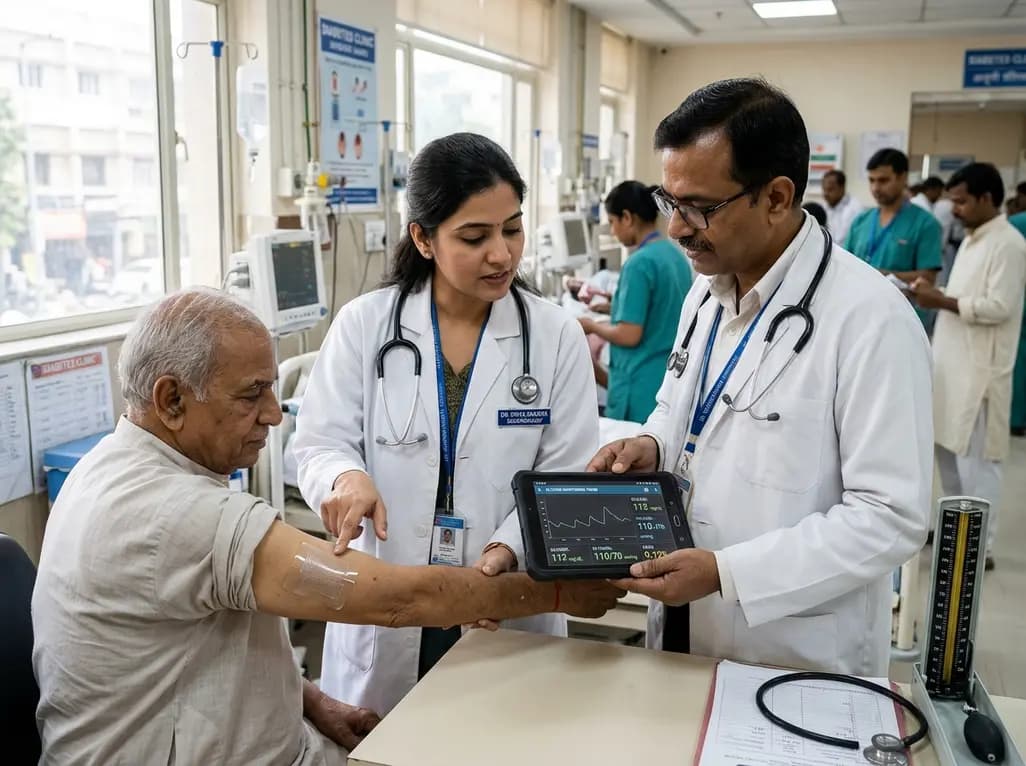
A breakthrough ultrathin multimodal sensor decouples physical hemodynamic monitoring from disposable electrochemical calibration, achieving long-term wearable glucose prediction with 81.36% accuracy and a 9.12% MARD. This offers a robust, drift-free solution for outpatient metabolic surveillance.
Today
