.webp&w=384&q=75)

Loading, please wait...
Loading, please wait...

Rheumatoid arthritis is a chronic autoimmune disorder that triggers progressive synovial inflammation, joint destruction, and systemic debility. Consequently, affected individuals frequently experience persistent physical discomfort, profound exhaustion, and marked psychological distress. While disease-modifying antirheumatic drugs remain essential for halting articular damage, many patients still face daily functional limitations and pain. Therefore, implementing an adjunctive music listening intervention alongside baseline medical regimens offers an innovative, non-invasive method to manage these pervasive symptoms.
Clinicians increasingly recognize that pharmacotherapy alone cannot resolve the complex emotional and sensory facets of chronic rheumatic disease. Moreover, escalating drug dosages often increases the risk of systemic adverse reactions, biochemical toxicities, and poor therapeutic compliance. In addition, patients regularly seek low-cost, self-directed supportive modalities that empower them during painful disease exacerbations. In healthcare environments like India, where comprehensive multidisciplinary rheumatology rehabilitation is not universally accessible, simple auditory strategies present an exceptional opportunity. By triggering endogenous relaxation pathways, pleasant sounds provide meaningful emotional relief without chemical toxicity. As a result, rheumatologists and general physicians are actively examining evidence-based acoustic therapies to optimize overall patient well-being.
To rigorously evaluate the therapeutic utility of acoustic stimulation, investigators conducted a randomized controlled trial at a university medical center. Specifically, the study enrolled 88 adult patients diagnosed with active rheumatoid arthritis who were attending outpatient rheumatology clinics. Researchers randomly assigned the participants into two equal groups: an active auditory intervention cohort and an observation control cohort.
During the trial, the intervention group listened to standardized Turkish melodic modes, known as maqams, twice daily for 30 consecutive days. Notably, investigators selected these specific auditory tracks for their established restorative and emotionally calming properties. Meanwhile, the control group maintained their routine pharmacological therapy without any audio sessions. Researchers gathered quantitative clinical data at baseline, on day 15, and on day 30 using two validated instruments: the EuroQol 5-dimensional Quality of Life Scale and the Patient Symptom Thermometer. Furthermore, clinical investigators continuously monitored medication adherence and baseline disease activity to prevent confounding discrepancies between the two study arms.
The randomized controlled trial demonstrated striking symptomatic and functional improvements among participants receiving auditory therapy. Most importantly, by day 30, patients in the intervention arm exhibited significantly higher overall quality of life scores compared to the control group. Both the EuroQol 5-dimensional Index and the Visual Analog Scale displayed statistically significant enhancements. Patients reported fewer physical barriers regarding mobility, personal self-care, and customary daily responsibilities.
Furthermore, the Patient Symptom Thermometer revealed meaningful reductions in burdensome physical and psychological complaints. In particular, the music group reported substantial decreases in joint pain severity, prolonged morning stiffness, and chronic fatigue. In contrast, the control group exhibited no significant shifts in their symptom scores over the same 30-day timeframe. In addition, patients adhering strictly to the twice-daily listening regimen experienced greater emotional stability and vitality. These favorable outcomes emerged clearly by day 15 and grew stronger by day 30, demonstrating a cumulative clinical effect. Ultimately, the trial confirms that structured listening reliably alleviates chronic symptom burden alongside standard medical care.
The clinical improvements observed with auditory interventions stem from well-characterized neurobiological and psychological mechanisms. Chronic arthritic pain involves sustained peripheral inflammation and heightened central sensitization within the spinal cord and brain. However, pleasant auditory stimulation triggers descending analgesic pathways by releasing endogenous endorphins, enkephalins, and dopamine. Consequently, harmonious musical patterns modulate neural activity within the anterior cingulate cortex, insular cortex, and amygdala.
Moreover, structured sound therapy downregulates sympathetic nervous system arousal and mitigates hypothalamic-pituitary-adrenal axis hyperactivity. For instance, relaxing audio tracks significantly reduce circulating cortisol concentrations and stabilize heart rate variability. Simultaneously, musical engagement provides active cognitive diversion, pulling mental focus away from nociceptive cues and catastrophic thoughts. When patients shift their conscious attention away from pain, somatic muscle tension diminishes and pain tolerance increases. Therefore, auditory therapy acts as a genuine neuromodulatory tool rather than a mere emotional distraction. Ultimately, this neurophysiological cascade relieves distress, supports autonomic equilibrium, and enhances coping capacity in patients enduring chronic inflammation.
In Indian healthcare environments, rheumatologists manage high outpatient volumes while treating complex autoimmune diseases under substantial resource constraints. Many patients experience unaddressed chronic fatigue, generalized pain, and mood disturbances that brief clinical visits cannot adequately remediate. Furthermore, specialized psychology services and structured occupational therapy remain scarce across tier-two cities and rural regions. Under these circumstances, structured audio therapy presents a remarkably accessible, culturally resonant, and virtually cost-free adjunctive option.
Practitioners can easily recommend two 20-minute daily listening periods during early morning stiffness and evening downtime. In addition, doctors can encourage patients to select traditional Indian classical ragas or devotional music that promotes parasympathetic dominance. Clinicians should reassure patients that music listening never replaces essential disease-modifying antirheumatic drugs, but rather supports holistic disease control. Meanwhile, outpatient infusion centers can provide headphones during intravenous biologic administrations to alleviate procedural anxiety. Because mobile phones and audio streaming platforms are now ubiquitous across India, patients can maintain high treatment adherence at home. Ultimately, prescribing structured listening equips patients with a self-managed coping tool that enriches long-term rheumatologic care.
No, auditory therapies cannot replace disease-modifying antirheumatic drugs or targeted biologic agents. Pharmacological treatments remain indispensable for halting irreversible joint destruction, controlling systemic inflammation, and preventing long-term disability. Instead, structured music listening functions strictly as a safe, nonpharmacological adjunct. It targets subjective symptom distress, chronic fatigue, anxiety, and pain perception that persist despite medical control. Therefore, clinicians must emphasize that patients should continue all prescribed medications while adopting acoustic relaxation practices.
Research indicates that slow tempo, predictable rhythmic phrasing, and low pitches produce the most significant physiological calming effects. Pieces composed around 60 to 80 beats per minute effectively synchronize heart rate and respiration with parasympathetic activity. Furthermore, familiar melodies and cultural resonance enhance therapeutic response by triggering positive emotional memories and dopamine release. Ultimately, patient preference and cognitive agency remain vital, as listeners experience the greatest analgesia when listening to acoustic material they find genuinely pleasant.
Clinicians can seamlessly introduce auditory strategies by providing simple educational pamphlets outlining daily listening recommendations. In addition, rheumatology nurses can guide patients to download curated relaxation playlists on their mobile devices during clinic visits. Scheduling two twenty-minute sessions during morning joint stiffness and evening rest creates consistent habits without adding clinical overhead. Moreover, day-care infusion centers can provide headphones during biologic infusions, turning routine clinical treatments into supportive therapeutic environments that significantly reduce procedural apprehension.
Disclaimer: This content is for informational and educational purposes only and should not be considered medical advice. Always consult a qualified healthcare professional regarding any medical condition or treatment. Refer to the latest local and national guidelines for clinical practice.
References

Read summarized clinical updates, watch expert medical content, and earn CME certifications right from your smartphone.
Open your smartphone camera to scan and install.





A randomized controlled trial demonstrates that a structured music listening intervention significantly enhances quality of life and reduces symptom burden in patients suffering from rheumatoid arthritis, offering a low-cost, non-invasive complementary modality for clinical care.
last month
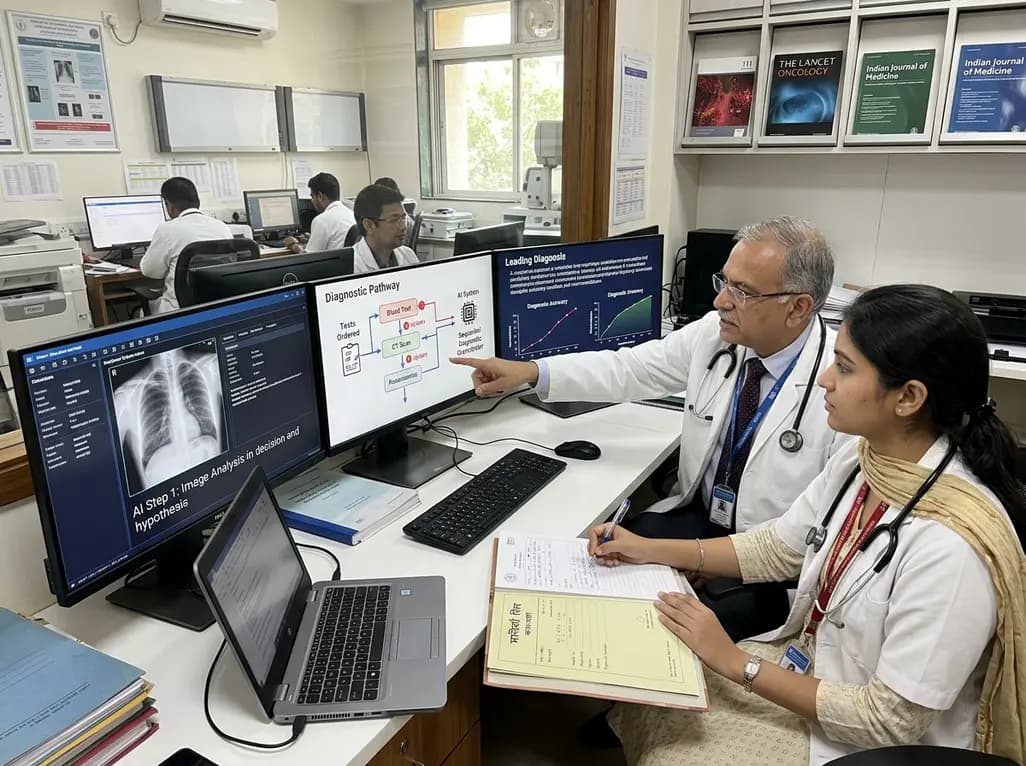
A breakthrough peer-reviewed study demonstrates that a sequential AI diagnosis system can mirror real-world clinical reasoning. By ordering stepwise tests and updating hypotheses dynamically, this multi-agent orchestrator achieved superior diagnostic accuracy while reducing investigative costs.
Today

A prenatal case highlights severe glutaric acidemia type II presenting as bilateral hyperechoic cystic kidneys at 18 weeks. Whole-exome sequencing revealed a novel homozygous ETFDH frameshift variant, demonstrating the power of rapid genetic testing in fetal renal anomalies.
Today

Review how tailored exercise programs benefit frail older patients with heart failure. Explore pathophysiological mechanisms, individualized training prescriptions, and strategies to overcome adherence barriers in clinical practice.
Yesterday

This comparative study evaluates posterior labral tears with and without glenohumeral instability, highlighting distinct demographic patterns, MRI underestimation in stable shoulders, and successful arthroscopic repair outcomes.
Yesterday

A clinical study demonstrates that early intervention with tocilizumab, either as monotherapy or bridged with corticosteroids, achieves significant proptosis reduction and resolves active inflammation in treatment-naive thyroid eye disease.
Yesterday
