.webp&w=384&q=75)

Loading, please wait...
Loading, please wait...

Understanding the longitudinal trends in PVD and IHD mortality is essential for addressing the rising burden of cardiovascular diseases in modern medicine. Specifically, researchers recently analyzed over two decades of data from the CDC WONDER database to track these conditions in adults aged 45 and older. They found that the combined mortality rates for pulmonary vascular disease (PVD) and ischemic heart disease (IHD) increased significantly between 1999 and 2020. Consequently, the age-adjusted mortality rate (AAMR) rose from 6.9 to 8.9 per 100,000 population during this period.
However, the data revealed striking disparities across different demographic and geographic groups. For instance, men consistently faced higher mortality rates compared to their female counterparts. Additionally, Black or African American individuals reported the highest AAMR among all racial groups. Notably, this group experienced a significant surge in mortality starting in 2018, underscoring a critical health equity gap.
Furthermore, geographic location played a critical role in determining health outcomes. Non-metropolitan areas consistently showed higher mortality rates than metropolitan regions. Specifically, these rural areas saw a steep rise in deaths after 2018 with a high annual percent change. In contrast, while the total number of deaths was high in the South, the Midwest region reported the highest overall AAMR. Moreover, age remains a major factor, as individuals aged 85 and older experienced the greatest crude mortality burden.
Therefore, these findings highlight the urgent need for expanded preventive care and early diagnosis. Management strategies must prioritize addressing these inequities to reduce the growing cardiovascular burden. Clinicians should focus on spreading awareness and implementing early interventions in high-risk regions and populations to mitigate these rising trends.
According to the longitudinal analysis, Black or African American individuals and men face the highest age-adjusted mortality rates. Additionally, individuals aged 85 and older show the highest crude mortality rates.
Non-metropolitan or rural areas consistently experience higher mortality rates compared to metropolitan areas. The study noted a steep increase in mortality in these regions after 2018, with an annual percent change of 14.72%.
Disclaimer: This content is for informational and educational purposes only. It does not constitute professional medical advice, diagnosis, or treatment. Always seek the advice of your physician or other qualified healthcare provider with any questions you may have regarding a medical condition. Refer to the latest local and national guidelines for clinical practice.
References
Nawaz A et al. Two decades of pulmonary vascular disease and ischemic heart disease mortality in the united states: A longitudinal analysis using CDC WONDER (1999-2020). J Thromb Thrombolysis. 2026 May 24. doi: 10.1007/s11239-026-03329-w. PMID: 42177742.
Centers for Disease Control and Prevention (CDC). About Underlying Cause of Death, 1999-2020. CDC WONDER Online Database.
Ritchey MD et al. Trends in Cardiovascular Disease Mortality. JAMA.
"
Read summarized clinical updates, watch expert medical content, and earn CME certifications right from your smartphone.
Open your smartphone camera to scan and install.





A longitudinal study reveals a recent steep increase in PVD and IHD mortality in the US, highlighting significant disparities across demographics and region...
4 months ago

New immunological research reveals how PTPN22 forms a delayed inhibitory signaling complex to restrain T cell activation, explaining how the autoimmune-linked R620W variant disrupts feedback control and promotes persistent inflammation in conditions like rheumatoid arthritis and type 1 diabetes.
Today
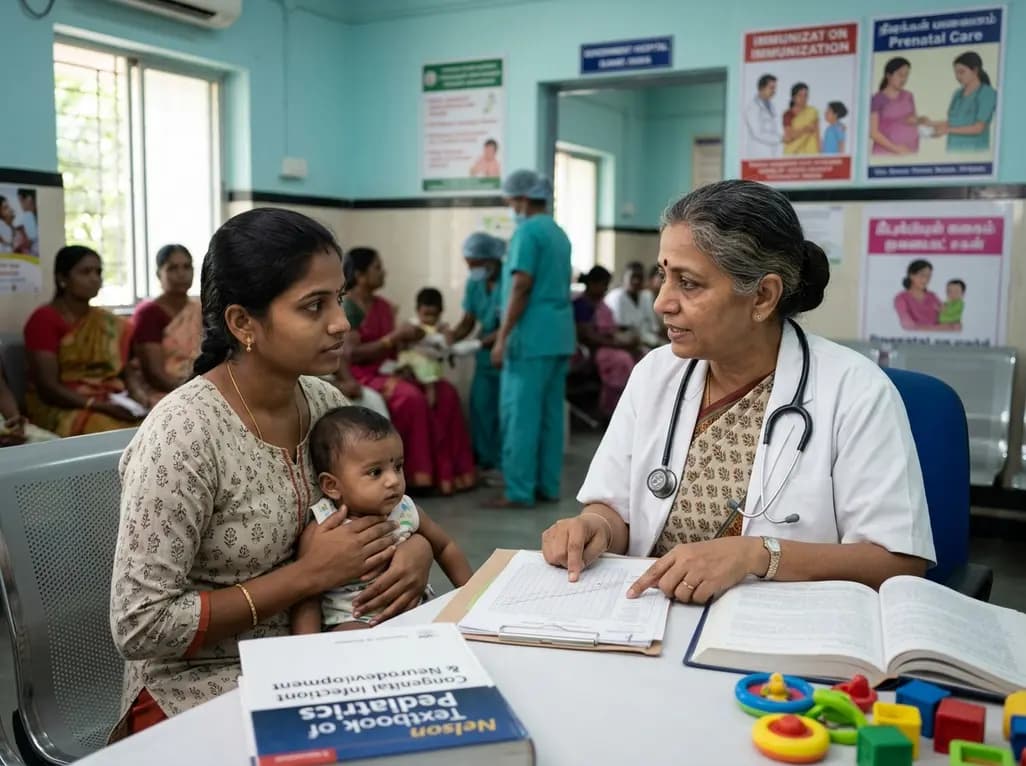
A nationwide study covering 3.7 million Swedish births reveals that prenatal exposure to TORCH pathogens significantly elevates long-term risks of intellectual disability and autism. Healthcare providers must recognize clinical indicators, promote prenatal prevention, and track early pediatric neurodevelopment.
Today

Under India's PLI initiative, domestic production of 57 critical medical devices has commenced, including MRI and CT scanners, cath labs, and heart valves. Global partnerships and local investments are expanding high-end technology, curbing import reliance, and strengthening clinical accessibility nationwide.
Today

A longitudinal study reveals that patients undergoing staged bilateral hip arthroscopy experience progressive contralateral labral deterioration during surgical intervals. However, structural degradation does not compromise 2-year postoperative clinical outcomes or patient-reported satisfaction scores.
Today

SWEDEPAD-1 trial insights show paclitaxel-coated devices do not improve long-term limb salvage in patients with chronic limb-threatening ischemia and tissue loss. While one-year reinterventions decreased, the devices were linked to a higher risk of major amputation at three months.
Yesterday
