.webp&w=384&q=75)

Loading, please wait...
Loading, please wait...

Systemic lupus erythematosus represents a multifaceted autoimmune disorder that affects approximately 0.4 million newly diagnosed individuals worldwide every year. Beyond physical symptoms like cutaneous rashes, joint pain, and profound fatigue, patients frequently experience profound social invalidation and prejudice. Recent clinical synthesis demonstrates that the overall lupus stigma burden acts as a major determinant of physical and psychological health outcomes. Furthermore, clinicians often focus heavily on laboratory markers while overlooking these psychosocial stressors during routine follow-up examinations. Consequently, patients face unaddressed discrimination that exacerbates emotional distress and complicates long-term disease management. Recognizing these hidden stressors is essential because social rejection directly correlates with psychiatric comorbidities and disease exacerbations. Therefore, modern rheumatology practice must evolve from a purely biological paradigm to a holistic framework. By systematically evaluating social dynamics alongside systemic inflammation, healthcare teams can offer comprehensive care that addresses both visible symptoms and invisible burdens.
A landmark systematic review synthesizing data from 11 observational studies and 2,254 individuals living with lupus highlights the alarming prevalence of discrimination. Specifically, investigators analyzed three distinct constructs: interpersonal, perceived, and intrapersonal stigma. The meta-analysis revealed a moderate overall burden score of 34.71 across validated measurement tools. Moreover, nearly one in two patients reported experiencing at least one major form of prejudice during their illness trajectory. Social isolation and unfair treatment in public or professional spheres emerged as the most common negative events. However, traditional clinical evaluations rarely assess these damaging interpersonal interactions. Consequently, patients endure persistent emotional distress without adequate supportive interventions from their medical team. Furthermore, internalizing societal prejudice creates internal shame, which reduces self-esteem and treatment adherence. Therefore, quantifying these daily experiences provides essential clinical insight into patient wellbeing and overall prognosis.
Stigma manifests across three interconnected dimensions that continuously influence patient self-perception and functional capacity. First, interpersonal stigma involves overt acts of unfair treatment, rejection, or verbal hostility from colleagues, friends, and family. Second, perceived stigma reflects the constant expectation of facing prejudice due to visible physical changes, such as malar rashes or alopecia. Third, intrapersonal stigma occurs when individuals absorb public stereotypes, leading to severe self-blame, guilt, and diminished self-worth. In addition, these three dimensions create a toxic feedback loop that compromises social engagement and economic independence. Patients frequently isolate themselves to avoid negative interactions, which exacerbates loneliness and depression. Furthermore, fear of workplace discrimination often prompts patients to conceal their diagnosis, creating immense psychological strain. Consequently, clinicians must recognize that stigma operates through multiple complex vectors rather than a single isolated stressor.
Emerging clinical research demonstrates that chronic social rejection functions as a potent biological stressor capable of altering physiological homeostasis. When patients encounter discrimination, neuroendocrine pathways trigger sustained neuroimmune activation and elevated systemic inflammation. Consequently, chronic psychological distress directly correlates with heightened disease activity, frequent clinical flares, and impaired organ function. In addition, studies consistently link high stigma scores with psychiatric manifestations, including major depressive disorder and generalized anxiety. Patients experiencing severe invalidation report worse quality of life scores and heightened pain perception. However, physicians frequently misinterpret these distress signals as primary disease flares or medication non-compliance. Therefore, recognizing discrimination as a critical social determinant of health allows practitioners to provide appropriate mental health referrals. Addressing these toxic stressors early can break the vicious cycle connecting social invalidation, biological stress, and clinical worsening.
Despite the documented impact of invalidation, substantial gaps persist in routine outpatient management for autoimmune disorders. Clinical teams primarily monitor serological markers, renal panel results, and physical organ involvement during scheduled visits. However, healthcare providers rarely screen for social stressors or emotional invalidation using validated clinical tools. Furthermore, time constraints and lack of specialized psychological training often prevent physicians from inquiring about social challenges. As a result, patients feel reluctant to initiate discussions regarding unfair treatment or workplace discrimination. In addition, this communication barrier creates a significant disconnect between objective laboratory findings and subjective patient experience. Patients who feel misunderstood by their clinical teams may experience decreased satisfaction and reduced follow-up compliance. Therefore, medical centers must adopt structured psychosocial screening protocols to capture the true burden of illness effectively.
Addressing social invalidation requires a transformative shift toward multidisciplinary, compassionate patient management. First, clinical practices should implement concise, validated screening questionnaires during routine rheumatology follow-up visits. Second, physicians must foster an open environment where patients feel comfortable discussing interpersonal difficulties and mental health concerns. In addition, multidisciplinary collaboration involving rheumatologists, psychiatrists, clinical psychologists, and medical social workers is vital. Providing specialized counseling and support groups helps patients build resilience against social rejection. Furthermore, professional education should emphasize social determinants of health to reduce unconscious bias within healthcare settings. Consequently, empowering patients with coping strategies significantly improves therapeutic outcomes and overall quality of life. Ultimately, incorporating psychosocial evaluation into standard protocols ensures that patient care extends beyond cellular biology to encompass whole-person healing.
Social discrimination acts as a severe chronic stressor that activates the hypothalamic-pituitary-adrenal axis and autonomic nervous system. This biological activation triggers pro-inflammatory cytokine release and neuroimmune dysregulation, which exacerbates systemic inflammation. Consequently, chronic emotional distress directly contributes to increased disease activity, frequent clinical flares, and elevated fatigue levels. Addressing these psychosocial stressors through targeted counseling and mental health support helps stabilize overall disease trajectory and clinical outcomes.
Patients living with systemic lupus erythematosus report three main forms of stigma: interpersonal, perceived, and intrapersonal. Interpersonal stigma includes direct experiences of social rejection, workplace discrimination, and unfair treatment. Perceived stigma involves the ongoing anticipation of prejudice due to visible symptoms like cutaneous rashes or alopecia. Intrapersonal stigma occurs when individuals internalize negative stereotypes, leading to reduced self-esteem, shame, and emotional isolation that impair daily functional status.
Routine screening allows clinical teams to identify hidden psychological distress that significantly impacts disease management and quality of life. Nearly half of all patients experience discrimination, which correlates with depression, anxiety, and poor treatment adherence. By identifying these invisible stressors early, healthcare providers can offer timely psychological support, social work consultations, and coping resources, ultimately bridging the gap between clinical biomarker management and comprehensive patient care.
Disclaimer: This content is for informational and educational purposes only and does not constitute medical advice. Refer to the latest local and national guidelines for clinical practice.
References
1. Abdulazeem HM et al. Stigma, discrimination-related events, and determinants among adult people living with systemic lupus erythematosus (SLE): Systematic review and indicator-level meta-analysis. Lupus. 2026 Aug 08. doi: 10.1177/09612033261474062. PMID: 42568350.
2. Izmirly PM et al. The impact of social determinants of health on the presentation, management and outcomes of systemic lupus erythematosus. Rheumatology (Oxford). 2023;62(Suppl 2):si3-si11.
3. Yilmaz-Aslan D et al. Psychosocial impact and coping mechanisms in chronic autoimmune disease. Joint Bone Spine. 2024;91(3):105680.

Read summarized clinical updates, watch expert medical content, and earn CME certifications right from your smartphone.
Open your smartphone camera to scan and install.





A comprehensive systematic review reveals that adult patients with systemic lupus erythematosus face a significant stigma burden. Nearly half experience discrimination, which correlates with heightened psychological distress and disease activity, underscoring the need for routine psychosocial screening.
last month
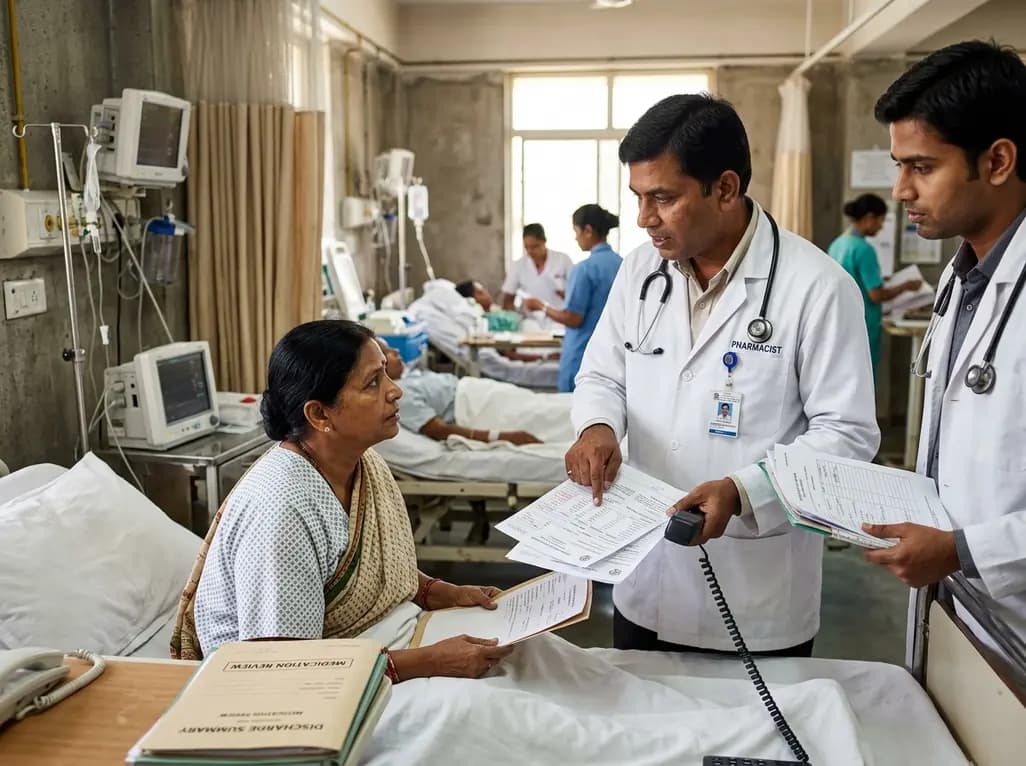
A retrospective cohort study demonstrates that comprehensive pharmacy transitions of care—including admission medication history, discharge review, and 72-hour telephone follow-up—significantly reduced 30-day readmission rates in acute care patients, highlighting the value of pharmacist-led clinical interventions.
Today
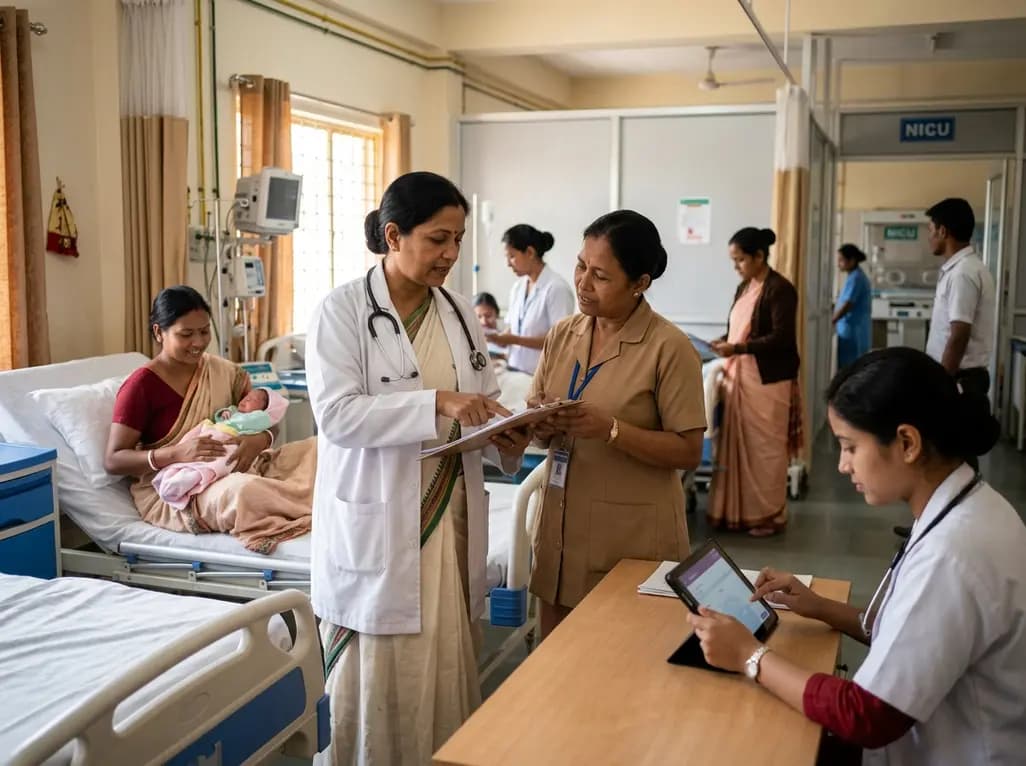
Meghalaya recorded a historic 55% reduction in maternal deaths, dropping from 244 to 107 over five years. Through the MOTHER app, dedicated transit homes, and expanded infrastructure like the 150-bed Tura Maternity Hospital with its first public NICU, the state demonstrates an effective public health model.
Today

Explore modern perioperative management protocols for clinical xenotransplantation. Learn how costimulation blockade, anti-inflammatory perfusion, and coagulopathy rescue overcome interspecies hurdles.
Yesterday
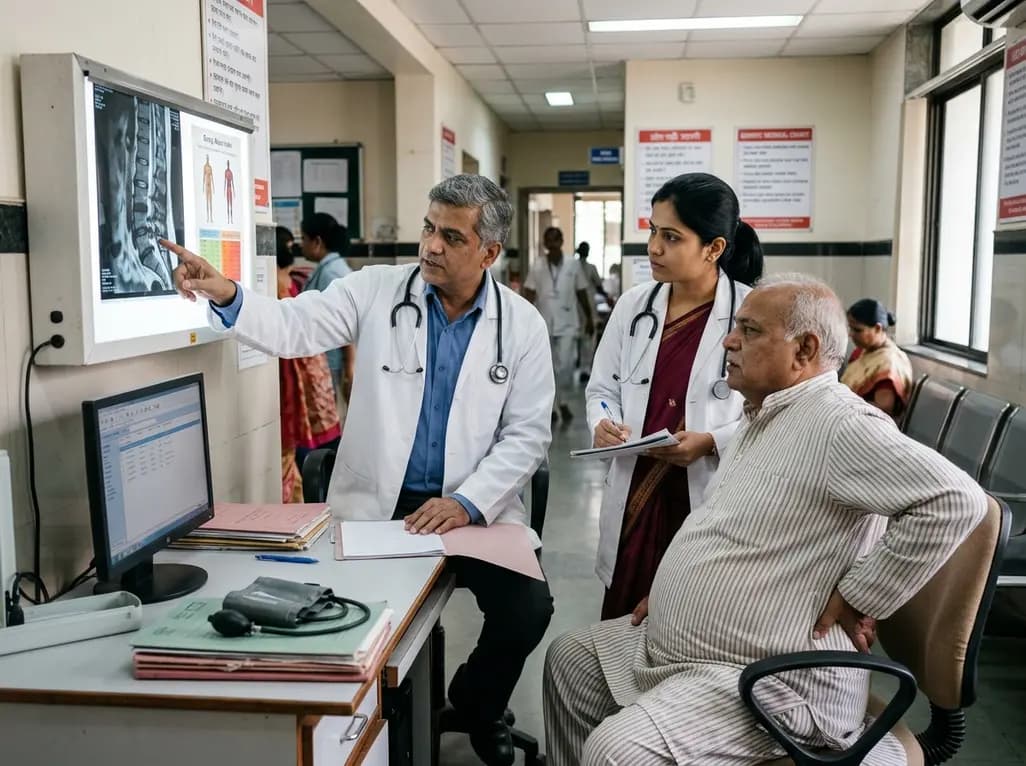
A cross-sectional study reveals that sarcopenic obesity independently increases functional impairment and severe disc degeneration in patients with degenerative lumbar spinal stenosis, highlighting the need for body composition assessment.
Today
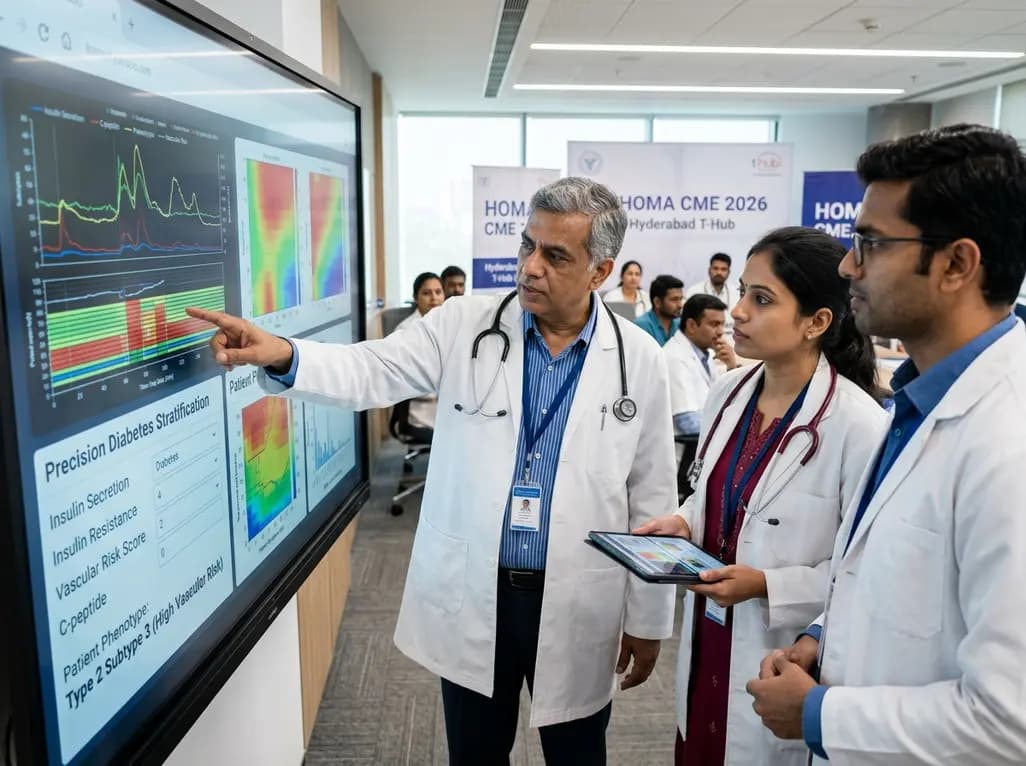
At Homa CME 2026 at Hyderabad's T-Hub, healthcare leaders emphasized moving beyond routine metrics through digital calculators and precision stratification. Discover why characterizing individual insulin secretion, resistance patterns, and vascular risks transforms chronic metabolic care in India.
Today
