.webp&w=384&q=75)

Loading, please wait...
Loading, please wait...

Pulmonary nocardiosis diagnosis represents a significant clinical hurdle because its presentation frequently mimics pulmonary tuberculosis or fungal pneumonia. In India, where the burden of tuberculosis is high, misidentifying Nocardia can lead to delayed recovery and improper antibiotic use. However, researchers are now finding that Next-Generation Sequencing (NGS) provides a rapid and precise alternative to traditional culture methods. By analyzing genetic material directly from bronchoalveolar lavage fluid, this technology helps clinicians detect rare species that standard tests might miss.
Most patients with this condition are older adults, often with an average age around 65 years. Notably, underlying chronic respiratory diseases such as bronchiectasis or chronic obstructive pulmonary disease (COPD) serve as major risk factors. Furthermore, many patients present with non-specific symptoms including fever, productive cough, and shortness of breath. Laboratory results typically show elevated inflammatory markers like C-reactive protein and procalcitonin. Additionally, chest imaging often reveals complex patterns such as lung cavities, consolidation, and nodules. Because these findings are nonspecific, clinicians must maintain a high index of suspicion in patients who do not respond to standard antitubercular therapy.
The implementation of NGS has revolutionized the identification of specific Nocardia species. Specifically, this technology can distinguish between Nocardia cyriacigeorgica, Nocardia abscessus, and other less common variants. Traditional cultures often take weeks to grow, but NGS provides results much faster. Consequently, doctors can initiate targeted therapy earlier in the disease course. Therefore, NGS is becoming a cornerstone for accurately diagnosing opportunistic infections in immunocompromised or chronically ill populations.
Early intervention generally leads to a positive prognosis. Most treatment regimens rely on sulfonamides, such as sulfamethoxazole and trimethoprim (SMX/TMP). Depending on the severity of the infection, clinicians may combine these with other agents like linezolid. Long-term therapy is essential to prevent relapse, especially in patients with comorbid conditions like kidney or liver dysfunction. In conclusion, combining advanced molecular diagnostics with tailored antibiotic therapy ensures the best outcomes for patients facing this challenging infection.
While both diseases cause fever and lung cavities, pulmonary nocardiosis is caused by Nocardia bacteria and requires specific sulfonamide-based therapy. It does not respond to standard anti-TB drugs, making accurate diagnosis vital.
Nocardia is a slow-growing organism that is often difficult to isolate in standard cultures. NGS is faster and more sensitive, allowing for the detection of bacterial DNA even when traditional cultures remain negative.
The primary risk factors include chronic lung diseases like COPD and bronchiectasis, smoking history, and an immunocompromised state. Patients in agricultural professions may also face higher environmental exposure.
Disclaimer: This content is for informational and educational purposes only. It does not constitute medical advice or a professional relationship. Refer to the latest local and national guidelines for clinical practice.
References
Duan X et al. Analysis of Clinical Characteristics of 25 Patients With Pulmonary Nocardiosis Diagnosed by Next-Generation Sequencing. Diagn Cytopathol. 2026 Feb 22. doi: 10.1002/dc.70104. PMID: 41725054.
Deng L et al. Clinical Features of Pulmonary Nocardiosis and Diagnostic Value of Metagenomic Next-Generation Sequencing: A Retrospective Study. Pathogens. 2025;14(7):656. doi: 10.3390/pathogens14070656.
"
Read summarized clinical updates, watch expert medical content, and earn CME certifications right from your smartphone.
Open your smartphone camera to scan and install.





A study of 25 patients explores clinical features and the diagnostic power of NGS in identifying Pulmonary Nocardiosis, a condition often misidentified as T...
7 months ago
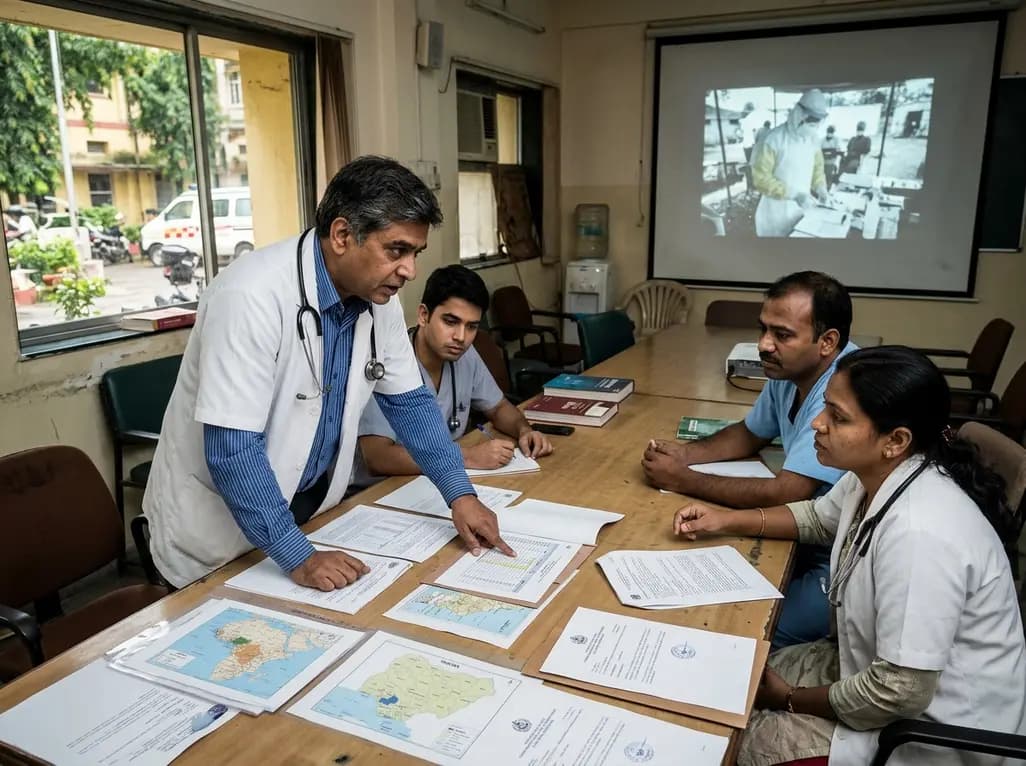
Following Nigeria's first recorded Ebola case linked to regional travel, the Africa CDC has convened an emergency ministerial summit. This alert underscores critical clinical priorities for healthcare professionals, including differentiating early viral infection from malaria, implementing barrier nursing, and triage.
Today

Leucine Rich Bio has introduced South Asia's first comprehensive vaginal microbiome test, BugSpeaks. By profiling microbial dysbiosis, pathogens, and antimicrobial resistance, this next-generation diagnostic platform provides clinicians with deeper insights into recurrent infections, fertility, and reproductive health.
Today

Review how tailored exercise programs benefit frail older patients with heart failure. Explore pathophysiological mechanisms, individualized training prescriptions, and strategies to overcome adherence barriers in clinical practice.
Today

This comparative study evaluates posterior labral tears with and without glenohumeral instability, highlighting distinct demographic patterns, MRI underestimation in stable shoulders, and successful arthroscopic repair outcomes.
Today

A clinical study demonstrates that early intervention with tocilizumab, either as monotherapy or bridged with corticosteroids, achieves significant proptosis reduction and resolves active inflammation in treatment-naive thyroid eye disease.
Today
