

Loading, please wait...
Loading, please wait...
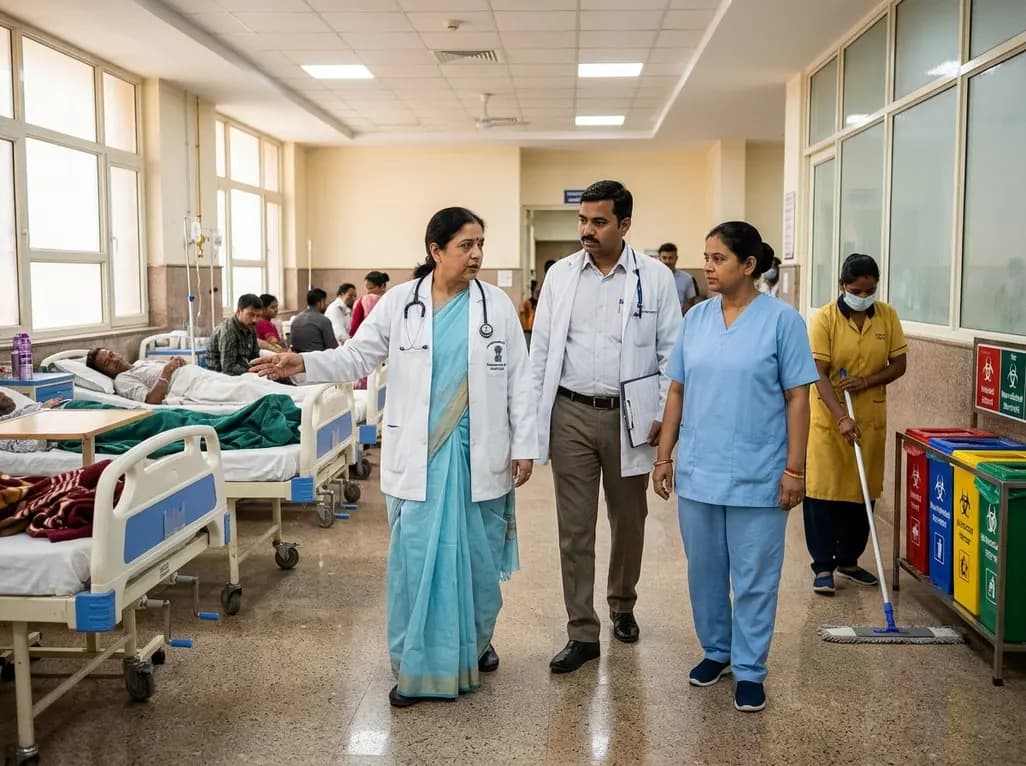
Public healthcare cleanliness forms the cornerstone of effective clinical care and patient safety across Indian medical centers. Recently, Union Health Secretary Punya Salila Srivastava urged government healthcare institutions to move beyond symbolic hygiene drives. Consequently, administrators must ensure visible and verifiable improvements in institutional upkeep and environmental sanitation. The directive arrived during a comprehensive review meeting assessing Special Campaign 6 and dedicated Kayakalp activities. Central hospitals must therefore translate formal sanitation policies into tangible ward-level transformations.
The Health Ministry reviewed operational readiness across 336 central health facilities, including premier medical institutes such as Safdarjung Hospital, AIIMS Guwahati, AIIMS Rishikesh, and NIMHANS Bengaluru. Leadership emphasized that public medical facilities manage enormous daily patient footfalls. Therefore, maintaining pristine environmental standards requires consistent administrative vigilance rather than episodic cleanliness drives. The secretary highlighted that cleanliness directly influences service delivery, clinical outcomes, and the overall therapeutic experience. Under Special Campaign 6, medical colleges and apex hospitals conducted dedicated intensive sanitization drives on October 27. Furthermore, hospital administrators received clear instructions to audit high-traffic clinical areas, including outpatient corridors, intensive care units, emergency lobbies, and surgical recovery suites. Hospital leaders must systematically monitor housekeeping personnel to prevent lapses in basic hygiene. Additionally, institutional authorities must assign designated nodal officers to coordinate multi-departmental sanitation activities. These designated teams evaluate hospital cleanliness through objective metrics rather than superficial visual checks. Ultimately, this nationwide directive aims to institutionalize sustainable sanitation practices within every central health facility. By standardizing these operational routines, healthcare leadership fosters a safer environment for patients, caregivers, and clinical personnel alike.
Hospital-acquired infections represent a major challenge for tertiary healthcare institutions across the country. In fact, compromised environmental sanitation significantly elevates pathogen transmission risks among vulnerable inpatients. Microorganisms such as methicillin-resistant Staphylococcus aureus and multidrug-resistant Gram-negative bacteria readily colonize high-touch clinical surfaces. Consequently, rigorous surface disinfection in critical areas halts the transmission of dangerous nosocomial pathogens. Clinicians must actively collaborate with hospital infection control committees to enforce strict chemical decontamination schedules. For instance, teams must sanitize high-contact objects such as bed rails, intravenous poles, diagnostic monitors, and dressing trolleys with certified disinfectants. Furthermore, proper terminal cleaning of operating rooms and critical care beds prevents cross-contamination between consecutive admissions. Hand hygiene compliance also improves when sanitizing stations remain clean, stocked, and easily accessible to healthcare workers. In addition, clean communal washrooms prevent the enteric transmission of opportunistic hospital pathogens. Robust sanitary standards shorten average hospital stays and reduce secondary antibiotic use. Consequently, hospital-wide infection rates decline when environmental upkeep remains uncompromising. Clinicians who champion sanitation cultivate an institutional culture where patient safety and hygiene remain inextricably linked.
Proper biomedical waste management serves as an essential pillar of hospital environmental safety. Government healthcare facilities handle massive volumes of hazardous clinical refuse daily. Therefore, hospitals must strictly enforce waste segregation at the exact point of generation. Ward staff must discard infectious dressings, sharps, pharmaceutical residues, and anatomical tissues into color-coded receptacles according to national guidelines. Moreover, administrators must monitor waste disposal chains continuously to avoid cross-contamination with general solid municipal trash. The recent ministry directives specifically mandate robust pest control routines and safe disposal of electronic equipment. Hospital engineering departments must inspect drainage lines and sewage treatment facilities regularly to prevent microbial seepage into municipal drainage. Similarly, personnel handling hazardous clinical waste require regular occupational health screening and full personal protective equipment. Training housekeeping staff on blood-spill management and hypochlorite dilution protocols prevents accidental occupational exposures. Furthermore, institutions should implement the principles of reduce, reuse, and recycle for non-biomedical materials whenever possible. Refurbishing repairable clinical furniture and repurposing non-infectious scrap reduce institutional ecological footprints. Consequently, adhering strictly to biomedical waste legislation safeguards both healthcare staff and surrounding urban communities from environmental hazards.
Space optimization remains a crucial yet frequently neglected dimension of public healthcare facility administration. Overcrowded corridors, stacked decommissioned machinery, and overflowing paper record archives severely obstruct clinical workflows in busy tertiary hospitals. Consequently, the Union Health Secretary directed institutions to clear physical backlogs and dispose of obsolete records promptly. Hospital administrations successfully leveraged authorized e-auction platforms to auction decommissioned metallic furniture, broken equipment, and condemned clinical vehicles. In fact, participating central health facilities raised approximately fifty lakh rupees in government revenue through these clearance drives. Freeing physical space allows medical centers to expand patient waiting lounges and establish organized triage desks. Moreover, accelerating the transition to electronic medical records eliminates dusty archival stores that harbor pests and allergens. Institutions also reported creating landscaped outdoor green spaces through active plantation drives. These serene botanical environments provide refreshing respite for convalescing patients, weary family members, and overworked medical personnel. Furthermore, orderly corridors facilitate rapid patient transport during acute resuscitation and emergency transfers. Administrative efficiency thereby translates directly into enhanced spatial logistics. Ultimately, systematic de-cluttering revitalizes aging public hospital infrastructure and improves daily functional efficiency for every clinical department.
Sustainable public healthcare sanitation requires continuous community accountability and rapid redressal of patient concerns. Traditionally, feedback mechanisms in public hospitals suffered from lengthy administrative processing times. However, central medical institutions have introduced digital platforms and QR code-enabled systems to streamline user complaints. Patients and their families can now scan digital codes within wards to report overflowing bins, unhygienic toilets, or maintenance failures instantly. Consequently, housekeeping supervisors receive real-time notifications and can rectify environmental deficiencies immediately. The Health Ministry highlighted that central healthcare facilities successfully resolved nearly all public grievance appeals logged during Special Campaign 6. Furthermore, authorities urged hospital administrators to evaluate cleanliness initiatives through direct beneficiary interactions rather than internal reviews alone. Collecting objective patient experience scores ensures that cleanliness interventions address authentic community needs. Additionally, healthcare institutions must document their innovative environmental strategies on designated national portals to facilitate peer benchmarking. Peer recognition through the Kayakalp awards program further motivates institutional staff to maintain pristine environmental benchmarks. As a result, transparent digital oversight transforms passive sanitation monitoring into a responsive, patient-centered operational framework.
Q1: What is the primary objective of the Kayakalp initiative in public healthcare facilities?
The Kayakalp initiative aims to promote cleanliness, hygiene, and infection control across all public healthcare facilities in India. By establishing rigorous quality benchmarks, the program incentivizes government hospitals to maintain high standards of sanitation, waste management, and facility upkeep. Additionally, the initiative fosters a culture of ongoing peer assessment and patient feedback, ensuring that public medical centers deliver safer, welcoming, and high-quality clinical care to every citizen.
Q2: How does clearing obsolete hospital equipment and physical records improve clinical services?
Clearing obsolete clinical equipment and outdated physical records frees up critical floor space within crowded public hospitals. This spatial optimization enables facilities to expand emergency triage zones, patient waiting lounges, and specialized consultation areas. Furthermore, eliminating physical archives minimizes dust, mold, and pest infestations that compromise indoor environmental quality. Liquidating condemned scrap through authorized government e-auctions also generates public revenue that institutions can reinvest directly into healthcare infrastructure upgrades.
Q3: How do digital feedback systems and QR codes enhance hospital sanitation standards?
Digital feedback mechanisms and QR codes allow patients, visitors, and healthcare staff to report sanitation deficiencies instantly using smartphones. When individuals report unhygienic washrooms or uncleared medical waste, facility supervisors receive immediate digital alerts. Consequently, hospital maintenance teams can address environmental lapses rapidly rather than waiting for periodic manual inspections. This real-time reporting framework enhances administrative accountability, accelerates grievance resolution, and ensures consistent adherence to strict infection control protocols.
Disclaimer: This content is for informational and educational purposes only. It does not constitute medical advice or replace professional judgment. Refer to the latest local and national guidelines for clinical practice.
References

Read summarized clinical updates, watch expert medical content, and earn CME certifications right from your smartphone.
Open your smartphone camera to scan and install.





Union Health Secretary Punya Salila Srivastava directed central health facilities to move beyond symbolic drives. Institutions must institutionalize verifiable hygiene, optimize biomedical waste disposal, and clear obsolete inventory to elevate clinical environments and reduce healthcare-associated infections nationwide.
Today
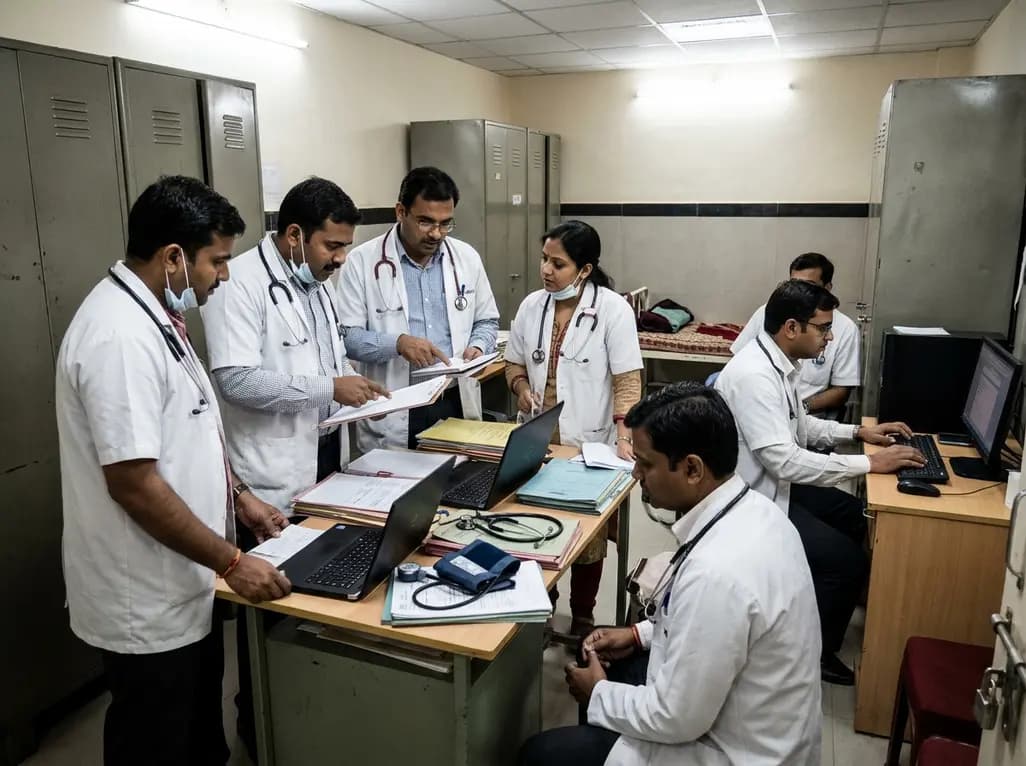
A prospective study using wireless sensors reveals that smaller physician workrooms significantly increase contact density and respiratory virus transmission risks despite lower average occupancy, underscoring the urgent need for better architectural design and infection control in healthcare duty rooms.
Today
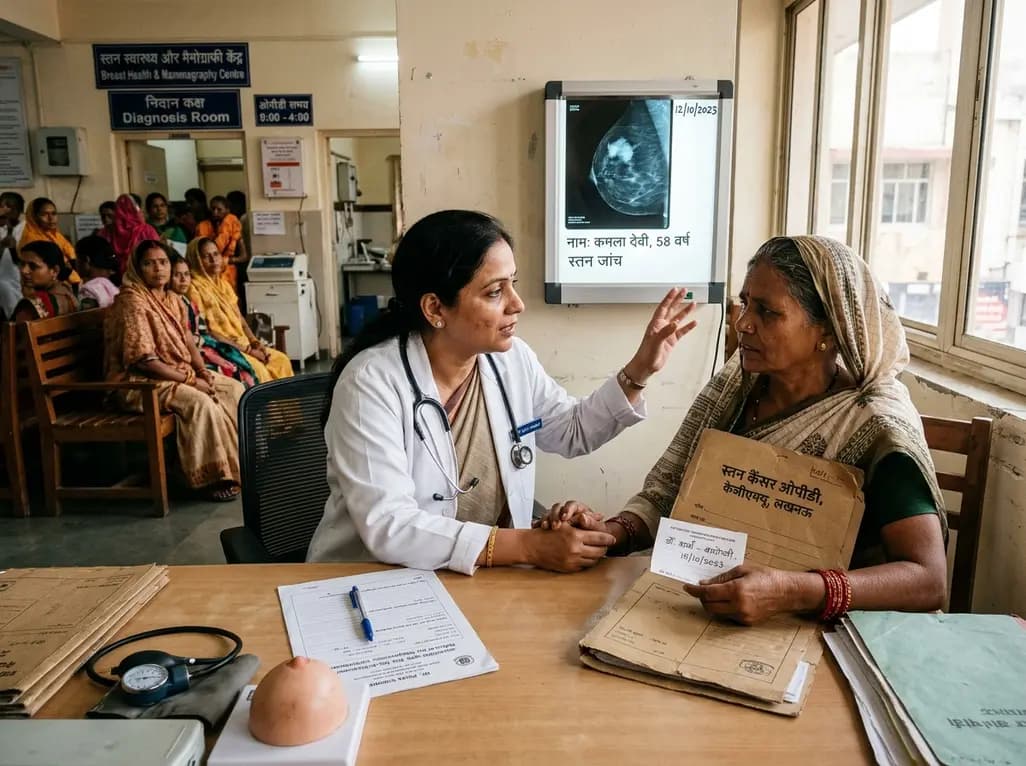
A KGMU study reveals over half of women with breast abnormalities fail to undergo diagnostic confirmation, leading to advanced-stage detection. Discover the socio-cultural barriers, clinical risks of incomplete resection, and community-level solutions needed to bridge the critical screening-to-diagnosis gap in India.
Today
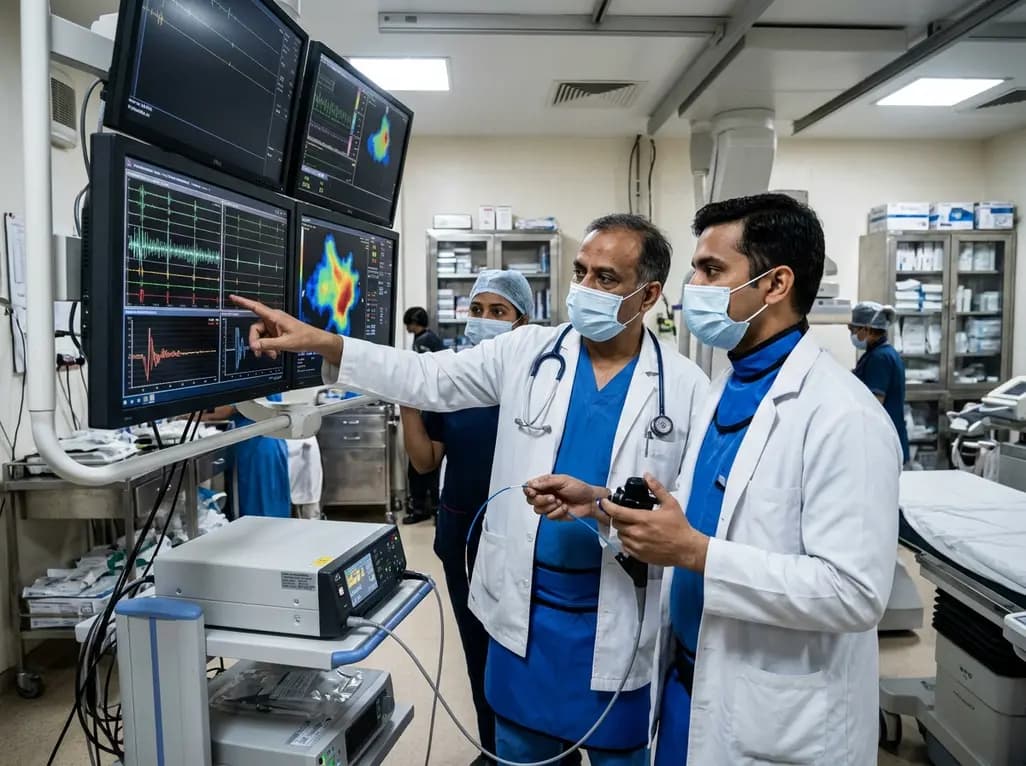
A comparative non-contact study reveals that high-power radiofrequency delivery with the QDOT MICRO catheter induces an artifactual contact force rise. Electrophysiologists must understand this power-dependent thermal and electrical phenomenon to avoid inadvertent catheter withdrawal and ineffective ablation.
Today
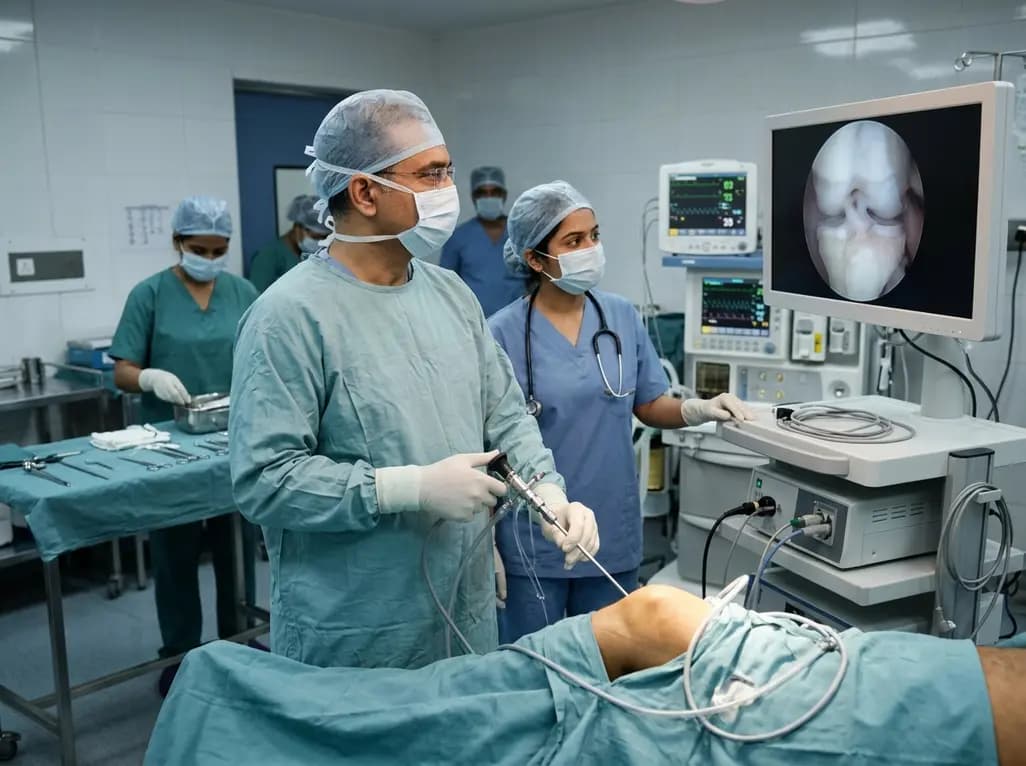
Healthium Medtech has transitioned its arthroscopy vertical into SIRONIX Orthopedics, aiming to capture key segments of the global joint care market. The strategic shift introduces dedicated portfolios in sports medicine, joint regeneration, surgical reconstruction, and digital operating technologies.
Today
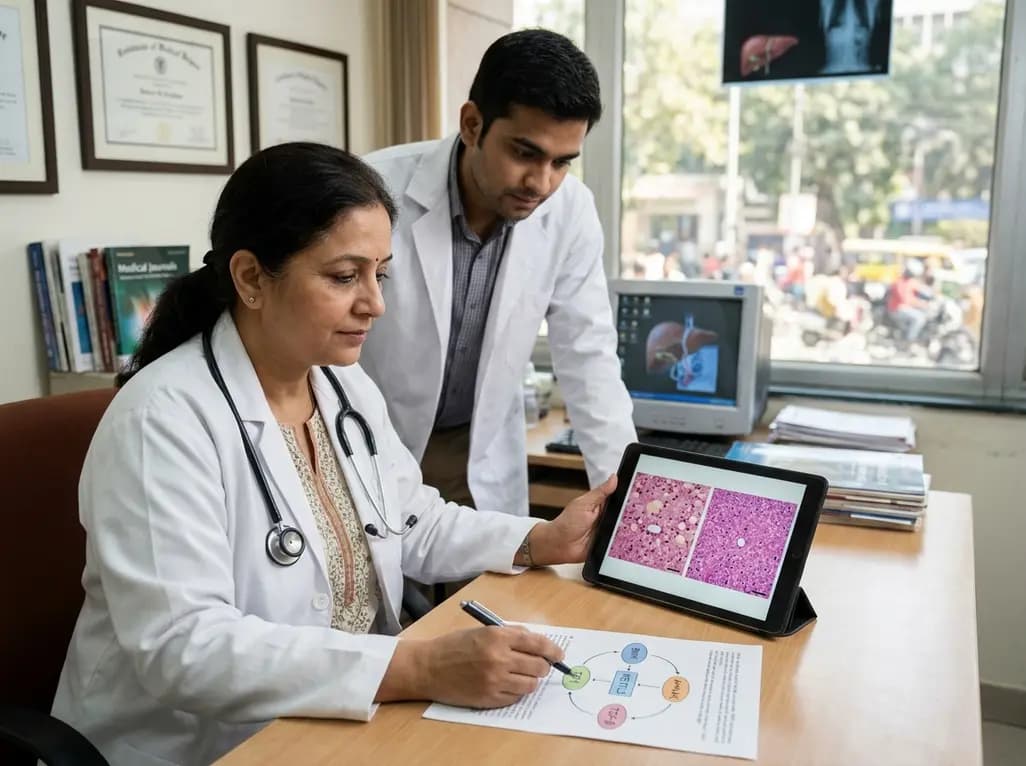
Preclinical research demonstrates that BMI1 overexpression alleviates metabolic syndrome-related liver injury. By triggering ubiquitin-mediated METTL3 degradation, BMI1 prevents AHNAK m6A methylation and suppresses fibrogenic TGF-β/SMAD signaling, significantly improving hepatic steatosis and insulin resistance.
Today
