.webp&w=384&q=75)

Loading, please wait...
Loading, please wait...
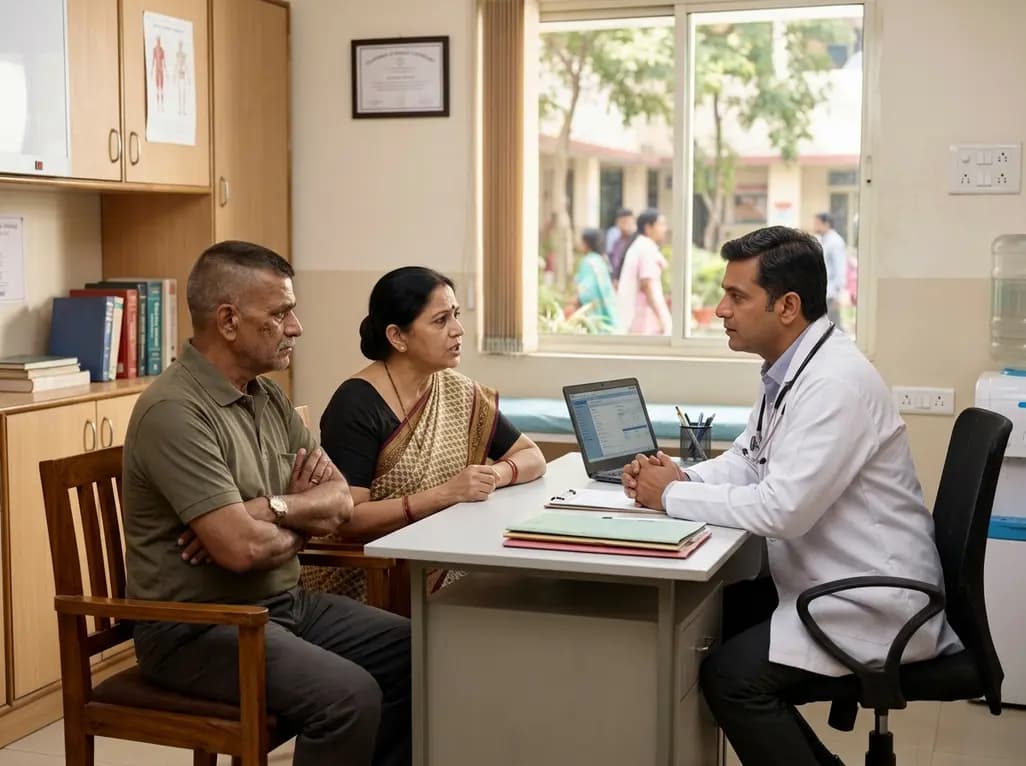
Understanding the relationship between PTSD and couple conflict is essential for military healthcare providers. Consequently, a recent study identifies specific themes that drive discord in these households. Researchers analyzed qualitative responses from 137 veterans and their romantic partners to identify how post-traumatic stress influences their daily interactions.
The study utilized thematic analysis to uncover 23 unique conflict themes within veteran dyads. These themes generally fall into two broad categories: relationship dynamics and mental health. Moreover, relationship-focused themes included communication struggles and trust issues. Conversely, mental health categories centered on hypervigilance and substance use. Notably, the five most frequent areas of contention were finances, communication, parenting, emotion regulation, and anger.
Interestingly, the research highlighted a significant gap in how couples perceive their arguments. Partners showed good reliability in reporting fight frequency but often disagreed on the causes. Specifically, reliability was poor regarding whether arguments stemmed from PTSD symptoms. This discrepancy suggests one partner may blame the disorder while the other blames the relationship failing.
For clinicians in India, these findings underscore the importance of dyadic assessment in trauma cases. Addressing PTSD and couple conflict requires a dual approach. First, practitioners should incorporate conflict management skills into standard trauma protocols. Second, psychoeducation must involve partners to align their understanding of symptom manifestation. This shared perspective can reduce blame and improve long-term treatment outcomes.
The most common sources of conflict include financial issues, communication breakdowns, parenting challenges, difficulties in regulating emotions, and general anger management.
The study found poor agreement between veterans and their partners on whether their conflicts were related to PTSD. However, they were generally consistent in reporting how often the arguments occurred.
Disclaimer: This content is for informational and educational purposes only and does not constitute medical advice or a professional relationship. Refer to the latest local and national guidelines for clinical practice.
References
Barden EP et al. Couple's conflict among veterans seeking PTSD treatment. Mil Psychol. 2026 Jun 15. doi: 10.1080/08995605.2026.2664931. PMID: 42295840.
Sautter FJ, et al. The Development of a Couple-Based Treatment for PTSD in Returning Veterans. J Fam Psychol. 2026;30(3):3-10.
Taft CT, et al. PTSD and conflict behavior between veterans and their intimate partners. J Consult Clin Psychol. 2011;79(1):1-12.

Read summarized clinical updates, watch expert medical content, and earn CME certifications right from your smartphone.
Open your smartphone camera to scan and install.





A recent study identifies 23 conflict themes in veteran couples where one partner is seeking PTSD treatment. Key themes like finances and communication are common, yet couples often disagree on whether arguments are PTSD-related. Findings highlight the need for psychoeducation and conflict management in therapy.
4 months ago

Following regulatory scrutiny from FSSAI regarding promotional representations and lean muscle preservation claims, Dr. Reddy's Laboratories and Nestlé Health Science are currently reviewing the branding and marketing strategy for their joint nutritional supplement Celevida GLP+.
Today
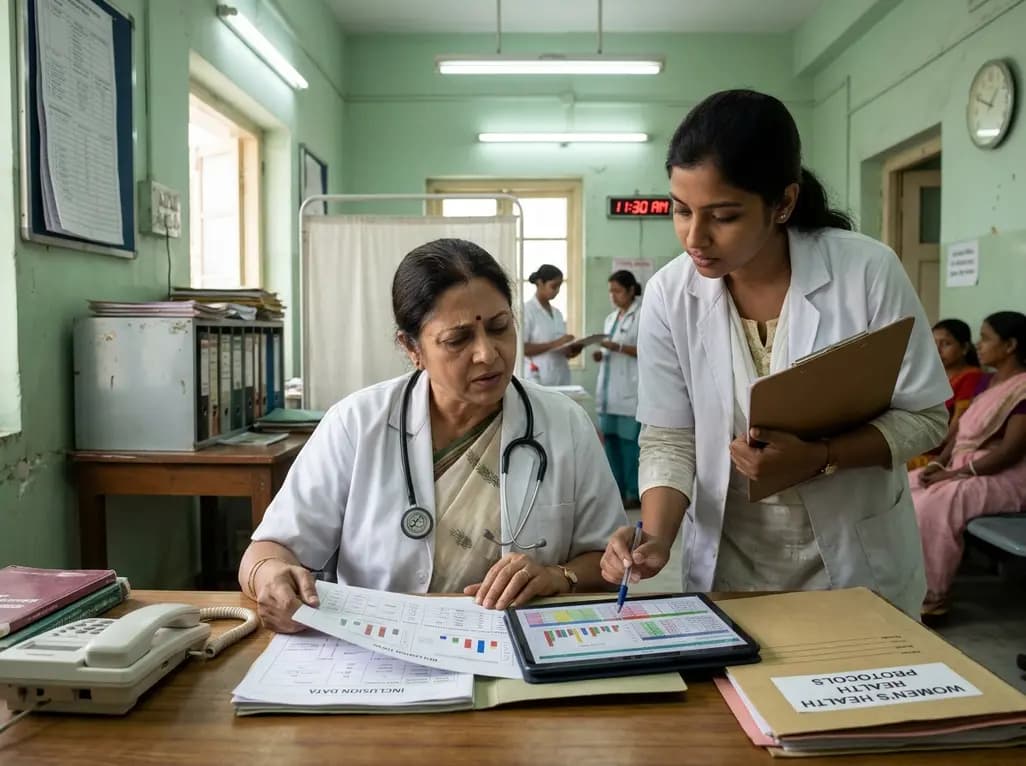
Demanding exhaustive hormonal profiling can inadvertently discourage clinical studies involving females. Methodological standards must align with the specific scientific question to expand, not restrict, equitable evidence for women.
Today

The Directorate General of Health Services directs Indian states to halt the hazardous reuse and reprocessing of single-use medical devices. Discover regulatory implications under the Drugs and Cosmetics Act, critical infection risks, legal liabilities, and operational changes required across clinical specialties.
Today
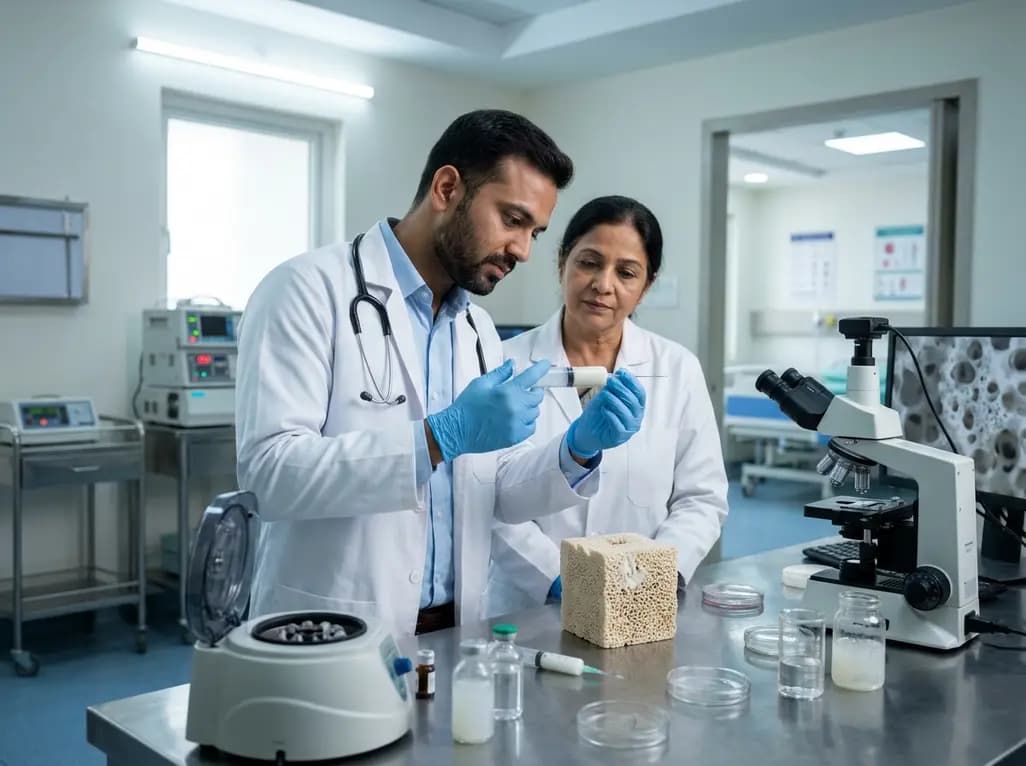
A novel calcium polyphosphate coacervate enables injectable bone implants with in situ hierarchical porosity via phase separation and gas foaming, significantly enhancing cell proliferation, energy metabolism, and osteogenic differentiation for minimally invasive bone defect repair.
Today

India is advancing preventive healthcare by integrating genomics, artificial intelligence, and quantum technologies. With the SANGAM programme sequencing one million Indian genomes, clinicians can unlock personalized therapies, detect cardiometabolic risks early, and curb the burden of diabetes and heart disease.
Today
