.webp&w=384&q=75)

Loading, please wait...
Loading, please wait...
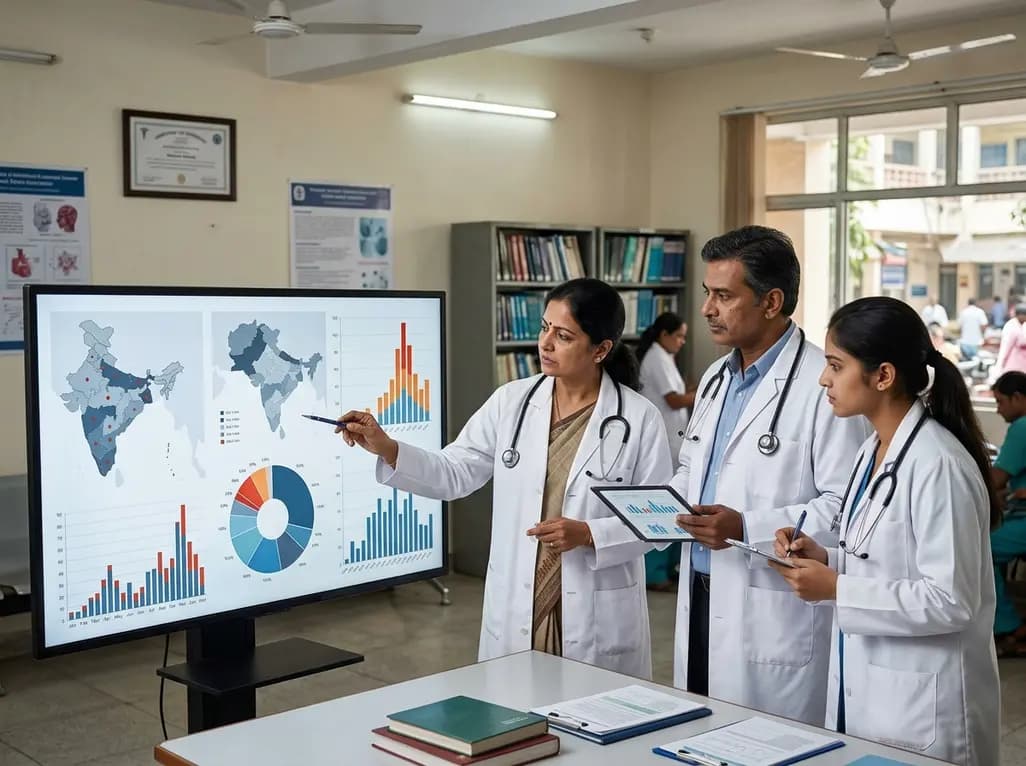
The psychiatric landscape in South Asia is undergoing a significant transformation as researchers uncover the true burden of mental illness in this densely populated region. This recent systematic review explores the psychosis prevalence South Asia currently faces, providing a data-driven foundation for future health policy. Covering a quarter of the global population, countries like India and Pakistan present unique challenges for mental health delivery. Historically, prevalence data remained fragmented, making it difficult for administrators to allocate resources effectively. Therefore, this comprehensive synthesis serves as a critical tool for identifying the substantial treatment gaps that persist. By analyzing dozens of studies across multiple nations, the researchers have offered a clearer picture of how psychotic disorders affect community-dwelling adults. Consequently, these findings underscore the urgent necessity for integrated mental health services that can cater to the diverse needs of South Asian patients. Furthermore, understanding these epidemiological trends allows clinicians to better anticipate the demand for long-term psychiatric care. Ultimately, the goal remains to improve patient outcomes through evidence-based interventions and culturally appropriate diagnostic frameworks within the region's unique socio-economic context.
The systematic review identifies significant variations in how psychotic disorders manifest across different demographic sectors in South Asian nations. Among community-dwelling adults, the pooled point prevalence was calculated at 0.85%, while the lifetime prevalence reached 1.40%. Interestingly, these figures are notably higher than many global averages, suggesting that South Asian populations might face unique risk factors. For instance, India showed a specific point prevalence of 1.18%, which reflects a substantial number of individuals requiring active clinical management. In contrast, Pakistan and Nepal reported even higher rates at 2.13% and 2.90%, respectively. These inter-country differences might stem from varying diagnostic practices, socio-political stressors, or environmental influences. Moreover, the high prevalence in Nepal could be linked to specific regional challenges in mental health infrastructure. Nevertheless, these statistics provide a robust baseline for public health experts. Because the data highlight a significant portion of the population living with untreated psychosis, the demand for community-based rehabilitation has never been more pressing. Addressing these figures requires a multi-pronged approach involving both primary care physicians and specialized psychiatric units.
When examining clinical samples, the proportion of individuals diagnosed with psychosis rises dramatically compared to community surveys. The research indicates that approximately 11.44% of individuals in service settings present with psychotic symptoms. This concentration reflects a heavy reliance on treatment-seeking samples for data collection, which often overlooks those who cannot access care. Additionally, this high percentage in clinical settings emphasizes the severe pressure placed on existing psychiatric facilities. Most patients only enter the formal healthcare system when symptoms become unmanageable, leading to higher acuity cases in hospitals. Consequently, the treatment gap remains a formidable obstacle to achieving regional mental health goals. While community data provides a broad view, clinical data reveals the intensity of the demand for specialized interventions. Furthermore, the study noted that data regarding children and adolescents remain unfortunately limited and were summarized narratively. This gap in pediatric data suggests an urgent need for longitudinal studies focusing on early-onset psychosis. Identifying early warning signs in younger populations could significantly alter the long-term trajectory of the disease and improve overall societal productivity.
One of the most striking findings of the meta-analysis was the high level of heterogeneity across the included studies. Despite using standardized tools like the Joanna Briggs Institute checklist, researchers found significant methodological variation. For example, studies utilized different diagnostic systems, including various versions of the DSM and ICD. Although exploratory meta-regression was performed, it did not identify any single significant moderator to explain this heterogeneity. This suggests that the psychosis prevalence South Asia reports is influenced by a complex interplay of residential settings and publication years. Consequently, clinicians must interpret these pooled estimates with a degree of caution. However, the lack of a dominant moderator highlights the diversity of the South Asian clinical landscape. Moreover, the variation in rural versus urban settings continues to complicate the standardization of screening tools. Developing culturally sensitive instruments that account for local idioms of distress is essential for future research. By refining these methodologies, the medical community can move toward more precise epidemiological tracking. Thus, the current findings serve as a starting point for more rigorous, harmonized research efforts across the subcontinent.
Psychotic disorders contribute significantly to global disability, and the impact is particularly felt in resource-constrained South Asian settings. The high prevalence rates identified in this review correlate with lost economic productivity and increased caregiver burden. Because many individuals remain undiagnosed, the indirect costs associated with untreated psychosis are likely staggering. Furthermore, the social stigma surrounding mental illness often prevents families from seeking timely medical advice. Therefore, public health campaigns must focus on destigmatizing psychosis and promoting early detection. Strengthening mental health services is not merely a clinical necessity but a socio-economic imperative for the region. By integrating psychiatric screening into primary care, health systems can catch cases earlier and reduce the need for intensive inpatient care. Additionally, training community health workers to recognize psychotic symptoms could bridge the gap between rural populations and specialized care. Consequently, the implementation of these strategies requires strong political will and sustained financial investment. If South Asian nations can successfully bolster their mental health frameworks, the potential for improving the quality of life for millions is immense.
The interpretation of these findings calls for a localized approach to psychiatric practice and health policy. While the prevalence estimates appear higher than global norms, they emphasize the need for robust screening protocols. Clinicians should prioritize culturally sensitive screening to ensure that symptoms are not misinterpreted or ignored. Moreover, the high prevalence in clinical samples suggests that every encounter in a psychiatric setting is an opportunity for comprehensive intervention. Strengthening the referral pathway from primary care to specialists will be vital in managing the burden of disease. Furthermore, the findings highlight a clear need for increased funding toward mental health infrastructure in countries like India, Nepal, and Pakistan. Future research should focus on the underlying causes of regional variations to tailor interventions more effectively. By focusing on evidence-based policy, South Asian countries can begin to close the substantial treatment gap. Ultimately, this systematic review serves as a call to action for medical professionals and policymakers alike. Through collaboration and innovation, the region can develop a mental health system that is both resilient and responsive to the needs of its people.
The systematic review indicates that India has a point prevalence of 1.18% among community-dwelling adults. This is lower than the rates reported in Pakistan (2.13%) and Nepal (2.90%). However, all these figures are relatively high compared to global averages. The variation may be due to differences in healthcare access, diagnostic methodologies, or local socio-economic stressors. Regardless of the exact number, the data clearly show a significant psychiatric burden across India.
Clinical settings show a prevalence of 11.44% because these samples consist of individuals actively seeking treatment or referred for specialized care. This concentration reflects a bias toward more severe or symptomatic cases. In contrast, community samples capture a broader range of individuals, including those who may not have access to care or who live with undiagnosed conditions. This discrepancy highlights the immense treatment gap existing within the South Asian healthcare infrastructure.
Clinicians are encouraged to adopt culturally sensitive screening tools to improve detection rates in diverse South Asian populations. There is an urgent need to strengthen the link between primary care and psychiatric services to ensure earlier intervention. Furthermore, medical professionals should advocate for better mental health policies and resource allocation. Focusing on early detection and reducing social stigma is essential for improving long-term outcomes and reducing the overall disability burden in the region.
Disclaimer: This content is for informational and educational purposes only. It does not constitute medical advice or establish a doctor-patient relationship. Always seek the advice of a qualified healthcare provider for any medical condition. Refer to the latest local and national guidelines for clinical practice.
References
Desai R et al. Prevalence of psychosis in South Asia: A systematic review and meta-analysis. Schizophr Res. 2026 Jul 20. doi: undefined. PMID: 42475773.
"
Read summarized clinical updates, watch expert medical content, and earn CME certifications right from your smartphone.
Open your smartphone camera to scan and install.





A systematic review reveals higher-than-average psychosis prevalence in South Asia, with India reaching 1.18% point prevalence among community-dwelling adults, highlighting an urgent need for strengthened mental health services and improved detection strategies.
3 months ago

Following regulatory scrutiny from FSSAI regarding promotional representations and lean muscle preservation claims, Dr. Reddy's Laboratories and Nestlé Health Science are currently reviewing the branding and marketing strategy for their joint nutritional supplement Celevida GLP+.
Today
A comprehensive scoping review synthesises evidence linking prenatal maternal mental health to long-term offspring neurodevelopment, evaluating neuroendocrine, inflammatory, and epigenetic pathways while highlighting clinical screening and future research priorities.
Today

The Directorate General of Health Services directs Indian states to halt the hazardous reuse and reprocessing of single-use medical devices. Discover regulatory implications under the Drugs and Cosmetics Act, critical infection risks, legal liabilities, and operational changes required across clinical specialties.
Today
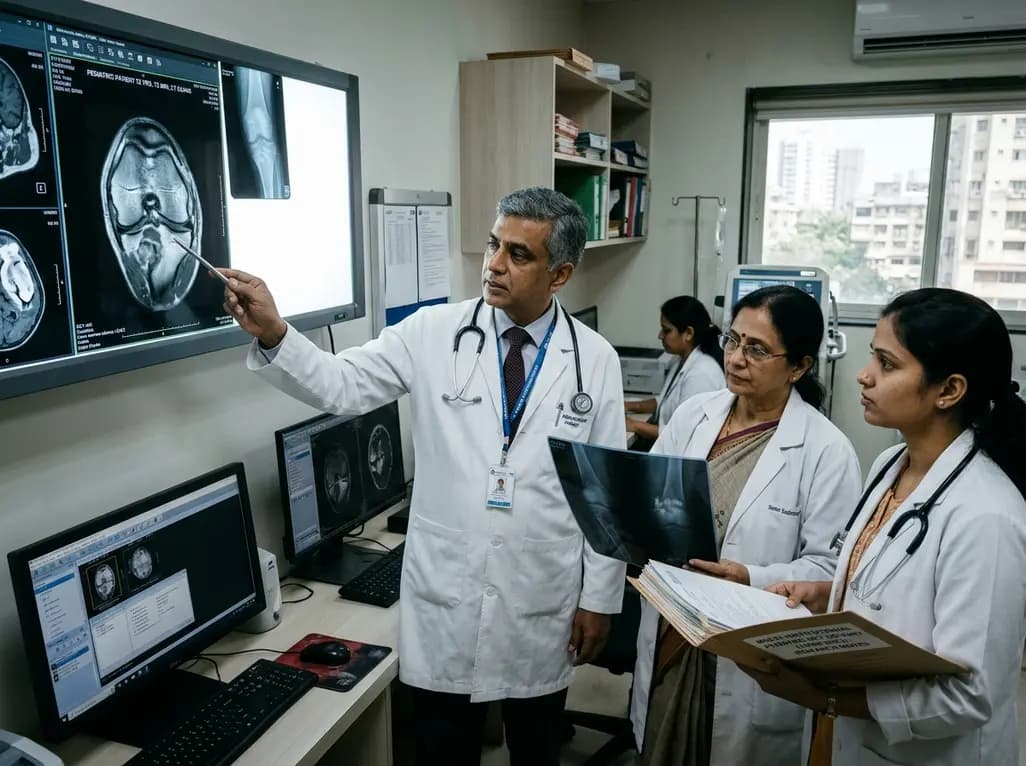
A 25-year multi-institutional cohort reveals high recurrence rates in pediatric giant cell tumor of bone, particularly in patients with open physes and bone marrow edema on preoperative MRI. Early surveillance and careful balance between growth plate preservation and tumor clearance are essential.
Today

India is advancing preventive healthcare by integrating genomics, artificial intelligence, and quantum technologies. With the SANGAM programme sequencing one million Indian genomes, clinicians can unlock personalized therapies, detect cardiometabolic risks early, and curb the burden of diabetes and heart disease.
Today
