

Loading, please wait...
Loading, please wait...
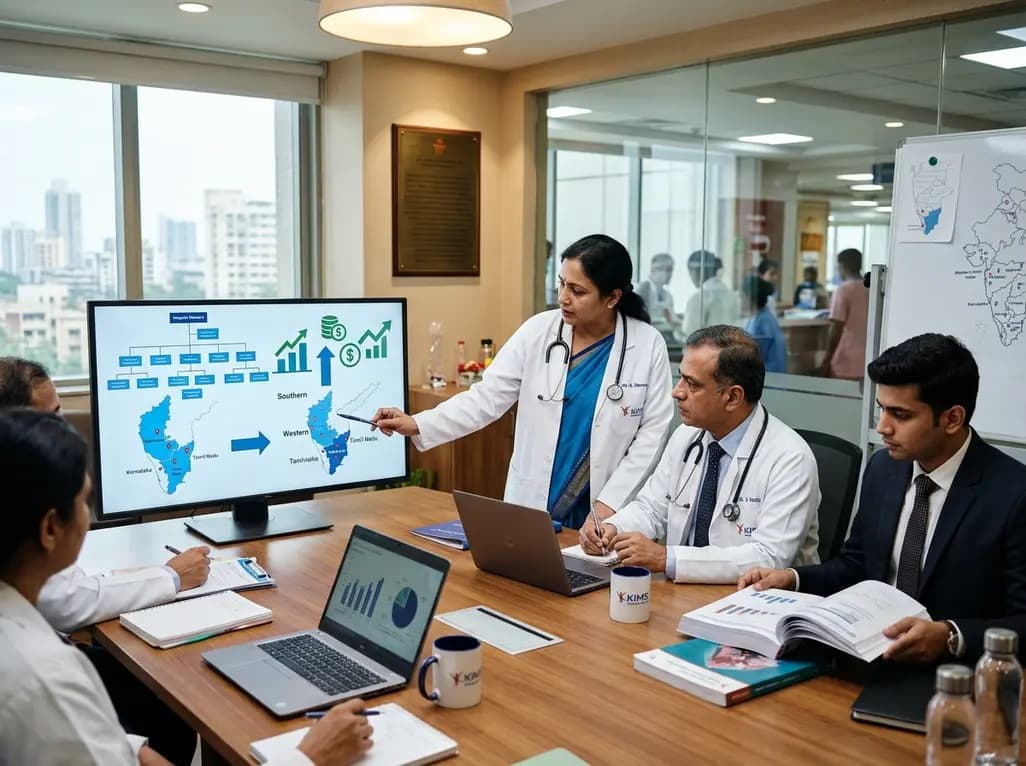
The rapid transformation of medical infrastructure in India reflects a surge in institutional capital. In recent decades, private equity in healthcare has evolved from an occasional funding mechanism into a dominant structural driver. A landmark investigation conducted by researchers from Brown University and Johns Hopkins University mapped eighteen years of transactions. Consequently, their findings demonstrate that corporate capital actively concentrates in urbanized regional centers. While tertiary institutions benefit from modern capital equipment, this pattern leaves significant geographical voids. Medical professionals working across India now encounter shifting administrative mandates, updated clinical workflows, and altering referral ecosystems. Furthermore, understanding these private market developments allows clinicians and administrators to navigate changing institutional priorities effectively.
The study mapped seventy private equity-backed deals between 2007 and 2025 across the country. Significantly, these transactions concentrated heavily within southern and western states. Karnataka recorded thirteen deals, leading all Indian states during this comprehensive study period. In addition, Maharashtra and Telangana each attracted ten separate private equity acquisitions. Gujarat recorded six transactions, whereas Kerala and Haryana recorded five deals each. Conversely, northern and eastern regions experienced almost negligible institutional capital allocation. States like Bihar, Jharkhand, and Odisha saw minimal external investment despite having extensive public health needs. Therefore, institutional financiers clearly prioritize regions that demonstrate established purchasing power and expansive private health insurance penetration. Urbanized zones offer predictable inpatient footfalls, robust medical tourism revenue, and established commercial infrastructure. Consequently, this geographic concentration exacerbates the pre-existing divide between prosperous peninsular hubs and medically underserved populations. Private equity investors systematically evaluate risk by favoring territories with high municipal density and strong disposable incomes. For practicing doctors, this geographical clustering concentrates advanced diagnostic machinery and surgical subspecialties in select tier-one cities. As a result, peripheral doctors face persistent resource deficits when managing complex cases.
Hospital platforms represent the primary target for private equity financiers in India. In fact, over seventy-three percent of total capital flowed into forty-five major hospital networks. These transactions involved one hundred eighty-seven multispecialty facilities alongside several specialized single-specialty hospital units. Four prominent platforms accounted for one-third of all evaluated deals: Manipal Health Enterprises, HealthCare Global Enterprises, CARE Hospitals, and ASG Eye Hospitals. Multispecialty hospitals present reliable inpatient cash flows, insulating investors against acute financial volatility. Furthermore, outpatient providers garnered significant institutional attention, particularly across seventeen dedicated vertical platforms. Within outpatient medical delivery, investors prioritized ophthalmology chains and reproductive medicine networks. In particular, these elective specialties provide high-margin cash transactions and predictable operating cycles without heavy emergency liabilities. Moreover, clinical consolidation allows parent corporations to standardize purchasing agreements for expensive surgical consumables and robotic systems. In response, independent practitioners find it increasingly difficult to compete with these corporate entities in metro locations. Many single-specialty physicians eventually affiliate with corporate platforms to maintain patient volumes. Thus, commercial imperatives are steadily reshaping specialty care delivery throughout urban centers.
The pace of financial acquisition accelerated dramatically following the global COVID-19 pandemic. Specifically, deal volume reached an unprecedented peak in 2023, which recorded eighteen distinct institutional transactions. Researchers attribute this surge to exceptionally favorable global financial conditions during the recovery period. Historically low interest rates and abundant dry powder provided international private funds with cheap debt. In addition, healthcare organizations proved their resilient operational stability throughout unpredictable macroeconomic fluctuations. Foreign financial institutions provided complete backing for forty-seven acquisitions, representing over sixty-seven percent of observed deals. These prominent offshore funds operated out of the United States, Singapore, and Mauritius. Meanwhile, domestic Indian investors funded eighteen transactions independently. Interestingly, foreign investors adopted staged investment strategies rather than executing immediate full buyouts. Many private equity firms secured minority positions initially before scaling up their equity control over successive funding rounds. Similarly, this progressive strategy reflects cautious expansion techniques observed across emerging BRICS economies. Consequently, foreign capital continues to influence strategic boardroom decisions across Indian hospital chains. Medical directors must therefore balance aggressive financial return benchmarks against ethical clinical responsibilities.
Private equity funds generally operate under strict investment horizons ranging between five and seven years. Within the analyzed study cohort, researchers documented twenty-five total investor exits with an average holding period of 5.1 years. Hospital platform acquisitions accounted for more than half of these recorded exits. Crucially, secondary sales to rival private equity entities represented sixty-four percent of all divestment activity. This ongoing transfer of ownership between private funds creates continuous corporate restructuring cycles for clinical staff. Meanwhile, forty-five hospital groups remained under their initial private equity owners during the evaluation period. When institutional owners change hands repeatedly, clinical leadership often encounters revised administrative goals and cost-cutting initiatives. For instance, new owners frequently review operating theater utilization, length-of-stay parameters, and physician billing targets. Although private capital delivers modernized infrastructure, clinicians voice concerns regarding administrative pressure on medical autonomy. Practitioners must continually defend evidence-based clinical judgments against purely transactional Key Performance Indicators. Therefore, institutional alignment between financial stakeholders and medical boards remains vital for sustaining care standards.
The pronounced geographical skew of financial investments presents substantial challenges for equitable healthcare access. Because external institutional capital targets affluent urban centers, rural India relies almost exclusively on underfunded public facilities. In contrast to metropolitan areas, tier-three districts and rural regions lack specialized emergency, neonatal, and oncology infrastructure. Consequently, patients in underserved northern states undertake arduous journeys to southern medical centers for complex surgeries. Public healthcare advocates emphasize that commercial equity cannot resolve structural accessibility gaps on its own. Instead, federal and state health ministries must formulate targeted incentives to encourage capital deployment toward underserved geographies. Policy initiatives could involve viability gap funding, subsidized land allocations, and integrated public-private partnerships under Ayushman Bharat. Furthermore, medical councils must ensure that corporate consolidation does not diminish professional governance or medical ethics. As corporate hospital networks expand their influence, healthcare regulators must implement robust monitoring mechanisms for price transparency and patient outcomes. Ultimately, modern healthcare delivery demands balanced investment strategies that strengthen both state-of-the-art urban centers and neglected regional community hospitals.
Q1: Why do private equity investors concentrate predominantly on southern and western Indian states?
Investors concentrate capital in southern and western states due to mature healthcare infrastructure, higher health insurance penetration, and strong household disposable income. Cities in Karnataka, Maharashtra, and Telangana offer established medical tourism corridors and predictable inpatient footfalls. Consequently, these regions provide lower commercial risk and reliable operating margins compared to underserved northern states, where public infrastructure and private reimbursement mechanisms remain underdeveloped.
Q2: How does private equity ownership affect practicing physicians and clinical workflows?
Private equity ownership introduces modern capital equipment, electronic health record systems, and streamlined supply chains into clinical practice. However, it also enforces rigorous performance metrics, including bed turnaround targets, procedure volume expectations, and operational efficiency standards. Consequently, hospital physicians must navigate administrative oversight carefully to protect their clinical decision-making autonomy and maintain compassionate, evidence-based patient management without compromising healthcare quality.
Q3: Why are ophthalmology and reproductive medicine popular targets for outpatient investment?
Ophthalmology and reproductive medicine represent highly standardized, procedure-driven outpatient specialties that require minimal inpatient hospital infrastructure. These clinical domains feature predominantly elective treatments, substantial out-of-pocket or private insurance payments, and swift recovery times. Therefore, corporate investors can scale single-specialty chains rapidly through regional hub-and-spoke networks, achieving predictable cash generation and attractive return on equity without incurring heavy emergency medical liabilities.
Disclaimer: This content is for informational and educational purposes only. It does not constitute medical advice or replace professional judgment. Refer to the latest local and national guidelines for clinical practice.
References

Read summarized clinical updates, watch expert medical content, and earn CME certifications right from your smartphone.
Open your smartphone camera to scan and install.





A landmark study from Brown and Johns Hopkins reveals that over seventy percent of healthcare private equity deals in India target multispecialty hospitals across southern and western states. This rapid consolidation shapes clinician workflows, capital access, and regional delivery patterns.
Today
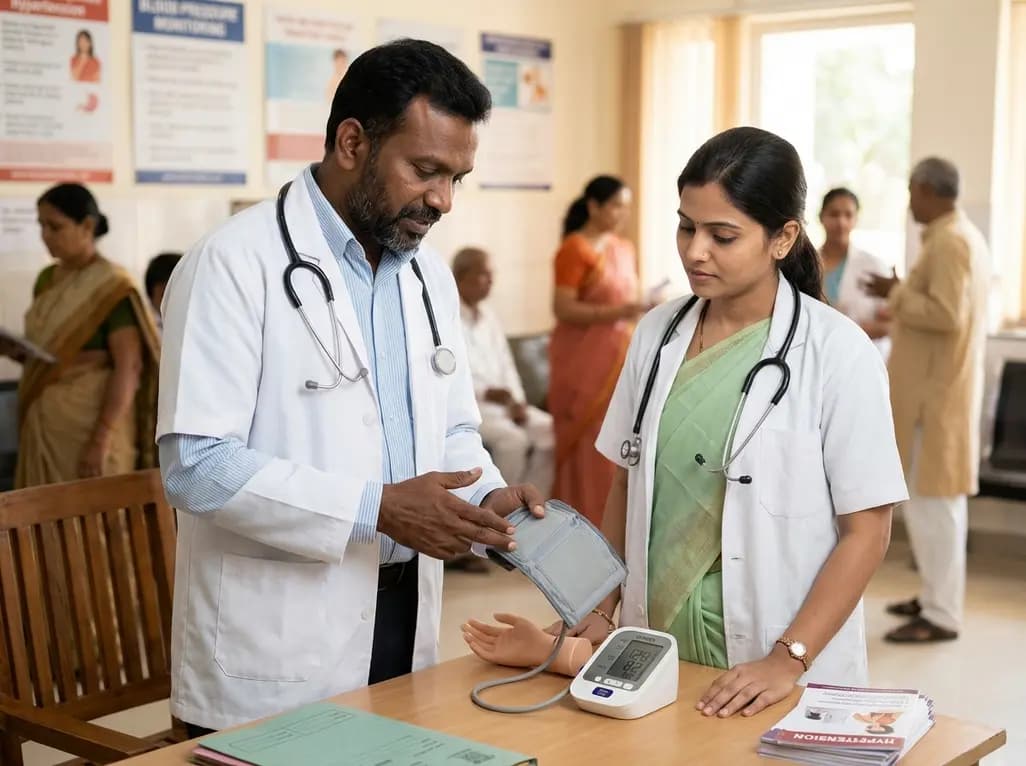
With hypertension affecting over 300 million adults in India and household monitor penetration remaining under 5%, local manufacturing expansion of validated oscillometric devices marks a pivotal shift. This overview explores clinical protocols, diagnostic thresholds, and strategies to improve hypertension control.
Today
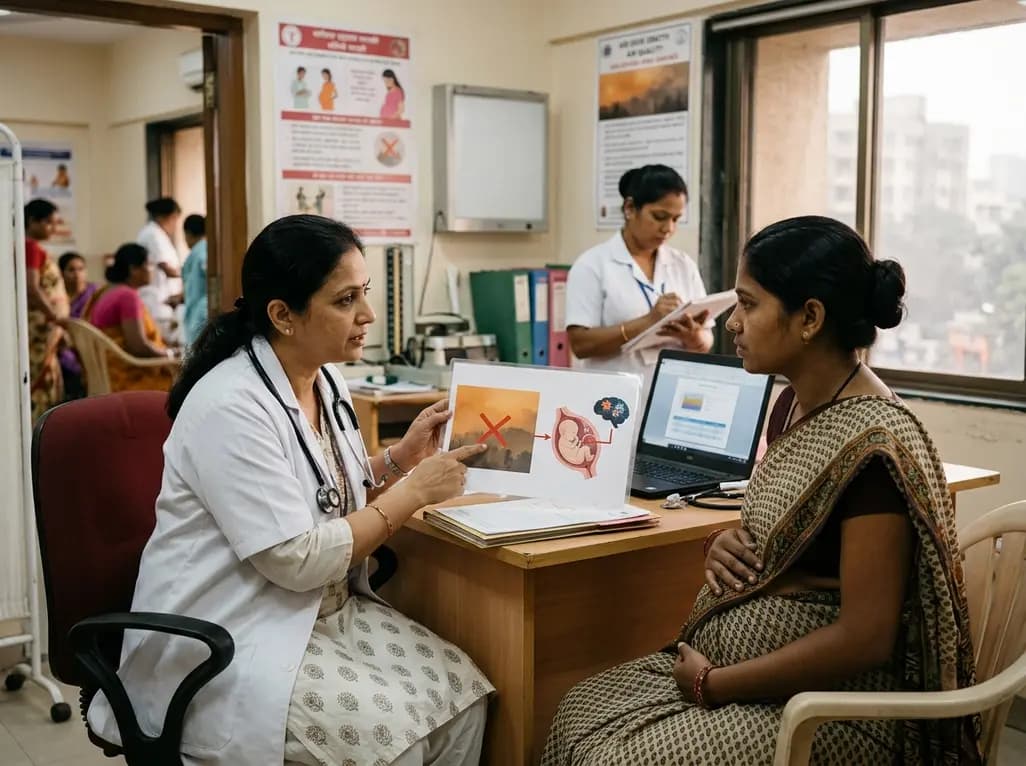
A nationwide cohort study published in JAMA Pediatrics reveals that maternal exposure to wildfire fine particulate matter, especially in late pregnancy, is linked to an elevated risk of childhood autism. Clinicians should evaluate ambient air quality risks and provide proactive protective counseling to mothers.
Yesterday
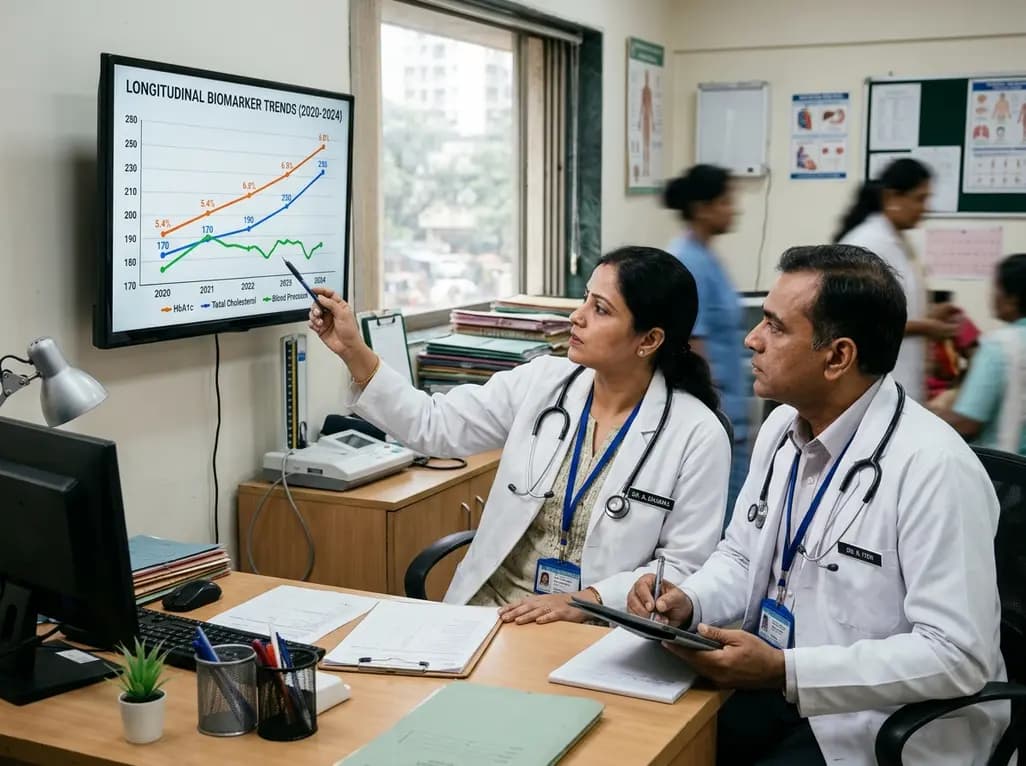
Annual health checks only offer static snapshots. Real-world evidence from 2.1 million insured Indians reveals that tracking dynamic biomarker trends over time enables clinicians to spot evolving cardiometabolic risks early, reverse borderline pathology, and deliver tailored preventive interventions.
Yesterday
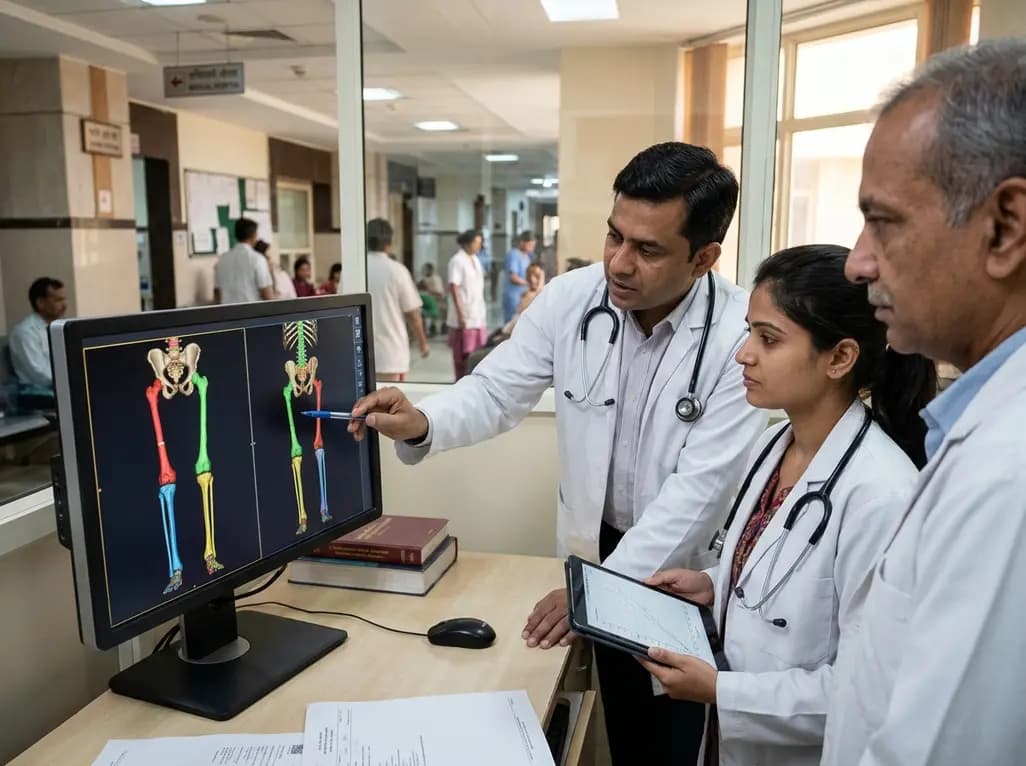
Modern 3D anthropometry reveals that pediatric leg growth ceases years before spinal elongation, exposing the clinical illusion of the classical Anderson-Green model. Learn how segmental growth dissociation improves surgical timing for epiphysiodesis in adolescent leg length discrepancy.
3 days back

With packaged goods giant HUL backing FSSAI's proposed front-of-pack red warning labels for foods high in fat, sugar, and salt, India takes a major step toward curbing non-communicable diseases. Learn how clearer nutrition disclosures empower clinicians, inform consumer choices, and drive dietary reform.
Yesterday
