

Loading, please wait...
Loading, please wait...
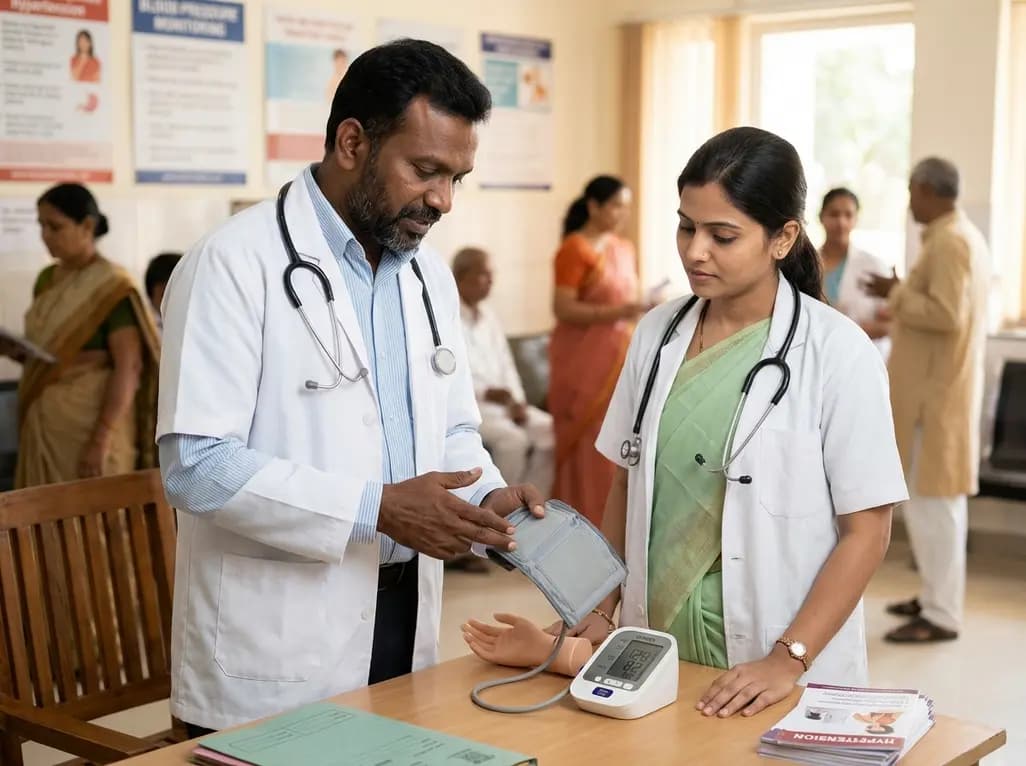
Effective cardiovascular prevention in South Asia requires routine out-of-office blood pressure tracking. In India, home blood pressure monitoring remains heavily underutilised despite the escalating burden of uncontrolled hypertension. Clinicians frequently encounter diagnostic ambiguity when relying exclusively on isolated in-clinic evaluations. Therefore, expanding reliable self-measurement at home offers a transformative clinical approach for early cardiovascular protection nationwide.
Hypertension currently affects more than 300 million individuals across India, representing the primary contributor to myocardial infarction, stroke, and chronic kidney disease. However, public awareness regarding elevated arterial pressure remains alarmingly poor, particularly in rural and semi-urban communities. Epidemiological studies demonstrate that fewer than one-quarter of hypertensive individuals achieve adequate therapeutic control. Consequently, clinical complications often develop silently over several years before detection. Most patients do not experience overt symptoms during early stages of elevated vascular resistance. Furthermore, routine clinical consultations frequently fail to capture diurnal fluctuations and emotional stressors that influence hemodynamic parameters. Recent data reveal that fewer than 5% of Indian households possess a validated digital blood pressure monitor. As a result, physicians must manage chronic vascular risks with very limited longitudinal observational data. Therefore, bridging this diagnostic deficit requires broad population screening alongside widespread home measurement adoption. When families maintain monitoring devices at home, they can participate actively in preventative cardiovascular care. In turn, primary care providers receive objective records to guide timely lifestyle interventions or pharmacological adjustments, ultimately reducing avoidable cardiovascular morbidity.
A persistent barrier to widespread self-monitoring in India has been device affordability and geographic availability. Historically, the Indian market depended heavily on imported digital diagnostic equipment from overseas facilities. However, establishing large-scale domestic manufacturing facilities transforms this dynamic by strengthening local supply chains. The recent launch of full-scale production lines in Chennai marks a substantial step forward for the medical equipment ecosystem. This modern facility aims to manufacture three million digital blood pressure monitors annually by 2028. Initially, the factory will direct its total output toward meeting domestic demand across Indian healthcare sectors. In addition, increasing local component sourcing under national manufacturing initiatives will streamline logistics and lower distribution overheads. Japanese engineering standards and rigorous calibration protocols ensure that domestically assembled units preserve high diagnostic fidelity. Consequently, clinicians can recommend these locally manufactured monitors with clinical confidence. Moreover, robust domestic production mitigates international supply disruptions and stabilizes retail pricing for low-income populations. Therefore, expanding local device assembly directly addresses cardiovascular health equity by placing validated monitors within reach of ordinary households across diverse socioeconomic strata.
Leading cardiology societies, including the Indian Society of Hypertension, emphasize the diagnostic utility of home blood pressure monitoring. In-office measurements often introduce observational bias, whereas home protocols provide reliable readings in the patient's familiar environment. Clinicians should educate individuals to follow a standardized seven-day schedule before routine follow-up appointments. Specifically, patients must take duplicate measurements every morning and evening after resting quietly for five minutes. Healthcare providers then discard the first day readings and calculate the mean values of the subsequent measurements. According to standard clinical consensus guidelines, home readings of 135/85 mmHg or higher indicate established hypertension. This threshold sits lower than the conventional clinic diagnosis cut-off of 140/90 mmHg. Therefore, doctors must apply distinct diagnostic criteria when interpreting patient logs. Furthermore, physicians should insist that patients select only clinically validated oscillometric upper-arm devices rather than unvalidated wrist cuffs. Automated monitors featuring internal memory or mobile connectivity also minimize transcription errors and retrospective falsification. Ultimately, systematic home documentation empowers clinicians to titrate antihypertensive agents safely and attain guideline-directed blood pressure targets consistently, thereby averting long-term end-organ microvascular complications.
Relying solely on office blood pressure evaluations leads to frequent misclassification of vascular status. For instance, white-coat hypertension occurs when an individual exhibits elevated readings exclusively within the healthcare setting. In contrast, masked hypertension presents with normal office measurements despite persistently elevated out-of-office pressures. Both phenomena carry profound therapeutic implications that require accurate diagnostic differentiation. White-coat effects can cause overtreatment, which unnecessarily exposes patients to adverse drug effects like symptomatic hypotension and syncope. Conversely, masked hypertension frequently remains undiagnosed until target organ damage manifests as left ventricular hypertrophy or microalbuminuria. Therefore, regular out-of-office tracking provides the diagnostic clarity needed to guide clinical judgment. When patients log daily home readings, clinicians can distinguish transient stress-induced spikes from sustained arterial hypertension. Additionally, ambulatory and home measurements enable early identification of blunted nocturnal dipping, which independently predicts adverse cardiovascular outcomes. As a result, incorporating structured home protocols prevents therapeutic inertia and curbs excessive drug escalation. Consequently, physicians achieve safer titration pathways while delivering personalized cardiovascular care to high-risk patients across diverse clinical practices, preventing catastrophic cardiovascular events and strokes effectively.
Accurate home tracking depends entirely on rigorous patient adherence to standard measurement techniques. Unfortunately, many users commit simple procedural errors that distort blood pressure readings significantly. Therefore, healthcare providers must provide explicit practical guidance during routine outpatient consultations. First, patients must sit quietly with their feet flat on the floor and their back firmly supported. They must avoid talking, crossing their legs, or consuming caffeine and tobacco for thirty minutes prior to assessment. Moreover, selecting the correct cuff size is essential because an undersized cuff falsely elevates blood pressure values. Patients must place the pneumatic cuff directly over bare skin, positioning the lower edge two centimeters above the antecubital fossa. The monitor cuff should remain level with the right atrium throughout inflation and deflation cycles. In addition, individuals should record all readings systematically in a designated logbook or smartphone application without altering numbers. Physicians must also reassure anxious individuals that mild day-to-day blood pressure variations are entirely physiological. Consequently, structured patient education minimizes measurement artifacts, prevents unnecessary panic, and reinforces sustained compliance with long-term cardiovascular therapy regimens over time.
Q1: Why are diagnostic thresholds lower for home blood pressure monitoring than office measurements?
In-office evaluations frequently induce transient autonomic arousal and white-coat responses, which artificially elevate blood pressure readings. Conversely, home assessments capture readings within a calm, habitual environment free from clinical stress. Consequently, clinical guidelines establish a lower diagnostic threshold of 135/85 mmHg for home measurements, compared to the conventional 140/90 mmHg office cut-off. Furthermore, out-of-office values show stronger prognostic correlation with target organ damage and long-term cardiovascular events than sporadic clinical visits.
Q2: How frequently should hypertensive patients monitor their blood pressure at home?
During initial diagnosis or medication titration phases, patients should measure blood pressure twice daily—once in the morning and once in the evening—for seven consecutive days. However, once blood pressure reaches stable therapeutic targets, clinicians generally advise reducing the frequency to one or two days per week. This structured regimen prevents patient anxiety while providing adequate longitudinal data for clinical reviews and treatment decisions during routine follow-up consultations.
Q3: Why do clinical guidelines prefer upper-arm automated monitors over wrist devices?
Upper-arm automated oscillometric monitors provide superior accuracy and diagnostic reproducibility compared to wrist monitors. Wrist devices are exceptionally sensitive to hydrostatic pressure variations and body positioning errors relative to the heart level. Furthermore, arterial tone and flexion artifacts at the wrist introduce significant measurement inaccuracy. Therefore, major international and Indian hypertension guidelines uniformly recommend validated upper-arm monitors for routine clinical management and reliable patient home monitoring.
Disclaimer: This content is for informational and educational purposes only. It does not constitute medical advice or replace professional judgment. Refer to the latest local and national guidelines for clinical practice.
References

Read summarized clinical updates, watch expert medical content, and earn CME certifications right from your smartphone.
Open your smartphone camera to scan and install.





With hypertension affecting over 300 million adults in India and household monitor penetration remaining under 5%, local manufacturing expansion of validated oscillometric devices marks a pivotal shift. This overview explores clinical protocols, diagnostic thresholds, and strategies to improve hypertension control.
Today
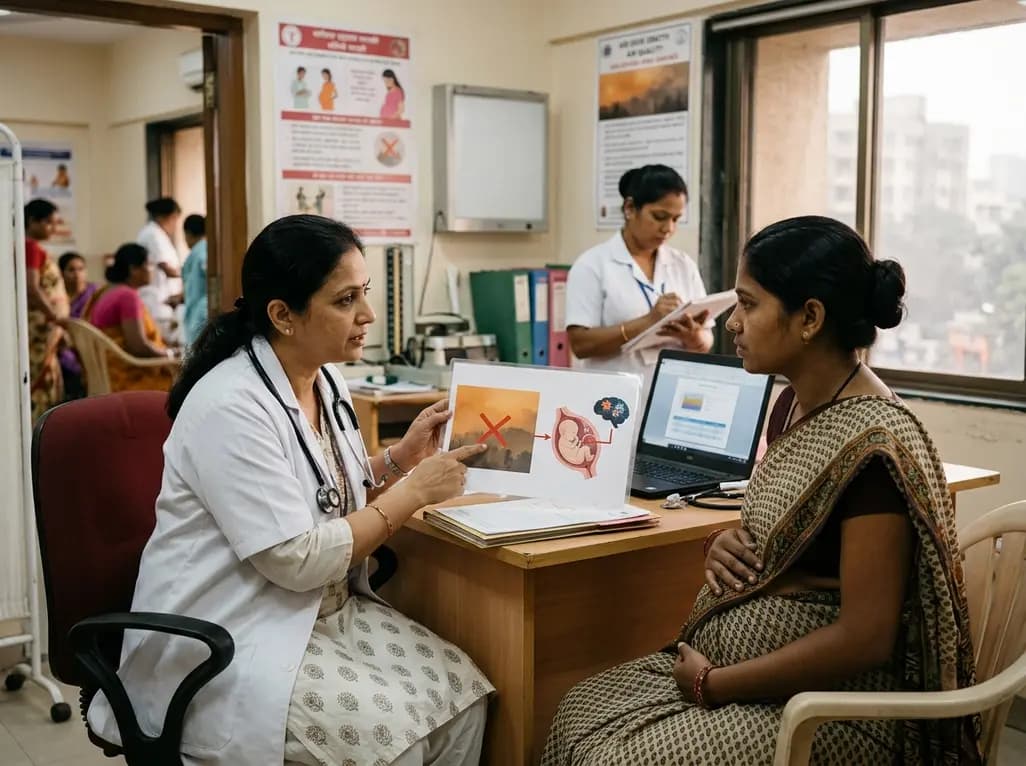
A nationwide cohort study published in JAMA Pediatrics reveals that maternal exposure to wildfire fine particulate matter, especially in late pregnancy, is linked to an elevated risk of childhood autism. Clinicians should evaluate ambient air quality risks and provide proactive protective counseling to mothers.
Yesterday
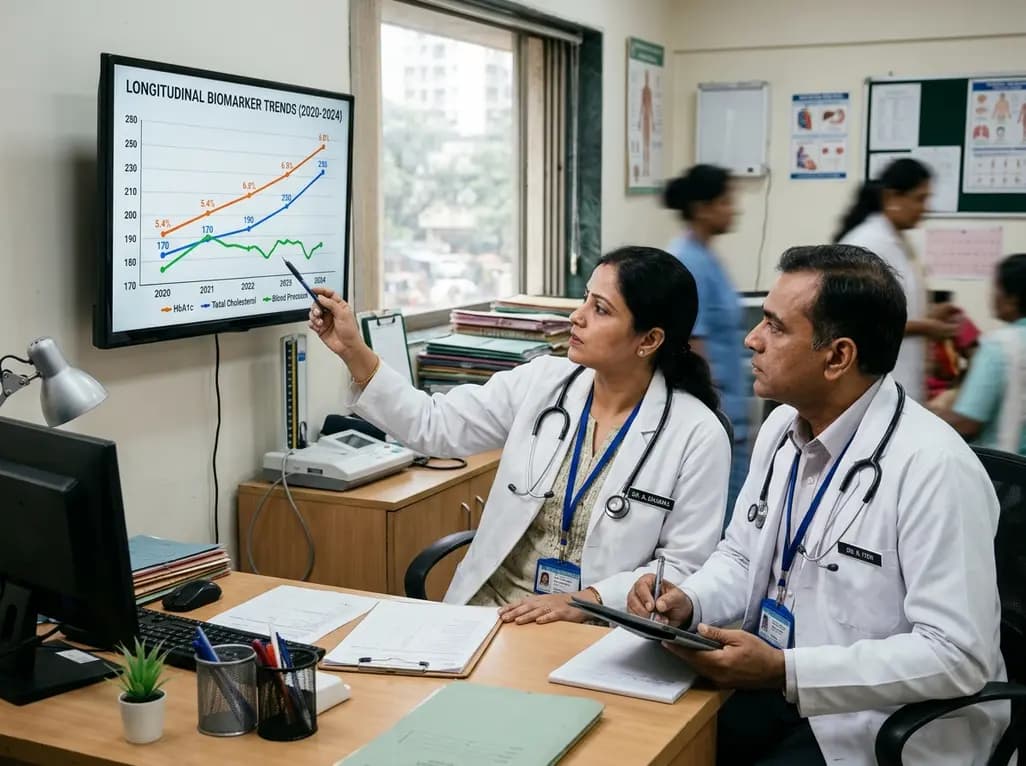
Annual health checks only offer static snapshots. Real-world evidence from 2.1 million insured Indians reveals that tracking dynamic biomarker trends over time enables clinicians to spot evolving cardiometabolic risks early, reverse borderline pathology, and deliver tailored preventive interventions.
Yesterday
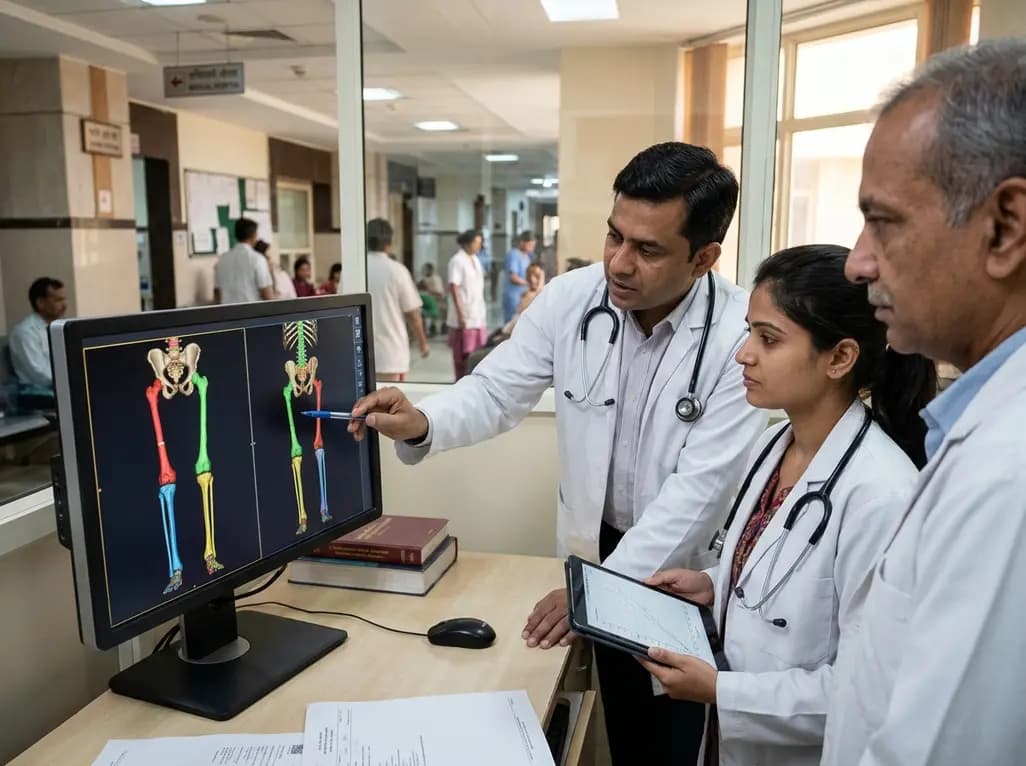
Modern 3D anthropometry reveals that pediatric leg growth ceases years before spinal elongation, exposing the clinical illusion of the classical Anderson-Green model. Learn how segmental growth dissociation improves surgical timing for epiphysiodesis in adolescent leg length discrepancy.
3 days back

With packaged goods giant HUL backing FSSAI's proposed front-of-pack red warning labels for foods high in fat, sugar, and salt, India takes a major step toward curbing non-communicable diseases. Learn how clearer nutrition disclosures empower clinicians, inform consumer choices, and drive dietary reform.
Yesterday
