.webp&w=384&q=75)

Loading, please wait...
Loading, please wait...

The US Department of Health and Human Services (HHS) recently announced a formal search for new nominees. This move aims to revitalize the Preventive Services Task Force, which has remained inactive for over a year. Consequently, Secretary Robert F. Kennedy Jr. expressed serious concerns regarding the panel's recent performance. He described the current state of the task force as lackadaisical during a House committee hearing earlier this month. Moreover, the delay in appointing new members has stalled vital updates for clinical practice.
This influential panel determines which medical screenings are provided at no cost to patients. However, the task force has not met for more than twelve months. Because of this gap, five volunteer terms expired without any immediate replacements. New nominations are now being accepted through May 23. Furthermore, the agency seeks experts in oncology, cardiology, pediatrics, and health economics. Clinicians in these fields play a vital role in shaping preventive care frameworks.
Medical experts warn that sidelining this panel carries significant risks. Specifically, it delays critical updates to cancer and heart disease screening guidelines. Since these standards influence global practices, clinicians in various regions must stay informed. Additionally, the HHS emphasizes the need for diverse expertise to fill these roles. The involvement of family medicine and obstetrics specialists remains a top priority for the department.
Q1: Why are new members being sought for the task force?
Terms for five previous volunteers expired, and the panel has not met for over a year, causing a backlog in screening updates.
Q2: Which specialties are eligible for nomination to the panel?
The HHS is seeking clinicians and researchers in cardiology, oncology, pediatrics, family medicine, and health economics, among others.
Q3: How does this panel affect patient care costs?
The task force decides which preventive medical services must be provided to patients at no cost under insurance coverage rules.
Disclaimer: This content is for informational and educational purposes only. It does not constitute medical advice or replace professional judgment. Refer to the latest local and national guidelines for clinical practice.
References

Read summarized clinical updates, watch expert medical content, and earn CME certifications right from your smartphone.
Open your smartphone camera to scan and install.





US HHS Secretary RFK Jr. calls for new nominees for the Preventive Services Task Force to address delays in cancer and heart disease screening guidelines....
5 months ago

Following regulatory scrutiny from FSSAI regarding promotional representations and lean muscle preservation claims, Dr. Reddy's Laboratories and Nestlé Health Science are currently reviewing the branding and marketing strategy for their joint nutritional supplement Celevida GLP+.
Today
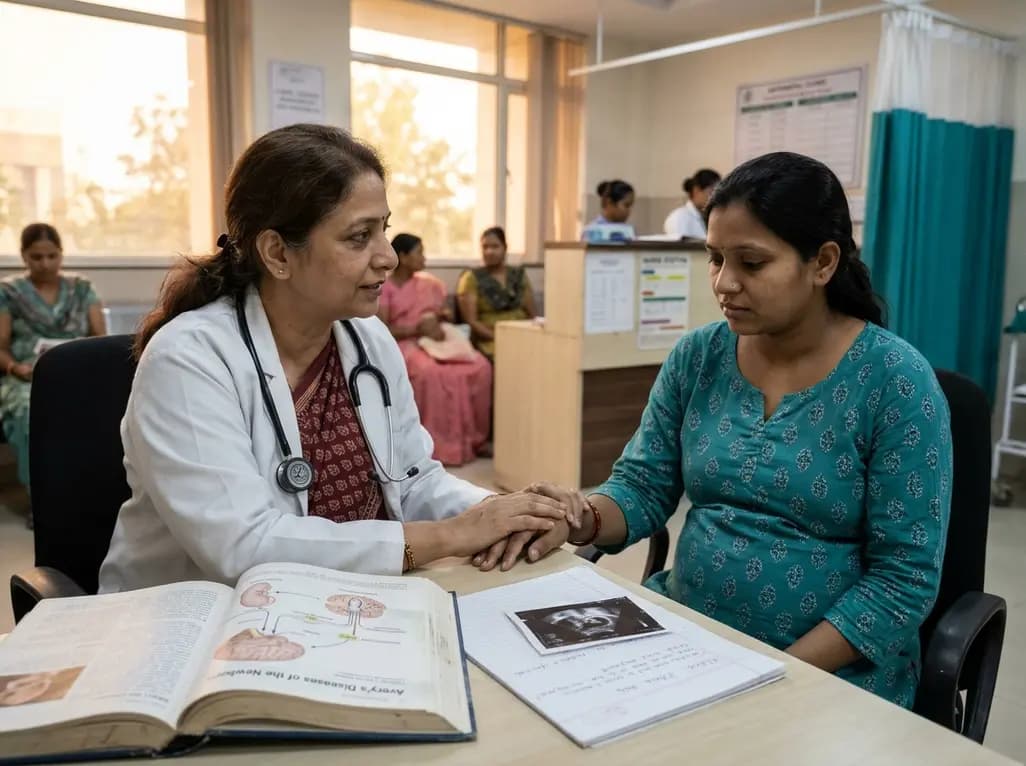
A comprehensive scoping review synthesises evidence linking prenatal maternal mental health to long-term offspring neurodevelopment, evaluating neuroendocrine, inflammatory, and epigenetic pathways while highlighting clinical screening and future research priorities.
Today

The Directorate General of Health Services directs Indian states to halt the hazardous reuse and reprocessing of single-use medical devices. Discover regulatory implications under the Drugs and Cosmetics Act, critical infection risks, legal liabilities, and operational changes required across clinical specialties.
Today
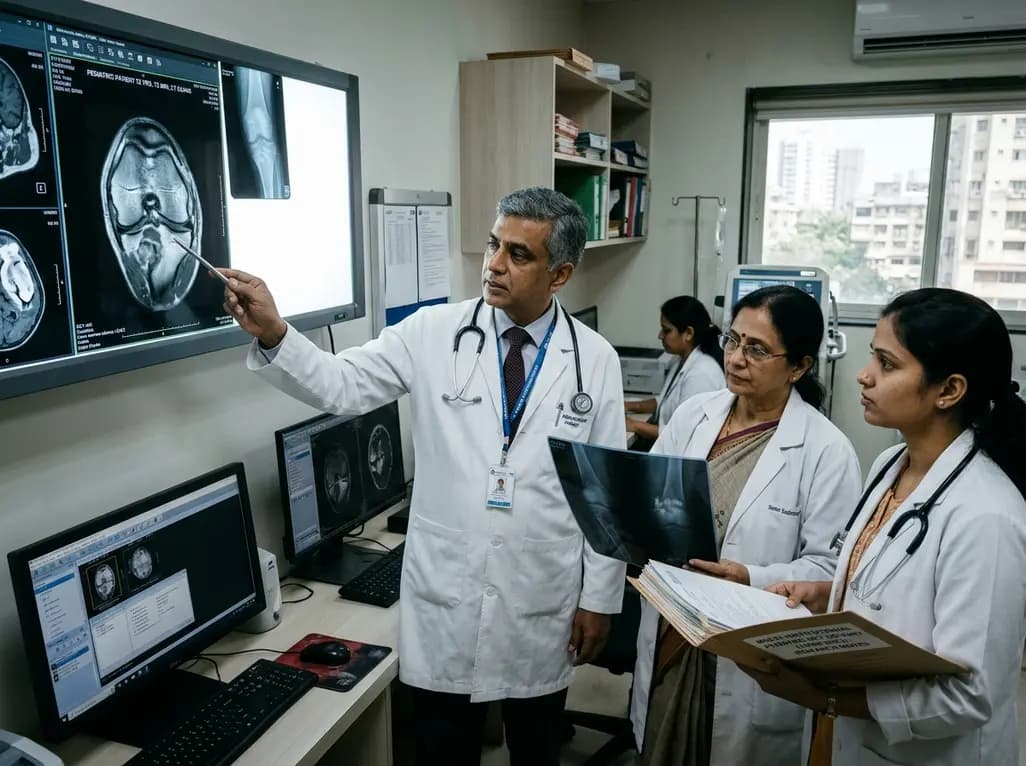
A 25-year multi-institutional cohort reveals high recurrence rates in pediatric giant cell tumor of bone, particularly in patients with open physes and bone marrow edema on preoperative MRI. Early surveillance and careful balance between growth plate preservation and tumor clearance are essential.
Today

India is advancing preventive healthcare by integrating genomics, artificial intelligence, and quantum technologies. With the SANGAM programme sequencing one million Indian genomes, clinicians can unlock personalized therapies, detect cardiometabolic risks early, and curb the burden of diabetes and heart disease.
Today
