.webp&w=384&q=75)

Loading, please wait...
Loading, please wait...
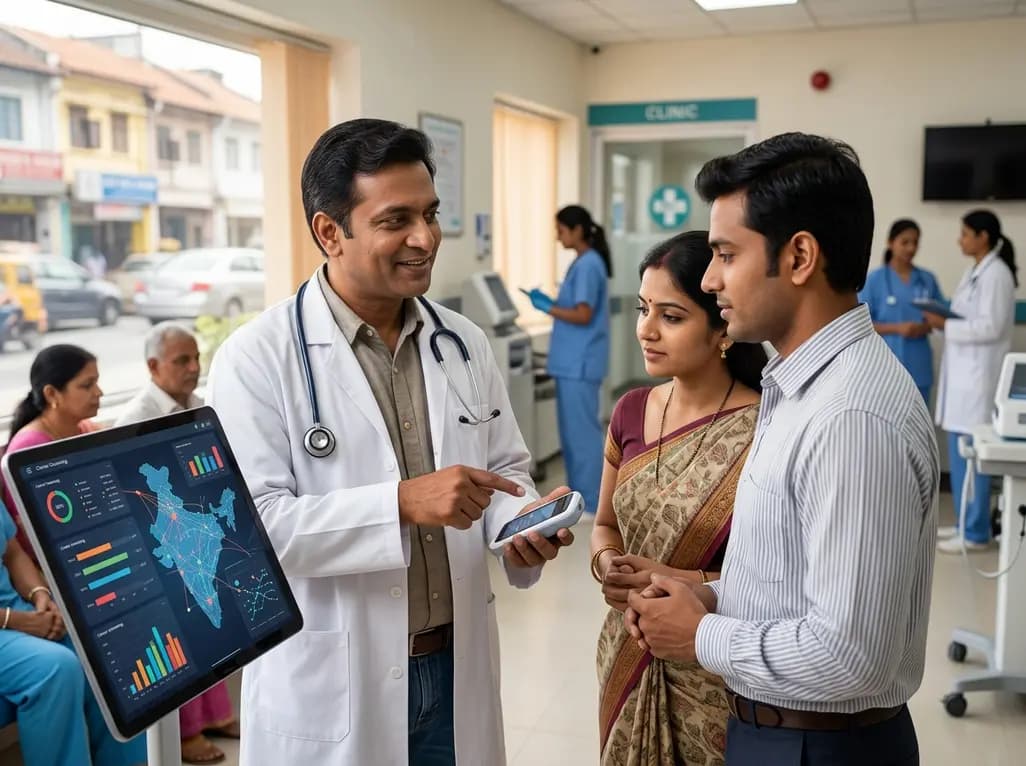
Most global cancer research originates in high-income nations. Consequently, this medical data often fails to represent the unique demographic structures of the Global South. For this reason, a strategic shift toward preventive oncology in India is highly essential. By implementing localized prevention strategies, Indian clinicians can address the country's unique oncological profile more effectively.
Currently, India bears nearly one-third of the global cancer burden. However, local contributions to global prevention and detection evidence remain modest. Indeed, the nation's cancer profile features younger patients who often receive late-stage diagnoses. To combat this trend, preventive oncology in India must take center stage. This proactive specialty focuses on modifying risk factors before malignancies develop. In addition, it integrates targeted, risk-based screenings into primary healthcare. Consequently, primary care clinics can detect cancers early, thereby improving survival rates and reducing healthcare costs.
Tobacco use contributes significantly to oral oncological cases, accounting for nearly 33% of all diagnoses. Furthermore, global bodies recognize alcohol as a Group 1 carcinogen that drives several malignancies. Meanwhile, urban regions are witnessing a surge in lifestyle-related cancers, such as breast and colorectal malignancies. Sedentary habits, obesity, and dietary changes typically drive these specific cancers. Consequently, promoting daily physical activity and healthy nutrition forms a vital part of oncological care. In addition, clinicians must emphasize tobacco cessation as a primary preventive strategy.
Clinical data remains indispensable for designing structured public health programs. For instance, the National Non-Communicable Diseases Portal tracks screening and referral pathways nationwide. This powerful digital solution, built through public-private partnerships, streamlines follow-up procedures within primary care. Consequently, clinicians can monitor patients efficiently across different levels of the healthcare system. Furthermore, these integrated data ecosystems establish a reliable foundation for evidence-driven prevention campaigns. Therefore, expanding such digital tools will allow India to scale its cancer prevention efforts successfully.
Q1: Why is preventive oncology in India more critical than adopting Western treatment models?
High-income nations provide the clinical data that guides most Western treatment models. However, India's population has distinct lifestyles, environmental exposures, and younger presentation ages. Therefore, localized prevention strategies are far more cost-effective and clinically relevant for the Indian context.
Q2: What role does the National NCD Portal play in cancer prevention?
This digital platform enables the systematic recording of patient screenings, referrals, and follow-ups. Consequently, it creates a robust data ecosystem that supports continuity of care and helps healthcare providers track high-risk individuals over time.
Disclaimer: This content is for informational and educational purposes only. It does not constitute medical advice or replace professional judgment. Refer to the latest local and national guidelines for clinical practice.
References

Read summarized clinical updates, watch expert medical content, and earn CME certifications right from your smartphone.
Open your smartphone camera to scan and install.





An insightful look into how India can leverage preventive oncology and structured digital tools to transform public health and reduce the rising cancer burd...
3 months ago
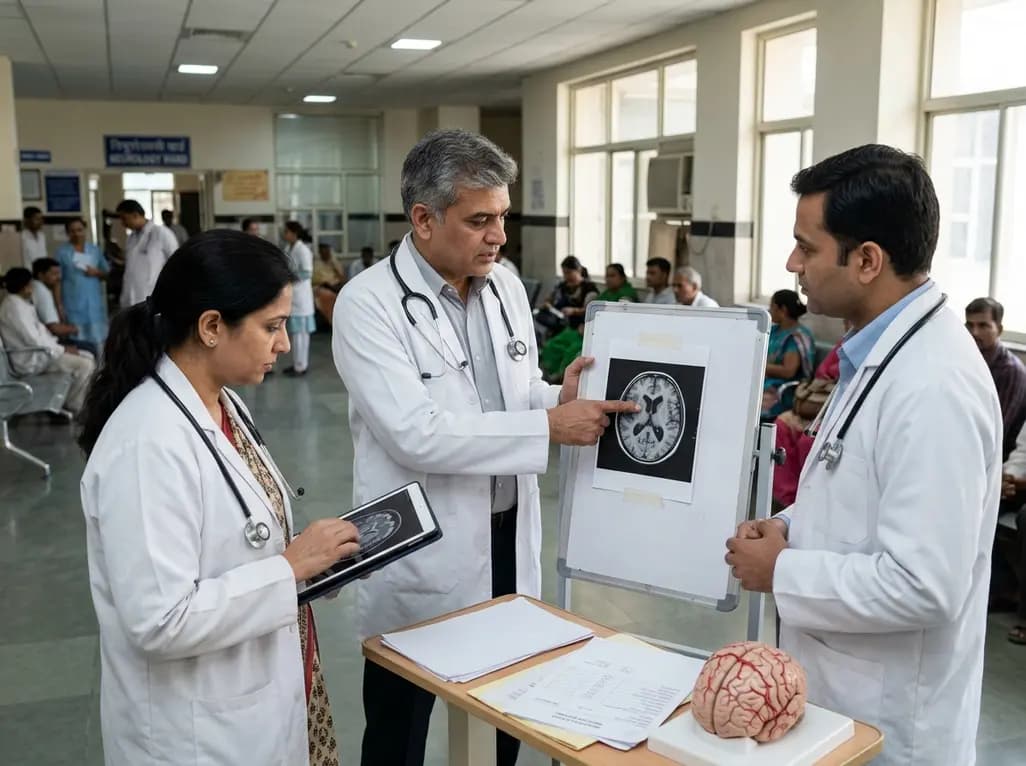
A new study reveals that lipid-related metabolic dysregulation, marked by elevated TG/HDL-C ratio and glymphatic changes, independently impacts survival in idiopathic normal pressure hydrocephalus.
Today
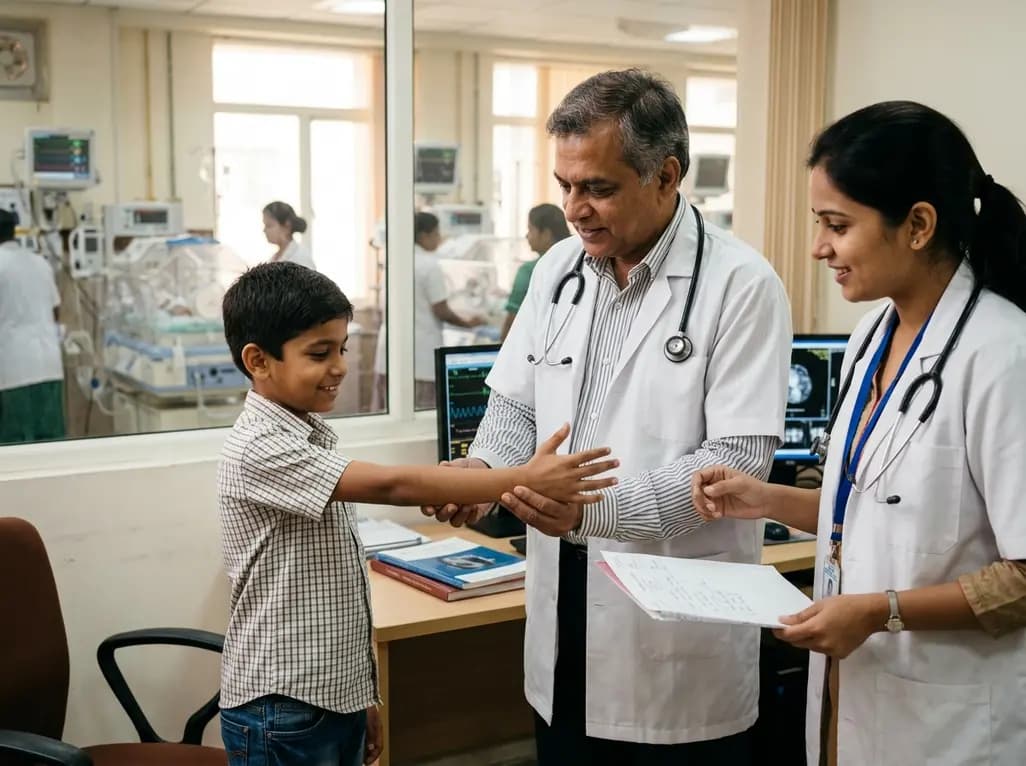
A premature neonate developed upper limb compartment syndrome after uterine rupture extruded the arm through a scar defect. Conservative management with continuous monitoring yielded complete functional recovery and normal limb growth at 10-year follow-up, highlighting non-operative safety in selected cases.
Today
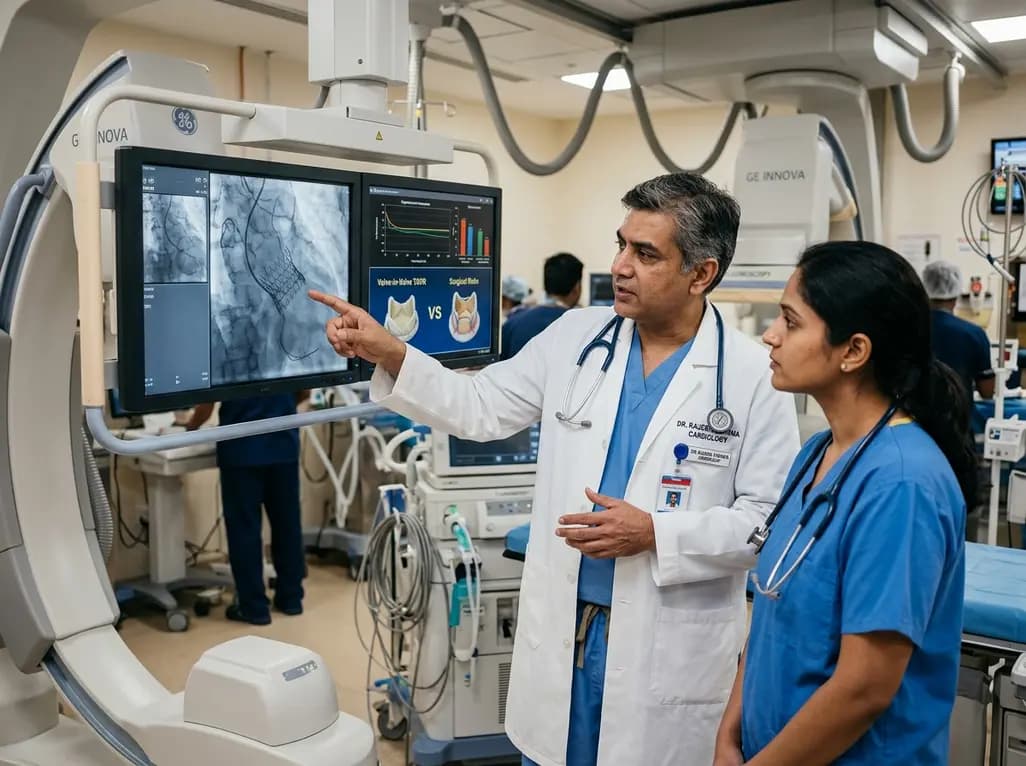
A meta-analysis of 13 propensity score-matched studies shows ViV-TAVR delivers lower early mortality and reduced bleeding compared to redo-SAVR for degenerated bioprosthetic aortic valves, though long-term hemodynamics warrant careful anatomical and patient-centered evaluation.
Today
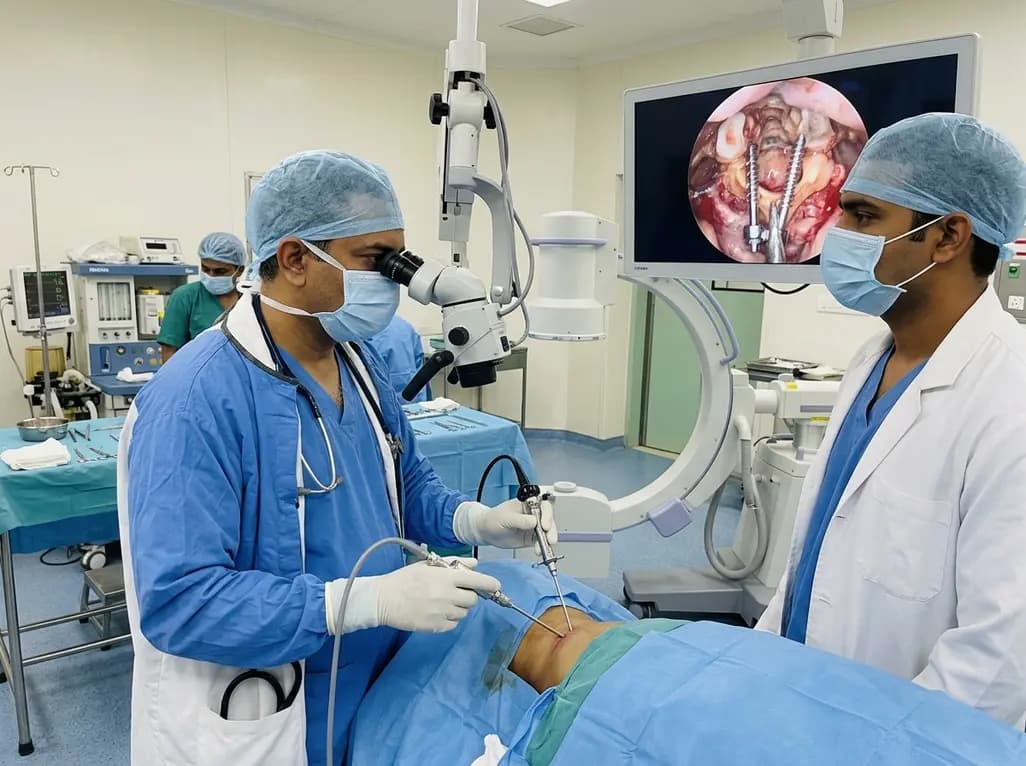
Endoscopic posterior cervical fusion combines minimally invasive decompression, joint preparation, and rigid screw-rod fixation for atlantoaxial pathologies. Early clinical findings demonstrate solid bony union, excellent symptom relief, and minimal soft-tissue morbidity without significant vascular compromise.
Yesterday
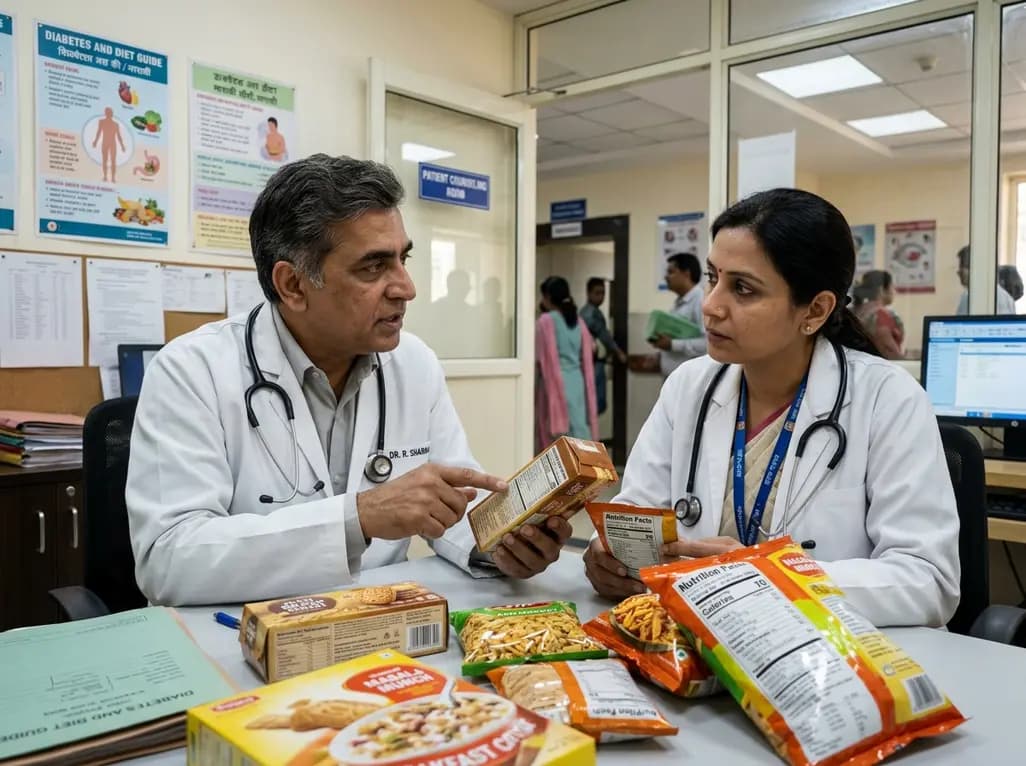
The All-India Food Processors' Association has approached the Supreme Court to oppose FSSAI's proposed per-100g benchmark for front-of-pack warning labels, advocating instead for a per-serving threshold. We explore the regulatory showdown, nutritional evidence, and implications for clinical lifestyle counseling.
Today
