.webp&w=384&q=75)

Loading, please wait...
Loading, please wait...
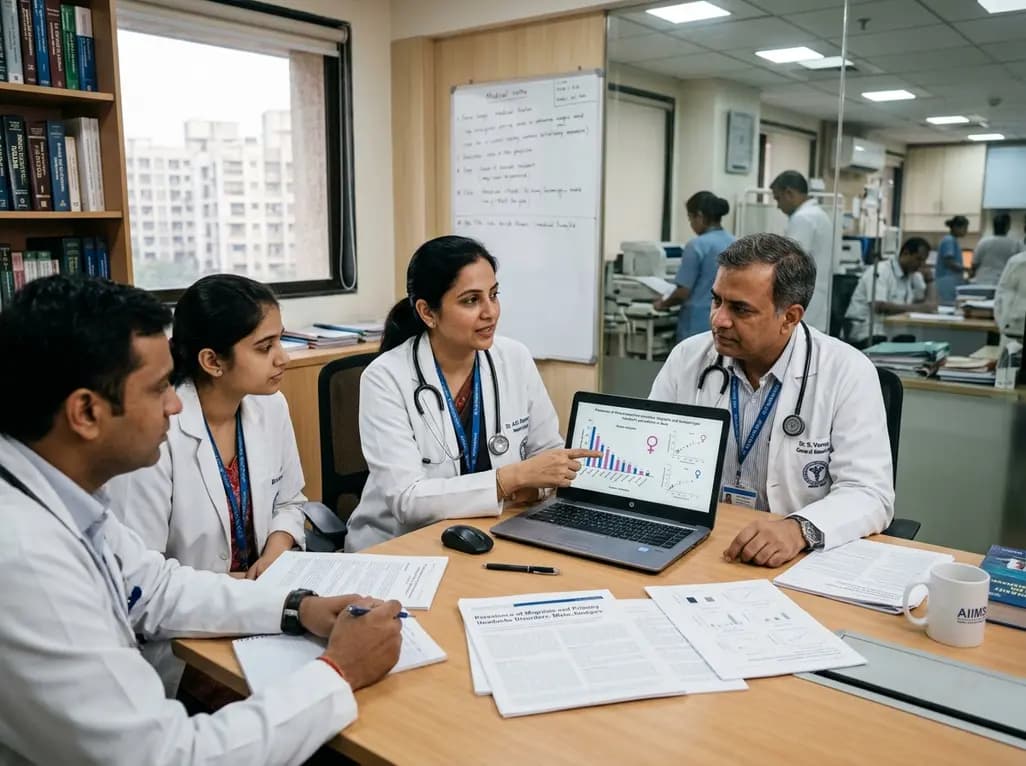
Primary headache disorders represent a formidable public health challenge across modern societies. Neurological symptoms disrupt daily life, reduce workplace productivity, and generate substantial economic strain. Although these conditions appear frequently in outpatient neurology and primary care clinics worldwide, epidemiological clarity has historically remained elusive across various Asian territories. A comprehensive systematic review and meta-analysis published in Neuroepidemiology has synthesized decades of data to delineate the true epidemiological footprint of these debilitating conditions in China. By analyzing studies spanning from 1988 through 2023, investigators evaluated long-term patterns, demographic distributions, and distinct clinical profiles across millions of surveyed participants.
To establish accurate pooled benchmarks, researchers scrutinized peer-reviewed literature across Chinese and international biomedical databases, including PubMed, MEDLINE, CNKI, and Wanfang. The final meta-analysis incorporated eighteen rigorous population studies evaluating primary headache disorders. Investigators applied a random-effects model to manage inter-study heterogeneity and determine robust pooled estimates. Consequently, the analysis revealed that the overall pooled prevalence of tension-type headache reached 13.4%, whereas migraine affected 6.1% of the population. Although cluster headache demonstrated a far lower occurrence at 0.0068% in an extensive cohort exceeding 3.4 million individuals, its excruciating clinical presentation makes prompt recognition essential.
Subgroup analyses indicated that geographic terrain, diagnostic protocols, and demographic factors notably influenced prevalence values. Historically, earlier epidemiological assessments often underreported benign headache forms due to variable diagnostic criteria. Furthermore, diagnostic consistency substantially improved following the adoption of International Classification of Headache Disorders guidelines. Therefore, modern investigative methods provide a far clearer perspective on how widespread these debilitating illnesses truly are across urban and rural demographics alike.
One of the most striking observations from this comprehensive review involves the temporal escalation of headache frequency over the past three decades. Specifically, between 1988 and 1999, the recorded prevalence of migraine stood at only 1.3%, while tension-type headache measured 5.0%. In contrast, data gathered from 2000 through 2023 demonstrated a steep rise. During this contemporary era, migraine prevalence climbed to 7.0%, while tension-type headache expanded to 13.2%. Hence, the data clearly indicate a noticeable surge in symptomatic primary headaches over time.
Multiple socioeconomic and environmental factors likely explain this progressive upward shift. Rapid industrial transition, prolonged visual strain from digital workstations, altered sleep architectures, and heightened occupational demands heavily burden working-age adults. Similarly, clinicians observe analogous trends in fast-growing urban centers across India, where contemporary lifestyles precipitate frequent neurological complaints. In addition, improved clinical health literacy has encouraged patients to report recurrent episodes rather than silently enduring chronic discomfort. Therefore, this upward trajectory reflects both genuine lifestyle modifications and elevated diagnostic reporting.
The meta-analysis clearly reaffirmed the pronounced female vulnerability characteristic of neurovascular pain syndromes. Across all reviewed time periods, the weighted-pooled prevalence of both migraine and tension-type headache remained significantly higher in females compared to males. Hormonal fluctuations involving circulating estrogen play an established mechanistic role in triggering neurovascular inflammation and cortical spreading depression. Consequently, women navigate distinct biological susceptibility during menarche, reproductive periods, and perimenopause.
Beyond endocrine drivers, psychosocial factors and disproportionate domestic caregiving burdens exacerbate stress profiles among women. Clinicians frequently encounter secondary central sensitization in female patients whose early episodic headaches went unmanaged. Subgroup evaluations further identified age-specific clustering, with peak frequencies concentrating in individuals between 30 and 49 years old. Because this age bracket represents peak economic and familial productivity, unmanaged symptoms compromise personal livelihoods and community health. Recognizing these sex-linked patterns enables clinicians to offer proactive, customized interventions before episodic pain transitions into chronic intractable disability.
Accurate clinical stratification between migraine, tension-type headache, and rarer trigeminal autonomic cephalalgias remains vital for successful therapy. Tension-type headaches typically manifest with bilateral, non-pulsatile, dull tightness without significant sensory sensitivities. In contrast, migraine involves moderate to severe unilateral throbbing pain, commonly aggravated by physical exertion, nausea, photophobia, and phonophobia. Unfortunately, overlapping presentations frequently complicate real-world evaluations in busy outpatient consulting rooms.
Moreover, physicians must maintain vigilance for red-flag symptoms that indicate secondary headache etiologies. Systemic symptoms, neurological deficits, sudden thunderclap onset, advanced age at onset, and changing pattern (SNOOP criteria) require urgent neuroimaging and systemic investigation. Furthermore, excessive usage of over-the-counter analgesics often transforms an uncomplicated episodic headache into a persistent medication-overuse headache. To prevent this destructive cycle, clinicians must conduct meticulous medication reconciliations during every appointment. Educating individuals on early symptom tracking helps distinguish underlying pathophysiological patterns and avert chronic refractory neurological illness.
The findings from this nationwide Chinese synthesis carry deep clinical relevance for practitioners across South Asia, particularly in India, where demographic transitions run parallel. Both nations feature dense, expanding urban populations encountering escalating workplace pressures, irregular sleep schedules, and shifting dietary habits. Large community-based studies conducted in India similarly confirm high burdens of undiagnosed migraine and pervasive tension-type headaches, especially among young working professionals and homemakers.
Addressing this dual epidemiological burden demands a comprehensive management approach integrating pharmacological and lifestyle modalities. Acute therapy requires timely deployment of stratified options, ranging from simple nonsteroidal anti-inflammatory agents to selective 5-HT1B/1D receptor agonists (triptans). When attacks occur frequently or impair function, clinicians should initiate prophylactic agents, including beta-blockers, topiramate, flunarizine, amitriptyline, or newer calcitonin gene-related peptide (CGRP) antagonists. Simultaneously, physicians must emphasize lifestyle modifications, including consistent sleep hygiene, routine hydration, structured meal schedules, and stress management practices. Integrating these multifaceted strategies ensures sustained clinical control and elevates the daily quality of life for suffering patients.
The observed increase from 1.3% before 2000 to 7.0% in recent decades reflects a combination of modern lifestyle stressors, widespread computer screen usage, shifting sleep routines, and higher diagnostic awareness. Standardized clinical criteria also prompted better detection and reporting in epidemiological surveys.
Biological fluctuations in circulating sex hormones, particularly estrogen withdrawal, alter neurovascular reactivity and lower the threshold for cortical spreading depression. Furthermore, complex interactions between hormonal factors, genetic vulnerabilities, and higher cumulative daily stress amplify headache susceptibility in women throughout reproductive years.
Physicians can prevent chronification by prescribing targeted acute therapies early, limiting analgesic intake to under ten to fifteen days monthly, and initiating prophylactic medications when episodes exceed three to four days monthly. Encouraging lifestyle modifications and consistent headache diaries also mitigates progression risks.
Disclaimer: This content is for informational and educational purposes only and does not constitute medical advice, diagnosis, or treatment recommendations. Healthcare professionals should exercise independent clinical judgment. Refer to the latest local and national guidelines for clinical practice.
References
Zhang Y et al. Prevalence of Migraine and Other Types of Primary Headache in China: A Systematic Review and Meta-Analysis. Neuroepidemiology. 2026. doi: 10.1159/000543086. PMID: 39999811.
Yu S, Liu R, Zhao G, Yang X, Qiao X, Feng J, et al. The prevalence and burden of primary headaches in China: a population-based door-to-door survey. Headache. 2012;52(4):582-591. doi: 10.1111/j.1526-4610.2011.02061.x.
Collaborators GBDH. Global, regional, and national burden of migraine and tension-type headache, 1990-2016: a systematic analysis for the Global Burden of Disease Study 2016. Lancet Neurol. 2018;17(11):954-976. doi: 10.1016/S1474-4422(18)30322-3.

Read summarized clinical updates, watch expert medical content, and earn CME certifications right from your smartphone.
Open your smartphone camera to scan and install.





A systematic review and meta-analysis reveals rising trends in the prevalence of migraine and tension-type headache in China, with marked female predominance. The findings offer valuable comparative insights for clinical practice and public health strategies managing primary headache disorders across Asian populations.
last month

Review how tailored exercise programs benefit frail older patients with heart failure. Explore pathophysiological mechanisms, individualized training prescriptions, and strategies to overcome adherence barriers in clinical practice.
Today

Leucine Rich Bio has introduced South Asia's first comprehensive vaginal microbiome test, BugSpeaks. By profiling microbial dysbiosis, pathogens, and antimicrobial resistance, this next-generation diagnostic platform provides clinicians with deeper insights into recurrent infections, fertility, and reproductive health.
Today

In high-risk pulmonary embolism complicated by severe anemia and active uterine bleeding, systemic thrombolysis is contraindicated. Large-bore aspiration thrombectomy provides rapid hemodynamic rescue without fibrinolysis, supported by inferior vena cava filter placement and multidisciplinary critical care.
Today

This comparative study evaluates posterior labral tears with and without glenohumeral instability, highlighting distinct demographic patterns, MRI underestimation in stable shoulders, and successful arthroscopic repair outcomes.
Today

A clinical study demonstrates that early intervention with tocilizumab, either as monotherapy or bridged with corticosteroids, achieves significant proptosis reduction and resolves active inflammation in treatment-naive thyroid eye disease.
Today
