.webp&w=384&q=75)

Loading, please wait...
Loading, please wait...
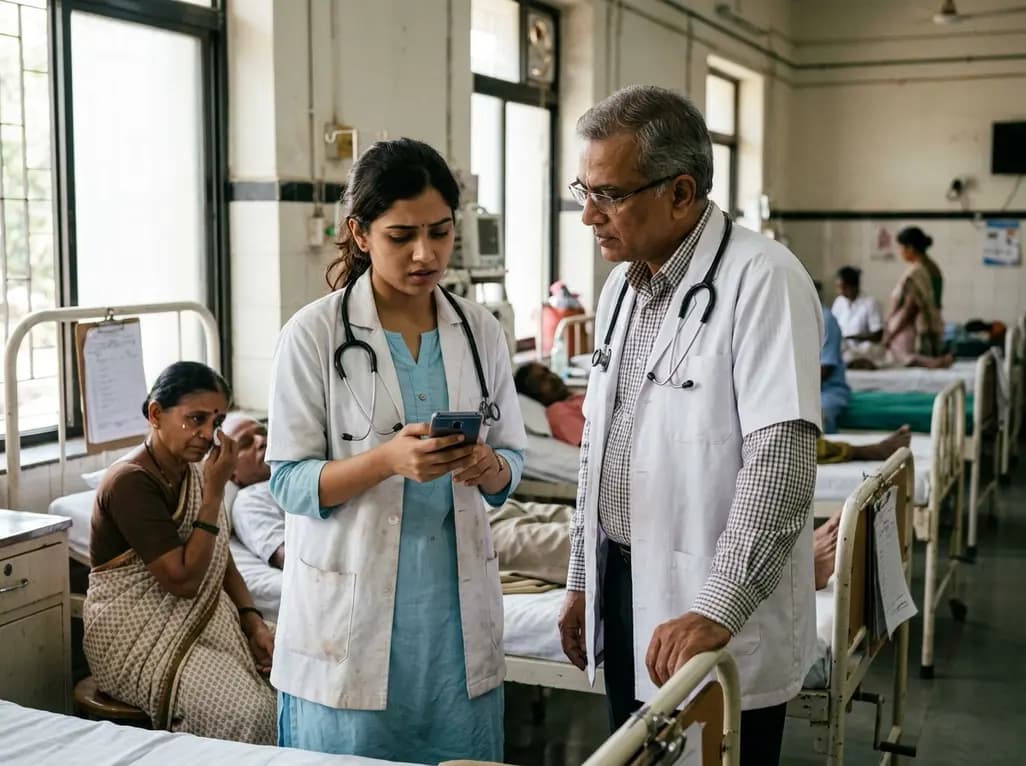
Pressure injuries (PIs) represent a significant hurdle for patients and clinicians alike. Recently, a study used social media listening (SML) to uncover real-world pressure injury management challenges. Consequently, researchers captured candid accounts that traditional clinical trials often overlook.
Social media users, including patients and caregivers, frequently share their struggles online. Specifically, the study analyzed 666 relevant posts from platforms like Reddit and YouTube. Most users expressed deep frustration regarding how these injuries occur and the subsequent care they receive.
The analysis identified three primary themes. First, individuals experience massive physical and functional disruptions in their daily lives. Second, many users highlighted a critical shortage of education and social support. Finally, emotional responses like anger and sadness were prevalent among both patients and their families.
Interestingly, nearly 30% of reported injuries happened within hospital settings. Many users attributed these occurrences to a perceived lack of diligence from healthcare providers. Therefore, clinicians must focus on person-centered strategies to improve outcomes and safety.
In addition, local wound care was frequently discussed as a primary management tactic. However, caregivers often felt ill-equipped to handle complex wounds at home. Furthermore, addressing these pressure injury management challenges requires robust policy changes and better communication between medical teams and families.
Social media listening is a tool that captures firsthand, candid accounts from patients and caregivers. It provides insights into lived experiences that are often irreproducible in controlled clinical studies.
Many patients attribute injuries to a perceived lack of attention from providers. Factors like immobility and inadequate repositioning protocols often contribute to these complications.
Clinicians should adopt person-centered care practices. This includes offering better emotional support, clear wound management education, and addressing the physical barriers patients face daily.
Disclaimer: This content is for informational and educational purposes only. It does not constitute medical advice or a professional relationship. Refer to the latest local and national guidelines for clinical practice.
References
Song JZ et al. Using Social Media Listening to Understand the Pressure Injury Experience: A Qualitative Descriptive Study. JMIR Nurs. 2026 Jun 16. doi: 10.2196/76682. PMID: 42302309.
Ahuja M, et al. Prevalence of pressure ulcers in Indian hospitals: A systematic review. Indian Journal of Plastic Surgery. 2021.
Haesler E, et al. An exploration of the perspectives of individuals and their caregivers on pressure ulcer/injury prevention and management to inform the development of a clinical guideline. Journal of Tissue Viability. 2024.

Read summarized clinical updates, watch expert medical content, and earn CME certifications right from your smartphone.
Open your smartphone camera to scan and install.





A study using social media listening reveals significant pressure injury management challenges, including poor hospital care and emotional distress. It highlights the urgent need for person-centered care and better caregiver support to address these real-world burdens for patients.
4 months ago

As monsoon seasons elevate arboviral disease threats, Tamil Nadu has initiated an ICMR-monitored evaluation of the tetravalent dengue vaccine in Tenkasi district. Clinicians emphasize clinical monitoring, public prevention, and high-quality early pediatric care to reduce disease morbidity across endemic regions.
Today

Leucine Rich Bio has introduced South Asia's first comprehensive vaginal microbiome test, BugSpeaks. By profiling microbial dysbiosis, pathogens, and antimicrobial resistance, this next-generation diagnostic platform provides clinicians with deeper insights into recurrent infections, fertility, and reproductive health.
Today

Review how tailored exercise programs benefit frail older patients with heart failure. Explore pathophysiological mechanisms, individualized training prescriptions, and strategies to overcome adherence barriers in clinical practice.
Today

This comparative study evaluates posterior labral tears with and without glenohumeral instability, highlighting distinct demographic patterns, MRI underestimation in stable shoulders, and successful arthroscopic repair outcomes.
Today

A clinical study demonstrates that early intervention with tocilizumab, either as monotherapy or bridged with corticosteroids, achieves significant proptosis reduction and resolves active inflammation in treatment-naive thyroid eye disease.
Today
