.webp&w=384&q=75)

Loading, please wait...
Loading, please wait...

Hypospadias represents one of the most common congenital anomalies affecting male newborns globally, characterized by an abnormally positioned urethral opening. Traditionally, clinicians attributed this anatomical defect primarily to genetic predispositions or localized hormonal insufficiencies. However, recent scientific inquiries heavily focus on the role of environmental pollutants, particularly prenatal EDC exposure, in rising incidence rates. This shift in pediatric urology highlights how external chemical interferences disrupt critical masculinization windows during early gestation. Consequently, understanding these environmental triggers is essential for modern maternal healthcare, pediatric guidance, and preventive urological strategies.
To properly address this clinical challenge, healthcare providers must first recognize the phenotypic variations of hypospadias. This congenital condition occurs when the urethral opening develops on the ventral aspect of the penis rather than at the glans tip. In many clinical presentations, the defect is accompanied by a downward curvature of the penis, known as chordee, and an underdeveloped, hooded prepuce. Pediatricians typically diagnose the condition during routine neonatal examinations, allowing for timely surgical planning and referral. Fortunately, early intervention between nine months and two years of age yields excellent long-term cosmetic and functional outcomes. However, when complex cases present with severe proximal urethral displacement, surgeons must utilize staged reconstructive techniques. While surgery remains highly successful, the rising baseline incidence urges researchers to look beyond simple genetic inheritance. Consequently, urologists are collaborating with environmental scientists to explore broader systemic influences. Understanding these factors can help clinicians offer better prenatal counseling and identify high-risk maternal cohorts. Therefore, a comprehensive grasp of clinical presentation and potential environmental etiologies is crucial for pediatric urologists.
The development of male external genitalia relies heavily on a precise cascade of hormonal signals during early pregnancy. Specifically, a critical masculinization programming window occurs between the eighth and sixteenth weeks of gestation. During this phase, the fetal testes produce sufficient levels of androgens, particularly testosterone and dihydrotestosterone. These male hormones bind to androgen receptors, orchestrating the fusion of the urethral folds and the formation of the penis. However, any disruption to this localized hormonal environment can halt normal urethral tubulization, resulting in hypospadias. Genetic variations can certainly impair receptor sensitivity or disrupt hormone synthesis pathway enzymes. Nevertheless, non-genetic factors are increasingly implicated in altering this delicate endocrine balance. When external chemical agents interfere with these natural hormone pathways, they can mimic or block essential signals. Consequently, even minor variations in hormone concentrations during this narrow gestational window can lead to permanent structural anomalies. Understanding this biological vulnerability is key to realizing how modern pollutants impact fetal development. Therefore, medical professionals must educate families about the sensitivity of early embryonic development to external chemicals.
Environmental pollutants represent a major modern threat to fetal development, with prenatal EDC exposure emerging as a primary urological concern. Endocrine-disrupting chemicals (EDCs) are widespread in our modern environment, contaminating food, water, air, and everyday consumer products. Specifically, these substances are frequently found in plastics, agricultural pesticides, industrial runoffs, and heavy traffic emissions. Once they enter the maternal circulation, these lipophilic compounds easily cross the placental barrier. Consequently, they interact directly with the developing fetus, mimicking natural estrogens or blocking vital androgen signaling pathways. This interference not only disrupts immediate organogenesis but also alters crucial epigenetic markers. Epigenetic modifications change how genes are expressed without altering the underlying DNA sequence, effectively silencing genes necessary for normal genitalia formation. Furthermore, researchers warn that some of these epigenetic alterations can be transmitted across subsequent generations. Therefore, the threat of these pollutants extends beyond the immediate generation, signaling a long-term reproductive crisis. By understanding these subtle biochemical pathways, clinicians can better advocate for maternal safety and environmental vigilance.
Importantly, hypospadias does not always occur as an isolated birth defect, but rather as part of a larger clinical spectrum. Many scientists categorize this condition within Testicular Dysgenesis Syndrome (TDS), a collective group of male reproductive disorders. This syndrome includes hypospadias, cryptorchidism (undescended testes), impaired spermatogenesis, and an increased risk of testicular germ cell cancer in adulthood. The unifying hypothesis suggests that these diverse conditions stem from abnormal fetal testis development during early gestation. Therefore, a baby born with a urethral defect may harbor a higher risk of future reproductive challenges and malignancy. Moreover, prenatal exposure to environmental toxins also exerts significant adverse effects on female fetuses. Studies suggest links between early chemical exposure and conditions such as premature puberty, polycystic ovarian syndrome, and endometriosis. Consequently, the rising prevalence of urogenital anomalies serves as a biological warning regarding systemic chemical exposure. Addressing these trends requires urological approaches prioritizing long-term monitoring and reproductive health evaluations. Through early detection and sustained follow-up, specialists can mitigate the lifelong impacts of these congenital syndromes.
Although complete avoidance of environmental toxins is challenging, practical preventive measures can significantly reduce maternal and fetal risks. Family physicians and obstetricians play a pivotal role in delivering targeted counseling during the preconception and early prenatal periods. Specifically, clinicians should advise expectant mothers to avoid heating food in plastic containers, as heat facilitates chemical leaching. Additionally, selecting organic produce and avoiding pesticide-heavy environments can substantially lower the maternal toxic load. On a broader scale, medical associations must advocate for stricter environmental policies and industrial regulations. Specifically, the regulation of endocrine disruptors in consumer goods and municipal water systems is vital for public health. Strengthening primary healthcare integration ensures that families receive practical, evidence-based guidance to make safer choices during pregnancy. Therefore, combining individual maternal precautions with robust policy reforms offers the most effective defense against rising congenital anomalies. Ultimately, proactive education and strict policy enforcement will safeguard future generations from the subtle dangers of pollution.
Q1: What are the primary causes of hypospadias in newborn boys?
Hypospadias typically arises from three primary factors: genetic predisposition, insufficient male hormone exposure during early pregnancy, and environmental chemical contact. During the critical window of urethral formation, adequate androgen signaling is vital. When genetic mutations or endocrine-disrupting chemicals interfere with this delicate hormonal pathway, the urethral opening fails to form at the penile tip, resulting in this anatomical birth defect.
Q2: How does prenatal EDC exposure specifically affect a developing fetus?
Maternal exposure to endocrine-disrupting chemicals allows these substances to cross the placenta and enter fetal circulation. Once inside, they mimic or block natural hormones, disrupting normal development during the critical masculinization window. Furthermore, EDCs can alter epigenetics, turning off key genes required for proper urogenital system formation, which can sometimes impact future generations through transgenerational genetic modifications.
Q3: What practical steps can expectant mothers take to minimize environmental risks?
Expectant mothers can reduce risks by avoiding heating food in plastic containers to prevent chemical leaching. Additionally, they should choose organic produce whenever possible to limit pesticide exposure. Staying away from heavy traffic corridors and industrial zones also helps. Finally, seeking early, comprehensive prenatal care and consulting family physicians for personalized guidance ensures a healthier pregnancy environment.
Disclaimer: This content is for informational and educational purposes only. It does not constitute medical advice or replace professional judgment. Refer to the latest local and national guidelines for clinical practice.
References

Read summarized clinical updates, watch expert medical content, and earn CME certifications right from your smartphone.
Open your smartphone camera to scan and install.





Rising cases of hypospadias have prompted researchers to investigate the role of environmental pollutants and endocrine-disrupting chemicals (EDCs) during pregnancy. Learn how prenatal exposure affects fetal development and discover essential prevention strategies to protect newborn reproductive health.
3 months ago

Explore vital recurrent stroke predictors in lacunar stroke patients managed with intensive blood pressure lowering. This analysis examines trial findings from SPS3 to uncover residual vascular risks, metabolic factors, and targeted secondary prevention strategies for high-risk neurological patients.
Today
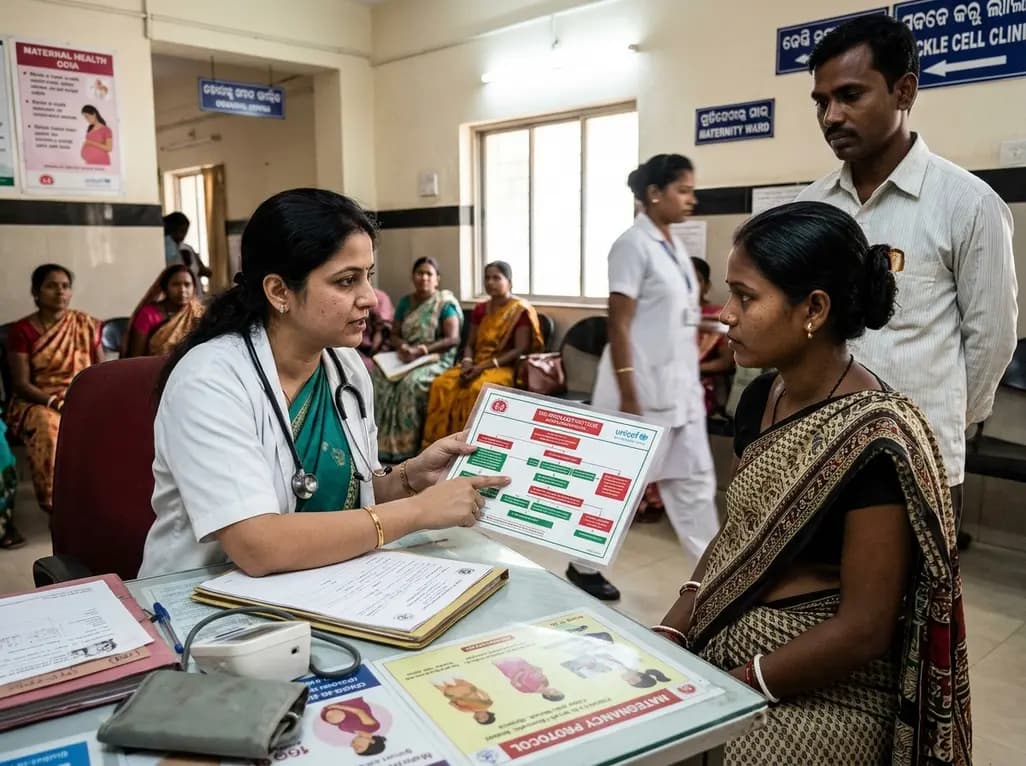
Odisha has established India's first state-level clinical protocol specifically tailored for pregnant women with sickle cell disease. Developed with NHM and UNICEF, the framework provides structured antenatal screening, crisis mitigation, standardized referral pathways, and specialized interdisciplinary care.
Today

The Directorate General of Health Services directs Indian states to halt the hazardous reuse and reprocessing of single-use medical devices. Discover regulatory implications under the Drugs and Cosmetics Act, critical infection risks, legal liabilities, and operational changes required across clinical specialties.
Today
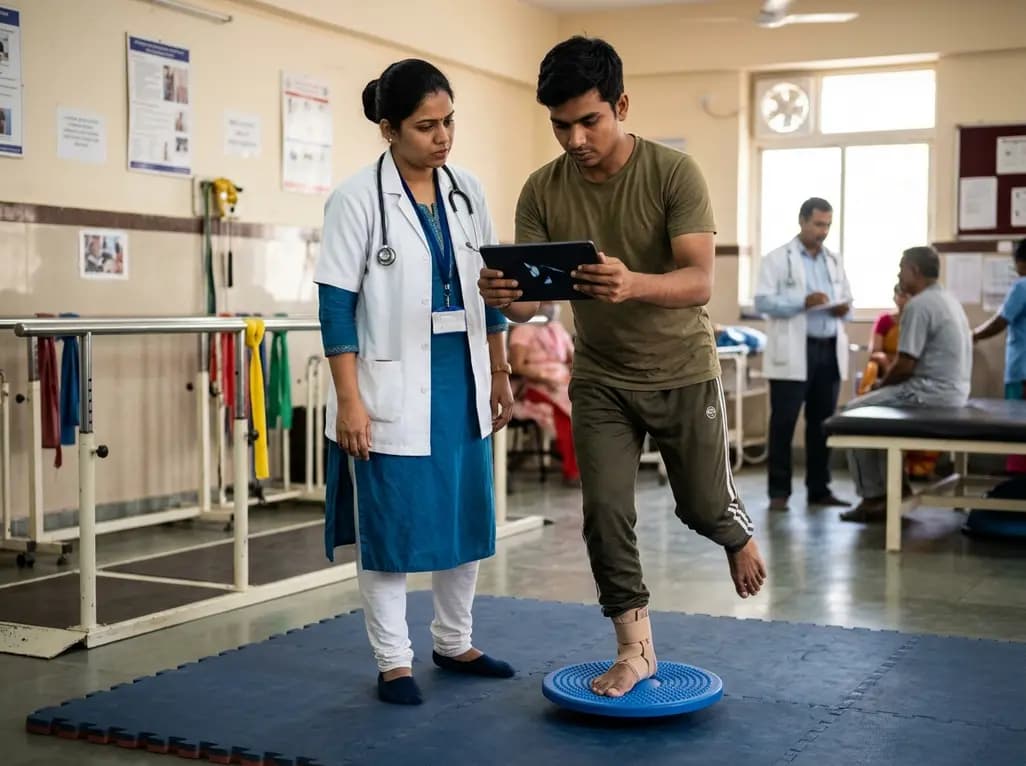
A randomized controlled trial demonstrates that an eight-week dual-task training intervention significantly improves static and dynamic postural control over standard balance exercises in individuals with chronic ankle instability, addressing critical neurocognitive deficits during athletic and daily activities.
Today

India is advancing preventive healthcare by integrating genomics, artificial intelligence, and quantum technologies. With the SANGAM programme sequencing one million Indian genomes, clinicians can unlock personalized therapies, detect cardiometabolic risks early, and curb the burden of diabetes and heart disease.
Today
