.webp&w=384&q=75)

Loading, please wait...
Loading, please wait...

Atrial fibrillation and complex atrial arrhythmias represent substantial global burdens that drive cardiovascular mortality, thromboembolic stroke, and congestive heart failure. For decades, preclinical researchers have relied on animal models to uncover the fundamental pathophysiological mechanisms of these rhythm disturbances. However, pronounced cross-species disparities in atrial electrophysiology frequently impair the clinical translation of experimental discoveries into effective pharmacotherapies. A landmark multi-species investigation now provides an unprecedented comparative atlas that directly links cellular patch-clamp electrophysiology with high-throughput transcriptomic sequencing across humans, swine, rodents, and horses. Accordingly, this valuable resource sheds critical light on long-standing translational discrepancies and informs the development of safer antiarrhythmic therapeutics.
Cardiologists encounter significant clinical hurdles when novel antiarrhythmic molecules fail to reproduce preclinical efficacy in human trials. Although murine models offer exceptional genetic tractability and rapid breeding cycles, their cardiac electrophysiological profiles diverge substantially from human biology. For example, a mouse heart beats over six hundred times per minute, which demands rapid electrical recovery and abbreviated action potentials. Consequently, murine atrial tissue utilizes distinct potassium and calcium channel configurations that do not exist in human myocardium. Because of these distinct biophysical properties, experimental drug targets that show promise in rodents frequently cause adverse arrhythmogenic outcomes in patients. Furthermore, traditional animal studies regularly overlook chamber-specific asymmetries and sex-dependent variations, producing incomplete pharmacological profiles. To resolve these challenges, investigators harvested intact atrial myocardial samples from cardiac surgery patients and four animal species using identical experimental protocols. By pairing rigorous patch-clamp recordings with RNA sequencing, the researchers characterized species-specific channel kinetics. Therefore, this comprehensive atlas explains long-standing translational disconnects and provides a benchmark for evaluating atrial rhythm therapies.
The comparative analysis demonstrated that porcine atrial cardiomyocytes match human cellular depolarization with remarkable fidelity. Specifically, swine cells mirrored human phase zero upstroke velocity, resting membrane potential, and overall action potential amplitude. In contrast, rodent cardiomyocytes displayed altered resting potentials and rapid upstroke velocities that deviated from large mammals. Because swine share comparable resting heart rates with humans, porcine myocytes experience similar hemodynamic and electrical strain. Moreover, transcriptomic profiling revealed closely aligned expression levels of primary sodium channel subunits, including SCN5A, between porcine and human donors. As a result, experimental antiarrhythmic agents that inhibit depolarizing sodium currents demonstrate predictable responses when evaluated in porcine tissue preparations. Thus, swine models serve as an optimal experimental platform for testing novel membrane-stabilizing therapies before initiating human clinical trials. In addition, large animal models accommodate clinical catheters, enabling electroanatomic mapping studies that directly inform ablation strategies.
Despite striking morphological similarities between human and porcine action potentials, human atrial cardiomyocytes display distinct repolarization characteristics. Most notably, human atrial action potentials feature a prominent early repolarization phase that other experimental species do not replicate. The investigators showed that this early notch corresponds directly to enriched expression within specific potassium channel gene clusters. In particular, human tissue expresses KCND3 and KCNA5, which drive transient outward and ultrarapid potassium currents. Conversely, neither porcine nor rodent cardiomyocytes accurately mirror this prominent early repolarization notch. Consequently, compounds that target early repolarizing currents can trigger unpredictable outcomes if researchers assess them solely in non-human tissues. However, transcriptomic integration allows clinicians and pharmacologists to calibrate these species differences quantitatively. By profiling individual ion channel gene contributions, researchers can predict how voltage trajectories shift during high-frequency atrial excitation. Therefore, identifying these unique human ionic signatures protects scientists against erroneous assumptions when developing atrium-selective antiarrhythmic drugs.
Late repolarization plays a pivotal role in governing atrial refractoriness and determining susceptibility to reentrant arrhythmias. In this comprehensive comparative analysis, late repolarization scaled directly with species body mass and physical cardiomyocyte dimensions. Specifically, investigators measured action potential duration at ninety percent repolarization across mice, rats, humans, pigs, and horses. Mouse cardiomyocytes showed extremely brief action potential durations, whereas equine cells exhibited markedly prolonged repolarization intervals. Interestingly, human atrial action potential durations occupied an intermediate position, falling precisely between small rodents and large swine. In addition, transcriptomic data confirmed that inward rectifier potassium channels scale in parallel with cell capacitance and surface area. As a consequence of this allometric scaling, repolarization reserve varies tremendously across different mammalian species. Clinicians must recognize that evaluating potassium-blocking antiarrhythmics in small animal models often masks proarrhythmic vulnerabilities. Conversely, utilizing large animal tissues provides realistic evaluations of refractory periods and rotor stability during fibrillatory conduction.
Biological sex significantly influences clinical arrhythmia presentation, yet preclinical studies frequently ignore sex-specific electrophysiological differences. Crucially, this study identified noticeable sex-specific differences in human atrial repolarization that porcine cardiomyocytes accurately mirrored. In contrast, rodent models completely failed to reproduce these sex-dependent repolarization disparities, highlighting another translational limitation of small animal research. Furthermore, the investigators documented marked electrophysiological distinctions between the left and right atria within individual species. To explain these dynamics, the researchers developed in silico computational action potential simulations using differential ion channel gene expression profiles. Remarkably, these biophysical computer models accurately predicted chamber-specific differences in cellular voltage and repolarization velocity. Therefore, integrating transcriptomic profiling with computational simulations enables scientists to infer relative functional changes across diverse cardiac substrates. This integrative computational framework bridges experimental observations and clinical practice. Ultimately, this approach will guide the rational development of personalized, chamber-selective antiarrhythmic drugs for managing atrial fibrillation.
Rodent models display distinct electrophysiological profiles that differ fundamentally from human physiology. Specifically, murine cardiomyocytes lack the prominent early repolarization phase seen in humans, because their resting heart rates exceed five hundred beats per minute. Consequently, small rodents utilize divergent potassium currents and rapid calcium cycling kinetics. Therefore, drug responses and action potential changes observed in mice or rats frequently fail to predict clinical efficacy or cardiotoxic liabilities in human atrial myocardium.
Porcine models provide an exceptional match for human atrial electrophysiology, especially during phase zero depolarization and late repolarization. Furthermore, swine cardiomyocytes share comparable physical dimensions, similar resting membrane potentials, and comparable ion channel transcriptomic signatures with human cells. In addition, porcine hearts demonstrate similar sex-specific repolarization differences observed in human cohorts. Thus, using porcine tissue enhances the fidelity of translational research, offering clinicians and pharmacologists far more reliable predictive insights for new antiarrhythmic therapies.
In silico computational simulations integrate precise transcriptomic data to forecast functional action potential parameters across diverse cardiac chambers. Therefore, researchers can quantitatively assess how changes in ion channel gene expression alter voltage kinetics without requiring extensive native tissue isolation. Moreover, these mathematical frameworks bridge cross-species gaps by simulating pharmacological interventions in simulated human atrial environments. Consequently, computational electrophysiology accelerates targeted antiarrhythmic discovery, refines preclinical candidate selection, and reduces unexpected arrhythmogenic risks during clinical development.
Disclaimer: This content is for informational and educational purposes only... Refer to the latest local and national guidelines for clinical practice.
References

Read summarized clinical updates, watch expert medical content, and earn CME certifications right from your smartphone.
Open your smartphone camera to scan and install.





A landmark comparative study evaluates atrial electrophysiology across humans, swine, and rodents. By linking cellular recordings with transcriptomics and in silico modeling, researchers resolve cross-species gaps, explaining translational failures to advance targeted therapies for atrial arrhythmias.
Today
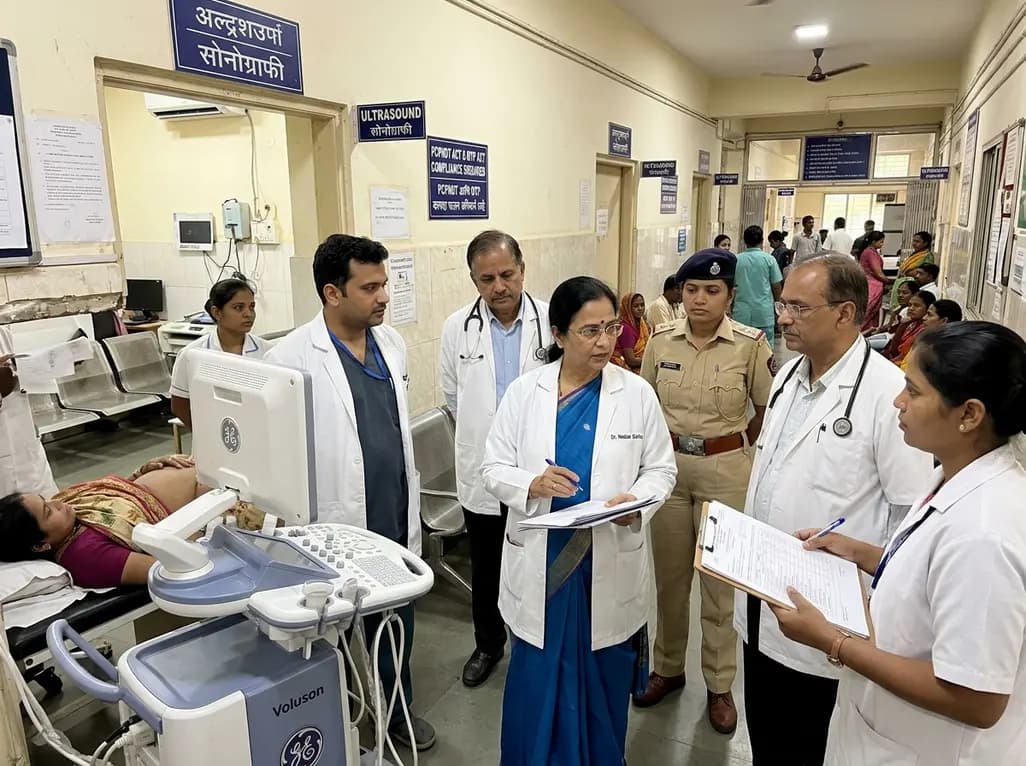
The Maharashtra public health department has established a specialized task force headed by Dr. Neelam Gorhe to eliminate illegal sex determination and unauthorized abortions. The team will execute surprise inspections of ultrasound facilities, audit medical documentation, and enforce strict statutory standards.
Today
A multicenter cohort study introduces ESUS 2.0, showing that patients who complete comprehensive diagnostic workup without an identifiable cause have significantly lower stroke recurrence rates compared to those with incomplete testing or established high-risk mechanisms.
Today
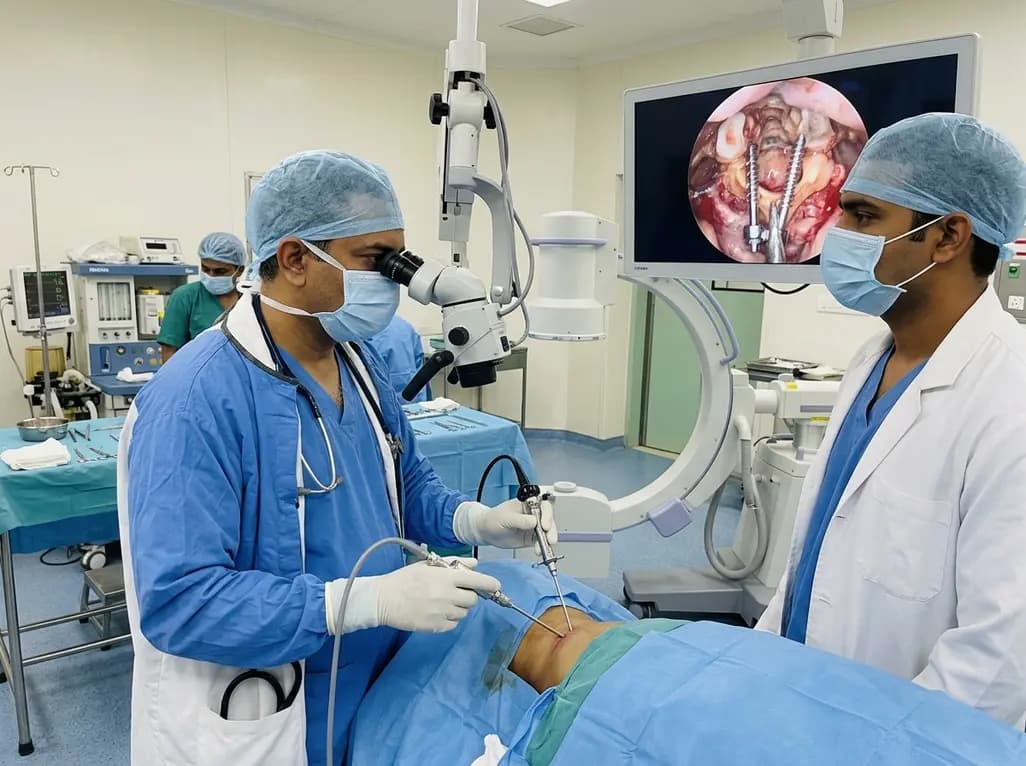
Endoscopic posterior cervical fusion combines minimally invasive decompression, joint preparation, and rigid screw-rod fixation for atlantoaxial pathologies. Early clinical findings demonstrate solid bony union, excellent symptom relief, and minimal soft-tissue morbidity without significant vascular compromise.
Today
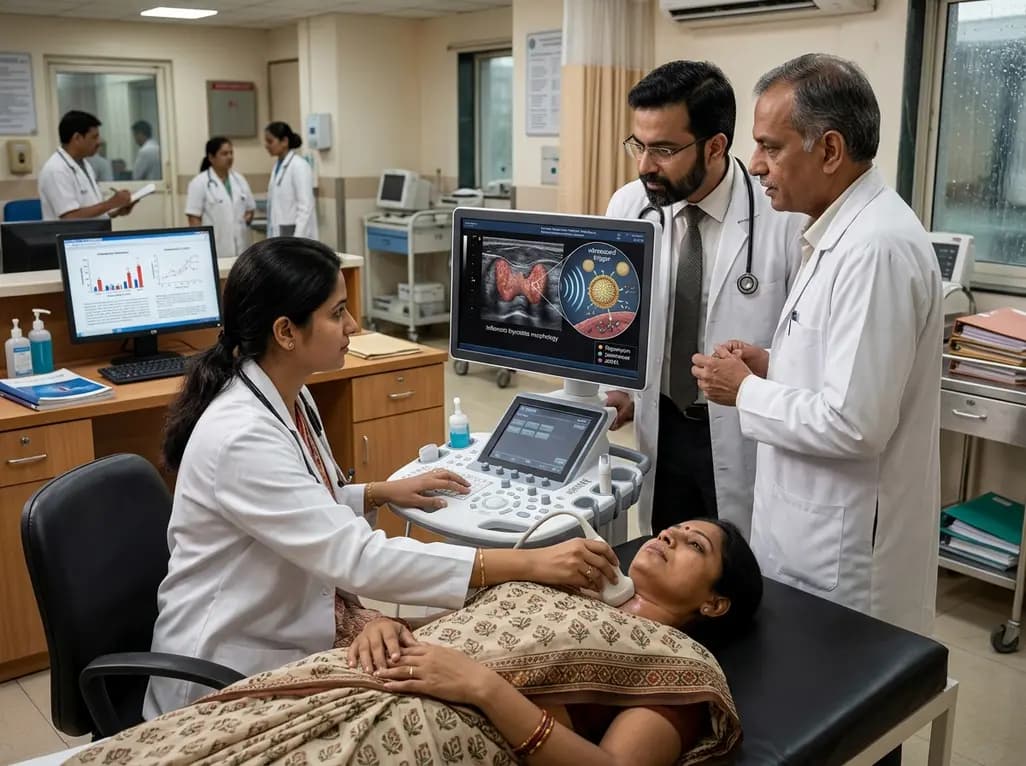
Researchers have developed an innovative ultrasound-responsive nano-contrast agent that co-delivers CIITA-siRNA and rapamycin directly to inflamed thyroid tissue, significantly reducing autoimmune injury and thyroid autoantibodies in preclinical models of Hashimoto thyroiditis.
Today
