.webp&w=384&q=75)

Loading, please wait...
Loading, please wait...
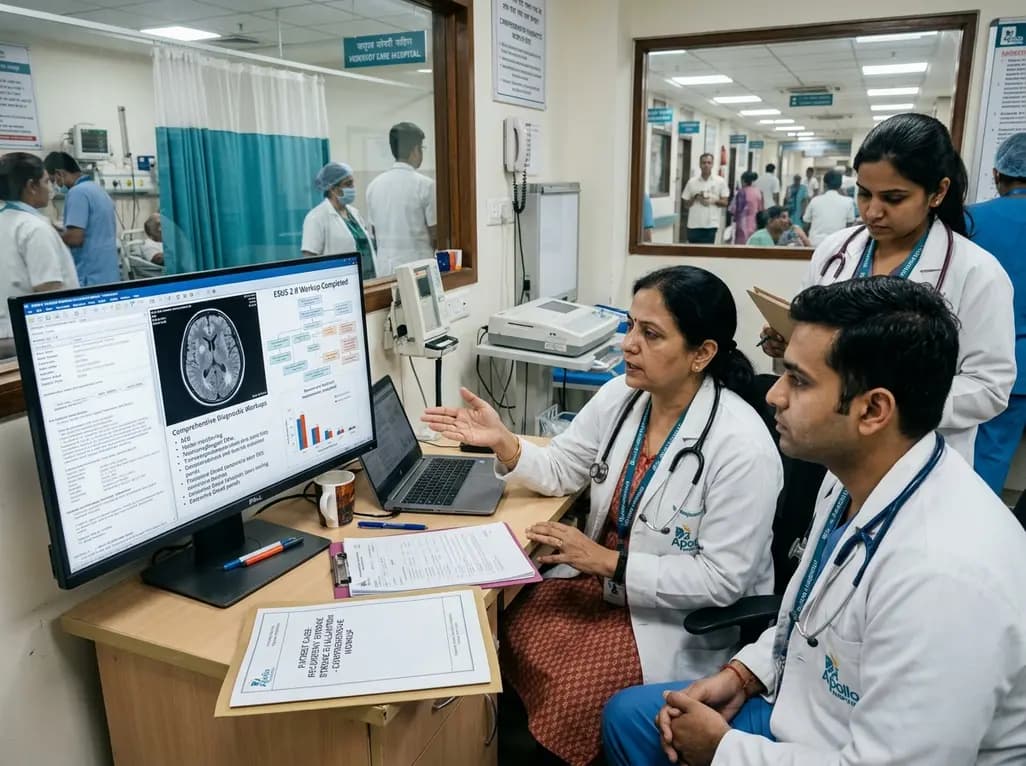
Cerebrovascular specialists face persistent diagnostic dilemmas when managing embolic strokes lacking an obvious cardioembolic source or arterial stenosis. Historically, clinical trials reported annual stroke recurrence rates between four and six percent in cryptogenic cohorts. However, a multicenter study evaluating 2,281 patients introduces a transformative framework that reframes ESUS 2.0 stroke recurrence. By assessing diagnostic thoroughness across 27 hospital sites, investigators demonstrated that patient outcomes depend on testing completeness. Therefore, superficial diagnostic assessments artificially inflate recurrence risks by overlooking aggressive covert pathologies. When clinicians systematically eliminate hidden vascular triggers, truly cryptogenic strokes demonstrate an unexpectedly benign prognosis.
Ten years ago, international working groups introduced the embolic stroke of undetermined source construct. The original paradigm sought to identify cryptogenic stroke patients who might benefit from empiric anticoagulation. Nevertheless, major clinical trials failed to show superior outcomes for direct oral anticoagulants over aspirin. Consequently, researchers recognized that initial criteria grouped distinct disease processes into a single generic classification. In everyday practice, standard evaluations frequently miss paroxysmal arrhythmias, nonstenosing plaque vulnerability, and occult malignancies. Thus, diagnostic refinement has become essential for guiding targeted secondary prevention strategies.
To dissect the prognostic implications of diagnostic intensity, researchers examined a multicenter observational cohort across 27 specialized stroke centers. The study included 2,281 patients with a mean age of 65 years, and men represented 50.1% of participants. Importantly, investigators categorized participants into three distinct cohorts according to neurodiagnostic completeness. The first category, termed ESUS with established mechanism (ESUS-E), comprised 694 patients (30.4%) whose expanded evaluation revealed a definitive stroke etiology. The second category, designated as ESUS with no advanced workup (ESUS-NAW), contained 1,243 patients (54.5%) who received only baseline diagnostic testing.
Finally, the third category comprised 344 individuals (15.1%) who completed comprehensive advanced neurodiagnostic evaluations without revealing an identifiable source. Researchers designated this rigorously tested subset as ESUS 2.0. Advanced testing protocols included prolonged cardiac rhythm monitoring, transesophageal echocardiography, vascular imaging, and targeted hypercoagulability assessments. Furthermore, adjusted Cox proportional hazards models compared primary outcomes of recurrent ischemic stroke across these three tiers. Consequently, this study design establishes a clear benchmark to differentiate true cryptogenic strokes from incomfully evaluated cases in modern clinical practice.
The multivariable survival analysis demonstrated profound differences in recurrent stroke risk across the three patient groups. Most significantly, patients meeting the rigorous definition of ESUS 2.0 experienced a substantially lower risk of recurrent stroke than individuals receiving standard care. When compared with the group lacking advanced evaluation, the ESUS 2.0 cohort exhibited a 69% reduction in recurrent stroke hazard. Specifically, the adjusted hazard ratio was 0.31 with a 95% confidence interval between 0.13 and 0.76. This stark contrast highlights how incomplete diagnostic workups leave high-risk secondary recurrence mechanisms unmitigated.
Similarly, the ESUS 2.0 cohort experienced a 65% lower risk of recurrent stroke compared to patients with an established mechanism after workup. For this comparison, the adjusted hazard ratio was 0.35 with a 95% confidence interval spanning 0.15 to 0.85. In contrast to earlier clinical trials reporting annual recurrence rates near 5%, ESUS 2.0 patients demonstrated exceptional clinical stability. Therefore, comprehensive diagnostic completion separates low-risk individuals from patients harboring active, destabilizing stroke mechanisms. In doing so, these findings deliver powerful prognostic reassurance to patients who complete exhaustive neurodiagnostic protocols.
While ESUS 2.0 patients demonstrated excellent outcomes, patients in the established mechanism cohort exhibited substantial vulnerability to early recurrence. Within this subgroup, specific newly unmasked etiologies drove exceptionally high rates of secondary cerebrovascular events. In particular, systemic cancer emerged as the most lethal underlying trigger, increasing recurrence risk more than fivefold compared to ESUS 2.0. Researchers recorded an adjusted hazard ratio of 5.33 with a confidence interval between 2.09 and 13.63 for patients with malignancy. Cancer frequently precipitates cerebral ischemia through prothrombotic microangiopathy, circulating mucins, and nonbacterial thrombotic endocarditis.
Furthermore, nonstenosing atherosclerotic disease and aortic arch atheromas conferred severe recurrence hazards. Patients with these complex vascular lesions demonstrated an adjusted hazard ratio of 3.40 with a confidence interval between 1.18 and 9.83 compared to ESUS 2.0 controls. Although conventional guidelines define significant stenosis as luminal narrowing exceeding 50%, nonstenosing plaques with intraplaque hemorrhage carry profound embolic potential. Consequently, relying solely on luminal percent stenosis dangerously underestimates thromboembolic vulnerability. Thus, identifying these high-risk arterial and oncologic phenotypes through advanced imaging is essential for preventing catastrophic recurrent strokes.
The compelling findings of this multicenter study reveal an urgent imperative for contemporary clinical practice: diagnostic inertia directly harms stroke patients. Alarmingly, 54.5% of the study cohort never underwent advanced diagnostic evaluations, remaining categorized under ESUS with no advanced workup. These unworked patients faced recurrence rates comparable to individuals with known aggressive mechanisms. Because brief 24-hour Holter monitoring detects only a fraction of paroxysmal atrial fibrillation cases, stroke teams must systematically utilize prolonged telemetry or implantable cardiac monitors. Moreover, clinicians should incorporate transesophageal echocardiography to examine the aortic arch and left atrial appendage.
In addition, vessel wall magnetic resonance imaging and age-appropriate cancer screening provide vital diagnostic yields in unexplained stroke presentations. When neurovascular teams uncover vulnerable plaque architecture or occult malignancy, they can promptly initiate tailored medical regimens. For instance, cancer-mediated hypercoagulability demands rapid therapeutic anticoagulation, whereas complex atheromas benefit from intensive lipid lowering and targeted antiplatelet therapy. Conversely, confirming an ESUS 2.0 diagnosis prevents unnecessary treatment escalations while reassuring patients. Ultimately, routine execution of age-appropriate advanced neurodiagnostic protocols replaces empirical therapeutic assumptions with individualized, evidence-based cerebrovascular medicine.
ESUS 2.0 designates patients with nonlacunar embolic stroke who undergo comprehensive, age-appropriate neurodiagnostic evaluations without revealing any identifiable source. Unlike standard cryptogenic evaluations, this rigorous protocol mandates advanced cardiac telemetry, transesophageal echocardiography, intracranial and extracranial vascular imaging, and occult malignancy screening. By systematically excluding occult cardioembolic, atherothrombotic, and systemic triggers, this categorization establishes a verified cohort of truly cryptogenic events with distinctly low recurrence rates.
ESUS 2.0 stroke recurrence rates remain remarkably low because comprehensive diagnostic testing successfully detects and reclassifies patients with aggressive underlying etiologies. Historically, unworked cohorts harbored unrecognized paroxysmal atrial fibrillation, active occult cancers, or vulnerable nonstenosing atheromas that drove recurrent thromboembolism. When clinicians identify and exclude these high-risk mechanisms through exhaustive modern evaluations, the remaining population exhibits a genuinely low-risk vascular trajectory, significantly outperforming historical cryptogenic cohorts.
Active cancer and nonstenosing atherosclerosis with complex arch atheroma carry the highest recurrence risks among investigated embolic stroke patients. Occult malignancy triggers pronounced hypercoagulability, increasing recurrence hazard more than fivefold compared to ESUS 2.0. Similarly, vulnerable arterial plaques possessing ulceration or intraplaque hemorrhage elevate recurrence risks by more than threefold. Identifying these aggressive etiologies demands rapid transition from standard antiplatelet therapy to anticoagulation or intensive vascular stabilization.
Disclaimer: This content is for informational and educational purposes only and does not constitute formal medical advice. Clinical practitioners must exercise independent professional judgment when managing cerebrovascular disease. Refer to the latest local and national guidelines for clinical practice.
References

Read summarized clinical updates, watch expert medical content, and earn CME certifications right from your smartphone.
Open your smartphone camera to scan and install.





A multicenter cohort study introduces ESUS 2.0, showing that patients who complete comprehensive diagnostic workup without an identifiable cause have significantly lower stroke recurrence rates compared to those with incomplete testing or established high-risk mechanisms.
last month

Following Nigeria's first recorded Ebola case linked to regional travel, the Africa CDC has convened an emergency ministerial summit. This alert underscores critical clinical priorities for healthcare professionals, including differentiating early viral infection from malaria, implementing barrier nursing, and triage.
Today

Leucine Rich Bio has introduced South Asia's first comprehensive vaginal microbiome test, BugSpeaks. By profiling microbial dysbiosis, pathogens, and antimicrobial resistance, this next-generation diagnostic platform provides clinicians with deeper insights into recurrent infections, fertility, and reproductive health.
Today

Review how tailored exercise programs benefit frail older patients with heart failure. Explore pathophysiological mechanisms, individualized training prescriptions, and strategies to overcome adherence barriers in clinical practice.
Today

This comparative study evaluates posterior labral tears with and without glenohumeral instability, highlighting distinct demographic patterns, MRI underestimation in stable shoulders, and successful arthroscopic repair outcomes.
Today

A clinical study demonstrates that early intervention with tocilizumab, either as monotherapy or bridged with corticosteroids, achieves significant proptosis reduction and resolves active inflammation in treatment-naive thyroid eye disease.
Today
