.webp&w=384&q=75)

Loading, please wait...
Loading, please wait...
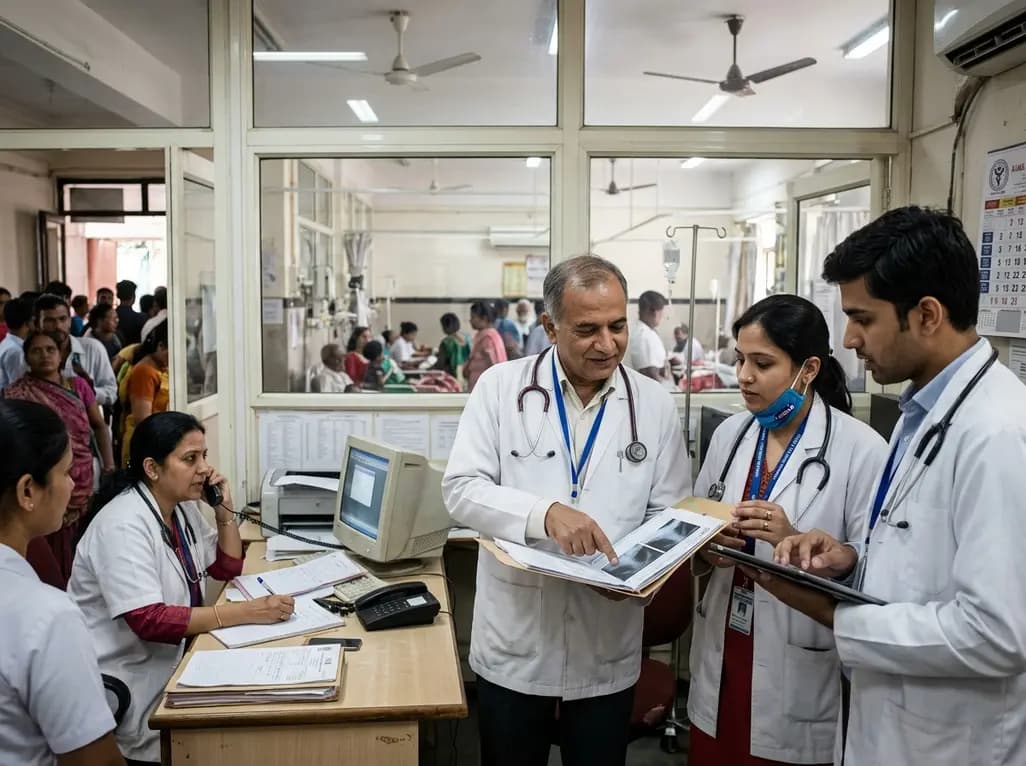
Preirradiation dental screening remains a cornerstone of high-quality oncological care for patients diagnosed with head and neck cancer. This process is essential because radiation therapy frequently leads to significant oral health complications, such as xerostomia, radiation-induced caries, and the highly debilitating osteoradionecrosis of the jaw. Therefore, clinicians must ensure that the oral cavity is healthy and all necessary extractions or restorative procedures are completed before radiation begins. Furthermore, this screening process serves as the foundation for a patient's long-term survivorship plan. By identifying and treating potential infection sources early, the multidisciplinary team reduces the risk of interrupting life-saving cancer treatments. In India, where head and neck cancers represent a substantial proportion of the total cancer burden, these screenings are often integrated into fast-track diagnostic pathways. Consequently, healthcare providers must recognize that while the medical necessity is clear, the patient experience during this phase is often fraught with complexity. A thorough preirradiation dental screening ensures that patients are physically prepared, but clinical success also depends on addressing the emotional and cognitive needs that arise during this high-pressure period.
Patients navigating a new diagnosis of head and neck cancer often face an overwhelming amount of information in a very short timeframe. A recent qualitative study highlighted that anxiety is a dominant theme in the preirradiation phase. Specifically, patients frequently express fear regarding their future prognosis and specific dental procedures. Many individuals already possess a baseline level of dental anxiety, which the urgency of cancer treatment further exacerbates. Moreover, the volume of technical information provided by oncologists, surgeons, and dentists can lead to significant information overload. Patients often report feeling as though they are "drowning" in facts while their emotional needs remain unmet. Consequently, this cognitive saturation can hinder their ability to make informed decisions or recall important self-care instructions. Nurses play a pivotal role here by acting as filters and translators of this information. They must identify when a patient is reaching their cognitive limit and pause the delivery of new data. By acknowledging these psychological stressors, healthcare teams can transform a purely clinical encounter into a supportive interaction that fosters resilience rather than distress.
The logistical coordination required for preirradiation dental screening is frequently described by patients as a "stressful day" or a series of exhausting hurdles. In modern fast-track cancer pathways, patients must move rapidly between various departments, including imaging, oncology, and dental services. For instance, a single day may involve multiple blood tests, consultations, and a comprehensive dental exam. This compressed schedule, while efficient for the hospital, often feels like a whirlwind for the patient. Many individuals feel like they are being moved along an assembly line without enough time to process the implications of each step. Additionally, the physical distance between these departments can add to the physical exhaustion of patients who may already be feeling unwell. Therefore, clinical systems should aim to streamline these appointments to reduce wait times and minimize unnecessary travel. When logistical efficiency is coupled with clear communication about what to expect at each stop, patients feel more in control. Successfully managing these logistics ensures that the dental screening does not become a barrier to starting radiation therapy on time.
Research indicates that patient experiences in the dental screening phase typically fall into two overarching patterns: the compromised course and the successful course. A compromised course is characterized by high levels of distress, confusion, and a feeling of being neglected by the healthcare system. In these cases, patients often feel that the dental screening was just another painful task they had to endure without understanding its value. In contrast, a successful course is marked by confidence in the healthcare team and a clear understanding of the treatment plan. Patients in this group often highlight the importance of supportive interactions with staff who took the time to explain the "why" behind each procedure. Furthermore, efficiency in scheduling and the absence of conflicting information contributed significantly to their sense of security. Consequently, the goal for any oncology team should be to move every patient toward a successful course. This transition requires a conscious effort to balance clinical speed with human-centric care. By monitoring patient feedback in real-time, clinicians can intervene early when they notice signs of a compromised experience.
To improve the patient experience during preirradiation dental screening, nursing practice can benefit from the application of Henderson’s Need Theory. This model focuses on the nurse’s role in assisting individuals to meet their basic health needs while fostering independence. In the context of oncology, Henderson’s model encourages nurses to provide individualized support that addresses the physiological, psychological, and social aspects of care. For example, a nurse might help a patient manage pain or dry mouth (physiological) while also providing emotional reassurance (psychological) and helping the family understand the treatment plan (social). Additionally, Henderson’s model emphasizes the importance of managing information overload. Nurses can break down complex instructions into manageable "chunks," ensuring the patient understands each step before moving to the next. This tailored approach ensures that the patient feels seen as a person rather than just a set of symptoms. By using this framework, nurses can prioritize the most urgent needs of each patient, thereby reducing anxiety and increasing the patient's overall confidence in the cancer treatment process.
Achieving excellence in preirradiation care requires a seamless collaboration between dentists, oncologists, and nursing staff. Specifically, the dental team must provide clear, written summaries of their findings to the oncology team to ensure no details are lost. Similarly, nurses must be equipped with the knowledge to answer basic questions about the dental screening process. In India, where healthcare settings can be crowded, clear signage and dedicated patient navigators can significantly reduce the stress associated with complex treatment pathways. Furthermore, regular multidisciplinary team meetings are essential to ensure that every professional is aligned on the treatment timeline. For instance, if a dental extraction is required, the oncologist needs to know the exact healing time necessary before radiation can safely begin. This level of coordination prevents delays and reduces the patient's anxiety regarding their schedule. Ultimately, the integration of clinical expertise with compassionate communication creates a robust support system. When the entire team works in harmony, the patient feels safer, better informed, and more prepared to face the challenges of radiation therapy and its aftermath.
This screening is critical because radiation to the head and neck can damage salivary glands and bone blood supply. Without a healthy mouth, patients face a high risk of osteoradionecrosis, a serious condition where the jawbone fails to heal and becomes infected. Identifying and treating dental issues before starting therapy prevents these life-altering complications and ensures that the cancer treatment is not interrupted by emergency dental pain or severe infections.
Nurses can help by utilizing "teach-back" methods to confirm the patient's understanding and by providing written materials for the patient to review at home. Furthermore, nurses should assess the patient's emotional state before delivering new information. If a patient is highly anxious, the nurse should prioritize the most essential information and schedule a follow-up discussion for less urgent details. This phased approach prevents cognitive overload and improves the patient’s retention of important clinical instructions.
Henderson’s model guides nurses to provide holistic care that addresses 14 basic human needs. In preirradiation dental care, this involves ensuring the patient can maintain oral hygiene (physiological), understands the treatment (psychological), and feels supported by their family (social). By acting as a surrogate for the patient when they are overwhelmed, the nurse helps them regain independence and confidence. This framework ensures that nursing care is individualized, addressing specific barriers like anxiety or logistical stress effectively.
Disclaimer: This content is for informational and educational purposes only. It does not constitute medical advice or establish a doctor-patient relationship. Always seek the advice of a qualified healthcare provider for any medical concerns. Refer to the latest local and national guidelines for clinical practice.
References
Deisner A et al. Patient Experience of Preirradiation Dental Screening Prior to Radiation Therapy for Head and Neck Cancer. Oncol Nurs Forum. 2026 Jun 24. doi: 10.1188/26.ONF.e26535332. PMID: 42341333.
NCG - Head & Neck Cancer Management Guidelines 2019. National Cancer Grid India.
Peterson DE et al. Dental Evaluation Prior to Head and Neck Radiotherapy With or Without Chemotherapy. American Academy of Oral Medicine.

Read summarized clinical updates, watch expert medical content, and earn CME certifications right from your smartphone.
Open your smartphone camera to scan and install.





Preirradiation dental screening is a vital prerequisite for head and neck cancer patients. This article delves into the patient journey, highlighting the psychological and logistical challenges faced and providing nursing strategies, like Henderson's model, to improve the overall quality of care.
3 months ago

As monsoon seasons elevate arboviral disease threats, Tamil Nadu has initiated an ICMR-monitored evaluation of the tetravalent dengue vaccine in Tenkasi district. Clinicians emphasize clinical monitoring, public prevention, and high-quality early pediatric care to reduce disease morbidity across endemic regions.
Today

Leucine Rich Bio has introduced South Asia's first comprehensive vaginal microbiome test, BugSpeaks. By profiling microbial dysbiosis, pathogens, and antimicrobial resistance, this next-generation diagnostic platform provides clinicians with deeper insights into recurrent infections, fertility, and reproductive health.
Today

Review how tailored exercise programs benefit frail older patients with heart failure. Explore pathophysiological mechanisms, individualized training prescriptions, and strategies to overcome adherence barriers in clinical practice.
Today

This comparative study evaluates posterior labral tears with and without glenohumeral instability, highlighting distinct demographic patterns, MRI underestimation in stable shoulders, and successful arthroscopic repair outcomes.
Today

A clinical study demonstrates that early intervention with tocilizumab, either as monotherapy or bridged with corticosteroids, achieves significant proptosis reduction and resolves active inflammation in treatment-naive thyroid eye disease.
Today
