.webp&w=384&q=75)

Loading, please wait...
Loading, please wait...
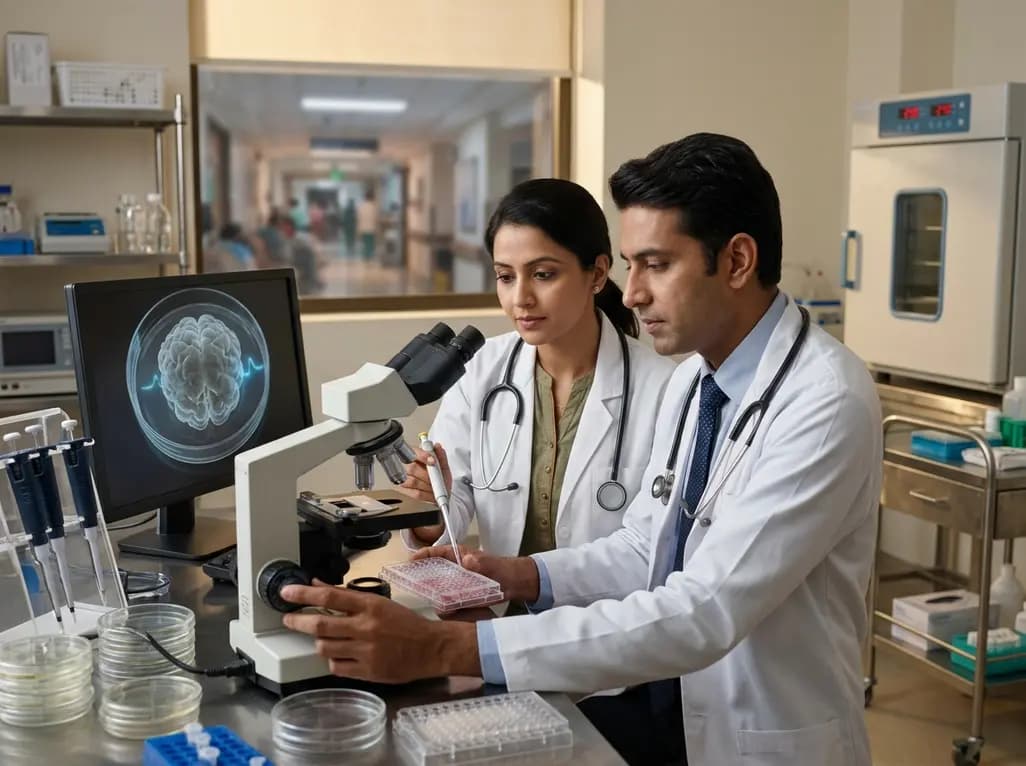
Human brain organoid ethics has emerged as a crucial area of discussion as three-dimensional neural cell cultures become increasingly sophisticated. These biological models allow researchers to investigate early brain development, unravel complex neurological diseases, and test potential therapeutics in vitro. However, their rapid biological complexity raises novel bioethical questions regarding moral status and functional capacity. Consequently, clinicians, neuroscientists, and ethicists must evaluate whether current governance structures adequately address these biological models. The precautionary principle provides a structured approach when scientific evidence remains incomplete yet potential moral risks exist. Therefore, establishing proactive regulatory oversight ensures that innovation proceeds responsibly while addressing public and professional ethical concerns.
Evaluating potential consciousness or sentience in laboratory models presents significant epistemic limitations. Scientists frequently rely on structural or functional similarities between organoids and human fetal brains to infer cognitive potential. However, biological resemblance does not automatically equal subjective experience or moral status. Furthermore, observational tools often lack the sensitivity required to distinguish simple electrical activity from higher-order network integration. This uncertainty creates ongoing tension between standard evidentiary requirements and precautionary obligations. As a result, oversight bodies struggle to define clear thresholds for heightened regulatory oversight. Establishing clear, objective biomarkers remains essential to avoid either overestimating or underestimating the developmental capabilities of these tissue constructs.
Variations in national bioethics regulations create substantial risks of ethics dumping, where investigators transfer sensitive research to jurisdictions with permissive oversight. Without international consensus on human brain organoid ethics, collaborative global science faces procedural friction and public skepticism. Additionally, fragmented governance frameworks can lead to inconsistent ethical standards across research institutions. Therefore, international coordination must harmonize basic oversight mechanisms while respecting local legal systems. Implementing unified reporting guidelines, transparent material transfer agreements, and shared registry systems can significantly mitigate compliance gaps. Moreover, global collaboration fosters equitable access to scientific breakthroughs while maintaining robust safety protocols across borders.
Effective bioethical governance requires dynamic, graded regulatory models that adapt as scientific evidence evolves. Rigid prohibitions risk stifling valuable therapeutic discoveries for severe neurodegenerative conditions like Alzheimer's or Parkinson's disease. Conversely, total lack of regulation ignores legitimate moral concerns surrounding advanced neural models. Applying proportionality ensures that restrictions directly match the demonstrated biological capabilities and realistic risks of specific research protocols. Furthermore, institutional review boards should implement periodic reviews to reassess risk categories as culture techniques advance. By adopting an adaptive governance model, regulatory bodies can maintain strict safety parameters without imposing unnecessary administrative barriers on laboratory innovation.
The integration of bioethical vigilance with scientific inquiry is essential for the future of neurobiology and clinical translation. As human brain organoid ethics continues to evolve, ongoing dialogue between neuroscientists, bioethicists, regulatory agencies, and the public will remain imperative. Education regarding realistic scientific capabilities helps demystify organoid technology and prevents sensationalism. Furthermore, funding agencies should support interdisciplinary studies that evaluate ethical governance alongside empirical biological research. Consequently, proactive ethics will strengthen public trust and facilitate meaningful scientific progress. Ultimately, establishing balanced oversight frameworks ensures that brain organoids safely fulfill their promise in advancing medical science and clinical discovery.
The precautionary principle is an ethical framework applied when scientific evidence regarding potential moral harm remains uncertain. In organoid research, it guides regulators to establish proactive safety and governance measures. Consequently, this approach prevents severe ethical lapses or societal harms without waiting for definitive scientific proof of advanced neural capabilities or consciousness.
Research on brain organoids generates debate because these three-dimensional tissue structures mimic human brain development. As culture techniques improve, concerns arise regarding potential sentience, moral status, and cellular donor consent. Therefore, bioethicists emphasize the necessity of structured governance to address these unique biological capabilities appropriately.
Regulatory bodies can combat ethics dumping by establishing harmonized international standards and robust material transfer agreements. Furthermore, mandatory institutional registration and international collaboration ensure researchers maintain consistent ethical compliance across borders. These unified protocols help maintain high ethical integrity regardless of where scientific investigations take place.
Disclaimer: This content is for informational and educational purposes only. It does not constitute medical advice or substitute for professional judgment. Refer to the latest local and national guidelines for clinical practice.
References
1. Huang X et al. The precautionary principle and the ethical governance of human brain organoid research. Account Res. 2026 Aug 12. doi: 10.1080/08989621.2026.2717416. PMID: 42584462.
2. Hyun I et al. Ethics of human brain organoid research. Nature. 2020;586(7829):360-362.
3. Lavazza A. Human cerebral organoids and consciousness: Ethical and legal issues. Neuroethics. 2021;14(1):23-34.

Read summarized clinical updates, watch expert medical content, and earn CME certifications right from your smartphone.
Open your smartphone camera to scan and install.





Human brain organoids offer unprecedented opportunities for modeling neurological disorders, but potential consciousness raises significant ethical debates. This article evaluates how applying the precautionary principle balances ethical vigilance with scientific progress without hindering vital innovation.
last month
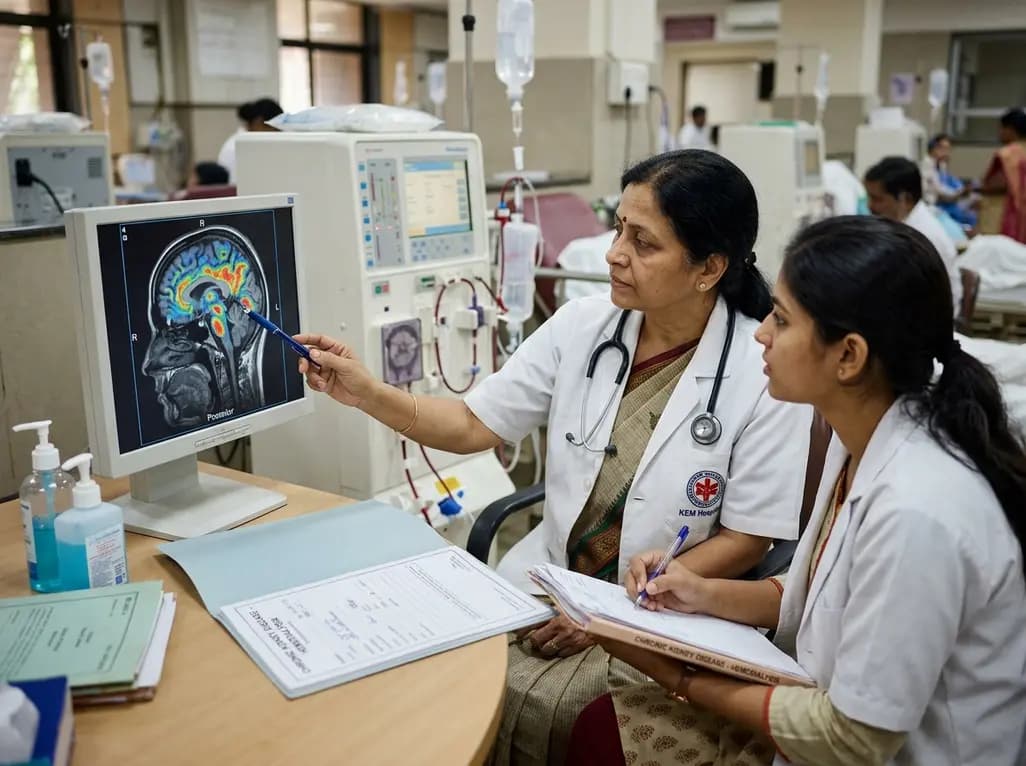
A retrospective clinical analysis reveals that hemodialysis-associated cognitive dysfunction arises from synergistic pathological mechanisms, including severe chronic anemia, worsening renal clearance, abnormal regional brain iron deposition, and an imbalance between neuroinflammatory and neurotrophic factors.
Today
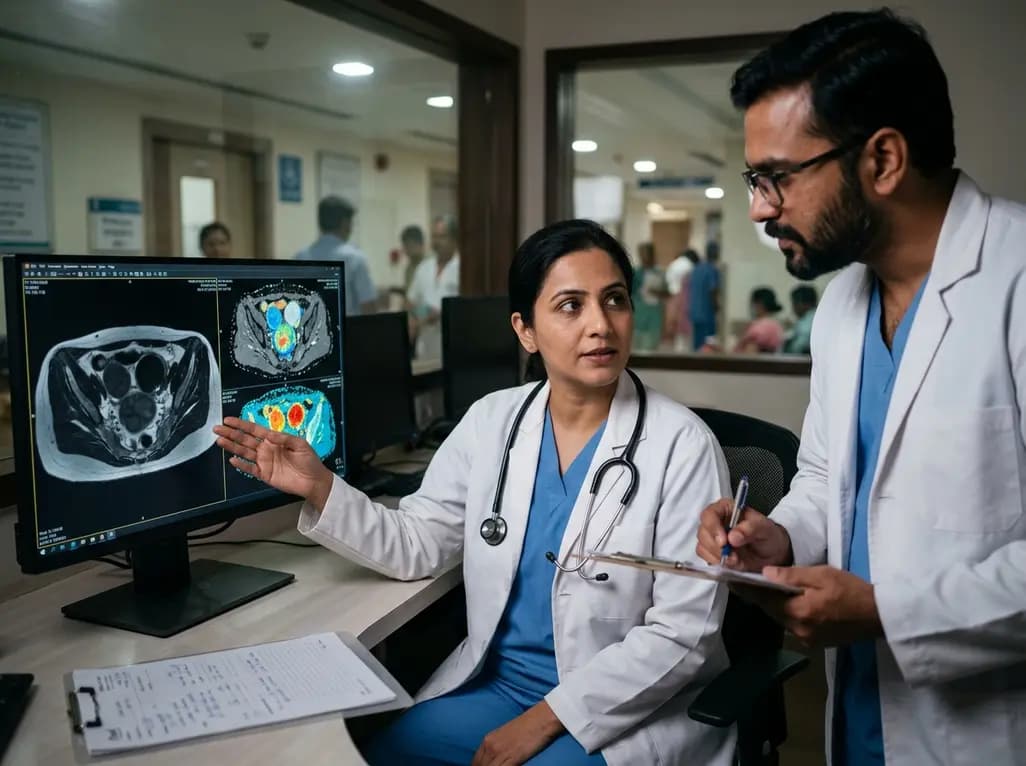
A multiparametric MRI approach combining quantitative T2 shading, apparent diffusion coefficient (ADC) measurements, and morphological signs provides superior diagnostic accuracy over subjective evaluation to differentiate ovarian endometriomas from benign hemorrhagic cysts.
Today
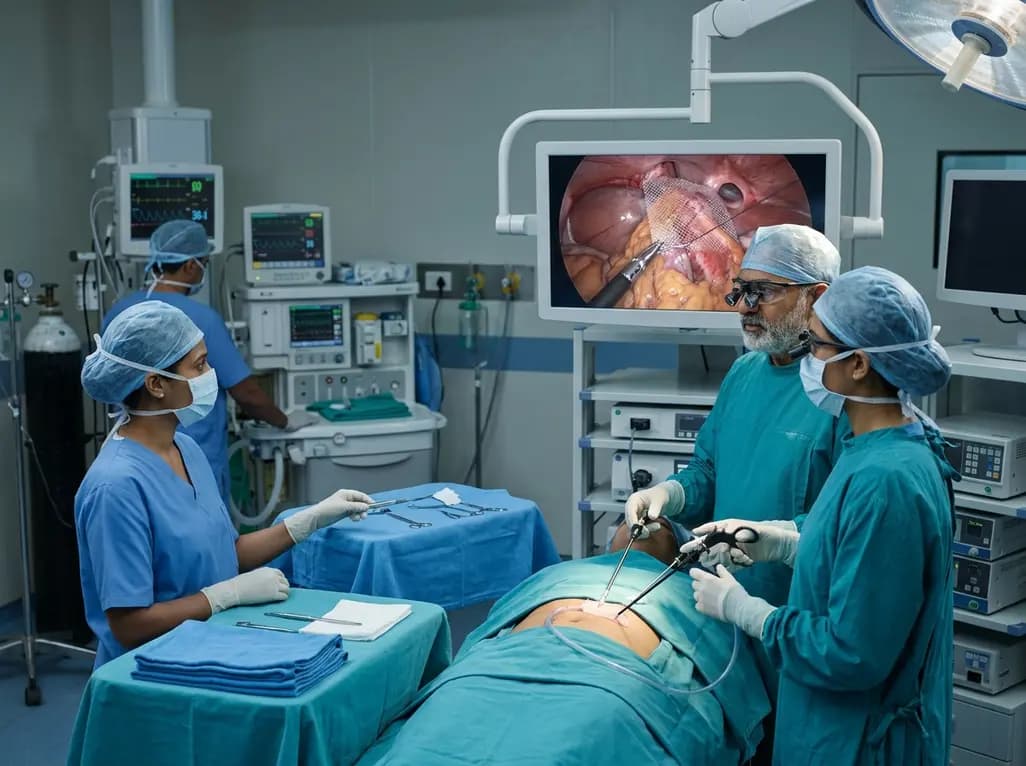
Discover a novel laparoscopic approach for iatrogenic diaphragmatic hernia repair following pedicled omentoplasty. This modified Sugarbaker technique integrates dorsal pedicle lateralization and round ligament reinforcement to secure the diaphragmatic defect while preserving vital omental vascularity.
Today

Evaluating Hill-Sachs lesion size and the distance to dislocation is critical in recurrent shoulder instability. As bone loss concepts shift from binary on-track classifications to continuous risk assessment, clinicians must identify when isolated Bankart repair is insufficient and supplementary procedures are needed.
Today
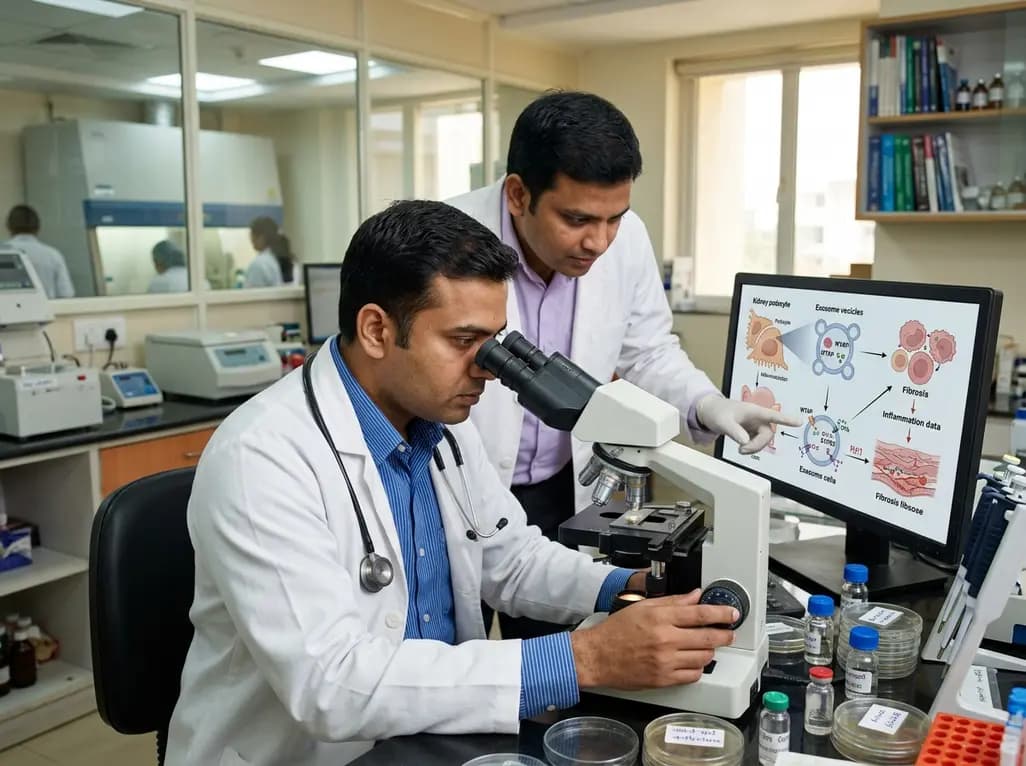
New research reveals that M1 macrophage-derived exosomes aggravate diabetic nephropathy by transferring WTAP to stabilize S1PR2 mRNA. Silencing WTAP in these vesicles attenuates endothelial injury and renal fibrosis, pointing toward innovative nanomedicine therapies.
Today
