.webp&w=384&q=75)

Loading, please wait...
Loading, please wait...

Post-tuberculosis lung disease (PTLD) has emerged as a critical contributor to long-term morbidity for millions of tuberculosis survivors globally. While achieving microbiological cure remains the priority, many patients continue to suffer from chronic respiratory impairment. Consequently, researchers are increasingly investigating various post-tuberculosis lung disease interventions to improve quality of life and lung function after treatment completion.
A comprehensive scoping review recently examined several therapeutic categories to determine their efficacy in managing PTLD. For instance, host-directed therapies (HDT) such as metformin and doxycycline showed potential in accelerating cavity resolution in small-scale trials. Similarly, corticosteroids demonstrated inconsistent signals of radiological improvement. However, the data remains sparse, and many studies were not originally designed to assess long-term lung health.
Inhaled pharmacotherapy also offers a pathway for symptom management. Specifically, two studies indicated that bronchodilators provide short-term gains in spirometric measures. Moreover, a retrospective cohort study suggested a potential survival benefit for patients using these therapies. In cases where chronic pulmonary aspergillosis complicates recovery, antifungal treatments significantly improved radiological outcomes and inflammatory biomarkers.
Despite these findings, the current evidence base for post-tuberculosis lung disease interventions is largely incidental and heterogeneous. Most historical research focused on sputum conversion rather than validated disability tools or advanced lung function measures. Therefore, clinicians must advocate for high-quality, person-centered trials to establish standardized care protocols for TB survivors.
The primary goals include reducing chronic respiratory symptoms, improving lung function (spirometry), and enhancing the overall quality of life for TB survivors who experience permanent lung damage.
Current research highlights inhaled bronchodilators for symptom relief and host-directed therapies like metformin for tissue repair. However, these require further validation in large-scale clinical trials before becoming standard practice.
Disclaimer: This content is for informational and educational purposes only. It does not constitute professional medical advice, diagnosis, or treatment. Always seek the advice of your physician or other qualified health provider with any questions you may have regarding a medical condition. Refer to the latest local and national guidelines for clinical practice.
References
Byrne AL et al. Interventions to reduce the impact of post-tuberculosis lung disease: a scoping review of the literature. BMC Pulm Med. 2026 Jun 04. doi: 10.1186/s12890-026-04355-3. PMID: 42243811.
Ravimohan S, et al. Post-tuberculosis lung disease: clinical review of an under-recognised condition. Lancet Respir Med. 2018;6(6):441-451.
Migliori GB, et al. Post-tuberculosis lung disease: a review of the current evidence. Eur Respir J. 2021;58(2):2003633.
"
Read summarized clinical updates, watch expert medical content, and earn CME certifications right from your smartphone.
Open your smartphone camera to scan and install.





A scoping review evaluates interventions like host-directed therapy and bronchodilators to mitigate post-tuberculosis lung disease (PTLD) in survivors....
4 months ago

Co-administering antiseizure medications and DOACs frequently causes pharmacokinetic interactions, subtherapeutic drug levels, and thromboembolic failures. This review highlights enzyme induction risks, unpredictable outcomes with levetiracetam, and the vital role of therapeutic drug monitoring.
Today

Demanding exhaustive hormonal profiling can inadvertently discourage clinical studies involving females. Methodological standards must align with the specific scientific question to expand, not restrict, equitable evidence for women.
Today
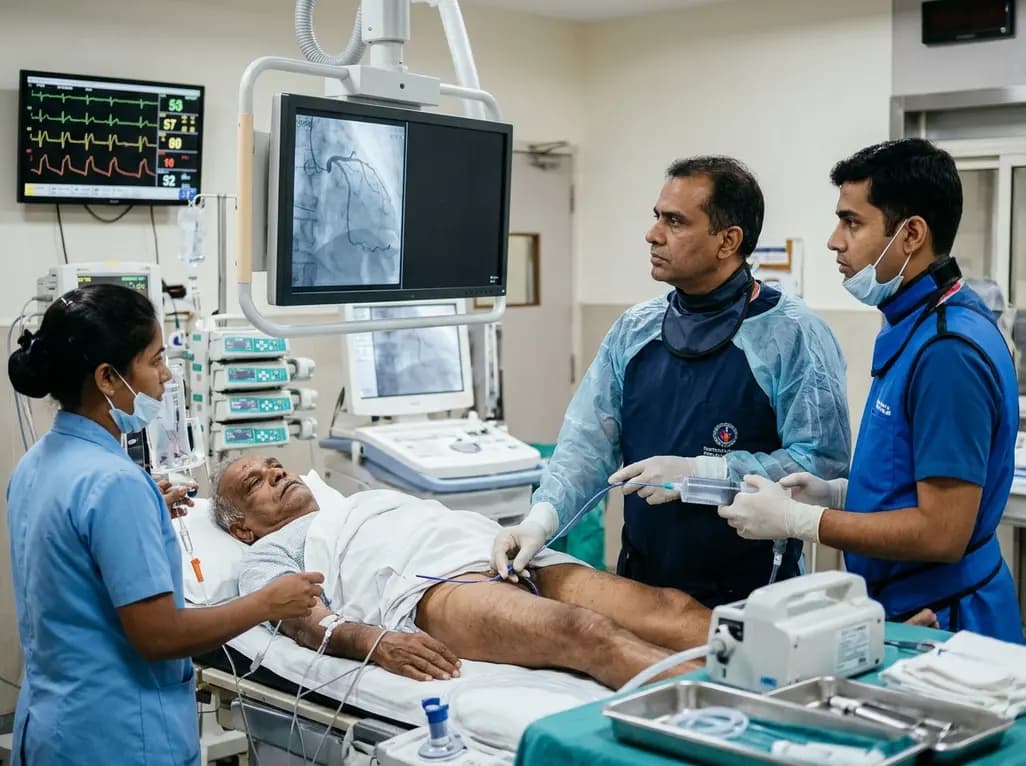
An elderly man with partially repaired Tetralogy of Fallot presented with STEMI caused by coronary embolism rather than atherosclerosis. Successful treatment with sustained mechanical aspiration thrombectomy underscores the vital need for high clinical vigilance in adult congenital heart disease.
Today

A comparative review of tension band wiring and intramedullary screw fixation in thumb metacarpophalangeal arthrodesis, evaluating union rates, hardware complications, and clinical outcomes.
Today

Following regulatory scrutiny from FSSAI regarding promotional representations and lean muscle preservation claims, Dr. Reddy's Laboratories and Nestlé Health Science are currently reviewing the branding and marketing strategy for their joint nutritional supplement Celevida GLP+.
Today
