.webp&w=384&q=75)

Loading, please wait...
Loading, please wait...

A landmark study by IIT Madras has revealed a dramatic improvement in Tamil Nadu's post-pandemic maternal health outcomes. While the second COVID-19 wave severely disrupted obstetric care, the state's healthcare system subsequently emerged much stronger. Consequently, key health indicators for both mothers and newborns have now surpassed even their pre-pandemic baselines. This resilient rebound demonstrates that strategic public healthcare investments during a crisis can yield long-term societal benefits.
Specifically, researchers analyzed eight years of real-world ambulance registry data from 2017 to 2024. This extensive dataset represented a population of over 84 million people across 42 districts. As published in BMC Pregnancy and Childbirth, the maternal mortality ratio fell to 37 deaths per 100,000 live births. Remarkably, this represents a 19% drop below pre-pandemic levels. Additionally, home deliveries decreased by 36.1% against the pre-pandemic baselines.
Furthermore, other crucial clinical indicators showed remarkable progress. Miscarriages fell by 28% and complicated vaginal births declined by 19.2%. Similarly, neonatal mortality dropped by 17%, while infant mortality decreased by 14%. To support these clinical gains, ambulance response times for non-facility emergency calls also improved by up to 52.7%. Therefore, the emergency medical services network played an indispensable role in safeguarding lives.
To achieve these milestones, the state government executed several targeted interventions immediately after the first pandemic wave. For instance, they expanded the existing 108 ambulance fleet and recruited more paramedics and obstetricians. In addition, the state introduced risk-stratified antenatal care under prominent public schemes. These included the Pradhan Mantri Surakshit Matritva Abhiyan and the local Dr. Muthulakshmi Reddy Maternity Benefit Scheme. However, researchers emphasize that replicating this success requires substantial existing administrative capacity and robust infrastructure.
Q1: What were the key findings of the IIT Madras study on Tamil Nadu's maternal health?
The study showed that Tamil Nadu's post-pandemic maternal mortality ratio dropped by 19% to 37 deaths per 100,000 live births, which is significantly lower than the national average. Additionally, home deliveries decreased by 36.1%, miscarriages fell by 28%, and neonatal mortality dropped by 17%.
Q2: How did Tamil Nadu's emergency response system improve after the pandemic?
Through sustained investments, Tamil Nadu expanded its ambulance fleet and optimized response times. Consequently, ambulance response times for non-facility emergency calls fell by up to 52.7% compared to pre-pandemic benchmarks.
Q3: Which public health schemes supported this maternal healthcare transition?
The state leveraged key programs such as the Pradhan Mantri Surakshit Matritva Abhiyan and Tamil Nadu's Dr. Muthulakshmi Reddy Maternity Benefit Scheme to introduce risk-stratified antenatal care and improve overall outcomes.
Disclaimer: This content is for informational and educational purposes only. It does not constitute medical advice or replace professional judgment. Refer to the latest local and national guidelines for clinical practice.
References

Read summarized clinical updates, watch expert medical content, and earn CME certifications right from your smartphone.
Open your smartphone camera to scan and install.





An IIT Madras study reveals how Tamil Nadu's EMS investments during COVID-19 significantly improved post-pandemic maternal and neonatal survival rates....
4 months ago
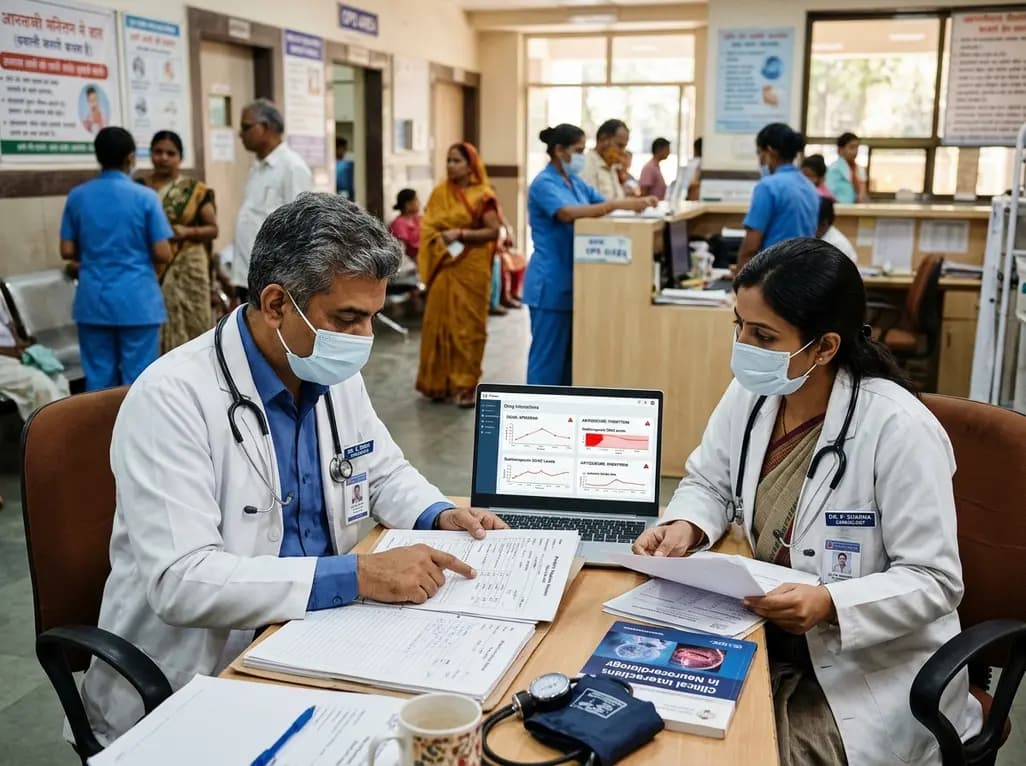
Co-administering antiseizure medications and DOACs frequently causes pharmacokinetic interactions, subtherapeutic drug levels, and thromboembolic failures. This review highlights enzyme induction risks, unpredictable outcomes with levetiracetam, and the vital role of therapeutic drug monitoring.
Today
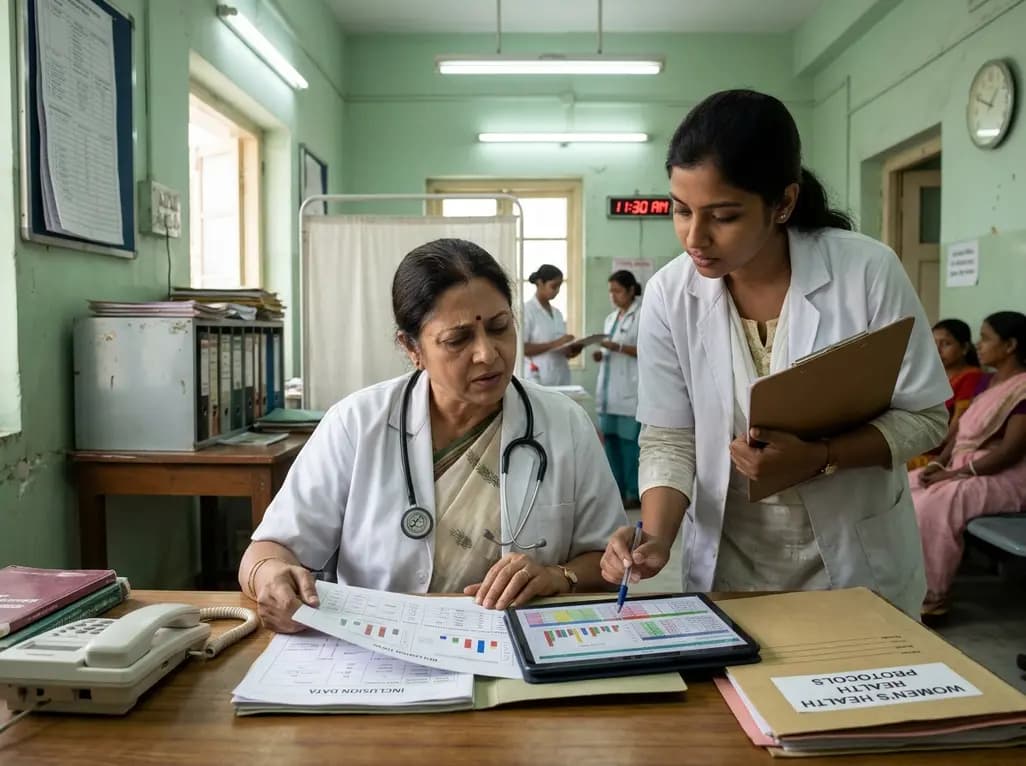
Demanding exhaustive hormonal profiling can inadvertently discourage clinical studies involving females. Methodological standards must align with the specific scientific question to expand, not restrict, equitable evidence for women.
Today
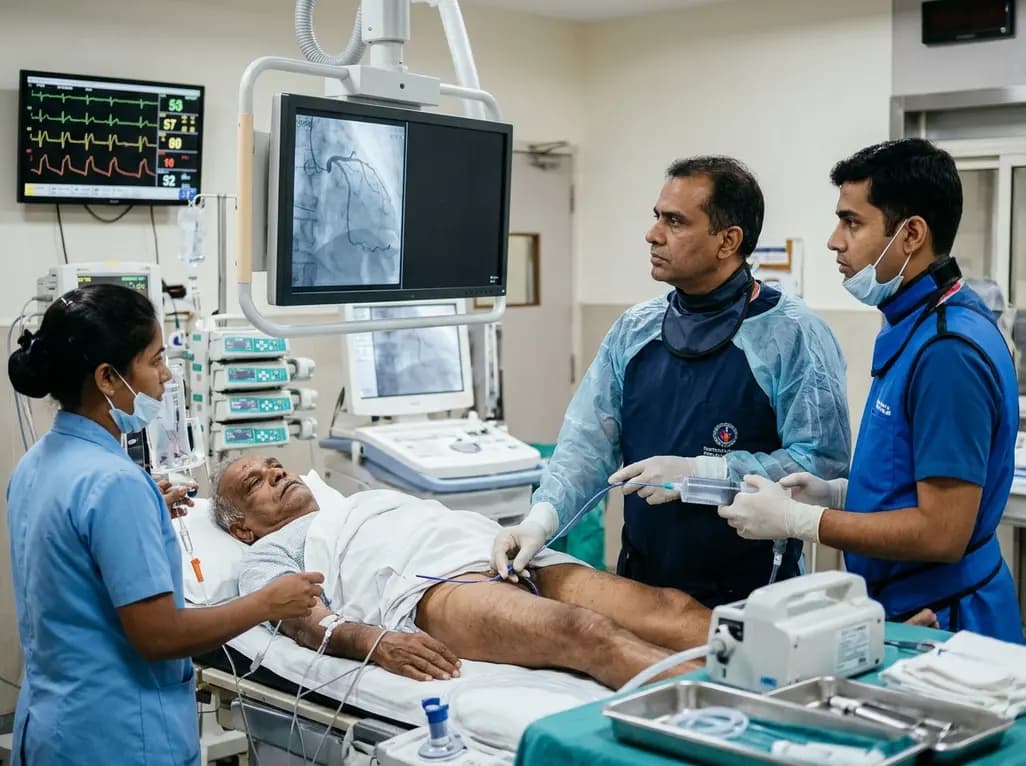
An elderly man with partially repaired Tetralogy of Fallot presented with STEMI caused by coronary embolism rather than atherosclerosis. Successful treatment with sustained mechanical aspiration thrombectomy underscores the vital need for high clinical vigilance in adult congenital heart disease.
Today
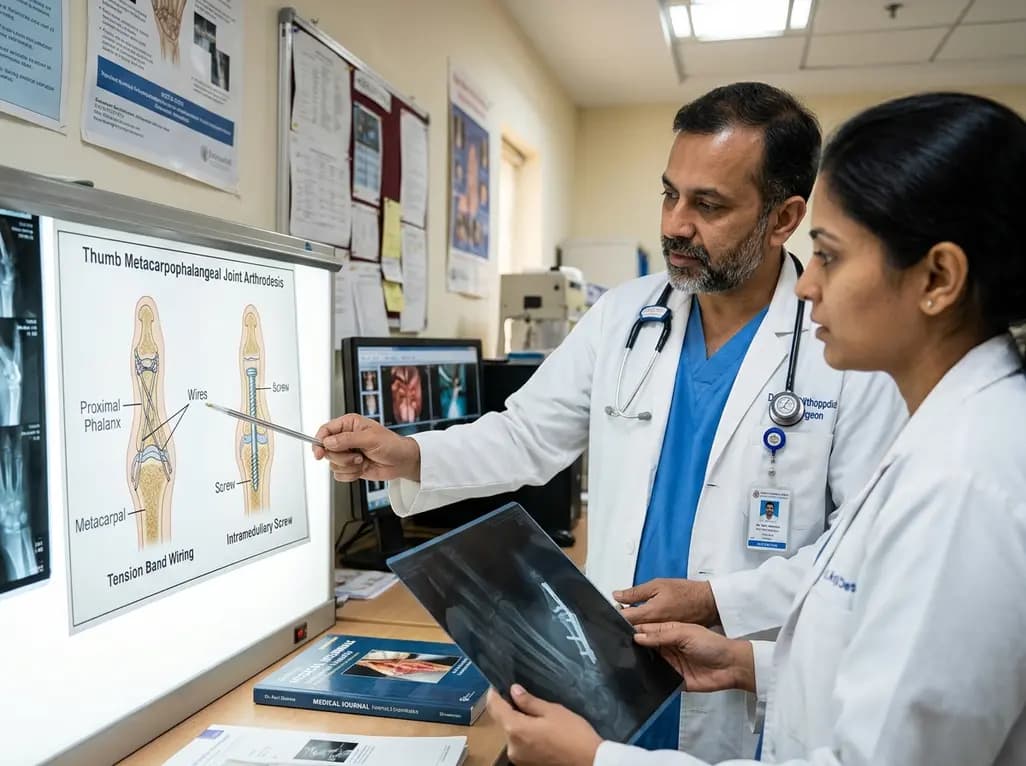
A comparative review of tension band wiring and intramedullary screw fixation in thumb metacarpophalangeal arthrodesis, evaluating union rates, hardware complications, and clinical outcomes.
Today

Following regulatory scrutiny from FSSAI regarding promotional representations and lean muscle preservation claims, Dr. Reddy's Laboratories and Nestlé Health Science are currently reviewing the branding and marketing strategy for their joint nutritional supplement Celevida GLP+.
Today
