.webp&w=384&q=75)

Loading, please wait...
Loading, please wait...
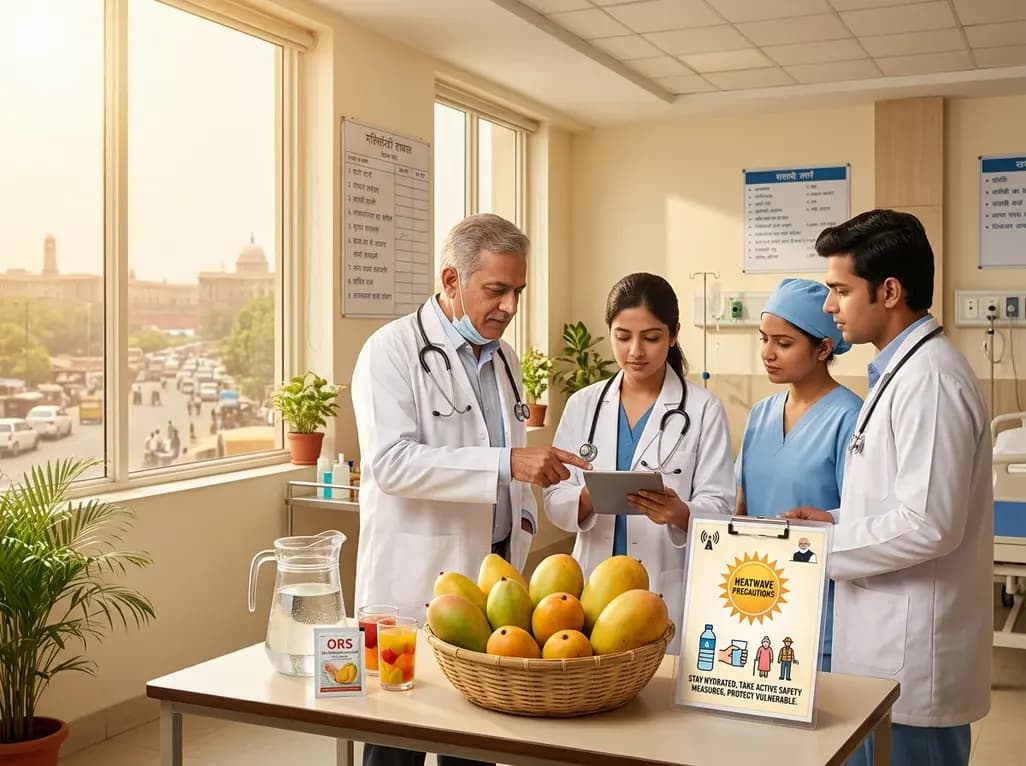
Recently, Prime Minister Narendra Modi addressed the nation during his monthly radio broadcast, Mann Ki Baat. He urgently advised citizens to stay hydrated as temperatures soar across India. Consequently, healthcare professionals are emphasizing the need for effective heat wave precautions to prevent thermal stress and clinical dehydration. Additionally, he highlighted the importance of following local health guidelines during these challenging weather conditions.
Extreme summer heat poses severe clinical risks, particularly for vulnerable cohorts like children and the elderly. When ambient temperatures rise, the human body actively works to maintain its core temperature through perspiration. However, excessive sweating can quickly deplete essential fluids and vital electrolytes, leading to acute dehydration. Without prompt treatment, this condition can rapidly progress to heat exhaustion or even life-threatening heat stroke. Therefore, clinical experts recommend consistent fluid intake, even before the onset of thirst. Furthermore, individuals must recognize early warning signs such as severe muscle cramps, persistent headaches, dizziness, and extreme fatigue.
To safeguard public health during peak summer months, individuals must implement active heat wave precautions. First, people should restrict outdoor activities to cooler parts of the day, specifically early morning or late evening. Second, wearing lightweight, loose-fitting, and light-colored cotton clothing helps facilitate body cooling. Moreover, individuals should carry water bottles whenever they step outside. In addition to water, consuming hydrating foods can support overall fluid balance. During his address, Prime Minister Modi interestingly noted how summer discussions in India always revolve around mangoes. Indeed, different regional varieties like Hapus, Kesar, Dussehri, and Langra bring joy to families. Besides their rich taste, fruits like mangoes can contribute to seasonal nutritional needs, provided people consume them in moderation.
Q1: What are the primary symptoms of heat exhaustion?
Common symptoms of heat exhaustion include excessive sweating, dizziness, rapid heart rate, fatigue, nausea, and muscle cramps. If you experience these signs, you must immediately move to a cooler place and sip cool water.
Q2: How much water should a person drink during a heat wave?
Generally, health experts recommend drinking at least eight to ten cups of water daily. However, if you must work outdoors, you should increase this intake by two to four cups per hour to replenish lost fluids.
Disclaimer: This content is for informational and educational purposes only. It does not constitute medical advice or replace professional judgment. Refer to the latest local and national guidelines for clinical practice.
References

Read summarized clinical updates, watch expert medical content, and earn CME certifications right from your smartphone.
Open your smartphone camera to scan and install.





PM Modi highlights the need to stay hydrated and take active safety measures during extreme summer temperatures across India, noting local regional mangoes....
4 months ago
Following Nigeria's first recorded Ebola case linked to regional travel, the Africa CDC has convened an emergency ministerial summit. This alert underscores critical clinical priorities for healthcare professionals, including differentiating early viral infection from malaria, implementing barrier nursing, and triage.
Today

Leucine Rich Bio has introduced South Asia's first comprehensive vaginal microbiome test, BugSpeaks. By profiling microbial dysbiosis, pathogens, and antimicrobial resistance, this next-generation diagnostic platform provides clinicians with deeper insights into recurrent infections, fertility, and reproductive health.
Today

Review how tailored exercise programs benefit frail older patients with heart failure. Explore pathophysiological mechanisms, individualized training prescriptions, and strategies to overcome adherence barriers in clinical practice.
Today

This comparative study evaluates posterior labral tears with and without glenohumeral instability, highlighting distinct demographic patterns, MRI underestimation in stable shoulders, and successful arthroscopic repair outcomes.
Today

A clinical study demonstrates that early intervention with tocilizumab, either as monotherapy or bridged with corticosteroids, achieves significant proptosis reduction and resolves active inflammation in treatment-naive thyroid eye disease.
Today
