.webp&w=384&q=75)

Loading, please wait...
Loading, please wait...

Primary pleural indolent lymphomas, such as marginal zone and follicular subtypes, are rare malignancies that often present diagnostic challenges. Because these entities show nonspecific clinical features, patients frequently experience diagnostic delays. However, recent research emphasizes that pleural lymphoma radiotherapy serves as a highly effective curative strategy for localized disease. These findings align with treatment protocols for other extranodal indolent lymphomas in sites like the stomach or lung.
Researchers recently evaluated patient data from the Surveillance, Epidemiology, and End Results (SEER) database to understand long-term outcomes. In this population-based cohort, patients with stage I-II primary pleural indolent B-cell lymphomas underwent radiation treatment. The median age of the group was 76 years. Interestingly, the results demonstrated a 10-year cause-specific survival rate of 100%. Moreover, the overall survival rate remained impressive at 83.3%. Consequently, these statistics suggest that radiotherapy is a relevant and potentially curative option for this specific patient population.
In addition to historical data, experts have proposed specific clinical recommendations to standardize management. For curative intent, clinicians should consider delivering a dose of 24 to 30 Gy. Furthermore, some selected patients might benefit from reduced-dose strategies, such as a 2×2 Gy approach followed by response-adapted completion. The target volume should ideally encompass the entire pleural mass while maintaining clinical target volume margins of 2 to 3 cm. Furthermore, using advanced planning techniques is essential to minimize radiation exposure to the heart and lungs.
Diagnostic accuracy remains a cornerstone of successful management. Because these lymphomas are so rare, multidisciplinary teams must ensure that the disease is truly localized before initiating treatment. While formal guidelines were previously absent, this first population-based study provides a robust framework for oncology teams. Ultimately, radiotherapy offers a path to long-term survival for those diagnosed with this rare lymphoma subtype.
Yes, research indicates that radiotherapy is highly effective for localized primary pleural indolent lymphomas, often leading to complete responses and excellent long-term survival.
The recommended dose for curative intent is 24 to 30 Gy. In some instances, a response-adapted approach using lower initial doses may be appropriate.
Radiation oncologists utilize advanced planning techniques and specific target volume margins to minimize exposure to the lungs and cardiac tissues.
Disclaimer: This content is for informational and educational purposes only and does not constitute medical advice, diagnosis, or treatment. Always seek the advice of a physician or other qualified health provider with any questions regarding a medical condition. Refer to the latest local and national guidelines for clinical practice.
References
Loap P et al. Radiotherapy as a curative strategy for primary pleural indolent lymphomas: Analytical guidelines based on literature and an illustrative population-based case series. Cancer Radiother. 2026 Jun 04. doi: undefined. PMID: 42241771.
Zucca E et al. Marginal zone lymphomas: ESMO Clinical Practice Guidelines for diagnosis, treatment and follow-up. Ann Oncol. 2020;31(1):17-29. doi: 10.1016/j.annonc.2019.10.010.
Hoskin P et al. 4 Gy versus 24 Gy radiotherapy for patients with indolent lymphoma (FORT): a randomised phase 3 non-inferiority trial. Lancet Oncol. 2014;15(4):457-463. doi: 10.1016/S1470-2045(14)70036-1.
"
Read summarized clinical updates, watch expert medical content, and earn CME certifications right from your smartphone.
Open your smartphone camera to scan and install.





New analytical guidelines suggest radiotherapy is a curative strategy for rare primary pleural indolent lymphomas, showing excellent 10-year survival rates....
4 months ago
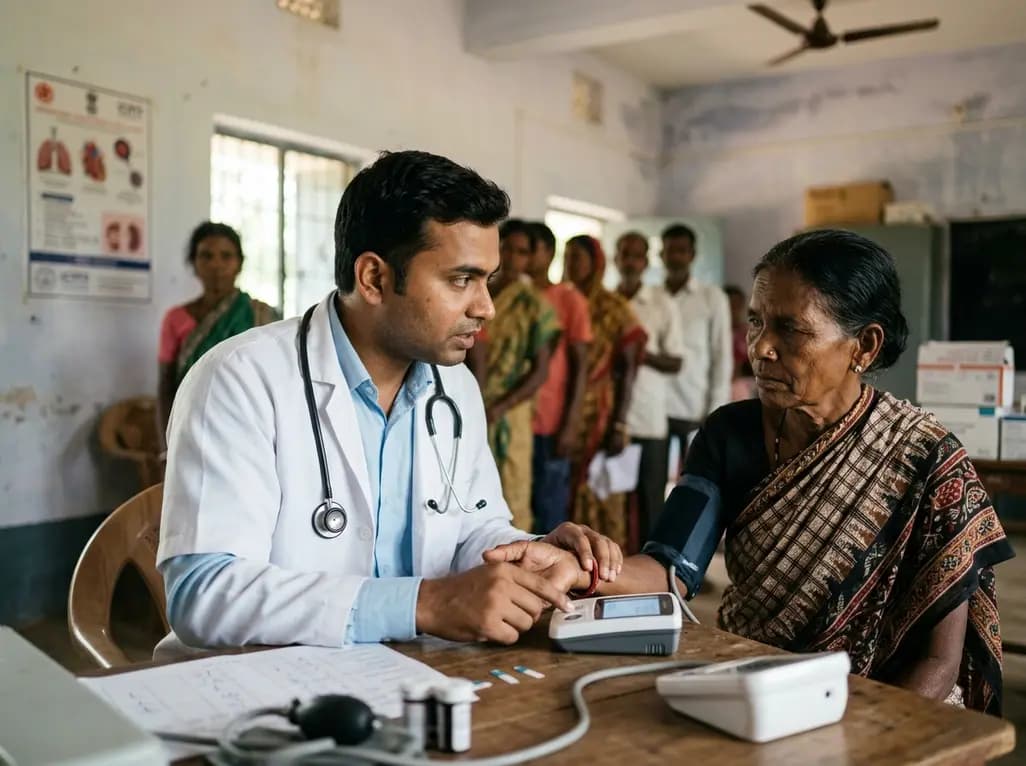
An ICMR study reveals that nearly 25% of tribal adults in Odisha suffer from renal decline. Driven by untreated hypertension, diabetes, and lifestyle risks, this hidden burden highlights the critical need for point-of-care diagnostics, proactive screening, and targeted non-communicable disease interventions.
Today

Recent research reveals distinct protein secretion profiles and morphometric shifts between euploid and aneuploid human blastocysts cultured in an advanced 3D endometrial platform, opening new avenues for non-invasive embryo assessment.
Today
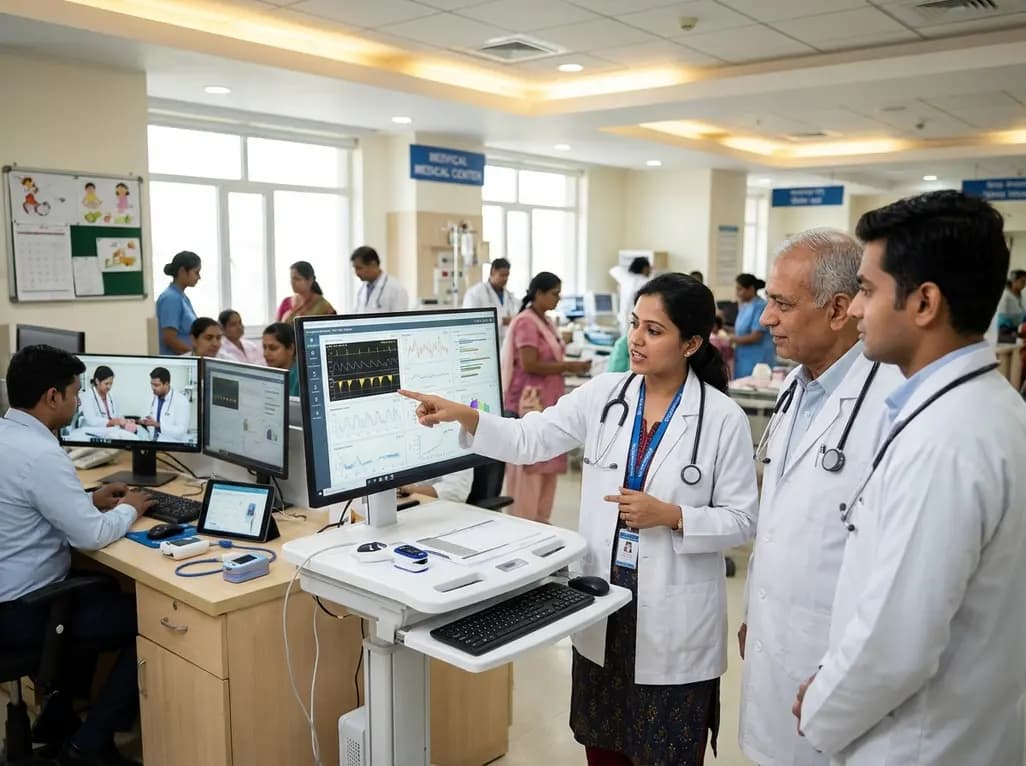
A landmark study details how an enterprise pediatric remote patient management model expanded from a single cardiology pilot to 16 diverse specialty programs by combining centralized digital operations with specialty clinical leadership.
Yesterday

Peripheral nerve injuries present clinical challenges due to regenerative mismatches between sensory and motor neurons. This review explores cutting-edge tissue-engineered nerve grafts designed as central-peripheral signal relays to overcome denervation atrophy and restore functional motor-sensory recovery.
Today

Protein O-GlcNAcylation couples cellular nutrient status to vital neuronal functions. This review explores how disrupted O-GlcNAc cycling drives both neurodevelopmental delays and neurodegenerative cascades, positioning metabolic post-translational modifications as therapeutic targets in clinical neurology.
Today
