.webp&w=384&q=75)

Loading, please wait...
Loading, please wait...

Optimizing thoracic drainage remains a fundamental surgical decision during corrective pediatric cardiac surgery. Surgeons frequently debate the relative utility of unilateral versus bilateral pleural drains in TOF repair. While bilateral evacuation intuitively promotes complete fluid clearance, inserting additional chest tubes increases tissue trauma, surgical time, and procedure-related risks. Consequently, clinicians must balance adequate thoracic decompression against potential procedural morbidity in vulnerable pediatric populations.
Surgeons frequently open both pleural spaces during corrective congenital heart surgery. Extensive dissection around the pulmonary arteries and right ventricular outflow tract easily breaches the pleura. Consequently, serosanguinous fluid and inflammatory exudates accumulate within the pleural cavities after cardiopulmonary bypass. Therefore, surgical teams must determine whether leaving bilateral tubes provides genuine clinical advantages over placing a single unilateral tube.
Historically, many pediatric cardiac centers favored bilateral drainage to prevent compression atelectasis. Practitioners assumed that residual pleural effusions inevitably prolong mechanical ventilation and increase pulmonary morbidity. However, thoracic tube insertion is not benign in small infants. Chest drains cause significant postoperative pain, restrict chest wall excursion, and create entry routes for pathogens. In addition, every tube carries an inherent risk of lung laceration or bleeding during placement and removal. Thus, pediatric cardiac surgical units require rigorous comparative data to refine their standard chest tube protocols.
A comprehensive retrospective cohort study evaluated 180 consecutive pediatric patients who underwent complete tetralogy of Fallot repair between 2020 and 2025. The investigators analyzed clinical outcomes associated with unilateral versus bilateral pleural drainage strategies. Notably, the researchers excluded complex outliers, including patients requiring extracorporeal membrane oxygenation, delayed sternal closure, or secondary interventions for established chylothorax.
Within the study population, 122 patients received a unilateral pleural drain, representing 68 percent of the cohort. Meanwhile, 58 patients received bilateral pleural drains, accounting for 32 percent of the cases. Children who underwent complex anatomical reconstructions more frequently received bilateral drainage, reflecting surgeon selection bias during demanding interventions. Furthermore, the researchers utilized multivariable regression models to adjust for critical confounders, including anatomical repair complexity, cardiopulmonary bypass duration, aortic cross-clamp time, and individual surgeon technique. Consequently, this analytical framework enabled robust comparisons between the two drainage approaches.
The study demonstrated significant differences regarding the primary outcome of undrained postoperative pleural effusion detected on routine chest radiographs. Specifically, undrained effusions occurred in 42.6 percent of patients in the unilateral drainage group. In contrast, only 5.2 percent of patients in the bilateral drainage cohort developed undrained effusions. This marked disparity achieved strong statistical significance.
However, the clinical relevance of these radiographic findings requires careful interpretation. Although radiographic effusions occurred far more frequently with unilateral tubes, very few children required secondary pleural interventions. Specifically, 9 patients in the unilateral group required secondary tube insertion, representing 7.4 percent of that cohort. Meanwhile, no patient in the bilateral group required subsequent tube placement. Statistical analysis revealed that this secondary intervention difference did not achieve full significance. Therefore, many radiographic effusions after unilateral drainage proved clinically silent and resolved spontaneously without aggressive invasive measures.
Crucially, the study uncovered a notable disadvantage regarding procedural morbidity in the bilateral group. Pleural drain-related complications occurred significantly more often when surgeons placed bilateral chest tubes. Specifically, 4 patients in the bilateral group developed pneumothoraces that necessitated active clinical interventions. Conversely, only 1 patient in the unilateral group developed a mild, self-resolving subcutaneous emphysema.
Moreover, the reduction in radiographic effusions did not translate into superior recovery milestones. Multivariable regression confirmed that bilateral drain placement was not associated with shorter durations of invasive mechanical ventilation. Similarly, bilateral drainage failed to reduce postoperative diuretic scores or shorten intensive care unit length of stay. Consequently, patients with bilateral tubes experienced identical recovery trajectories despite undergoing more invasive initial thoracic drainage. These findings emphasize that radiographic clearance does not automatically guarantee accelerated physiological recovery in pediatric intensive care units.
These findings provide actionable insights for pediatric cardiac surgeons and intensive care teams managing post-bypass physiology. Routine bilateral chest tube insertion exposes pediatric patients to increased procedural complications without delivering tangible improvements in ventilation or hospital stay. Therefore, indiscriminate placement of bilateral pleural tubes appears unnecessary for standard, uncomplicated tetralogy of Fallot reconstructions.
Instead, clinical teams should consider adopting a selective, individualized drainage strategy. Surgeons can reserve bilateral pleural drainage for highly complex anatomical repairs, prolonged bypass runs, or substantial intraoperative pleural disruption. Meanwhile, unilateral drainage represents a safe and effective approach for the majority of routine repairs. Furthermore, post-extubation surveillance should rely on focused bedside thoracic ultrasound and clinical respiratory assessments rather than reactive treatment of isolated radiographic effusions. Adopting this measured philosophy minimizes invasive interventions while maintaining excellent surgical safety.
Bilateral pleural drainage significantly reduced the incidence of undrained radiographic pleural effusions compared to unilateral drainage. Specifically, bilateral drainage lowered radiographic effusion rates from 42.6 percent down to 5.2 percent. However, multivariable analysis showed that this radiographic improvement did not shorten intensive care unit stay or duration of mechanical ventilation.
Yes, bilateral pleural drains caused significantly more tube-related complications. Four patients who received bilateral drains developed pneumothoraces requiring active clinical intervention. In comparison, only one patient in the unilateral drainage group developed a mild, self-resolving subcutaneous emphysema. Thus, bilateral tube placement increased procedural morbidity without conferring demonstrable recovery advantages.
Current evidence indicates that surgeons should avoid routine bilateral pleural drainage for uncomplicated repairs. Unilateral drainage provides adequate clinical decompression while minimizing complication risks. Surgeons should reserve bilateral drainage for complex anatomical reconstructions, substantial intraoperative bleeding, or extensive pleural violation, thereby avoiding unnecessary patient trauma and procedural complications.
Disclaimer: This content is for informational and educational purposes only and should not be used as a substitute for professional medical advice, diagnosis, or treatment. Always seek the advice of your physician or other qualified healthcare provider with any questions you may have regarding a medical condition or treatment. Refer to the latest local and national guidelines for clinical practice.
References
Geckt K et al. Bilateral vs unilateral pleural drains in tetralogy of Fallot repair. Cardiol Young. 2026 Oct 08. doi: 10.1017/S1047951126124123. PMID: 42845153.
Stroud MH, Prodhan P, Moss MM, et al. Enhanced recovery after congenital cardiac surgery: minimizing invasive lines and tubes. World J Pediatr Congenit Heart Surg. 2020;11(4):450-458.
Bautista-Hernandez V. Chest tube management and pleural complications after pediatric cardiac surgery. Ann Thorac Surg. 2021;112(3):910-917.

Read summarized clinical updates, watch expert medical content, and earn CME certifications right from your smartphone.
Open your smartphone camera to scan and install.





A 2026 retrospective study compares unilateral versus bilateral pleural drains in tetralogy of Fallot repair. While bilateral drains reduced radiographic pleural effusions, they caused more tube-related pneumothoraces and yielded no measurable advantages in mechanical ventilation duration or ICU length of stay.
Today
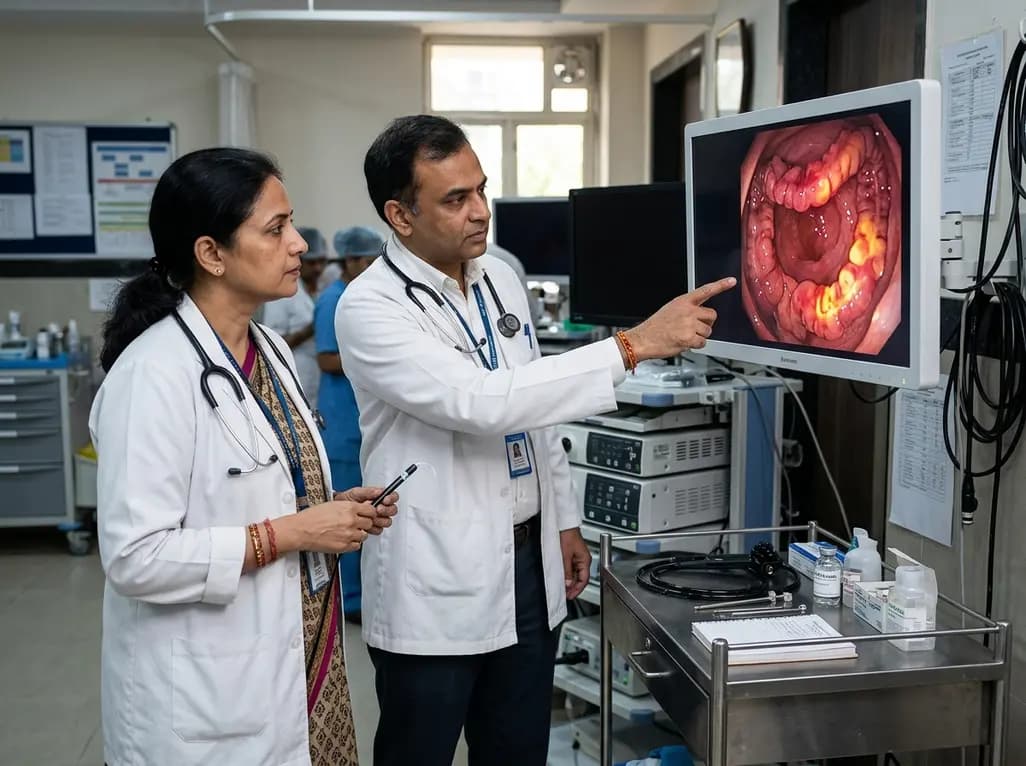
The novel chemiluminescent probe 2TPA-IsoL enables selective, deep-tissue monitoring of MPO-generated HOCl. This breakthrough offers real-time tracking of inflammatory bowel disease activity and therapeutic response.
Today

New evidence from Karolinska Institutet shows women vaccinated against HPV prior to conception have significantly lower rates of preterm birth and major perinatal complications. Clinicians in India can leverage these findings to strengthen adolescent immunisation and reproductive health advocacy.
Today

Review of artificial intelligence applications in pediatric cardiac critical care, exploring continuous physiologic monitoring, waveform analytics, vasoactive de-escalation, and implementation challenges.
Today
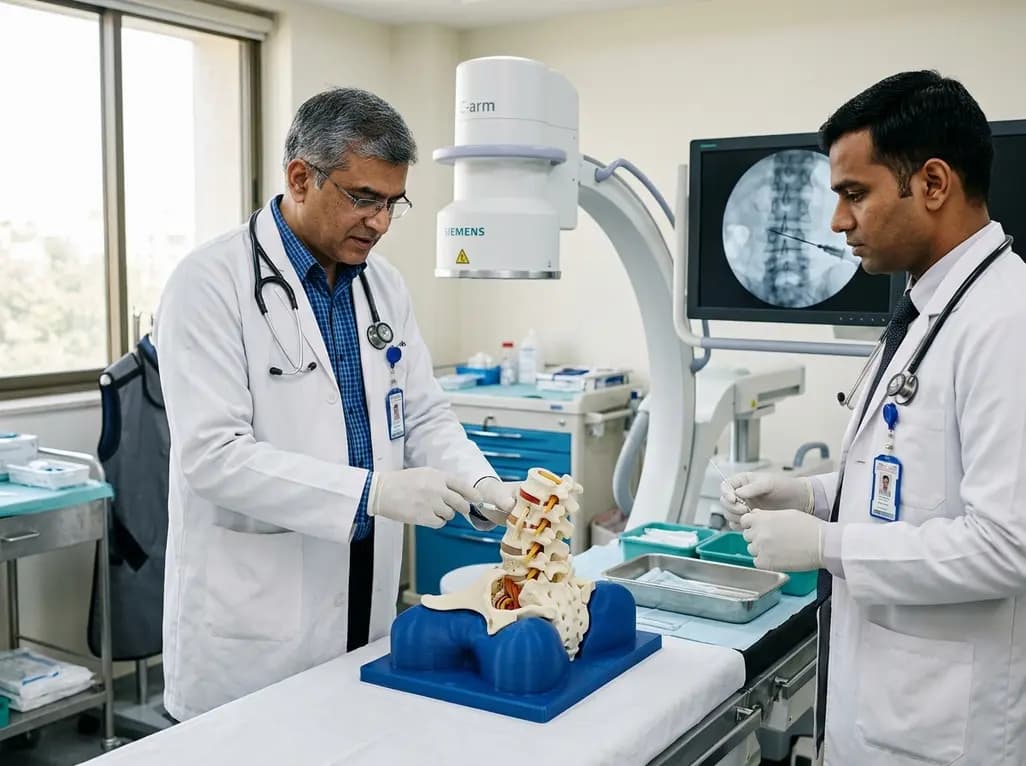
A novel 3D-printed lumbar spine simulator with tunable radiopacity provides realistic tactile and radiographic feedback for fluoroscopy-guided intervertebral disc puncture training, offering a low-cost, ethical alternative to cadaver models.
Today

A breakthrough study reveals that loss of SELENOT in hypothalamic POMC neurons triggers premature cellular senescence, ATF6α stress activation, and ER calcium depletion, linking neuroendocrine decay to metabolic disease.
Today
