.webp&w=384&q=75)

Loading, please wait...
Loading, please wait...
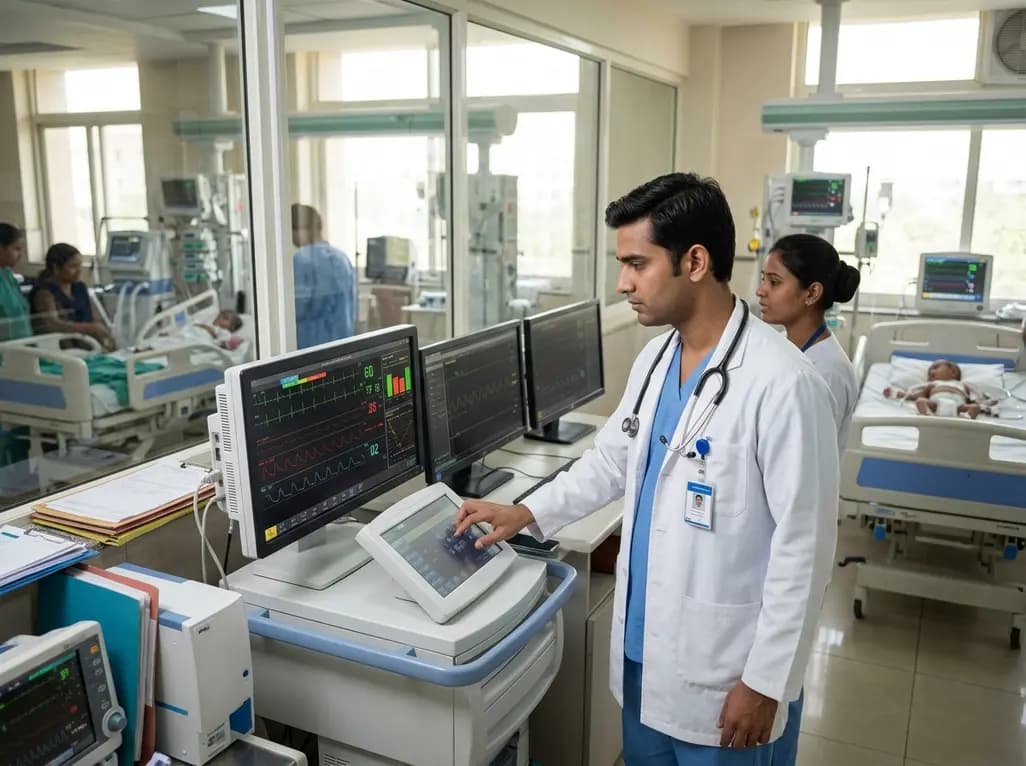
In recent years, pediatric cardiac critical care has witnessed a profound transformation driven by digital innovation. Furthermore, managing neonates and children with complex congenital heart disease requires intense vigilance during postoperative recovery. Bedside monitors generate thousands of data points every second. Consequently, clinicians must synthesize high-density streams while making rapid therapeutic decisions. Modern computational methods now convert raw physiological data into continuous, actionable insights.
Postoperative hemodynamic instability poses substantial risks to infants following corrective cardiac surgery. Traditional threshold alarms often alert clinical teams only after severe physiological decompensation occurs. In contrast, advanced machine learning models evaluate multivariable interactions across continuous electronic health records. These predictive algorithms effectively identify subtle trends preceding overt low cardiac output syndrome, malignant arrhythmias, and acute hyperlactatemia.
Modern tree-based ensembles and deep learning architectures capture nonlinear relationships among arterial line waveforms, core-to-peripheral temperature gradients, and central venous pressures. Therefore, automated surveillance systems calculate dynamic risk indices that alert bedside teams hours before cardiac arrest unfolds. Moreover, early recognition allows clinicians to optimize preload, adjust inotropic support, and prevent tissue hypoperfusion proactively.
Importantly, these predictive models provide a crucial cognitive safety net for intensive care teams. By synthesizing vast arrays of historical and real-time parameters, machine learning illuminates covert physiological trajectories that human observation might miss. Consequently, timely interventions reduce cardiac arrest frequency and stabilize fragile post-cardiotomy hemodynamics.
High-frequency physiologic waveforms contain immense prognostic information that conventional intermittent assessments overlook. Modern arterial line, electrocardiographic, and photoplethysmographic sensors record hundreds of data samples every second. Waveform intelligence applies deep learning algorithms directly to these high-resolution streams. As a result, monitoring systems detect minute morphological shifts in arterial pressure contours and cardiac rhythm patterns.
For instance, changes in arterial waveform slope and respiratory variations frequently signal impending ventricular failure. Similarly, spectral analysis of heart rate variability uncovers early autonomic dysfunction before heart rate or blood pressure cross standard abnormal thresholds. Near-infrared spectroscopy data further enrich these analytics by continuously monitoring regional cerebral and somatic tissue oxygenation.
Furthermore, continuous waveform processing eliminates artifacts generated by patient movement or vascular catheter flushes. Advanced algorithms distinguish true physiologic deterioration from sensor noise with remarkable precision. Consequently, intensive care units reduce false monitor alarms while preserving high sensitivity for true hemodynamic compromise. This technological capability transitions monitoring from reactive threshold alarms toward continuous physiologic intelligence.
Most critical care prediction tools traditionally focus on escalating therapy during acute clinical collapse. However, weaning supportive therapies after congenital heart surgery carries equal clinical importance. Practice variation regarding vasoactive medication weaning remains widespread across pediatric intensive care units. Prolonged unnecessary infusion of inotropes and vasopressors increases myocardial oxygen demand, promotes arrhythmias, and prolongs intensive care stay.
Recently, clinical researchers developed machine learning decision-support algorithms tailored explicitly for vasoactive de-escalation. These tools analyze continuous physiological stability, systemic oxygen extraction, and lactate clearance to assess readiness for medication tapering. In addition, prospective multicenter studies demonstrate that analytics-informed rounds safely reduce vasoactive infusion duration without increasing weaning failures.
Similarly, predictive models assess dynamic readiness for mechanical ventilation extubation. By evaluating spontaneous breathing trials alongside respiratory compliance and cardiac reserve, algorithms predict extubation success with high fidelity. Therefore, artificial intelligence helps clinicians de-escalate therapies promptly, which reduces post-surgical complications and shortens intensive care stays.
Despite compelling preliminary performance, pediatric cardiac algorithms face notable developmental hurdles. Congenital heart defects encompass hundreds of distinct anatomic variations and complex surgical reconstructions. Consequently, single-center datasets remain small and highly heterogeneous compared to adult cardiovascular cohorts. Models trained within an individual institution often overfit to localized surgical techniques and clinical practices.
Furthermore, published machine learning models frequently suffer from limited external validation. While tree-based ensembles demonstrate outstanding discrimination retrospectively, their performance often degrades across external centers. Many investigations also fail to report model calibration, which measures whether predicted probabilities match observed event rates.
Additionally, algorithmic bias poses genuine clinical risks if training datasets underrepresent specific patient subgroups or rare anomalies. To overcome these barriers, the international pediatric community must prioritize federated learning networks and shared data registries. Multicenter collaboration facilitates robust model development while safeguarding sensitive patient data. Consequently, algorithms achieve greater generalizability and maintain reliable diagnostic accuracy across diverse hospital environments.
Integrating artificial intelligence into active bedside workflows demands rigorous human-centered design. Clinicians cannot trust obscure predictions without clear physiological rationale. Therefore, modern models incorporate explainable artificial intelligence frameworks, such as Shapley Additive Explanations. These interpretability tools highlight specific physiologic drivers, including falling mixed venous oxygen saturation or climbing pulse pressure variation, behind each alert.
Moreover, successful deployment requires seamless integration into existing electronic health records. Bedside nurses and physicians experience significant alarm fatigue from routine monitoring hardware. If predictive systems generate frequent nuisance alerts, staff will rapidly disable or ignore the technology. As a result, developers must fine-tune alert thresholds to maximize positive predictive value and clinical relevance.
Finally, regulatory oversight and prospective clinical trials must establish whether artificial intelligence directly improves hard clinical outcomes. Algorithmic precision alone does not guarantee superior patient survival or shorter hospital stays. Thus, future implementations must demonstrate clear efficacy, reduce clinician burnout, and operate under strict multidisciplinary clinical governance.
Continuous waveform intelligence processes high-frequency physiological data streams, including arterial pressure lines and electrocardiography, directly at the patient bedside. Furthermore, advanced algorithms identify subtle morphological variations, rising pulse pressure fluctuations, and diminishing heart rate variability long before standard vital signs breach traditional static thresholds. Consequently, bedside clinicians receive reliable, actionable warnings hours prior to overt cardiovascular collapse, enabling proactive physiological stabilization and targeted therapeutic adjustments.
Yes, machine learning tools can safely standardize vasoactive de-escalation after congenital heart surgery. Rather than merely alerting teams to acute deterioration, these predictive models evaluate ongoing hemodynamic stability, systemic oxygen transport, and tissue perfusion markers. Moreover, multicenter clinical studies indicate that analytics-informed rounds successfully reduce the overall duration of vasoactive infusion therapy without increasing weaning failures, adverse rebound hypotension, or other postoperative clinical complications.
Currently, several barriers preclude autonomous artificial intelligence deployment in critical care settings. Anatomical heterogeneity in congenital heart disease creates significant data scarcity, which frequently causes algorithmic overfitting. Furthermore, few published algorithms have undergone rigorous multicenter external validation or prospective clinical trials. In addition, alarm fatigue, liability concerns, and the opacity of complex deep learning models mandate that artificial intelligence remains a physician-supervised decision-support tool rather than an autonomous actor.
Disclaimer: This content is for informational and educational purposes only and should not be taken as professional medical advice. It is not intended to diagnose, treat, cure, or prevent any condition. Healthcare professionals should always exercise their independent clinical judgment and seek advice from qualified experts. Neither the author nor the publisher assumes any liability for errors or omissions. Refer to the latest local and national guidelines for clinical practice.
References

Read summarized clinical updates, watch expert medical content, and earn CME certifications right from your smartphone.
Open your smartphone camera to scan and install.





Review of artificial intelligence applications in pediatric cardiac critical care, exploring continuous physiologic monitoring, waveform analytics, vasoactive de-escalation, and implementation challenges.
Today
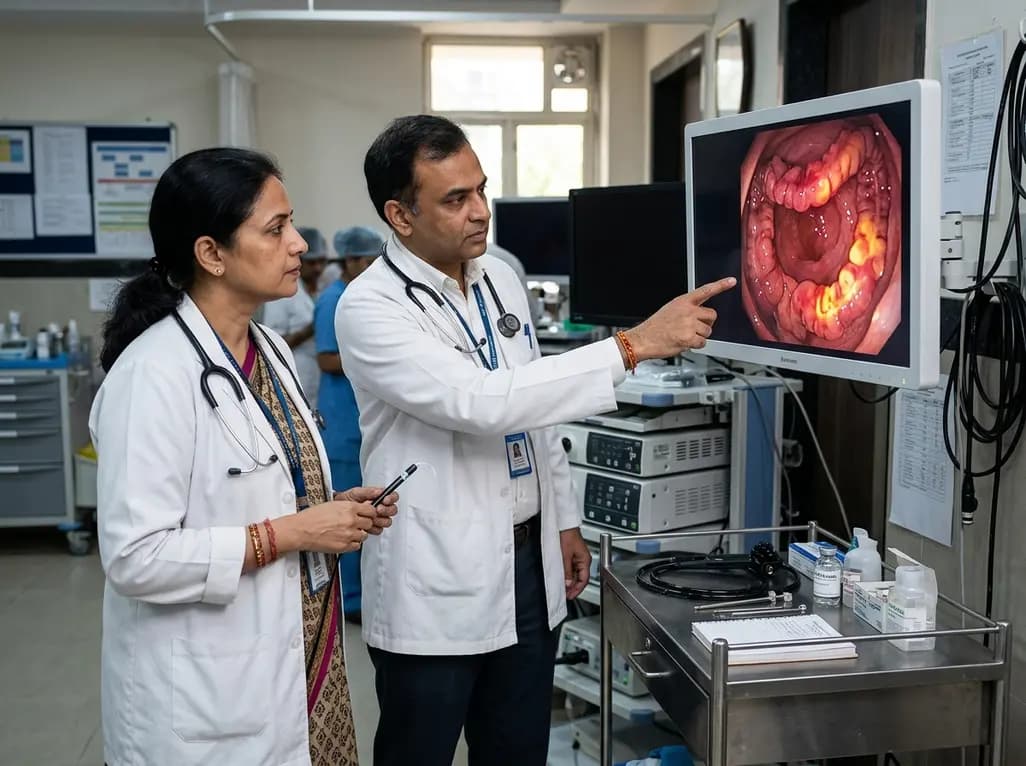
The novel chemiluminescent probe 2TPA-IsoL enables selective, deep-tissue monitoring of MPO-generated HOCl. This breakthrough offers real-time tracking of inflammatory bowel disease activity and therapeutic response.
Today

New evidence from Karolinska Institutet shows women vaccinated against HPV prior to conception have significantly lower rates of preterm birth and major perinatal complications. Clinicians in India can leverage these findings to strengthen adolescent immunisation and reproductive health advocacy.
Today
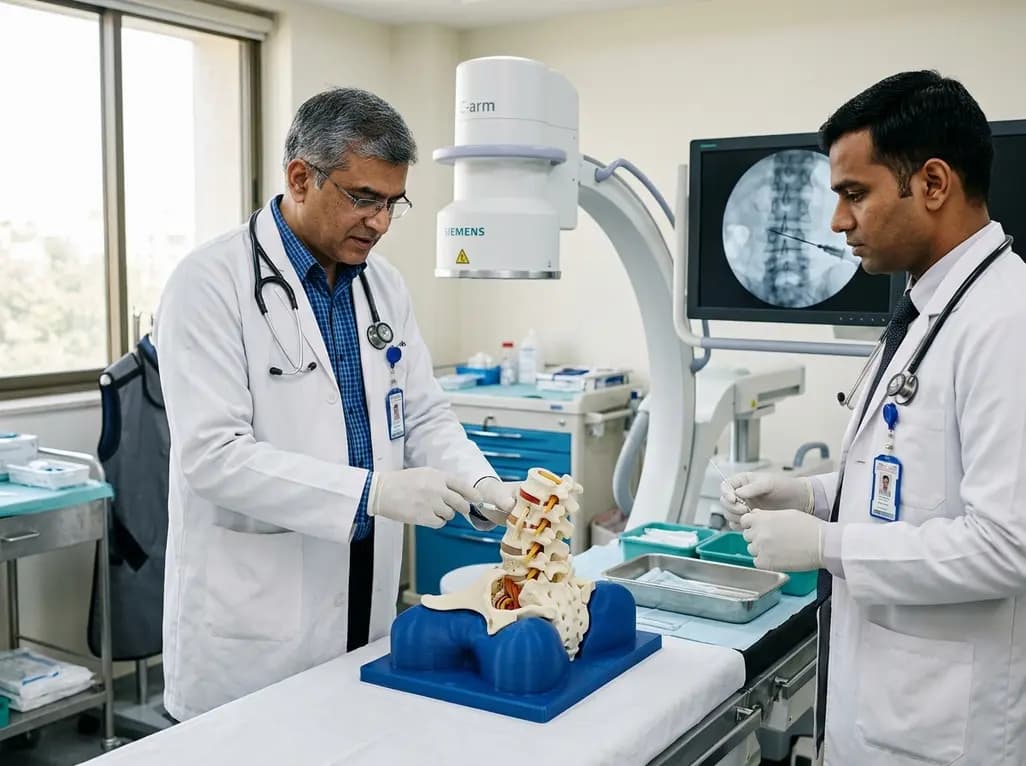
A novel 3D-printed lumbar spine simulator with tunable radiopacity provides realistic tactile and radiographic feedback for fluoroscopy-guided intervertebral disc puncture training, offering a low-cost, ethical alternative to cadaver models.
Today

A breakthrough study reveals that loss of SELENOT in hypothalamic POMC neurons triggers premature cellular senescence, ATF6α stress activation, and ER calcium depletion, linking neuroendocrine decay to metabolic disease.
Today
