.webp&w=384&q=75)

Loading, please wait...
Loading, please wait...
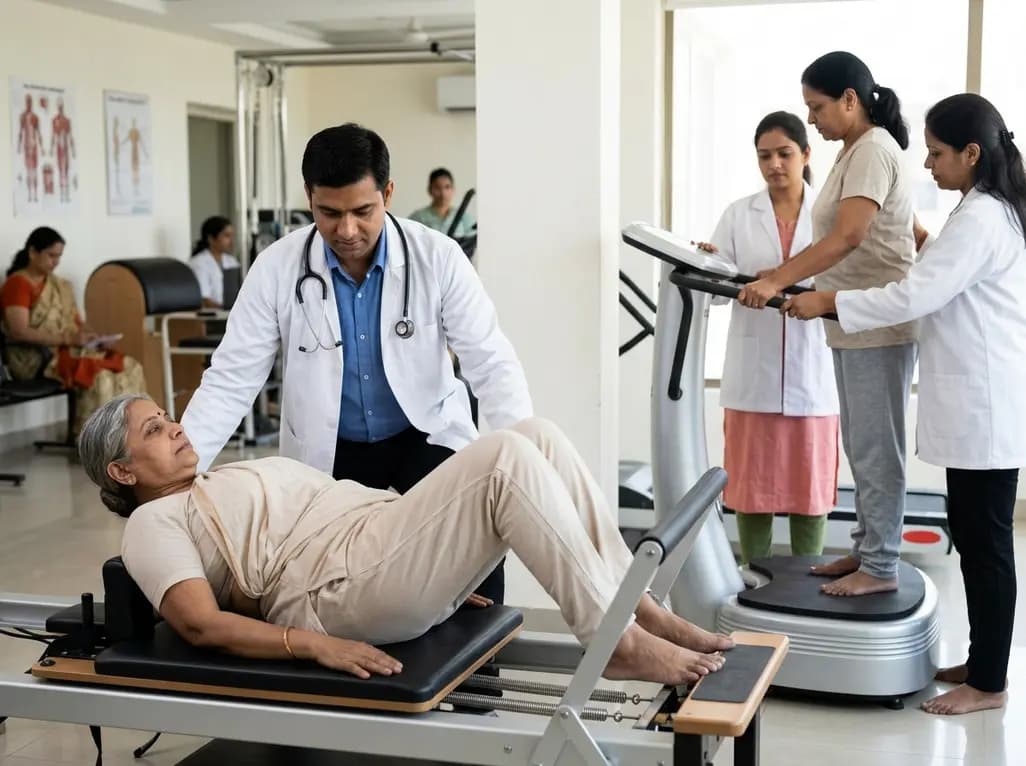
Multiple sclerosis frequently impairs postural stability, coordination, and ambulatory capacity. Consequently, clinicians constantly seek effective rehabilitation protocols to preserve mobility and prevent recurrent falls. Recent clinical investigations highlight the value of targeted neuromuscular training, specifically focusing on Pilates in multiple sclerosis to improve stability. Furthermore, emerging neurorehabilitation models integrate whole-body vibration to amplify sensory feedback and muscular recruitment. This review analyzes new randomized controlled trial evidence evaluating these combined therapeutic interventions.
Multiple sclerosis produces multifocal central demyelination, causing balance impairment, spasticity, and severe fatigue. Therefore, therapeutic exercise must stimulate neuromuscular pathways without triggering excessive physical exhaustion. Pilates emphasizes rhythmic breathing, core stabilization, and precise trunk alignment. As a result, this movement methodology strengthens deep abdominal and paraspinal muscles while refining postural control. In addition, physical therapists observe that proximal trunk stability provides the biomechanical foundation for coordinated extremity movement. When core stabilizing muscles engage effectively, patients experience improved balance during ambulation and directional changes. However, standard exercises do not always provide sufficient proprioceptive stimulation to enhance sensorimotor integration. To address this limitation, clinical researchers combine movement therapy with whole-body vibration. Whole-body vibration delivers mechanical oscillations across the musculoskeletal system. Consequently, these vibratory waves stimulate muscle spindles, triggering rapid tonic reflex contractions. Furthermore, oscillatory input activates somatosensory cortex networks responsible for motor balance. By pairing Pilates with vibration, clinicians hope to optimize functional recovery and promote meaningful neuroplasticity.
A single-blind randomized controlled trial conducted between December 2023 and September 2024 evaluated this intervention strategy. Specifically, investigators recruited thirty-four individuals with multiple sclerosis, including nine men and twenty-five women. The participants had a mean age of thirty-seven years. Subsequently, the researchers randomized patients into two cohorts: Pilates combined with whole-body vibration or Pilates alone. Both groups completed supervised sixty-minute sessions twice weekly across a six-week intervention period. Furthermore, certified physiotherapists monitored adherence, technical execution, and patient tolerance during every training session. The research team conducted comprehensive evaluations at baseline and post-intervention. Primary outcomes included static posturography, balance confidence scores, core muscular endurance, and lower-limb functional power. In addition, researchers assessed functional mobility through the timed up-and-go test and the six-minute walk test. Secondary outcomes measured manual dexterity via the nine-hole peg test and fatigue levels using validated questionnaires. Thus, the rigorous clinical design provided an objective comparison of isolated and combined neurorehabilitation protocols.
The randomized trial demonstrated significant functional gains in both intervention arms after six weeks. For example, computerized posturography revealed measurable enhancements in single-leg stance stability and directional limits of stability. Similarly, participants registered marked improvements on the Activities-Specific Balance Confidence Scale. Therefore, patients experienced greater psychological confidence during daily balance-demanding tasks. Furthermore, mobility evaluations confirmed substantial functional progress. Participants achieved significantly faster completion times on the timed up-and-go test. Additionally, individuals increased their distance on the six-minute walk test, showing improved cardiovascular endurance and ambulatory capacity. These findings confirm that dedicated trunk and balance exercises meaningfully enhance locomotion. Interestingly, adding whole-body vibration provided potent oscillatory neuromuscular stimulation to the lower limbs. However, both groups achieved comparable and statistically significant improvements across primary functional mobility metrics. Consequently, clinicians can effectively implement either isolated Pilates or vibration-assisted regimens to improve ambulatory independence and reduce fall risk.
Beyond ambulatory performance, investigators observed notable improvements in core endurance, upper-limb function, and chronic fatigue. Muscular conditioning improved significantly across both study arms following the six-week protocol. Specifically, patients demonstrated extended endurance times during trunk flexion and bridge assessments. In addition, participants completed more repetitions during the five times sit-to-stand test, reflecting enhanced quadriceps power. Crucially, secondary outcomes demonstrated broader systemic benefits. Patients in both cohorts showed faster completion times on the nine-hole peg test. This finding indicates that proximal trunk stabilization directly enhances distal upper extremity dexterity. Furthermore, both groups achieved significant reductions on the Fatigue Severity Scale and the Fatigue Impact Scale. Chronic fatigue severely impairs functional quality of life in demyelinating disease. Therefore, therapeutic interventions that reduce perceived fatigue without inducing exacerbations offer vital clinical utility. Ultimately, progressive core exercises promote sustained physical stamina and facilitate daily living activities.
These clinical findings provide practical guidance for neurologists, physiatrists, and allied rehabilitation therapists. First, structured movement programs should emphasize progressive difficulty, correct alignment, and careful clinician supervision. Because multiple sclerosis manifests variably, practitioners must adapt exercise loads to each patient's functional disability level. Furthermore, clinicians can safely incorporate whole-body vibration platforms to supply novel sensory feedback and stimulate proprioceptors. However, clinicians should note that Pilates alone delivers substantial functional, postural, and energetic benefits. Consequently, centers lacking specialized vibration devices can confidently prescribe mat-based core conditioning programs. In addition, healthcare teams must encourage patient compliance and regular physical activity habits. Sustaining functional mobility improvements requires continuous motor engagement beyond the initial clinical intervention. Clinicians should also monitor subjective fatigue levels during training sessions to avoid excessive overheating. Therefore, personalized rehabilitation regimens empower individuals with multiple sclerosis to maintain physical autonomy and prevent disability progression.
Clinical research indicates that engaging in supervised sessions twice weekly for six to eight weeks produces robust neuromuscular benefits. This biweekly frequency permits sufficient muscular recovery while delivering adequate training volume to facilitate neuroplastic adaptation. Additionally, trained physical therapists should individualize exercise intensity to prevent overexertion. Consequently, structured biweekly programs consistently enhance dynamic balance, boost ambulatory endurance, and reduce fatigue without triggering symptom relapses in multiple sclerosis.
Whole-body vibration delivers rapid mechanical oscillations that stimulate muscle spindle afferents and cutaneous receptors throughout the body. As a result, this stimulus induces tonic involuntary muscular contractions that enhance motor unit recruitment. Furthermore, oscillatory training augments proprioceptive feedback and stimulates cortical motor networks responsible for balance coordination. Clinicians frequently integrate vibration platforms with therapeutic exercises to accelerate neuromuscular activation. Consequently, patients develop greater lower-limb strength, enhanced postural stability, and improved movement efficiency.
Yes, clinical studies indicate that trunk muscle stabilization significantly enhances upper extremity fine motor control. Biomechanically, stable core musculature provides a secure foundation for coordinated shoulder girdle and arm movements. Therefore, when proximal trunk stability improves, patients execute hand tasks with higher accuracy and fewer compensatory movements. Additionally, coordinated neuromuscular training stimulates central motor control networks. Consequently, patients with multiple sclerosis often achieve faster completion times on manual dexterity assessments like the nine-hole peg test.
Disclaimer: This content is for informational and educational purposes only... Refer to the latest local and national guidelines for clinical practice.
References

Read summarized clinical updates, watch expert medical content, and earn CME certifications right from your smartphone.
Open your smartphone camera to scan and install.





A randomized controlled clinical trial evaluates the effects of Pilates training combined with whole-body vibration on balance, mobility, core endurance, manual dexterity, and fatigue in people with multiple sclerosis, highlighting meaningful rehabilitation benefits.
Yesterday
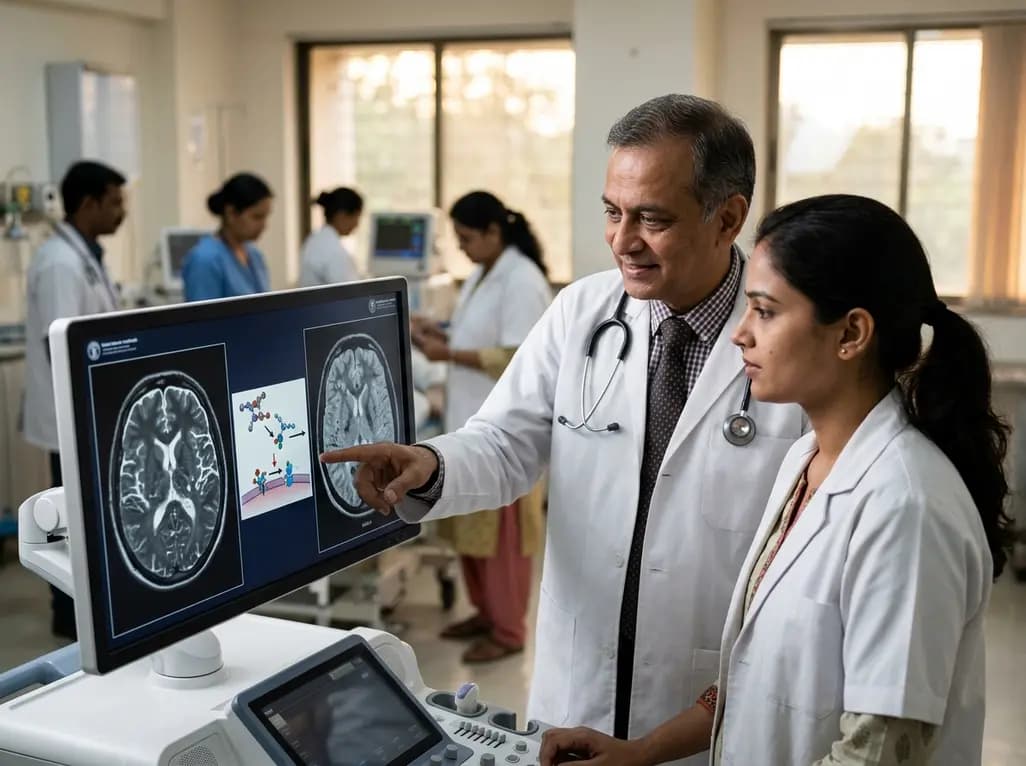
Groundbreaking research from Mount Sinai reveals that vascular injury driven by the APOE4 gene is an active, potentially reversible driver of dementia. By inhibiting TGF-beta signaling, researchers restored microvascular integrity and cleared amyloid, opening novel therapeutic avenues for neurodegenerative care.
Today

A nationwide study covering 3.7 million Swedish births reveals that prenatal exposure to TORCH pathogens significantly elevates long-term risks of intellectual disability and autism. Healthcare providers must recognize clinical indicators, promote prenatal prevention, and track early pediatric neurodevelopment.
Today
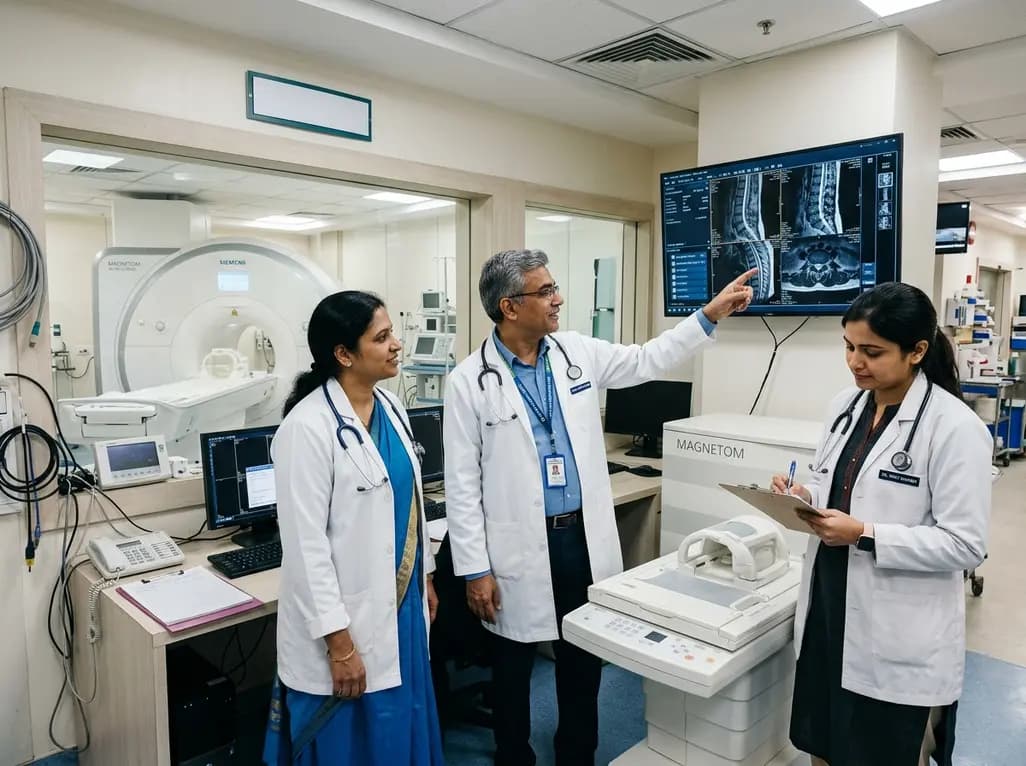
Under India's PLI initiative, domestic production of 57 critical medical devices has commenced, including MRI and CT scanners, cath labs, and heart valves. Global partnerships and local investments are expanding high-end technology, curbing import reliance, and strengthening clinical accessibility nationwide.
Today
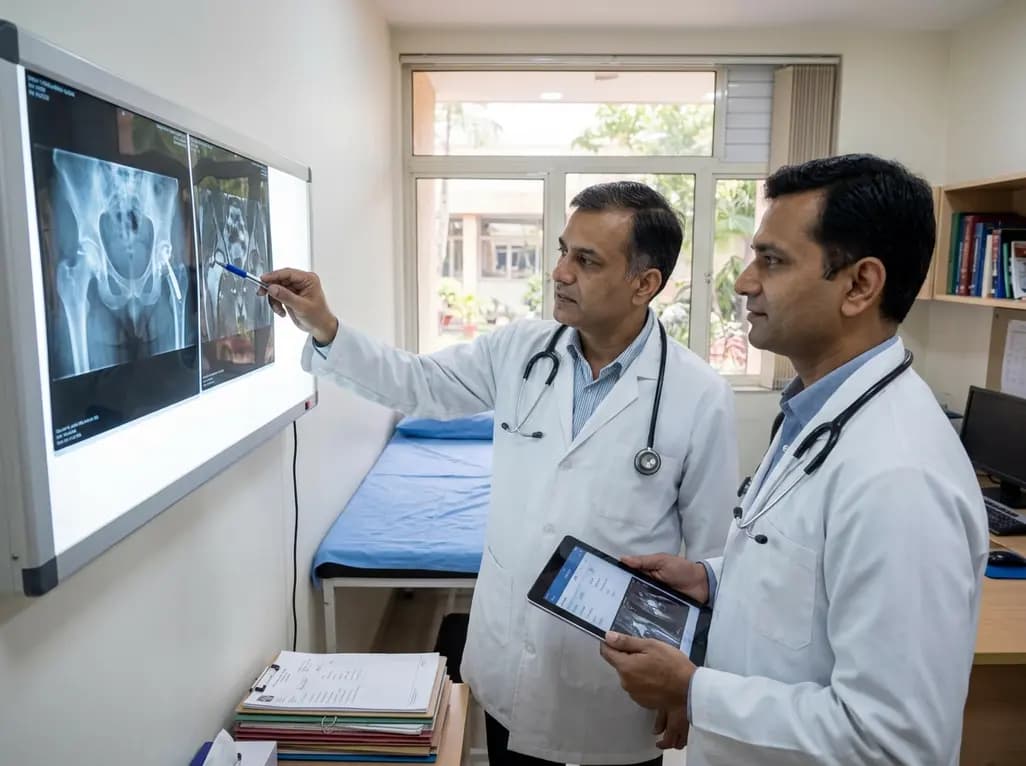
A longitudinal study reveals that patients undergoing staged bilateral hip arthroscopy experience progressive contralateral labral deterioration during surgical intervals. However, structural degradation does not compromise 2-year postoperative clinical outcomes or patient-reported satisfaction scores.
Today
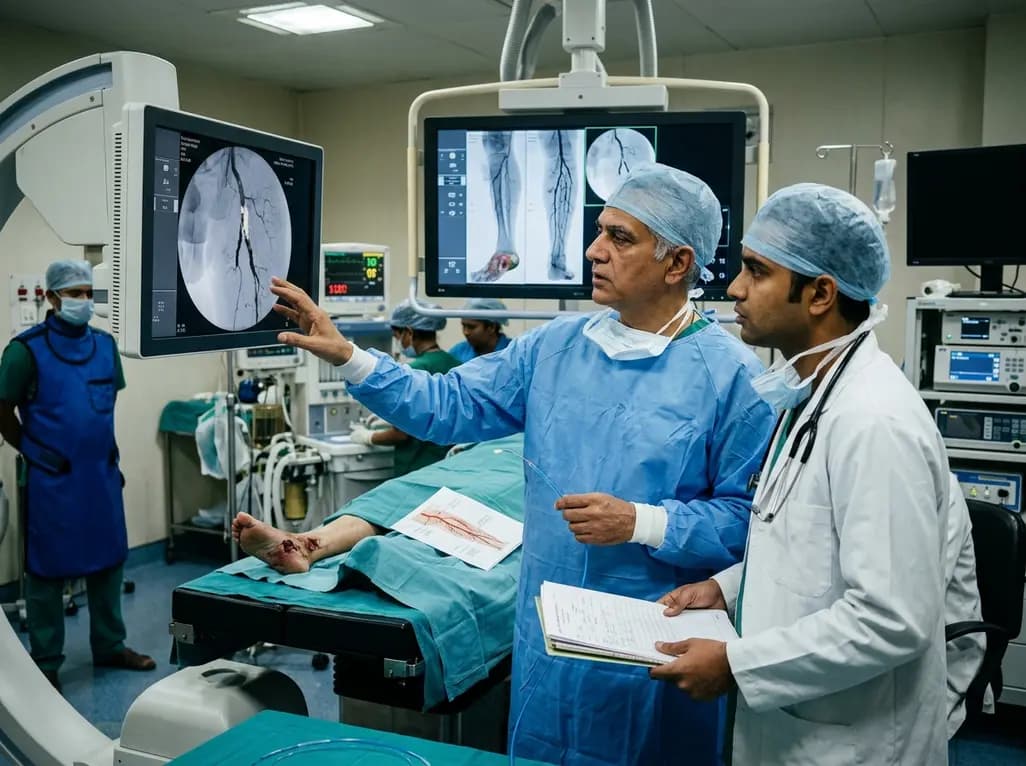
SWEDEPAD-1 trial insights show paclitaxel-coated devices do not improve long-term limb salvage in patients with chronic limb-threatening ischemia and tissue loss. While one-year reinterventions decreased, the devices were linked to a higher risk of major amputation at three months.
Yesterday
