.webp&w=384&q=75)

Loading, please wait...
Loading, please wait...
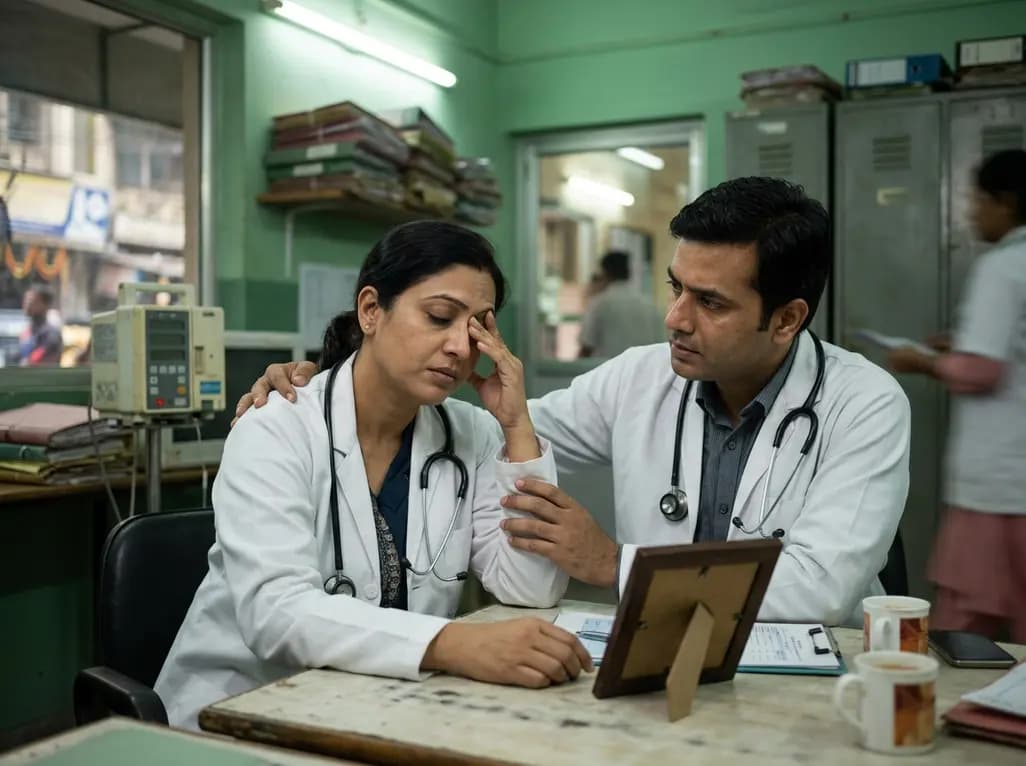
Identifying physician burnout factors is crucial because occupational stress directly impacts the quality of patient care. Specifically, a recent cross-sectional study conducted at MyMichigan Saginaw and Midland Health Systems examined how demographics like gender, age, and marital status influence clinician well-being. Consequently, the research investigated four distinct domains of exhaustion: client-related, work-related, personal, and overall burnout. Because hospitalists face unique pressure, understanding these specific variables is essential for developing effective intervention strategies.
Moreover, the study revealed that marital status plays a significant role in professional resilience. For instance, married or partnered hospitalists reported significantly lower client-related and overall burnout compared to their single or unpartnered peers. Therefore, the findings suggest that spousal support acts as a vital buffer against the emotional and interpersonal aspects of professional fatigue. However, it is important to note that this social support did not provide the same resistance against workplace-specific stressors. Thus, while personal relationships help, they cannot replace the need for systemic institutional improvements.
Furthermore, the data indicates that hospitals should consider relationship-aware support when designing work practices and scheduling. For example, accommodating family needs and promoting work-life integration may help improve hospitalist satisfaction and performance. Additionally, the study highlights that personal and client-related burnout are often separate from the demands of the medical environment itself. As a result, healthcare leaders must address both interpersonal and structural physician burnout factors to ensure long-term sustainability. Ultimately, fostering a supportive work culture and acknowledging external social assets will lead to a more resilient medical workforce.
The study identified marital status, age, and gender as significant variables. Specifically, it found that being married or partnered was associated with lower levels of overall and client-related burnout among hospitalists.
No, while spousal support reduces emotional and client-related exhaustion, it does not appear to protect against stressors specifically related to the workplace environment or administrative workload.
Hospitals can implement relationship-aware scheduling and improve work-life balance. By addressing structural physician burnout factors, institutions can improve the mental well-being and performance of their clinical staff.
Disclaimer: This content is for informational and educational purposes only. It does not constitute professional medical advice, diagnosis, or treatment. Always seek the advice of your physician or other qualified health provider with any questions you may have regarding a medical condition. Refer to the latest local and national guidelines for clinical practice.
References

Read summarized clinical updates, watch expert medical content, and earn CME certifications right from your smartphone.
Open your smartphone camera to scan and install.





A study on hospitalists in central Michigan identifies key physician burnout factors, highlighting that married or partnered clinicians report significantly lower client-related and overall burnout. These findings suggest that while spousal support is protective, systemic workplace changes remain necessary.
4 months ago

Following regulatory scrutiny from FSSAI regarding promotional representations and lean muscle preservation claims, Dr. Reddy's Laboratories and Nestlé Health Science are currently reviewing the branding and marketing strategy for their joint nutritional supplement Celevida GLP+.
Today
A comprehensive scoping review synthesises evidence linking prenatal maternal mental health to long-term offspring neurodevelopment, evaluating neuroendocrine, inflammatory, and epigenetic pathways while highlighting clinical screening and future research priorities.
Today

The Directorate General of Health Services directs Indian states to halt the hazardous reuse and reprocessing of single-use medical devices. Discover regulatory implications under the Drugs and Cosmetics Act, critical infection risks, legal liabilities, and operational changes required across clinical specialties.
Today

A 25-year multi-institutional cohort reveals high recurrence rates in pediatric giant cell tumor of bone, particularly in patients with open physes and bone marrow edema on preoperative MRI. Early surveillance and careful balance between growth plate preservation and tumor clearance are essential.
Today

India is advancing preventive healthcare by integrating genomics, artificial intelligence, and quantum technologies. With the SANGAM programme sequencing one million Indian genomes, clinicians can unlock personalized therapies, detect cardiometabolic risks early, and curb the burden of diabetes and heart disease.
Today
