.webp&w=384&q=75)

Loading, please wait...
Loading, please wait...
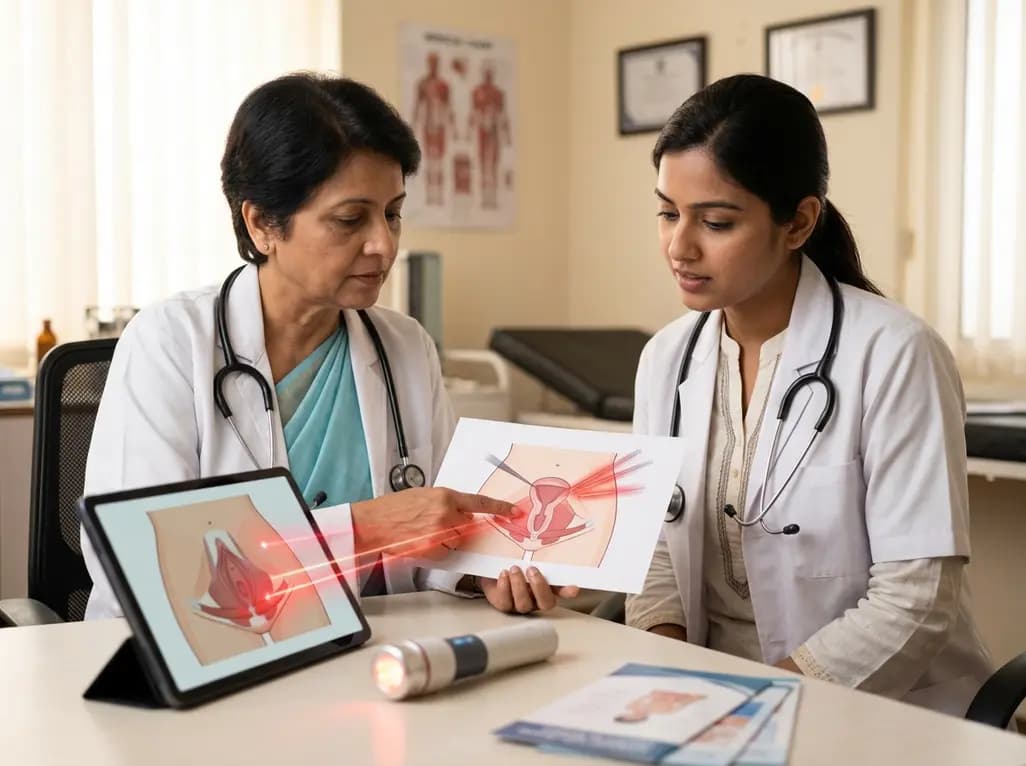
Genitourinary syndrome of menopause affects a significant proportion of postmenopausal women, leading to progressive vulvovaginal atrophy, sexual dysfunction, and lower urinary tract symptoms. Because hypoestrogenism compromises vaginal tissue elasticity, vascularity, and muscular tone, targeted therapeutic interventions remain essential for restoring pelvic health. Recently, clinical researchers have evaluated photobiomodulation for genitourinary syndrome as an innovative non-hormonal therapy. Photobiomodulation uses low-level light energy to stimulate cellular respiration and tissue repair. When clinicians combine light therapy with structured pelvic floor muscle training, the potential for synergistic physiological recovery increases substantially. In postmenopausal care, addressing both pelvic muscle contractility and mucosal tissue microcirculation is vital for comprehensive functional recovery. Many women cannot receive local estrogen therapy due to oncological contraindications or personal preference. Consequently, non-pharmacological modalities offer a promising alternative to manage dyspareunia, vaginal dryness, and urinary urge or stress incontinence. Recent evidence from randomized controlled trials provides important insights into how combining physical exercise with active light delivery optimizes patient-reported outcomes. Consequently, healthcare providers must evaluate these novel non-invasive options to refine multi-modal pelvic floor rehabilitation protocols. Understanding these evidence-based strategies allows clinicians to tailor personalized treatment plans for postmenopausal patients effectively.
To evaluate the clinical efficacy of non-invasive therapies, investigators designed a rigorous three-arm randomized controlled trial. The study enrolled women aged 45 to 65 years who experienced natural menopause for at least one full year. Researchers specifically excluded individuals who used hormone replacement therapy within three months prior to enrollment. Participants were randomly assigned to one of three treatment arms: pelvic floor muscle training combined with active photobiomodulation, pelvic floor muscle training combined with sham photobiomodulation, or isolated pelvic floor muscle training. The structured intervention spanned eight continuous weeks, during which participants attended two fifty-minute clinical sessions each week, totaling sixteen complete sessions. Experienced physical therapists administered the standardized pelvic muscle exercise regimens to ensure consistency across all cohorts. For groups receiving light therapy, intravaginal light delivery occurred alongside physical rehabilitation. Outcome measures were comprehensively recorded prior to intervention and immediately following the sixteenth session. Primary and secondary endpoints included objective pelvic floor muscle pressure measured via vaginal manometry, alongside standardized patient-reported outcome measures. Specifically, validated tools such as the Female Sexual Function Index and the International Consultation on Incontinence Questionnaire - Short Form evaluated changes in sexual dynamics and urinary distress. This methodical approach allowed researchers to isolate the added value of light therapy.
The clinical trial yielded compelling data regarding functional recovery and patient-reported quality of life. Objective vaginal manometry demonstrated superior numerical gains in pelvic floor muscle pressure within the combined active light therapy group, although between-group statistical significance was not reached. However, subjective sexual function outcomes showed dramatic, statistically significant improvements. The total score on the Female Sexual Function Index revealed a prominent statistically significant difference between the active photobiomodulation group and the sham photobiomodulation group, exhibiting a mean difference of 4.55 points. Domain-specific sub-analyses highlighted particularly robust improvements in the orgasm subdomain in favor of active photobiomodulation. Furthermore, urinary distress assessments using the International Consultation on Incontinence Questionnaire - Short Form demonstrated a clinically meaningful improvement of 3.06 points in the active light group relative to sham control. These findings confirm that while muscle power metrics show positive numerical trends, active photon therapy significantly accelerates sexual domain recovery and reduces urinary symptom burden. Patients receiving active combined treatment reported enhanced overall well-being, better sexual satisfaction, and reduced lower urinary tract discomfort. Therefore, adding active photobiomodulation to routine physical training delivers distinct functional benefits that standard exercise alone or placebo light delivery fails to match in menopausal cohorts.
The biological mechanisms underpinning photobiomodulation involve targeted red or near-infrared light absorption by intracellular chromophores, primarily cytochrome c oxidase within mitochondrial membranes. This photo-activation triggers an increase in adenosine triphosphate production, modulates reactive oxygen species, and stimulates cellular proliferation. In vaginal and pelvic tissues, light energy enhances localized microcirculation, promotes angiogenesis, and accelerates collagen synthesis within the urogenital mucosa. These histological changes directly counteract postmenopausal tissue atrophy by restoring epithelial thickness, elasticity, and physiological lubrication. Simultaneously, pelvic floor muscle training targets neuromuscular recruitment, muscle hypertrophy, and motor control of the levator ani complex. When clinicians combine photobiomodulation with active motor retraining, a dual-action therapeutic synergy occurs. Light therapy revitalizes the cellular matrix, microvasculature, and nerve endings of the urogenital mucosa, while physical exercise strengthens structural muscular support. This synergistic interaction explains why combined therapy yielded pronounced improvements in orgasmic function and urinary control. By optimizing cellular metabolism prior to or alongside mechanical conditioning, tissues exhibit greater resilience and functional adaptability. Thus, integrating photonic energy with physical rehabilitation offers a bio-physiologically sound approach to restoring urogenital health.
These clinical findings carry significant implications for gynecologists, urologists, and pelvic physical therapists managing postmenopausal care. Genitourinary syndrome of menopause remains a chronic, progressive condition that rarely resolves spontaneously without intervention. Although local estrogen therapy is long considered first-line treatment, many women experience contraindications, such as estrogen-receptor-positive breast cancer, or express hesitation regarding hormonal therapies. For these patient populations, evidence-based non-hormonal strategies are essential. Integrating photobiomodulation into standard pelvic floor rehabilitation protocols offers a safe, well-tolerated, and effective non-pharmacological alternative. Because the therapy significantly improves sexual function, including orgasm satisfaction, and reduces urinary leakage, it addresses core determinants of postmenopausal quality of life. Clinicians can confidently recommend combined protocols, knowing that light therapy enhances the benefits achieved through pelvic floor exercises alone. Moreover, the non-invasive nature of intracavitary photobiomodulation ensures high compliance and minimal risk of adverse events. Establishing standardized outpatient light therapy protocols can bridge the gap between conservative exercise regimens and medical interventions. As clinical awareness grows, multi-disciplinary care models combining physical therapy and phototherapeutics will likely become a standard of care in urogynecological practice.
While current results are highly promising, further research is warranted to optimize clinical delivery protocols. Future clinical trials should focus on evaluating the long-term durability of therapeutic outcomes beyond the immediate post-intervention period. Longitudinal follow-up studies extending to six or twelve months will help determine whether periodic maintenance sessions are required to sustain improvements in sexual and urinary function. Additionally, researchers must explore optimal light parameters, including specific wavelengths, power densities, radiant exposure thresholds, and session frequency. Comparative studies evaluating different delivery devices and treatment durations will refine standardized clinical guidelines. Expanding research to include diverse patient demographics, such as younger women with surgical menopause or cancer survivors experiencing treatment-induced atrophy, will broaden therapeutic applicability. Furthermore, investigating biological biomarkers, such as vaginal maturation index, mucosal pH, and connective tissue remodeling markers, could provide deeper mechanistic insights. As medical technology advances, portable or clinic-based photobiomodulation devices may become routinely integrated into holistic menopausal care programs. By continuously refining these non-invasive technologies, clinicians can offer tailored, evidence-based solutions that significantly enhance the long-term health, dignity, and quality of life for postmenopausal women globally.
Photobiomodulation for genitourinary syndrome is a non-invasive therapeutic modality that utilizes low-level red or near-infrared light energy to stimulate cellular metabolism within urogenital tissues. Light absorption by mitochondrial enzymes increases adenosine triphosphate production, enhances local microcirculation, and promotes collagen synthesis. This process helps restore vaginal tissue elasticity, improves mucosal lubrication, and alleviates dyspareunia and lower urinary tract symptoms associated with postmenopausal estrogen deficiency.
Combining light therapy with pelvic floor muscle training creates a synergistic biological effect. While pelvic floor exercises improve muscle tone, strength, and neuromuscular coordination, photobiomodulation enhances local microvascular blood flow, tissue flexibility, and mucosal nerve sensitivity. Clinical trial evidence demonstrates that this active combination significantly improves total sexual function scores, particularly in the orgasm domain, compared to exercise combined with sham light treatment or isolated exercise regimens.
Photobiomodulation serves as a highly effective non-hormonal alternative, particularly for postmenopausal women who have contraindications to hormone replacement therapy, such as a history of hormone-receptor-positive breast cancer, or those who prefer non-pharmacological options. While local estrogen therapy remains a standard treatment, active photobiomodulation combined with pelvic floor exercise significantly improves sexual function and reduces urinary distress without exposing patients to systemic or localized exogenous hormones.
Disclaimer: This content is for informational and educational purposes only and does not constitute medical advice, diagnosis, or treatment. Always seek the advice of a qualified healthcare provider with any questions you may have regarding a medical condition. Refer to the latest local and national guidelines for clinical practice.
References

Read summarized clinical updates, watch expert medical content, and earn CME certifications right from your smartphone.
Open your smartphone camera to scan and install.





A randomized controlled trial demonstrates that combining photobiomodulation with pelvic floor muscle training significantly improves sexual function and urinary distress in women with genitourinary syndrome of menopause, offering an effective non-hormonal therapeutic option.
last month

A cross-sectional observational study reveals that insomnia in major depressive disorder remains highly prevalent and debilitating despite pharmacotherapy. Over 60% of patients report moderate-to-severe insomnia, driving functional impairment and highlighting the urgent need for integrated sleep and mood interventions.
Today

A recent longitudinal study evaluated the link between prenatal loss of control eating and cardiovascular health using Life's Essential 8 frameworks. While direct associations across pregnancy were non-significant, the high prevalence of dysregulated eating highlights critical implications for obstetric practice.
Today

A cross-sectional analysis of NHANES 2013-2020 reveals that depressive symptoms and sleep disturbance significantly elevate the odds of cardiometabolic multimorbidity in adults with arthritis. Comprehensive clinical screening and integrated multi-organ interventions are vital to reduce overall cardiovascular burden.
Today

Systematic review comparing labral repair and reconstruction in primary hip arthroscopy shows comparable short- to mid-term patient-reported outcomes, with lower THA conversion after repair but superior outcomes for reconstruction in patients aged 40 and older.
Yesterday
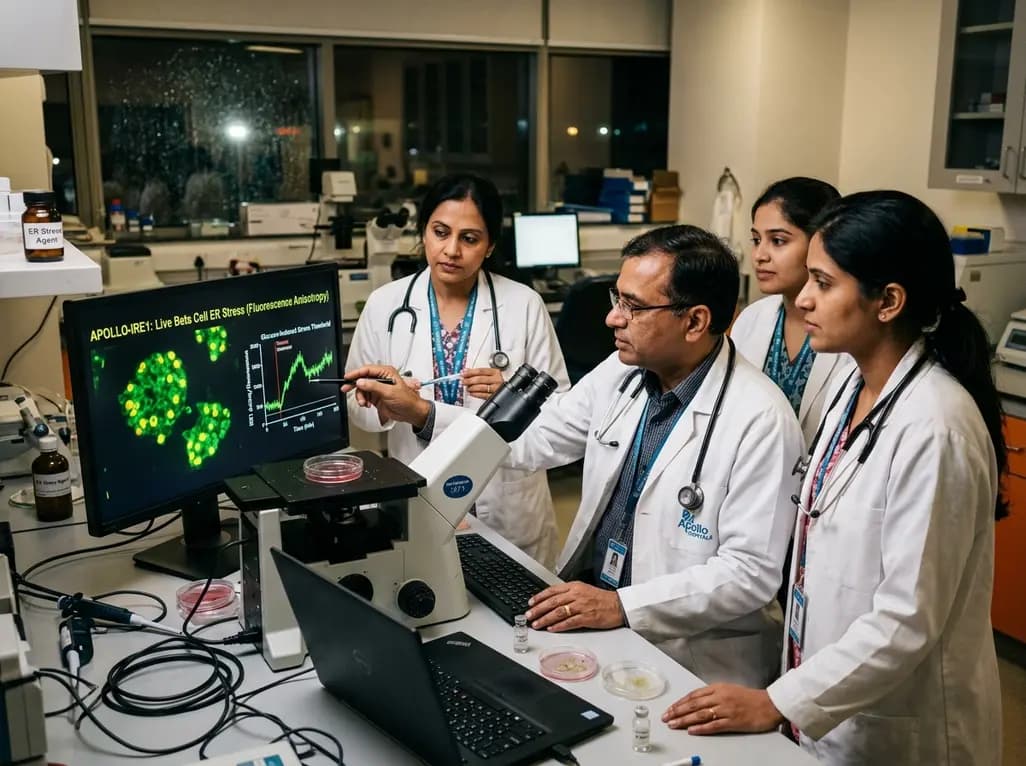
Apollo-IRE1 is a genetically encoded biosensor that monitors real-time endoplasmic reticulum stress dynamics in living pancreatic beta cells. By measuring IRE1 oligomerization through fluorescence anisotropy, it illuminates stress thresholds critical for understanding and treating diabetes.
Today
