.webp&w=384&q=75)

Loading, please wait...
Loading, please wait...
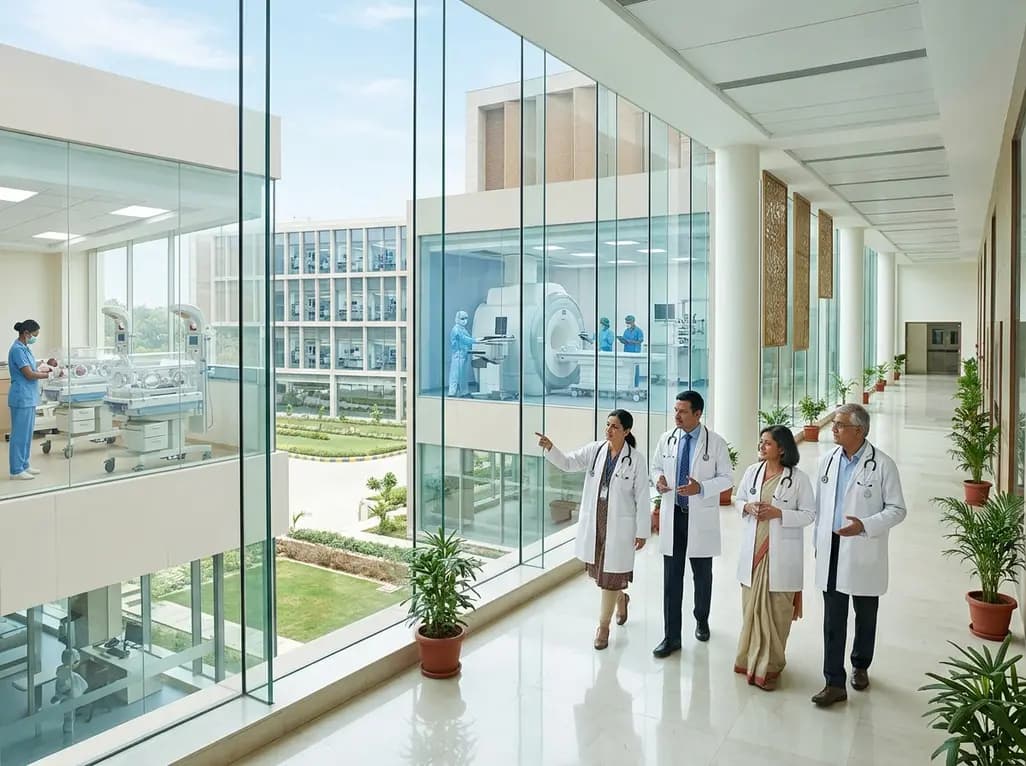
The upcoming physical inauguration will showcase three highly advanced clinical facilities. Specifically, these projects represent a combined financial investment of approximately Rs 1,200 crore. This extensive capital funding underlines the central government's commitment to advancing medical standards. PGIMER Director Prof Vivek Lal described the scheduled event as a historic turning point. Furthermore, the modern facilities will dramatically improve tertiary care across neighboring states. These states include Punjab, Haryana, Himachal Pradesh, Jammu and Kashmir, and Rajasthan. Patients currently face long waiting lists for advanced treatments at the hospital. Consequently, this infrastructure expansion will reduce waiting times and improve clinical outcomes. The institute will also integrate modern medical education with state-of-the-art facilities. Therefore, the upcoming upgrades will foster clinical research and elevate academic training. Ultimately, the new medical blocks will serve as centers of excellence. They will offer sophisticated tertiary services under one roof. This integrated design aims to establish a new benchmark in public healthcare delivery. In addition, this development will boost the regional healthcare economy. Medical professionals will find better opportunities for teaching and clinical research. Furthermore, the new projects will provide massive opportunities for PGIMER to conduct cutting-edge clinical trials.
The new Advanced Mother and Child Centre (AMCC) is a cornerstone of this expansion. Specifically, the institute constructed this facility at a total cost of Rs 505 crore. This 300-bed facility features highly advanced neonatal intensive care units and modular operation theatres. In addition, the center integrates comprehensive maternal and newborn care services under one single roof. Currently, the main hospital manages a very heavy patient load of high-risk pregnancies. Therefore, the new center will strengthen the institute's overall clinical capacity. It will help doctors manage over 6,000 high-risk deliveries every year. Notably, the Infosys Foundation generously contributed Rs 147 crore to acquire advanced clinical equipment. This unique partnership represents a highly successful model of public-private collaboration. Consequently, clinicians can now use the latest maternal screening tools. Moreover, the facility will significantly lower maternal and neonatal mortality rates in the region. Pediatricians and obstetricians will work closely to ensure seamless care for fragile newborns. Thus, the center will establish a new standard for maternal healthcare in India. This approach ensures that mothers receive specialized and highly integrated medical attention. Consequently, pregnant women will receive highly comprehensive obstetric care during emergencies.
In addition to maternal services, the Advanced Neurosciences Centre (ANC) represents another critical development. Specifically, this state-of-the-art 300-bed facility integrates multiple specialized clinical disciplines under one roof. These disciplines include neurology, neurosurgery, neuroradiology, neuroanaesthesia, neurocritical care, and neuroanaesthesia. Furthermore, the modern facility features 61 specialized intensive care beds and advanced diagnostic labs. This integration will significantly help in the clinical management of complex neurological disorders. Previously, patients faced major delays while transferring between different departments. Consequently, the centralized facility will dramatically reduce treatment delays for acute stroke patients. Prof Lal highlighted that the center would improve survival and long-term clinical outcomes. Moreover, it will establish PGIMER as a premier national hub for academic neuroscience training. Researchers will also benefit from dedicated neuro-rehabilitation facilities. Therefore, patients will receive comprehensive and continuous therapeutic support. Ultimately, the new building will decongest the main emergency wings of the hospital. This comprehensive approach will ensure that patients receive immediate, lifesaving neurological interventions. Furthermore, neurosurgeons will have access to high-end modular operation theatres for complex cerebrovascular surgeries. Thus, the institute will attract highly skilled neurologists and neurosurgeons from across the country. This shift will significantly enhance research in neuroscience.
The Prime Minister will also lay the foundation stone for the Critical Care Hospital Block. Specifically, the government is developing this 150-bed block under the Pradhan Mantri Ayushman Bharat Health Infrastructure Mission. This project will require an estimated investment of Rs 244 crore. Notably, administrators conceived this specialized facility in the immediate aftermath of the global COVID-19 pandemic. This block will significantly enhance regional emergency preparedness. In addition, it will offer multidisciplinary critical care services during public health crises. Currently, the existing critical care departments handle an overwhelming number of emergency cases daily. Consequently, the new dedicated block will optimize resource allocation and clinical staffing. Medical teams will have immediate access to isolated critical beds and advanced life support machines. Therefore, the hospital can quickly scale up operations during unexpected pandemic outbreaks. Moreover, the facility will serve as a training ground for emergency medicine specialists. Thus, this critical infrastructure will provide a major safety net for patients requiring urgent respiratory and cardiac care. Furthermore, these state-of-the-art facilities will help decrease patient cross-infections within the intensive care units. Additionally, this dedicated infrastructure will ensure optimal patient safety during critical emergencies.
Ensuring affordable access to healthcare remains a core priority for PGIMER administrators. Specifically, the Ayushman Bharat initiative has successfully democratized advanced surgical treatments. Many patients who previously faced extreme financial barriers can now access complex life-saving procedures without hardship. Furthermore, the hospital operates several AMRIT pharmacies on its campus. These pharmacies provide high-end medicines to patients at a fraction of their standard market cost. In fact, some critical drugs cost nearly one-three hundredth of their western equivalents. Consequently, this system drastically reduces out-of-pocket medical expenditure for marginalized families. Therefore, advanced healthcare in India does not have to be prohibitively expensive. The institute continues to expand its clinical infrastructure to meet the rising patient load. Director Lal emphasized that no patient should ever be deprived of high-quality medical services. Moreover, the upcoming facilities will help maintain this inclusive care model. Ultimately, the integration of central health schemes with state-of-the-art infrastructure will bridge the healthcare gap. Thus, PGIMER will continue to lead as a model of equitable public healthcare delivery. Furthermore, this proactive commitment ensures high-quality outcomes for patients regardless of their socio-economic backgrounds.
Q1: What will be inaugurated?
The Prime Minister will inaugurate the Advanced Mother and Child Centre (AMCC) and the Advanced Neurosciences Centre (ANC). Additionally, he will lay the foundation stone for a new 150-bed Critical Care Hospital Block. Together, these modern projects represent a massive investment of nearly Rs 1,200 crore. Consequently, these massive upgrades will significantly improve patient outcomes and clinical care across Northern India.
Q2: How will AMCC help?
The Advanced Mother and Child Centre is a state-of-the-art 300-bed facility designed to provide comprehensive neonatal and maternal services under one roof. Specifically, the modern facility features advanced neonatal intensive care units and modular operating theatres. Therefore, this center will strengthen the institute's capacity to manage over 6,000 high-risk pregnancies annually and significantly improve clinical outcomes for many fragile infants.
Q3: What does ANC integrate?
The Advanced Neurosciences Centre is a state-of-the-art 300-bed facility that integrates neurology, neurosurgery, neuroradiology, neuroanaesthesia, neurocritical care, and rehabilitative services. Specifically, the modern center features 61 specialized intensive care beds and advanced diagnostic labs. Consequently, it will dramatically reduce clinical treatment delays for patients suffering from complex brain and spinal disorders, establishing the institute as a leading neuroscience research hub in Northern India.
Disclaimer: This content is for informational and educational purposes only. It does not constitute medical advice or replace professional judgment. Refer to the latest local and national guidelines for clinical practice.
References

Read summarized clinical updates, watch expert medical content, and earn CME certifications right from your smartphone.
Open your smartphone camera to scan and install.





Prime Minister Narendra Modi is set to inaugurate PGIMER's Advanced Mother and Child Centre, and the Advanced Neurosciences Centre, alongside laying the foundation for a 150-bed Critical Care Hospital Block. Discover how these state-of-the-art facilities will elevate patient care and healthcare research.
3 months ago
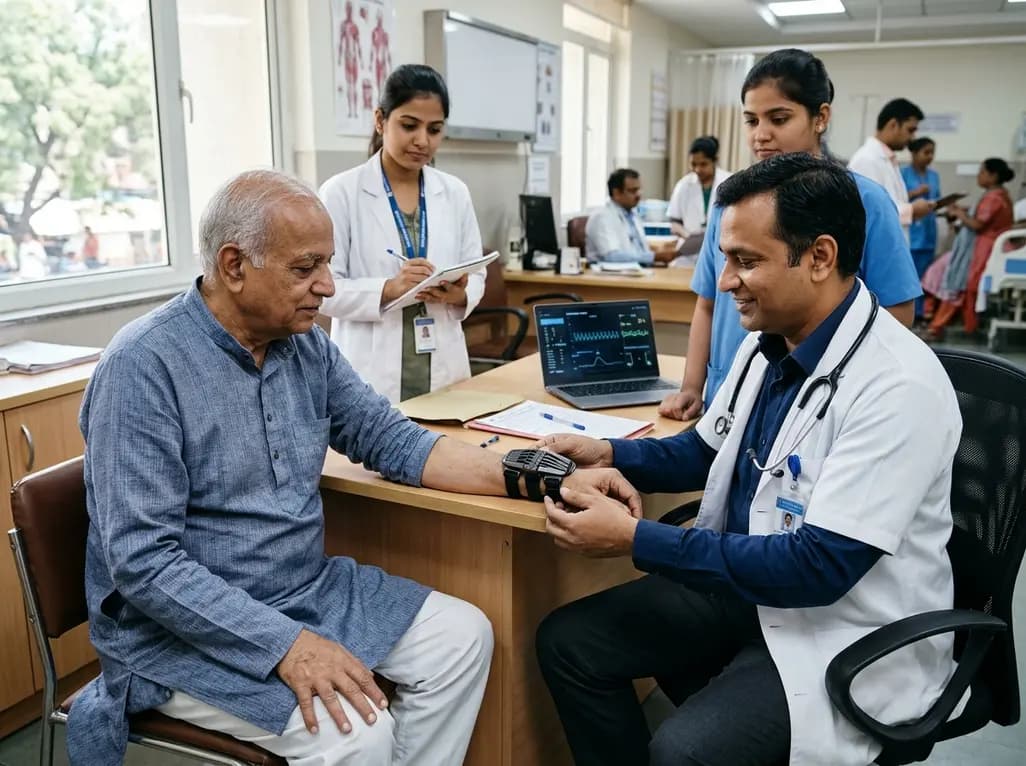
The TREM-AB open-label pilot study evaluated a wearable passive nonlinear vibration absorber for essential tremor. The Nonlinear Energy Sink bracelet reduced clinical Fahn-Tolosa-Marin tremor scores by 32.1% and electrophysiological tremor power by 49.2% with no adverse effects reported.
Today
A population-based study of 20,928 children reveals that small vulnerable newborns face sex-divergent mental capital outcomes at ages 6-7: term SGA girls show higher behavioral difficulties and lower resilience, while preterm non-SGA boys experience increased behavioral problems.
Today
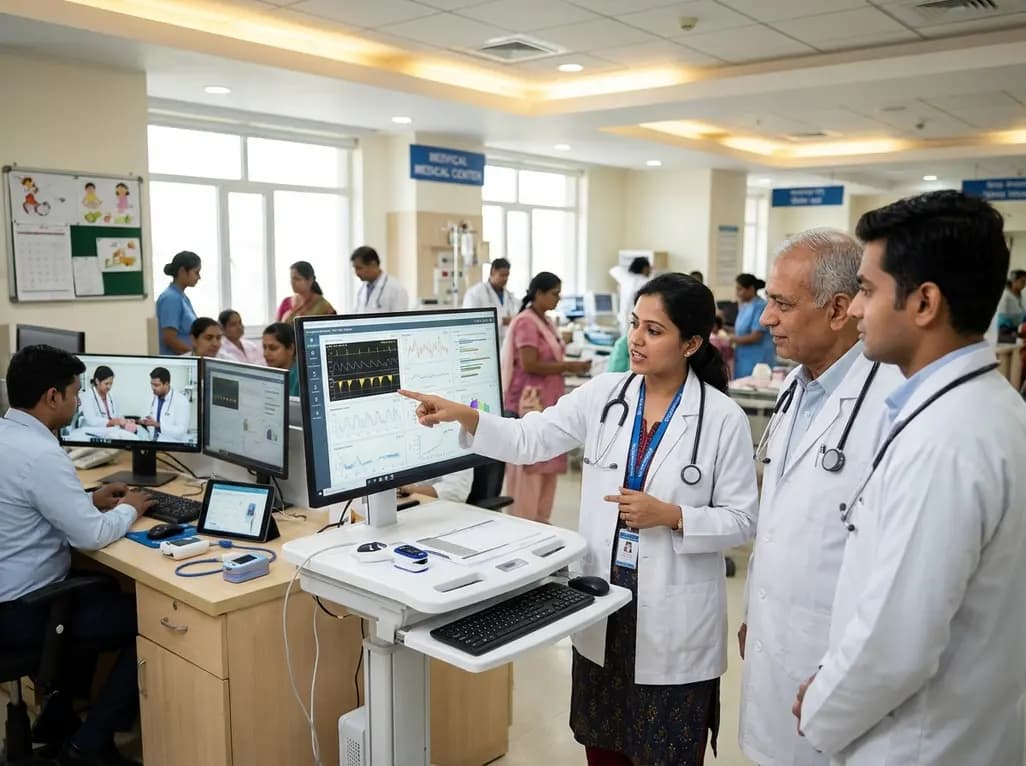
A landmark study details how an enterprise pediatric remote patient management model expanded from a single cardiology pilot to 16 diverse specialty programs by combining centralized digital operations with specialty clinical leadership.
Today
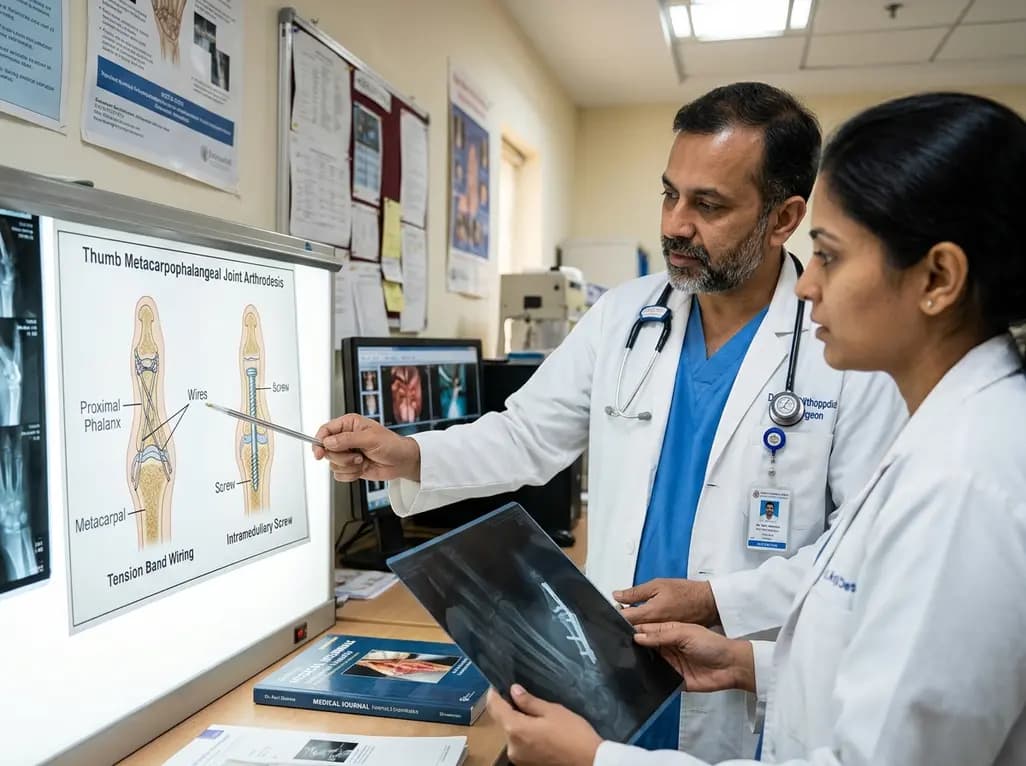
A comparative review of tension band wiring and intramedullary screw fixation in thumb metacarpophalangeal arthrodesis, evaluating union rates, hardware complications, and clinical outcomes.
Today
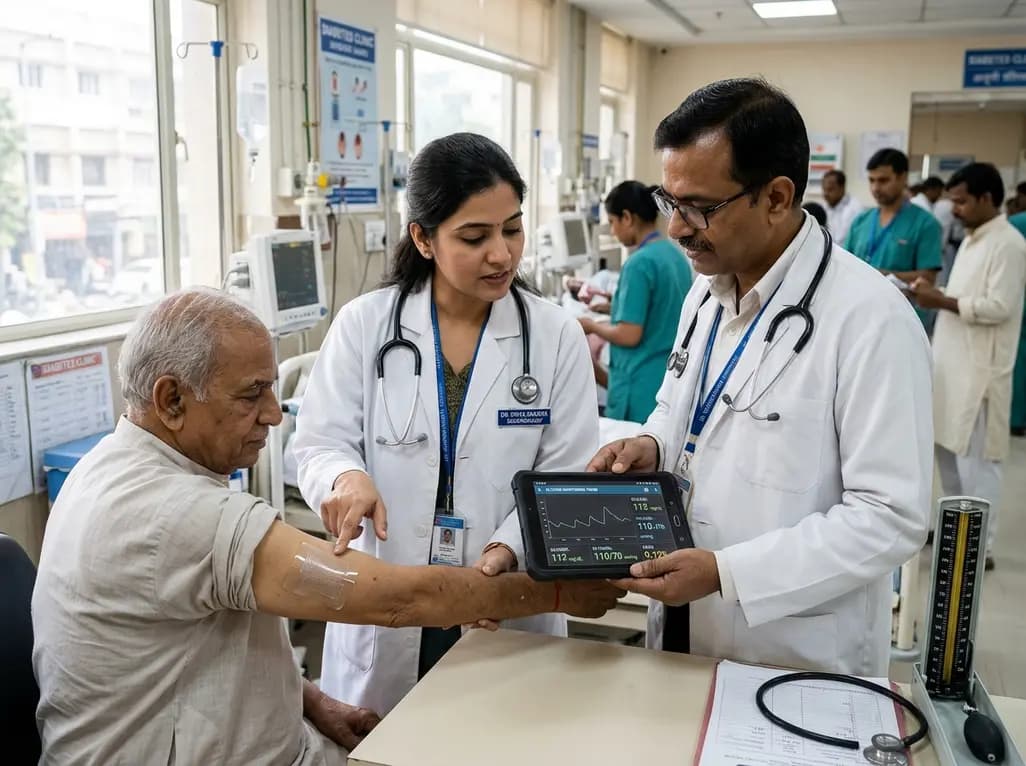
A breakthrough ultrathin multimodal sensor decouples physical hemodynamic monitoring from disposable electrochemical calibration, achieving long-term wearable glucose prediction with 81.36% accuracy and a 9.12% MARD. This offers a robust, drift-free solution for outpatient metabolic surveillance.
Today
