.webp&w=384&q=75)

Loading, please wait...
Loading, please wait...
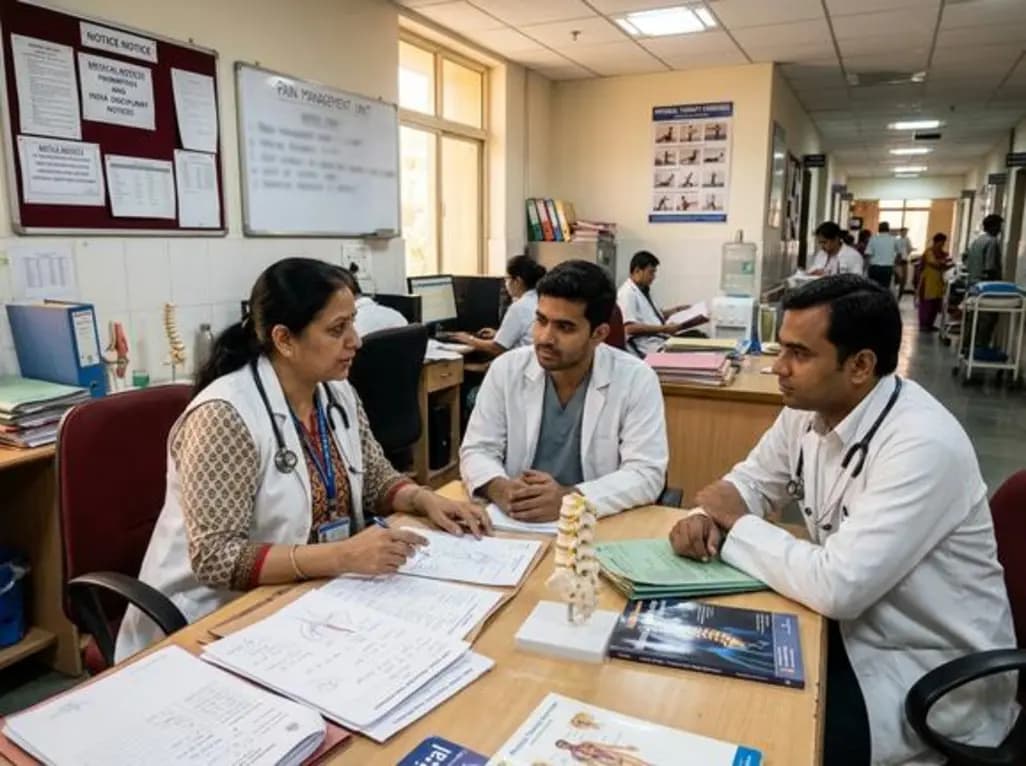
Clinicians worldwide face significant persistent pain management challenges that impact patient outcomes and healthcare delivery. Recent research published in the Brazilian Journal of Physical Therapy highlights the profound complexity of this condition. It demonstrates that the obstacles physical therapists encounter are not solely due to the biological nature of pain. Instead, these issues reflect broader systemic failures within modern healthcare frameworks. Consequently, addressing these barriers requires a shift from viewing pain as a simple symptom to treating it as a multifaceted social and clinical challenge.
The study identified several interrelated themes that hinder effective care. Notably, clinicians struggle with funding models that do not align with the time-intensive nature of chronic pain therapy. Furthermore, there is often a distinct gap in professional networking and referral pathways. Therefore, patients frequently experience fragmented care that fails to address their psychological and social needs. Additionally, a lack of community awareness regarding evidence-based pain management can lead to unrealistic patient expectations. Improving health professional education is essential to bridge these knowledge gaps and provide cohesive care.
Despite these significant barriers, there are clear opportunities for improvement. Physical therapy advocacy and leadership play a vital role in reshaping healthcare policies. By promoting better communication between specialties, therapists can foster a more integrated approach. Moreover, focusing on the emotional wellbeing of both the clinician and the patient is crucial for long-term success. Specifically, addressing clinical and social complexity through multidisciplinary collaboration can alleviate the burden on the healthcare system. Thus, coordinated action at organizational and societal levels is necessary to enhance the landscape of pain management.
Effectively managing chronic pain requires more than individual clinical skill; it demands robust systemic support. By prioritizing education, access, and advocacy, healthcare systems can better support physical therapists and their patients. In India, where chronic musculoskeletal conditions are rising, these insights are particularly relevant for developing sustainable multidisciplinary pain clinics. Ultimately, systemic reform is the key to overcoming current hurdles in pain care.
The main barriers include inadequate funding models, limited clinical time, and a lack of awareness regarding current evidence-based protocols among both providers and the general public.
Patient engagement is critical; however, it is often challenged by misaligned expectations. Effective education and a strong clinician-patient relationship can help bridge this gap and improve adherence to therapy.
Persistent pain is a biopsychosocial condition. Therefore, it requires a team of specialists to address the biological, psychological, and social factors that contribute to the patient's experience.
Disclaimer: This content is for informational and educational purposes only. It does not constitute professional medical advice, diagnosis, or treatment. Always seek the advice of your physician or other qualified health provider with any questions you may have regarding a medical condition. Refer to the latest local and national guidelines for clinical practice.
References

Read summarized clinical updates, watch expert medical content, and earn CME certifications right from your smartphone.
Open your smartphone camera to scan and install.





Managing persistent pain involves navigating complex clinical, systemic, and emotional challenges. This article explores the perspectives of physical therapists, highlighting the need for coordinated action in education, funding, and advocacy to improve patient outcomes in pain management.
4 months ago

As monsoon seasons elevate arboviral disease threats, Tamil Nadu has initiated an ICMR-monitored evaluation of the tetravalent dengue vaccine in Tenkasi district. Clinicians emphasize clinical monitoring, public prevention, and high-quality early pediatric care to reduce disease morbidity across endemic regions.
Today

A comparative cohort study evaluates vNOTES vs TLH hysterectomy for benign conditions, demonstrating shorter operative duration, faster return to daily activities, and equivalent female sexual function scores without increased dyspareunia.
Today

Review how tailored exercise programs benefit frail older patients with heart failure. Explore pathophysiological mechanisms, individualized training prescriptions, and strategies to overcome adherence barriers in clinical practice.
Today

This comparative study evaluates posterior labral tears with and without glenohumeral instability, highlighting distinct demographic patterns, MRI underestimation in stable shoulders, and successful arthroscopic repair outcomes.
Today

A clinical study demonstrates that early intervention with tocilizumab, either as monotherapy or bridged with corticosteroids, achieves significant proptosis reduction and resolves active inflammation in treatment-naive thyroid eye disease.
Today
