.webp&w=384&q=75)

Loading, please wait...
Loading, please wait...

Healthcare institutions worldwide continue to face major challenges from post-viral illness, especially persistent Long COVID symptoms among frontline personnel. Although acute SARS-CoV-2 infections frequently resolve without hospital admission, chronic physiological disruptions can persist for months. Consequently, medical organizations experience substantial operational strain when essential clinical and non-clinical employees suffer ongoing impairment. To clarify this burden, investigators evaluated a multicenter cohort of healthcare personnel infected between August 2022 and May 2024. The researchers investigated how immunization timing, prior viral exposure, underlying health conditions, and demographic factors influenced symptom duration. Remarkably, 11.3 percent of participants reported identical moderate or severe symptoms persisting across both three and six months post-infection. Therefore, post-acute sequelae represent an ongoing occupational health concern rather than a brief convalescence delay. In addition, these findings demonstrate that modern viral variants continue to produce lasting morbidity even in vaccinated workforces. Ultimately, recognizing high-risk employees allows occupational health leaders to implement timely supportive interventions and safeguard vital healthcare staffing.
To accurately capture real-world disease progression, researchers prospectively followed 1,496 healthcare workers confirmed positive for SARS-CoV-2. The multi-state study enrolled participants from diverse institutional environments, ensuring broad clinical applicability. Furthermore, the investigative team deployed comprehensive electronic surveys at three and six months post-infection to record lingering clinical complaints. The primary outcome was strictly defined as reporting the exact same moderate or severe symptom at both observation points. Consequently, this stringent definition eliminated transient acute symptoms and captured true chronic post-viral pathology. Researchers used multivariable logistic regression to calculate adjusted odds ratios while controlling for multiple potential confounders. Specifically, models adjusted for age, sex, race, ethnicity, acute severity, and prior infections. In addition, the analysis accounted for recent vaccine doses to evaluate protective effects accurately. Because the investigators collected standardized data over two full years, the results provide clear insights into Omicron-era infection outcomes. This rigorous epidemiological methodology minimizes misclassification bias and provides robust evidence regarding long-term health consequences in working medical professionals. Thus, clinicians can confidently apply these findings to occupational assessments.
The multivariable regression analysis uncovered powerful host predictors associated with persistent symptoms. Most notably, advancing age showed a direct and progressive link to prolonged recovery times. Workers aged 50 to 64 years had nearly double the odds of persistent illness compared to colleagues aged 18 to 29 years. Their adjusted odds ratio reached 1.94. Furthermore, personnel aged 65 years and older exhibited an adjusted odds ratio of 3.52, representing a substantial elevation in risk. Biological sex also demonstrated a significant association. Female workers faced triple the odds of persistent illness compared to male colleagues, with an adjusted odds ratio of 3.05. This observation mirrors global cohort studies indicating heightened post-viral autoimmune and inflammatory responses among females. In addition, individuals reporting a prior SARS-CoV-2 infection experienced 1.78 times higher odds of chronic symptoms. Therefore, earlier infections did not confer lasting protection against post-viral complications. Instead, repeated viral insults may cause cumulative tissue damage, persistent immune exhaustion, or microvascular abnormalities. Consequently, older female staff with recurrent infections represent a vulnerable group requiring focused post-acute surveillance and targeted clinical care.
Baseline health status and specific occupational titles also strongly influenced symptom outcomes across the cohort. Healthcare personnel possessing two or more underlying chronic health conditions demonstrated 2.49 times higher odds of enduring symptoms. Multimorbidity compromises baseline physiological reserves and impairs vascular endothelial recovery after viral challenges. Consequently, chronic systemic inflammation and metabolic dysregulation likely prolong post-infection convalescence in these individuals. In contrast, the analysis revealed striking protective associations linked to specific healthcare professional roles when compared to non-clinical personnel. Specifically, physicians showed an adjusted odds ratio of 0.21, reflecting a 79 percent risk reduction. Registered and licensed practical nurses exhibited 41 percent lower odds, while physical and occupational therapists showed a 73 percent reduction. Non-clinical personnel often experience distinct socioeconomic strain, physically demanding roles, lower baseline health literacy, and reduced schedule flexibility. However, differing symptom perception and reporting tendencies across professional roles could also contribute to these observed differences. Health systems must therefore ensure equitable supportive care for all staff categories.
Because one in nine healthcare workers experiences persistent symptoms, health systems face compounding workforce shortages and institutional attrition. Ongoing fatigue, brain fog, and cardiopulmonary limitations reduce clinical productivity and elevate burnout risks among remaining staff. Therefore, hospital leaders must implement proactive occupational health strategies to support affected colleagues. First, institutions should establish specialized post-COVID clinical consultation clinics that provide coordinated medical, neurocognitive, and physical evaluations. Second, occupational health departments must adopt flexible workplace policies, including phased return-to-work protocols, adjusted shift lengths, and temporary telework arrangements. Furthermore, hospital administrators should redesign physical workflow environments to minimize excessive physical exertion for recovering personnel. In addition, continuing medical education programs should train clinicians to recognize atypical post-viral manifestations promptly. Enhancing indoor ventilation, maintaining infection control standards, and encouraging timely seasonal booster vaccinations will also reduce reinfection frequencies. Ultimately, protecting healthcare workers from prolonged morbidity preserves institutional memory, improves staff retention, and safeguards patient safety. Proactive organizational care for healthcare staff remains an indispensable investment for long-term health system resilience.
In this investigation, researchers defined persistent symptoms as identical moderate or severe clinical complaints reported at both 3-month and 6-month post-infection evaluations. Consequently, this rigorous standard excluded transient or resolving acute complaints. By focusing exclusively on continuous, unremitting impairments, the investigators successfully captured clinically meaningful post-viral conditions. These enduring symptoms disrupt daily occupational performance, reduce physical stamina, and significantly impair the long-term functional quality of life among hospital staff members.
Non-clinical personnel likely experienced distinct socioeconomic strains, higher baseline health vulnerabilities, and physically demanding duties compared to licensed physicians. Furthermore, differential health literacy, workplace stress exposures, and unequal access to prompt supportive medical care may have contributed to these disparities. Clinicians also hypothesize that symptom reporting thresholds and sick-leave utilization varied significantly across hospital job categories, thereby influencing the observed rates of symptom persistence among institutional support staff.
Occupational medical departments should implement structured clinical screening protocols focusing on persistent cardiopulmonary, neurological, and musculoskeletal sequelae. Therefore, regular surveillance at three- and six-month intervals helps identify employees needing targeted physical rehabilitation, cognitive support, or phased work duty modifications. In addition, closely monitoring high-risk personnel, especially older female workers with preexisting chronic conditions, ensures early therapeutic intervention, accelerates functional recovery, and mitigates prolonged occupational disability across the institutional healthcare workforce.
Disclaimer: This content is for informational and educational purposes only. It is not intended to substitute for professional medical advice, diagnosis, or treatment. Always seek the advice of your physician or other qualified health provider with any questions you may have regarding a medical condition or health objectives. Refer to the latest local and national guidelines for clinical practice.
References

Read summarized clinical updates, watch expert medical content, and earn CME certifications right from your smartphone.
Open your smartphone camera to scan and install.





A multicenter cohort study reveals that 11.3% of healthcare personnel experienced persistent Long COVID symptoms at 3 and 6 months post-infection. Older age, female sex, prior infection, and underlying comorbidities significantly raised risk, while physicians and nurses exhibited lower odds than non-clinical staff.
Today
A cross-sectional analysis of NHANES 2013-2020 reveals that depressive symptoms and sleep disturbance significantly elevate the odds of cardiometabolic multimorbidity in adults with arthritis. Comprehensive clinical screening and integrated multi-organ interventions are vital to reduce overall cardiovascular burden.
Today
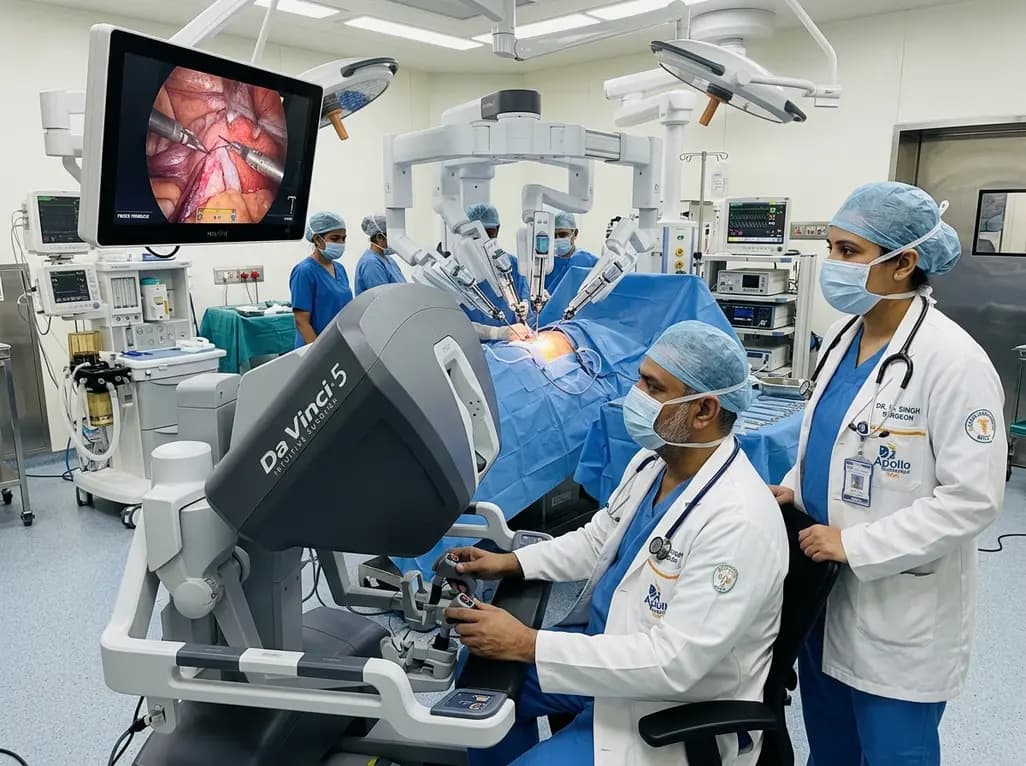
India expands its minimally invasive surgical landscape as Intuitive unveils its fifth-generation robotic platform. Equipped with real-time force feedback and immense computing performance, this innovation assists clinical specialists across urology, gynecology, and general surgery in optimizing operative care.
Today
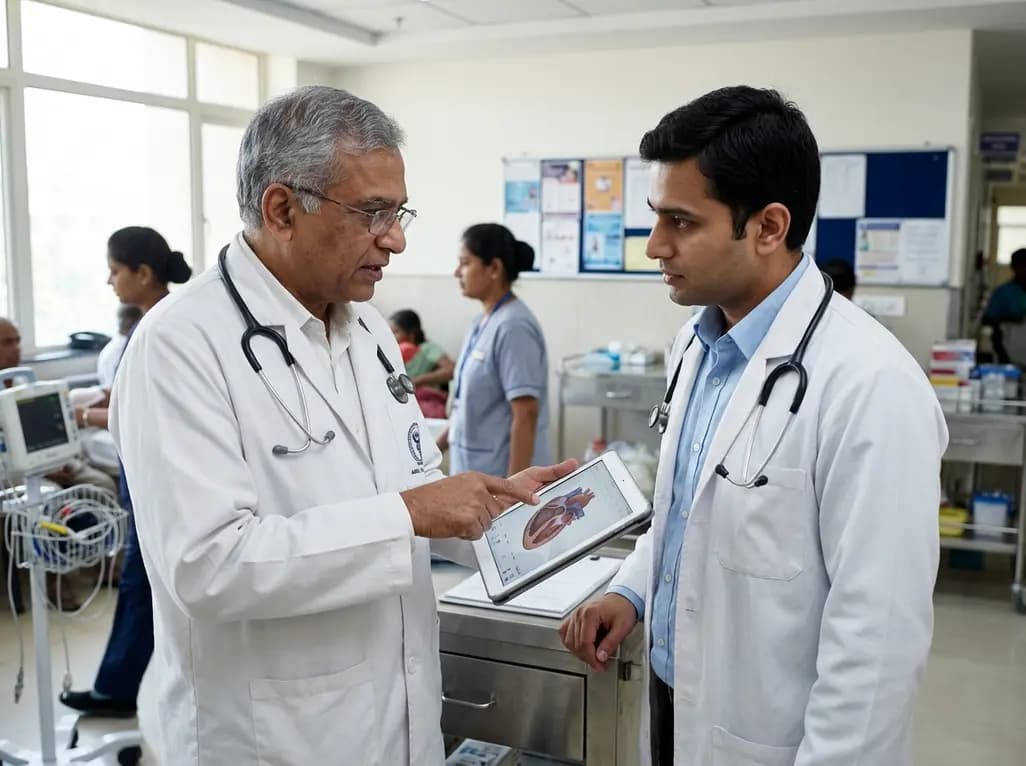
Large-scale biobank research demonstrates that low-grade systemic inflammation quietly remodels ventricular architecture years before cardiovascular symptoms appear. Learn how emerging biomarkers like GlycA and targeted anti-inflammatory pathways could reshape preventive cardiovascular screening and clinical risk evaluation.
Today
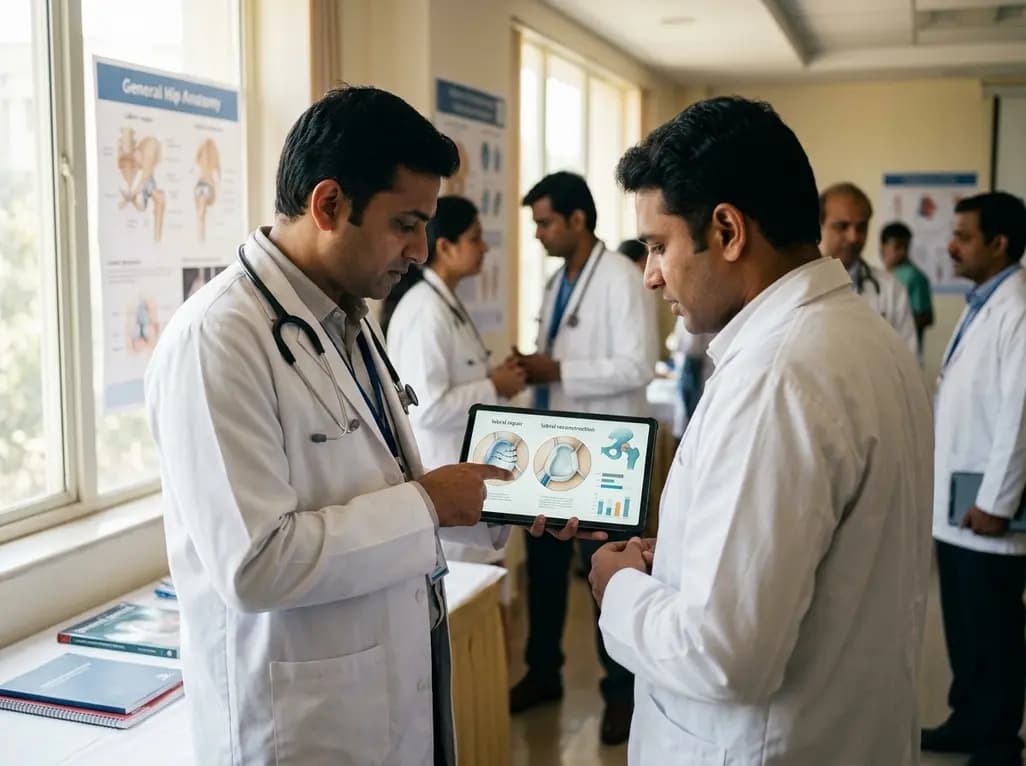
Systematic review comparing labral repair and reconstruction in primary hip arthroscopy shows comparable short- to mid-term patient-reported outcomes, with lower THA conversion after repair but superior outcomes for reconstruction in patients aged 40 and older.
Yesterday
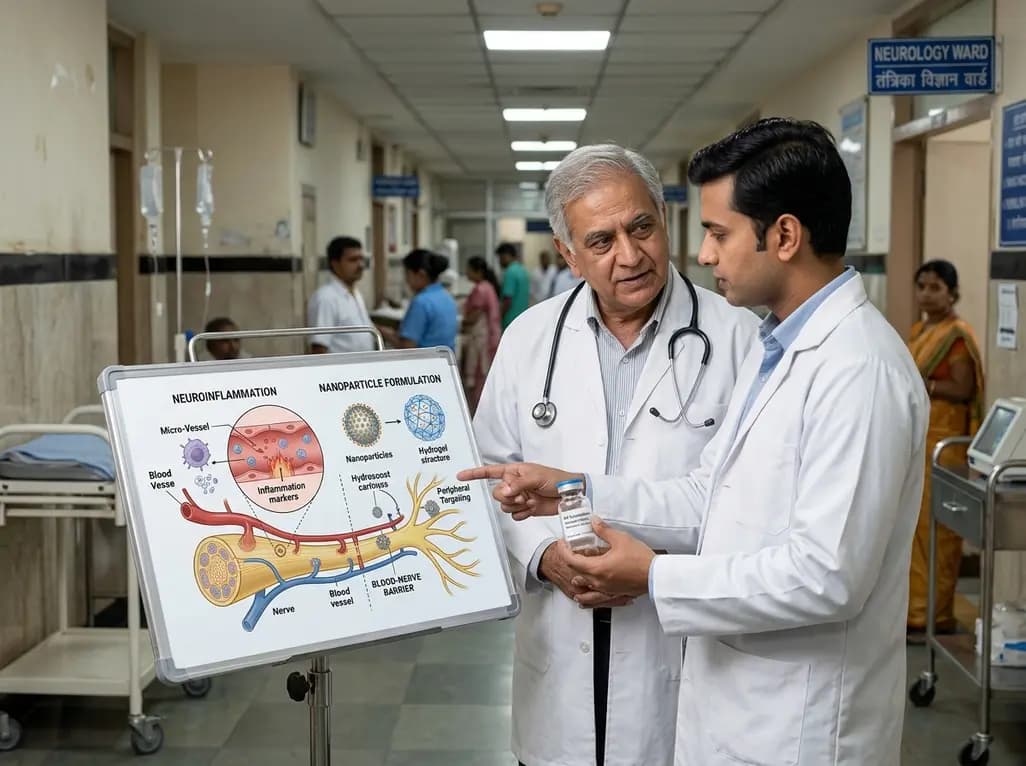
Diabetic peripheral neuropathy involves chronic neuroinflammation and blood-nerve barrier dysfunction. This review discusses advanced nanomedicine formulations, including nanoparticles and hydrogels, designed to overcome pharmacokinetic barriers and modulate the peripheral neuroimmune axis.
Today
