.webp&w=384&q=75)

Loading, please wait...
Loading, please wait...

Surgical intervention for cervical spondylotic myelopathy (CSM) primarily aims to halt neurological decline and alleviate debilitating symptoms. While many patients experience significant relief, a subset continues to struggle with persistent arm pain post-CSM surgery. Understanding the long-term trajectory of this pain is essential for setting realistic patient expectations and optimizing postoperative care. A recent multi-center analysis from the Spine CORe™ group, utilizing Quality Outcomes Database (QOD) data, provides valuable insights into the factors influencing pain persistence five years after the procedure.
Researchers evaluated 1,085 patients undergoing surgery for CSM across 14 study sites. Specifically, they focused on 458 individuals who presented with severe preoperative arm pain, defined by a numeric rating scale (NRS) score of 7 to 10. The study tracked NRS scores at multiple intervals, including three months, one year, and five years post-surgery. Furthermore, the team assessed various patient-reported outcome measures, such as the Neck Disability Index (NDI) and modified Japanese Orthopaedic Association (mJOA) scale.
The results of the five-year follow-up reveal a varied recovery landscape. Approximately 60.7% of patients reported mild arm pain, while 20.4% experienced moderate symptoms. However, 18.9% of the cohort continued to suffer from persistent severe arm pain five years after their operation. This persistent pain group demonstrated significantly higher NDI scores compared to those who improved. Additionally, these patients had lower functional scores on the mJOA scale and reduced Quality-Adjusted Life Years (QALY).
Consequently, the study suggests that certain functional and quality-of-life metrics are strong indicators of long-term pain outcomes. The correlation between persistent pain and lower EuroQol visual analog scale (EQ-VAS) scores highlights the broader impact on a patient's overall health perception. Clinicians should closely monitor NDI and mJOA scores, as these functional measures often mirror the patient's actual pain experience. In addition, addressing residual disability early in the postoperative period might help improve long-term satisfaction for patients in India and globally.
While surgery effectively manages CSM for the majority, nearly one in five patients may face long-term severe arm pain. Surgeons must utilize preoperative and early postoperative functional scores to identify high-risk individuals. By recognizing these risk factors, medical professionals can tailor rehabilitation strategies and manage expectations more effectively. Ultimately, longitudinal data from the QOD underscores the importance of holistic patient assessment beyond simple pain scales.
According to the QOD analysis, approximately 18.9% of patients who had severe arm pain before surgery still reported severe pain five years postoperatively.
Patients with persistent severe arm pain typically show significantly higher Neck Disability Index (NDI) scores and lower modified Japanese Orthopaedic Association (mJOA) scores.
While surgery generally improves Quality-Adjusted Life Years (QALY), those with persistent severe pain tend to have significantly lower QALY and EQ-VAS scores compared to patients with improved pain levels.
Disclaimer: This content is for informational and educational purposes only and does not constitute medical advice. It is not intended to be a substitute for professional medical advice, diagnosis, or treatment. Always seek the advice of your physician or other qualified healthcare provider with any questions you may have regarding a medical condition. Refer to the latest local and national guidelines for clinical practice.
References

Read summarized clinical updates, watch expert medical content, and earn CME certifications right from your smartphone.
Open your smartphone camera to scan and install.





A 5-year QOD analysis reveals that 18.9% of CSM patients suffer persistent severe arm pain post-surgery, significantly impacting their quality of life....
5 months ago
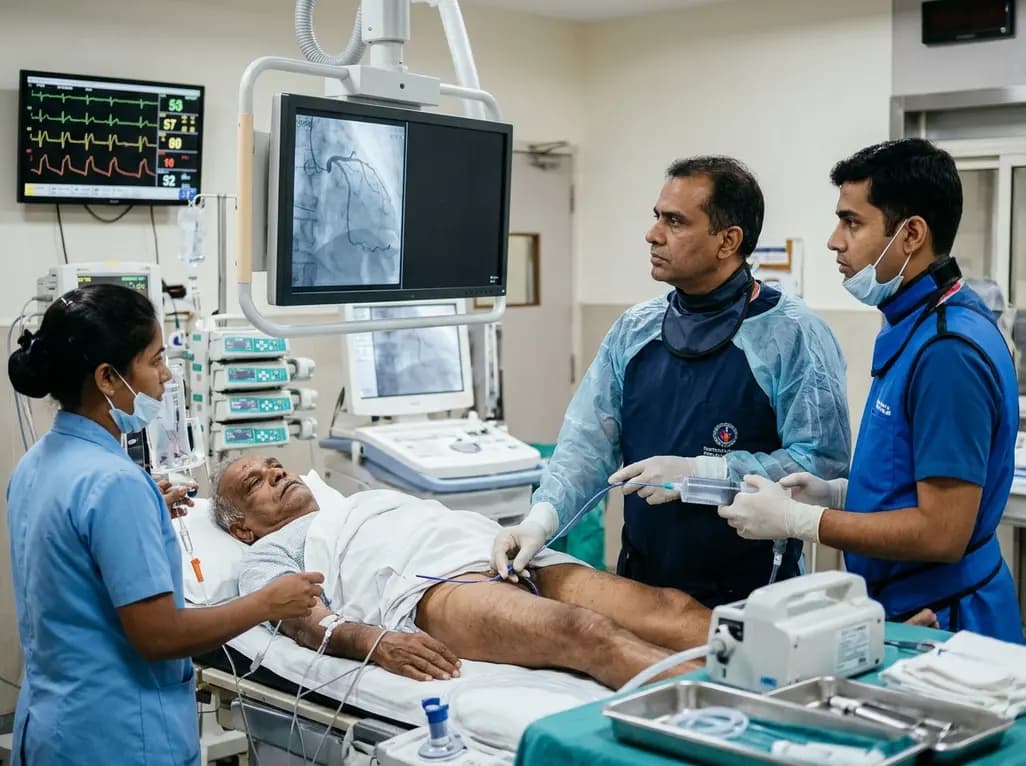
An elderly man with partially repaired Tetralogy of Fallot presented with STEMI caused by coronary embolism rather than atherosclerosis. Successful treatment with sustained mechanical aspiration thrombectomy underscores the vital need for high clinical vigilance in adult congenital heart disease.
Today
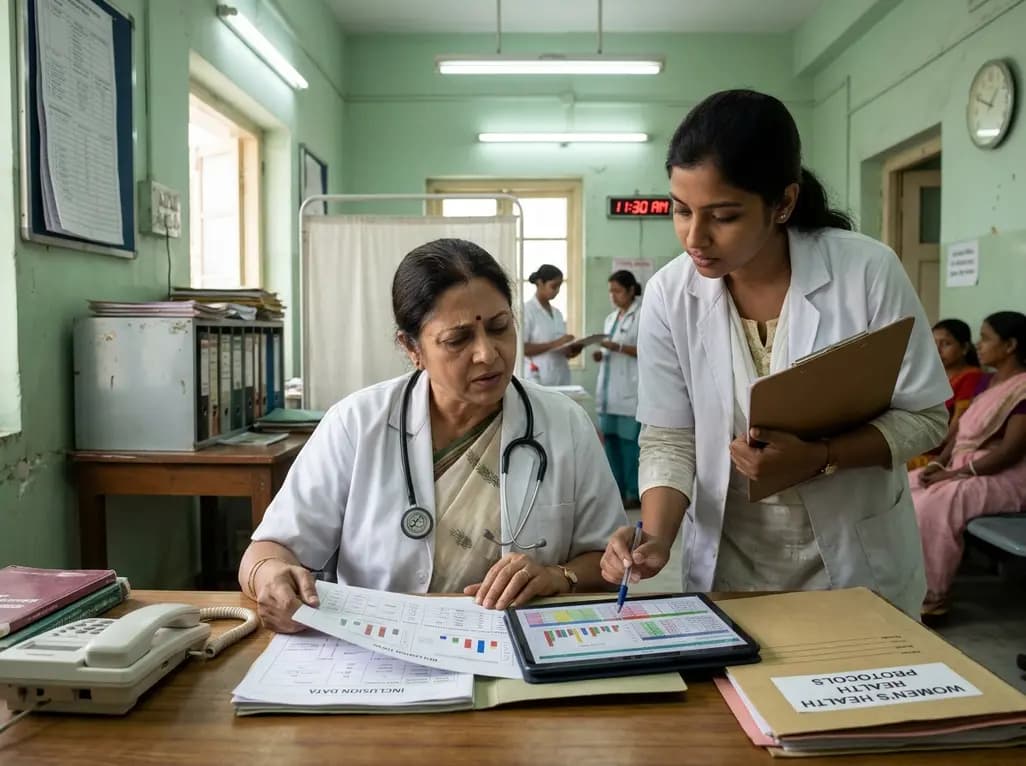
Demanding exhaustive hormonal profiling can inadvertently discourage clinical studies involving females. Methodological standards must align with the specific scientific question to expand, not restrict, equitable evidence for women.
Today
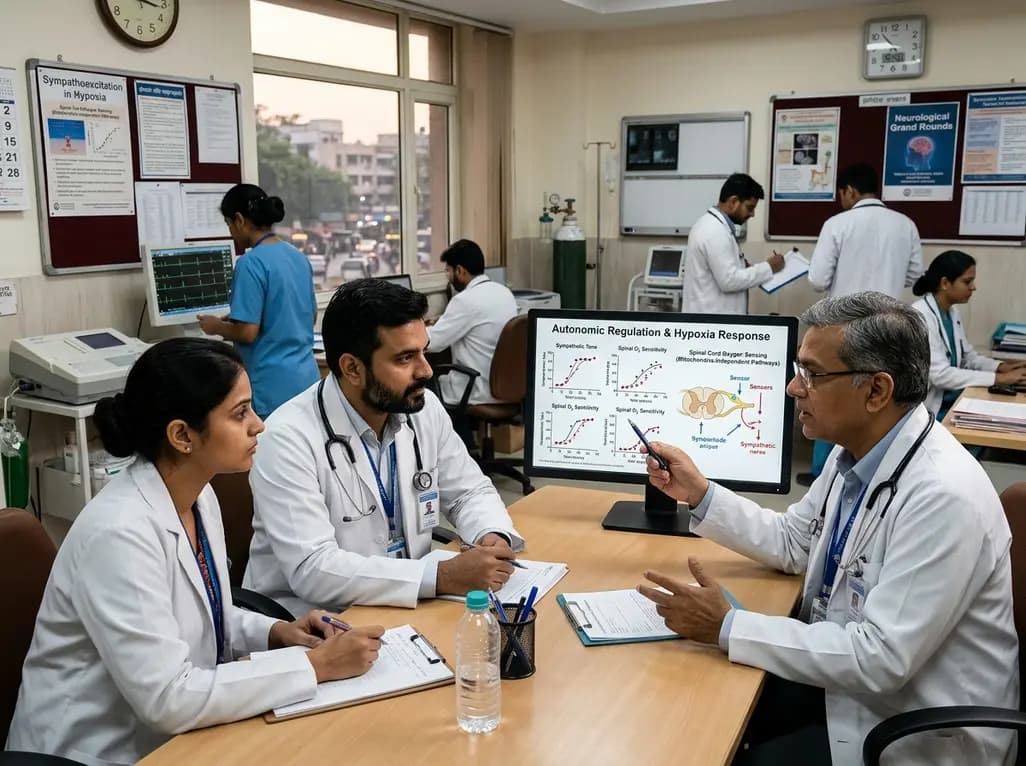
A recent study demonstrates that spinal oxygen sensors do not require mitochondrial electron transport to trigger sympathetic excitation during acute hypoxia, revealing new insights into how mitochondrial oxidative stress modulates autonomic tone in cardiovascular and neurological diseases.
Today

A comparative review of tension band wiring and intramedullary screw fixation in thumb metacarpophalangeal arthrodesis, evaluating union rates, hardware complications, and clinical outcomes.
Today
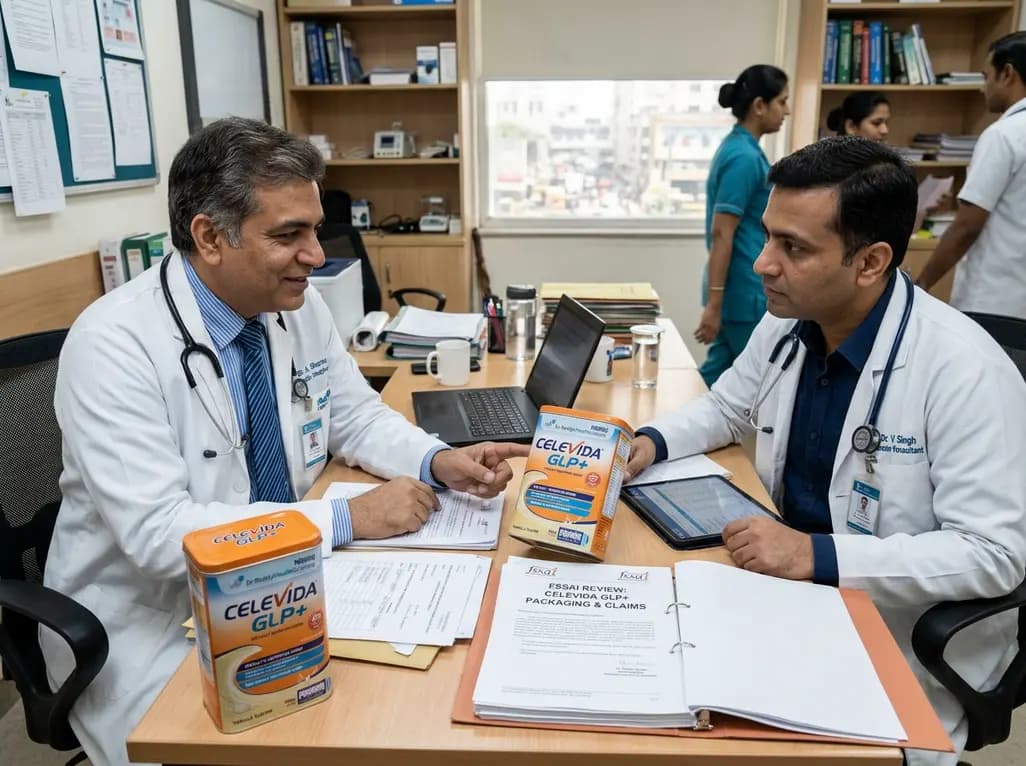
Following regulatory scrutiny from FSSAI regarding promotional representations and lean muscle preservation claims, Dr. Reddy's Laboratories and Nestlé Health Science are currently reviewing the branding and marketing strategy for their joint nutritional supplement Celevida GLP+.
Today
