.webp&w=384&q=75)

Loading, please wait...
Loading, please wait...
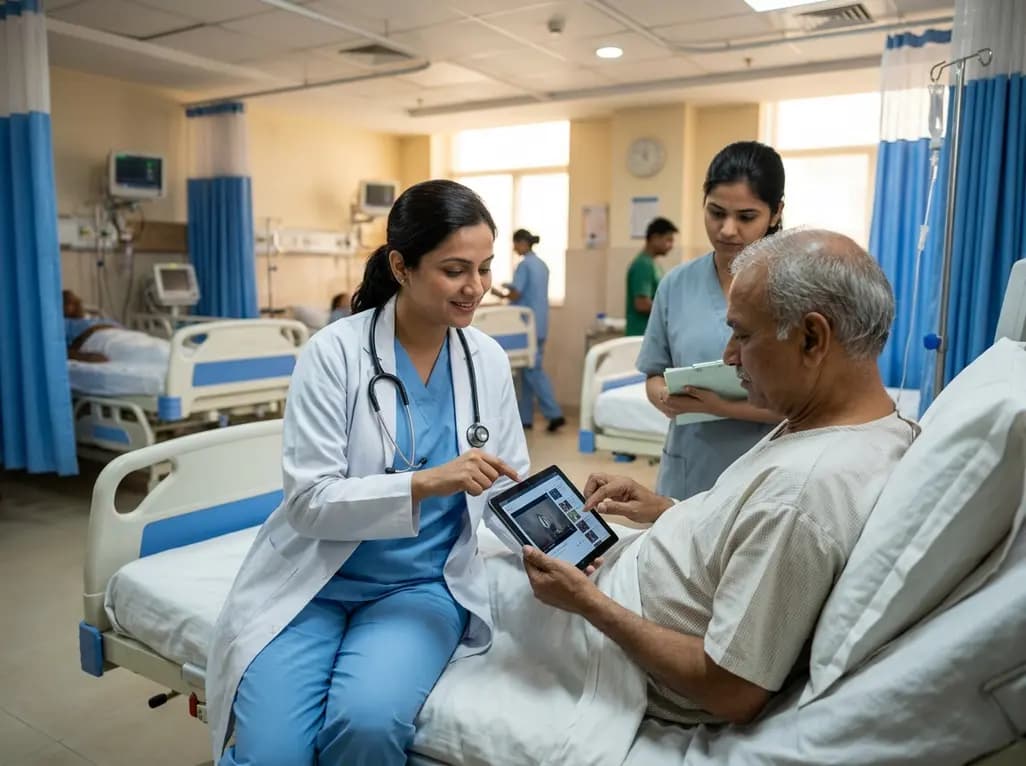
Surgical procedures consistently induce psychological distress in elective surgery candidates. Consequently, perioperative anxiety mHealth tools have emerged as scalable, non-pharmacological modalities to support patient well-being. Preoperative stress triggers neuroendocrine cascades that elevate cortisol, catecholamines, and inflammatory cytokines. Furthermore, high baseline anxiety directly correlates with increased intraoperative anesthetic demand and exacerbated postoperative pain. Traditional in-person psychoeducation often strains limited hospital staffing resources. Therefore, digital therapeutics offer an accessible bridge across the surgical care continuum. Mobile applications deliver structured cognitive reframing and somatic relaxation techniques straight to personal smartphones. Specifically, these digital platforms empower patients to cultivate actionable coping mechanisms before entering the operating suite. Recent clinical investigations demonstrate that active patient engagement with digital relaxation significantly mitigates acute surgical fears. In addition, digital tracking allows clinicians to monitor patient compliance remotely. By integrating standardized relaxation modules into standard care protocols, surgical teams foster greater psychological resilience. As a result, healthcare systems can reduce preventable readmissions and enhance recovery trajectories. Addressing preoperative apprehension through digital solutions marks a crucial step toward comprehensive perioperative optimization.
Understanding user interaction patterns remains essential for optimizing digital therapeutic platforms. Recently, researchers conducted a prospective longitudinal cohort mixed methods study evaluating the MiCarePath mobile application. The investigation enrolled 19 adult elective surgical candidates who reported frequent anxiety. Furthermore, the cohort featured a mean age of 41.3 years, with women comprising 74 percent of participants. Investigators monitored digital participation from 10 days before surgery through 4 weeks postoperatively. The MiCarePath application provided targeted relaxation video modules paired with interactive ecological momentary assessments. Consequently, the software captured high-resolution telemetry on video watching duration, frequency, and prompt responsiveness. Concurrently, investigators administered semistructured, data-prompted interviews across three distinct clinical milestones. This mixed-methods design seamlessly integrated objective device analytics with nuanced patient narratives. Moreover, repeated-measures statistical evaluations clarified how patient adherence influenced health outcomes. Many patients utilized the relaxation exercises during moments of acute nocturnal distress. In contrast, participants with lower engagement struggled to establish steady routines amid preoperative logistics. Thus, the temporal analysis demonstrated that proactive scheduling deeply influences how surgical patients adopt digital therapies.
The study revealed a stark divergence in clinical efficacy based on quantitative usage metrics. Specifically, eleven participants established or strengthened robust relaxation self-management skills, forming the high-benefit cohort. Conversely, eight individuals reported negligible perceived benefit from the intervention. Objective telemetry data uncovered dramatic behavioral differences between these two distinct groups. Most notably, high-benefit users completed significantly greater total video watching time compared to low-benefit users. The high-benefit group recorded a mean watching time difference of 223.8 minutes. In addition, ecological momentary assessments reflected corresponding reductions in real-time anxiety scores among dedicated users. These individuals frequently practiced diaphragmatic breathing and progressive muscle relaxation techniques during acute distress. In contrast, disengaged participants engaged with videos only sporadically. Therefore, statistical models confirmed that cumulative exposure duration strongly predicts positive behavioral adaptation. Inadequate dosage appears to limit the therapeutic efficacy of digital behavioral tools. Consequently, clinicians must recognize that passive access alone does not guarantee meaningful psychological symptom relief. Digital health tools require structured exposure targets to achieve definitive clinical improvements.
Qualitative interview data provided rich context regarding why certain patients thrived with the intervention. For example, high-benefit participants integrated relaxation exercises directly into their daily recovery schedules. These users praised the structured guided imagery for breaking destructive preoperative panic loops. Furthermore, several patients utilized audio prompts immediately prior to entering hospital holding bays. This immediate accessibility provided an empowering locus of control during intensely vulnerable moments. However, participants in the low-benefit cohort identified key barriers to sustained digital engagement. Many reported that acute postsurgical pain and postoperative narcotic grogginess hindered app navigation. Additionally, technical friction or generic notification schedules diminished user enthusiasm after hospital discharge. Participants emphasized that personalized reminder timing would substantially improve routine compliance. Patients also requested shorter, highly focused micro-practices during the acute postoperative phase. Moreover, users expressed a desire for direct care team visibility within the mobile application. When patients perceive that their surgical team reviews their symptom entries, personal accountability rises sharply. Qualitative findings thus illuminate essential human factors that dictate digital therapeutic success.
These findings carry profound implications for surgical, anesthesiology, and pain management teams. Uncontrolled perioperative anxiety elevates sympathetic tone, increases anesthetic requirements, and delays wound healing. Furthermore, severe distress heightens postoperative pain sensitivity and prolongs opioid consumption. Implementing digital relaxation platforms provides an effective, non-invasive countermeasure to these physiological challenges. However, clinicians cannot simply prescribe an application without ongoing behavioral scaffolding. Instead, surgical teams must actively endorse digital health tools during preoperative counseling visits. Healthcare providers should establish clear expectations regarding recommended usage duration and practice frequency. For instance, instructing patients to complete at least 200 minutes of relaxation practice optimizes outcomes. Additionally, nurses and physician assistants can track app dashboards to identify unengaged, highly anxious patients. Early identification enables timely telephone outreach or targeted bedside psychological support. In resource-constrained health environments, mHealth platforms offer scalable patient education without consuming scarce clinic hours. Therefore, embedding mobile mental health interventions into standard surgical workflows directly advances holistic patient recovery.
To maximize clinical utility, future perioperative applications must incorporate user-centered architectural refinements. First, software developers should transition away from rigid, long-form video content during recovery. Specifically, designing bite-sized audio exercises allows bedbound patients to practice relaxation without visual fatigue. Furthermore, developers should implement adaptive algorithmic scheduling driven by real-time biometrics or momentary user input. For example, wearable sensors detecting sudden tachycardia can prompt automated soothing breathing guides. In addition, gamification elements, such as streak counters and milestone celebrations, reinforce consistent daily engagement. Clinicians also recommend creating localized content tailored to regional languages and diverse cultural nuances. In countries like India, multilingual interfaces drastically enhance accessibility across diverse socioeconomic demographics. Moreover, integrating secure asynchronous messaging with surgical nursing teams builds patient trust and adherence. When digital tools mirror authentic clinical empathy, patients report higher satisfaction and improved self-efficacy. Consequently, software designers and surgical clinicians must collaborate closely during therapeutic co-design. Such interdisciplinary partnerships will ensure that digital health interventions deliver tangible physiological and psychological benefits.
Digital relaxation mitigates perioperative distress by interrupting autonomic sympathetic activation and downregulating hyperactive stress pathways. Guided somatic practices stimulate vagal nerve tone, which slows heart rates and lowers blood pressure. Furthermore, focused cognitive reframing reduces catastrophic anticipation, directly diminishing subjective pain perception. Consequently, patients who practice structured breathing experience fewer autonomic spikes and report significantly improved physical comfort during both preoperative preparation and acute postoperative healing.
Clinical data demonstrate that exposure duration heavily dictates therapeutic success. In recent prospective research, patients who experienced high clinical benefit watched an average of 223.8 more video minutes than non-responders. Therefore, surgical teams should encourage patients to achieve a cumulative minimum threshold of 200 to 250 minutes across the perioperative period. Sporadic or brief engagement rarely builds the somatic self-regulation skills necessary to overcome severe acute surgical apprehension.
Surgical departments can successfully introduce mobile platforms during initial outpatient scheduling visits. Nurses should explain the application benefits, assist with software downloads, and establish clear weekly usage goals. Additionally, clinical dashboards permit staff to track patient video viewing remotely. If telemetry reveals poor patient compliance before surgery, coordinators can initiate brief motivational calls. Consequently, structured clinic integration ensures higher patient accountability and maximizes non-pharmacological relief across surgical pathways.
Disclaimer: This content is for informational and educational purposes only... Refer to the latest local and national guidelines for clinical practice.
References

Read summarized clinical updates, watch expert medical content, and earn CME certifications right from your smartphone.
Open your smartphone camera to scan and install.





A prospective cohort study evaluated the MiCarePath app for perioperative anxiety, showing that higher video engagement (223.8 additional minutes) significantly boosted relaxation self-management and clinical benefits in elective surgical patients, highlighting vital design considerations for mHealth interventions.
Today
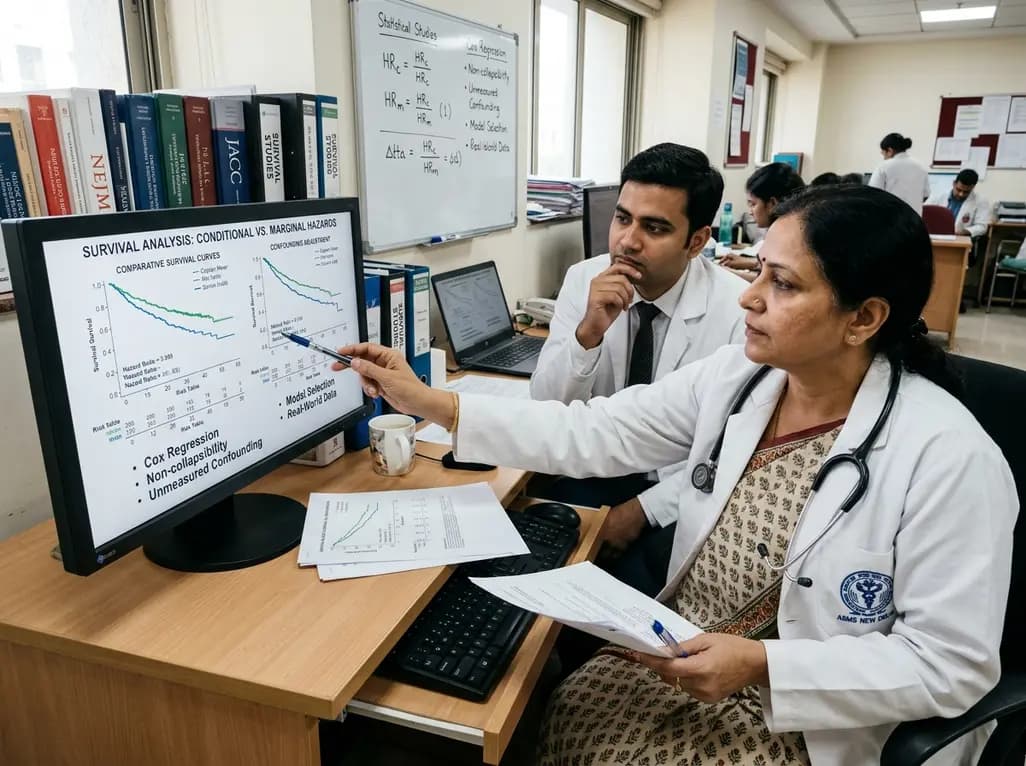
Survival analyses often report hazard ratios, but mathematical non-collapsibility creates crucial differences between conditional and marginal estimates. Clinicians must account for unmeasured confounding and model selection when interpreting trial endpoints and real-world cardiovascular outcomes.
Today

A cross-sectional study of 700 college students highlights significant contraceptive knowledge disparities between sexually active and inactive young adults. The findings demonstrate a critical need for proactive, comprehensive sexual health counseling before sexual debut.
Today
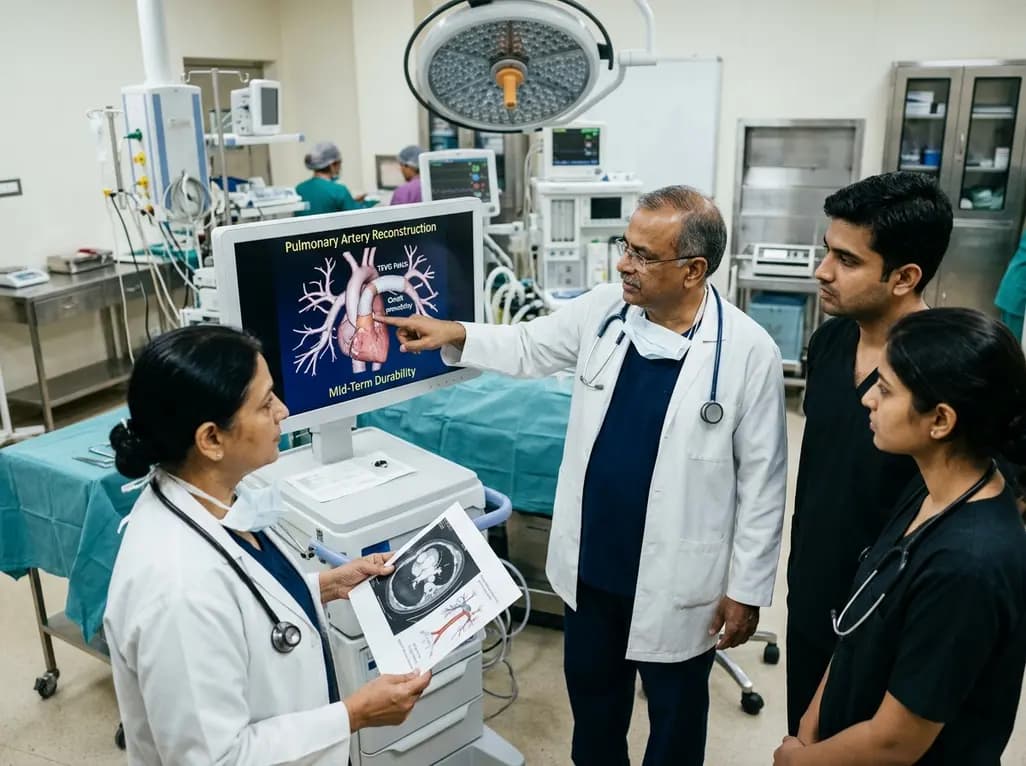
Autologous tissue-engineered vascular graft patches created via in-body tissue architecture show excellent mid-term durability and safety for pulmonary artery reconstruction in congenital heart surgery, particularly for peripheral branch augmentation.
Today

A novel cluster analysis of real-world datasets reveals four distinct CPPD disease phenotypes, validating existing EULAR categories while uncovering previously unrecognized monoarticular and axial presentations to refine patient management.
Today
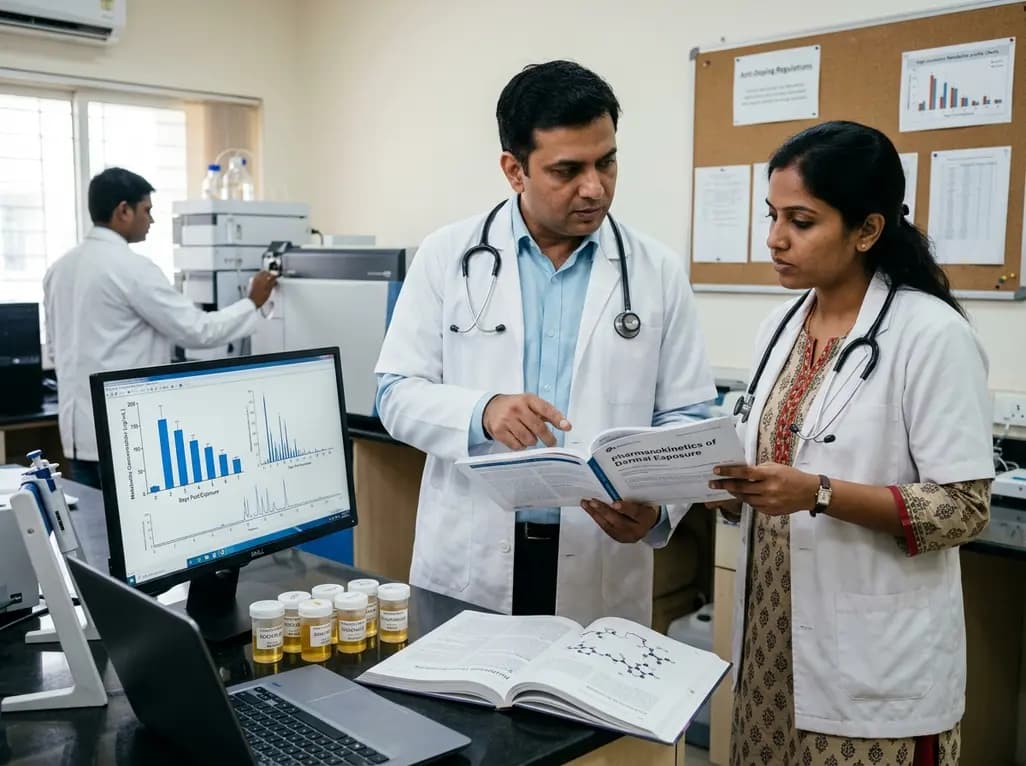
Recent pharmacokinetic research demonstrates that trace dermal exposure to microgram quantities of trenbolone and metenolone produces detectable urinary metabolites for days to over a week, providing critical objective data for evaluating unintentional contamination claims in sports drug testing.
Today
