.webp&w=384&q=75)

Loading, please wait...
Loading, please wait...
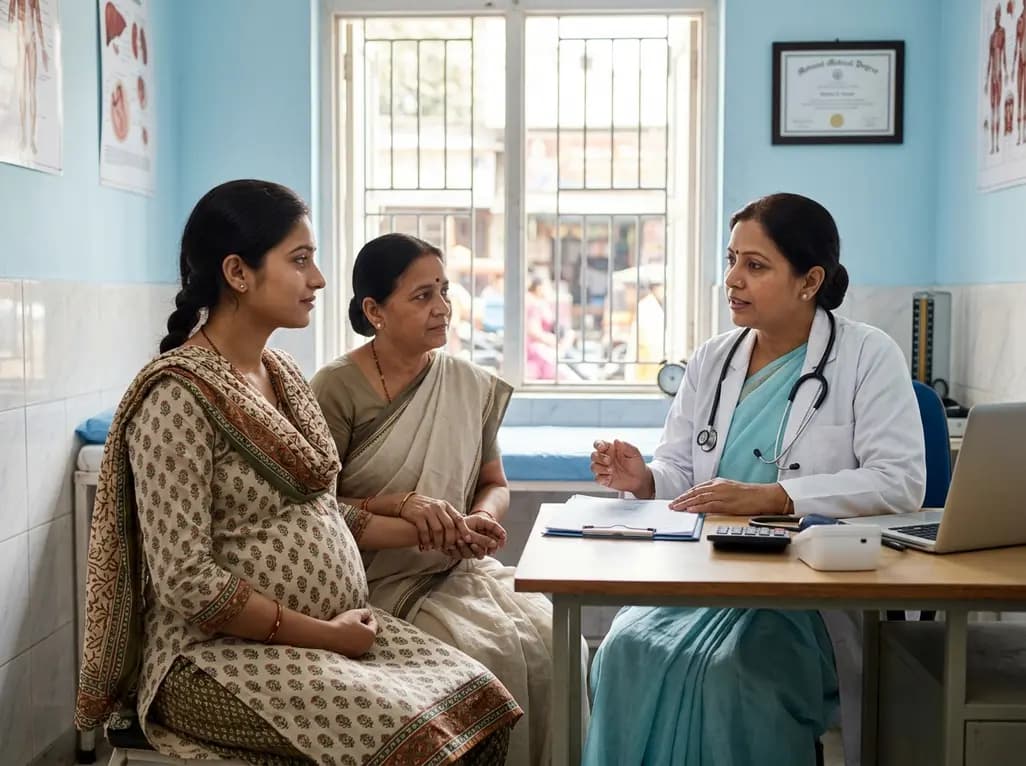
Perinatal mental health problems represent a major global public health concern, particularly in low- and middle-income countries like India. Recent research has focused on the developmental origins of these conditions, specifically how early life experiences influence maternal well-being during and after pregnancy. This replication and extension study examines the complex relationship between childhood maltreatment, family dysfunction, and benevolent childhood experiences (BCEs). For clinicians in India, where the prevalence of perinatal depression can reach 45% in certain demographics, understanding these risk factors is essential for effective intervention. Maternal distress during the perinatal period does not occur in a vacuum; it is often the culmination of long-standing psychological vulnerabilities and current social stressors. By identifying the specific childhood roots of prenatal and postnatal distress, healthcare providers can better tailor screening protocols. Moreover, the study highlights how positive early experiences serve as a buffer against later psychopathology. This insight is particularly relevant for Indian practitioners who manage diverse patient populations with varying levels of socioeconomic stress. Integrating trauma-informed care into routine obstetric and gynecological practice can significantly improve outcomes for both the mother and the infant. Early detection and management are key to preventing long-term neurodevelopmental consequences for the child.
Benevolent childhood experiences (BCEs) refer to positive early life events, such as having a supportive teacher, a safe home environment, or strong peer friendships. While much of the existing clinical literature focuses on the negative impacts of trauma, this study underscores the resilience-promoting role of BCEs. Specifically, higher levels of BCEs were found to predict lower prenatal PTSD symptoms. This suggests that positive early experiences can provide a psychological \"safety net\" that remains protective into adulthood. In the Indian context, where traditional family structures often provide diverse forms of social support, recognizing BCEs can help clinicians identify natural resilience factors in their patients. Furthermore, the study replicates original findings that BCEs are distinct from the absence of trauma. A patient may have experienced significant adversity but still possess high BCE scores, which can mitigate the risk of severe perinatal mental health problems. Consequently, screening for positive experiences is just as vital as screening for adverse ones. Therefore, clinicians should ask patients about their early support systems to gauge their baseline resilience. Understanding these protective factors allows for a more holistic approach to maternal mental health, moving beyond a purely deficit-based model. This perspective encourages the promotion of existing strengths to manage current stressors effectively.
Adverse Childhood Experiences (ACEs) and family dysfunction remain robust predictors of poor mental health outcomes during the perinatal period. This study found that higher family dysfunction specifically predicted higher prenatal depression symptoms. Exposure to maltreatment or household instability during childhood creates a vulnerability to stress that can be reactivated during the transition to parenthood. In India, factors such as early marriage, domestic violence, and unplanned pregnancies often compound the effects of childhood trauma. These stressors interact with past experiences to exacerbate perinatal mental health problems. Research indicates that women with high ACE scores are significantly more likely to develop postpartum depression compared to the general population. Specifically, family dysfunction during the formative years disrupts emotional regulation and the ability to form secure attachments. This disruption can make the emotional demands of pregnancy particularly overwhelming. Additionally, the study emphasizes that prenatal depression and PTSD symptoms are the strongest predictors of their postnatal counterparts. As a result, early identification of childhood adversity during the first trimester is a critical window for intervention. Healthcare providers must remain vigilant for signs of distress in patients with a history of family instability. Comprehensive psychiatric evaluation and counseling should be prioritized for high-risk individuals.
One of the most significant extensions of this study was the inclusion of contemporaneous social support as a predictor of mental health. The findings indicated that social support from the other biological parent during and after pregnancy significantly lowered the risk of PTSD symptoms. This highlights the \"social buffer\" effect, where current supportive relationships can mitigate the long-term impact of childhood trauma. In India, spousal and family support are critical determinants of a mother's mental health. The presence of a supportive partner can reduce the burden of sociodemographic stress and improve maternal coping mechanisms. Interestingly, the study used formal assessments to evaluate parent-partner support, finding it highly relevant to postnatal outcomes. Lack of partner support has been identified in Indian studies as a primary risk factor for both postpartum depression and anxiety. Consequently, involving partners in the perinatal care process is not just a social gesture but a clinical necessity. Furthermore, the study showed that even when childhood adversity is high, current social support provides a pathway to resilience. This suggests that interventions aimed at improving family dynamics during pregnancy can have lasting benefits. Therefore, clinicians should encourage family-centered care models that address the psychological needs of the entire household.
For Indian healthcare providers, the findings of this study reinforce the need for systematic mental health screening in obstetric settings. The National Mental Health Survey of India highlights that women in the reproductive age group are particularly vulnerable to depression and anxiety. However, awareness and training among healthcare workers remain insufficient, with many providers feeling unequipped to identify symptoms. Implementing validated tools like the Edinburgh Postnatal Depression Scale (EPDS) is a vital first step. Furthermore, clinicians must recognize that sociodemographic stress, including poverty and low education, acts as a catalyst for perinatal mental health problems. This study demonstrates that contemporary stress and childhood history are intertwined. Therefore, a multidisciplinary approach involving psychiatrists, obstetricians, and social workers is ideal. In rural settings, community-based support systems and trained non-specialist health providers can deliver effective interventions. Addressing cultural stigma surrounding mental illness is also essential to ensure that women feel safe disclosing their struggles. By integrating the concepts of ACEs and BCEs into clinical dialogue, doctors can provide more compassionate and effective care. Ultimately, the goal is to create a supportive environment that fosters resilience and ensures healthy development for the next generation.
Moving forward, the focus must shift toward evidence-based, cost-effective interventions that are culturally sensitive to the Indian population. This replication study suggests that addressing both past trauma and current social support can break the cycle of intergenerational psychopathology. Future maternal healthcare strategies should include trauma-informed counseling as a standard part of prenatal care. Additionally, programs that foster benevolent childhood experiences for the current generation of children can serve as a long-term preventive measure. Specifically, the findings advocate for resilience-based screening, where clinicians look for strengths that can be leveraged during times of crisis. Moreover, longitudinal research in India is needed to further explore how cultural factors modify the impact of BCEs and social support. As maternal mental health becomes a priority in the global health agenda, the integration of psychological well-being into primary healthcare is paramount. Clinicians should lead this transition by advocating for policy changes that support comprehensive maternal care. Consequently, focusing on the perinatal period provides a unique opportunity to improve the mental health trajectory of two generations simultaneously. Strengthening information systems and evidence-based research will be key to managing the substantial burden of perinatal mental health problems in India.
Early life experiences, both positive (BCEs) and negative (ACEs), shape a person’s psychological resilience and stress-response systems. Adverse experiences can lead to higher prenatal depression and PTSD by disrupting emotional regulation. Conversely, benevolent experiences provide a protective buffer, reducing the severity of mental health symptoms even in the presence of current sociodemographic stressors.
Contemporaneous social support, particularly from the other biological parent or spouse, is a robust predictor of lower PTSD symptoms. It acts as a \"social buffer\" that helps the mother cope with the physiological and emotional demands of pregnancy. Strong current support can even mitigate the long-term negative effects of a traumatic childhood history.
In India, where perinatal depression is highly prevalent, understanding a patient’s childhood history helps identify those at highest risk for postnatal complications. Screening for family dysfunction and trauma allows for early referral to psychiatric services. It also helps clinicians recognize inherent resilience factors (BCEs) that can be leveraged during maternal healthcare interventions.
Disclaimer: This content is for informational and educational purposes only... Refer to the latest local and national guidelines for clinical practice.
References
Merrick JS et al. A replication and extension of adverse and benevolent childhood experiences along with contemporaneous social support and sociodemographic stress for perinatal mental health problems. Dev Psychopathol. 2025 Aug. doi: 10.1017/S095457942400097X. PMID: 39169778.
"
Read summarized clinical updates, watch expert medical content, and earn CME certifications right from your smartphone.
Open your smartphone camera to scan and install.





A replication study highlights the significant impact of adverse and benevolent childhood experiences on perinatal mental health problems, demonstrating how positive early experiences and contemporaneous social support can mitigate risks of prenatal and postnatal depression and PTSD.
3 months ago

Following regulatory scrutiny from FSSAI regarding promotional representations and lean muscle preservation claims, Dr. Reddy's Laboratories and Nestlé Health Science are currently reviewing the branding and marketing strategy for their joint nutritional supplement Celevida GLP+.
Today

Demanding exhaustive hormonal profiling can inadvertently discourage clinical studies involving females. Methodological standards must align with the specific scientific question to expand, not restrict, equitable evidence for women.
Today

The Directorate General of Health Services directs Indian states to halt the hazardous reuse and reprocessing of single-use medical devices. Discover regulatory implications under the Drugs and Cosmetics Act, critical infection risks, legal liabilities, and operational changes required across clinical specialties.
Today
A novel calcium polyphosphate coacervate enables injectable bone implants with in situ hierarchical porosity via phase separation and gas foaming, significantly enhancing cell proliferation, energy metabolism, and osteogenic differentiation for minimally invasive bone defect repair.
Today

India is advancing preventive healthcare by integrating genomics, artificial intelligence, and quantum technologies. With the SANGAM programme sequencing one million Indian genomes, clinicians can unlock personalized therapies, detect cardiometabolic risks early, and curb the burden of diabetes and heart disease.
Today
