.webp&w=384&q=75)

Loading, please wait...
Loading, please wait...

Effectively implementing pediatric vascular anomalies management is vital because these rare conditions often mimic more common pathologies. This case series describes five distinct presentations, including Kaposiform hemangioendothelioma (KHE) and PIK3CA-related overgrowth spectrum (PROS). Specifically, KHE often presents with the life-threatening Kasabach-Merritt phenomenon, requiring urgent hematological stabilization. Moreover, patients with PROS may exhibit multifocal osteolytic lesions and fractures, demonstrating the disease's potential for significant orthopedic morbidity. Consequently, clinicians established diagnoses using a combination of radiologic imaging, histopathology, and targeted genetic testing.
Surgery alone often proves inadequate for extensive or systemic lesions. Therefore, modern protocols integrate targeted systemic therapies like sirolimus and alpelisib to optimize outcomes. Specifically, sirolimus effectively manages vascular tumors and lymphatic malformations by inhibiting the mammalian target of rapamycin (mTOR) pathway. Furthermore, the alpha-selective PI3K inhibitor alpelisib has revolutionized treatment for PIK3CA-related disorders. In addition to these novel agents, traditional therapies like propranolol and corticosteroids remain first-line options for infantile hemangiomas and acute hematological complications. Hand and plastic surgeons perform critical roles within the multidisciplinary team. For instance, they manage biopsy, wound care, and complex reconstruction. Although outcomes vary based on individual diagnostic complexity, these targeted therapies generally offer significant functional improvement and high tolerance. Ultimately, early recognition and timely intervention remain the cornerstones of successful patient care.
Clinicians commonly use sirolimus for lymphatic malformations and alpelisib for PIK3CA-related overgrowth. Traditional options include propranolol for hemangiomas and corticosteroids for acute complications.
These conditions are heterogeneous and can involve multiple organ systems. Therefore, specialists in surgery, dermatology, hematology, and radiology must collaborate for accurate diagnosis and optimal outcomes.
Disclaimer: This content is for informational and educational purposes only and does not constitute medical advice. Always consult a qualified healthcare professional for diagnosis and treatment. Refer to the latest local and national guidelines for clinical practice.
References
1. Sharma SC et al. Unusual Vascular Anomalies in Pediatric Hand and Plastic Surgery: A Case Series. Ann Plast Surg. 2026 Apr 22. doi: 10.1097/SAP.0000000000004755. PMID: 42018354.
2. Wassef M, et al. ISSVA Classification of Vascular Anomalies. Pediatrics. 2015;136(1):e203-e214.
3. Canaud G, et al. Alpelisib Displays Clinical Benefit in Pediatric PIK3CA-Related Overgrowth Spectrum Disease. EPIK-P1 Study Findings. 2022.

Read summarized clinical updates, watch expert medical content, and earn CME certifications right from your smartphone.
Open your smartphone camera to scan and install.





A comprehensive review of pediatric vascular anomalies, focusing on multidisciplinary surgical care and novel systemic therapies like alpelisib and sirolimu...
5 months ago

A breakthrough study demonstrates that BAP31 protects against acute lung injury by inhibiting ferroptosis in alveolar epithelial cells. Through activating the AKT/GSK3β/Nrf2 pathway and upregulating GPX4 and HMOX1, BAP31 preserves the alveolar-capillary barrier, offering novel avenues for critical care management.
Today
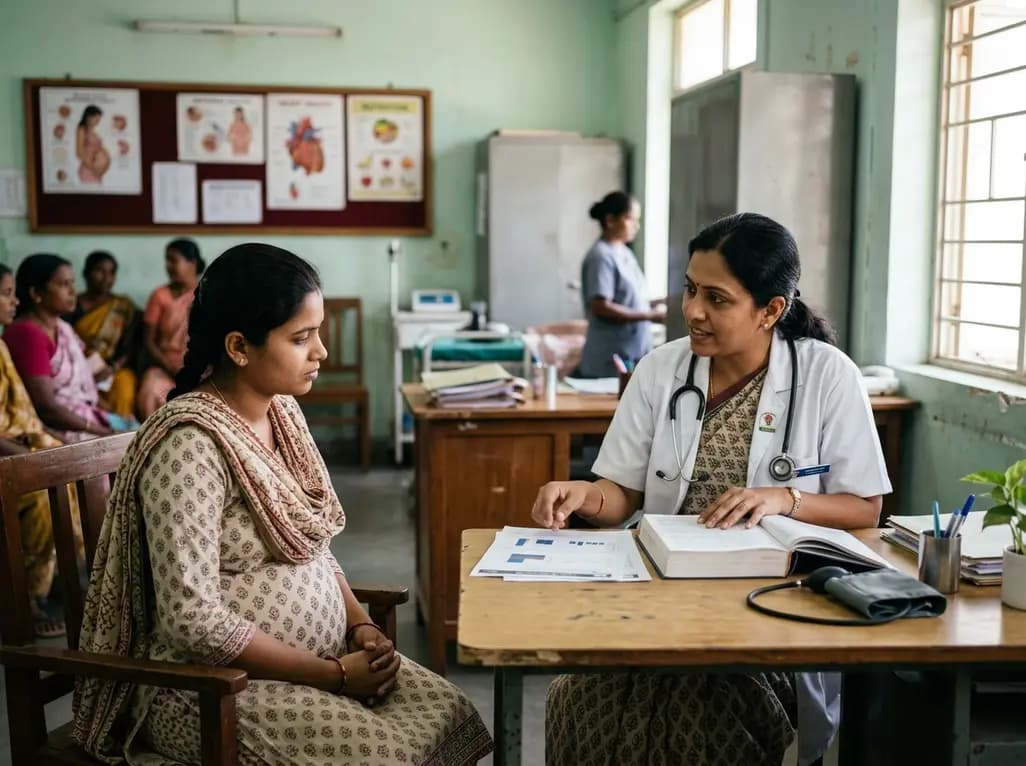
A recent longitudinal study evaluated the link between prenatal loss of control eating and cardiovascular health using Life's Essential 8 frameworks. While direct associations across pregnancy were non-significant, the high prevalence of dysregulated eating highlights critical implications for obstetric practice.
Today
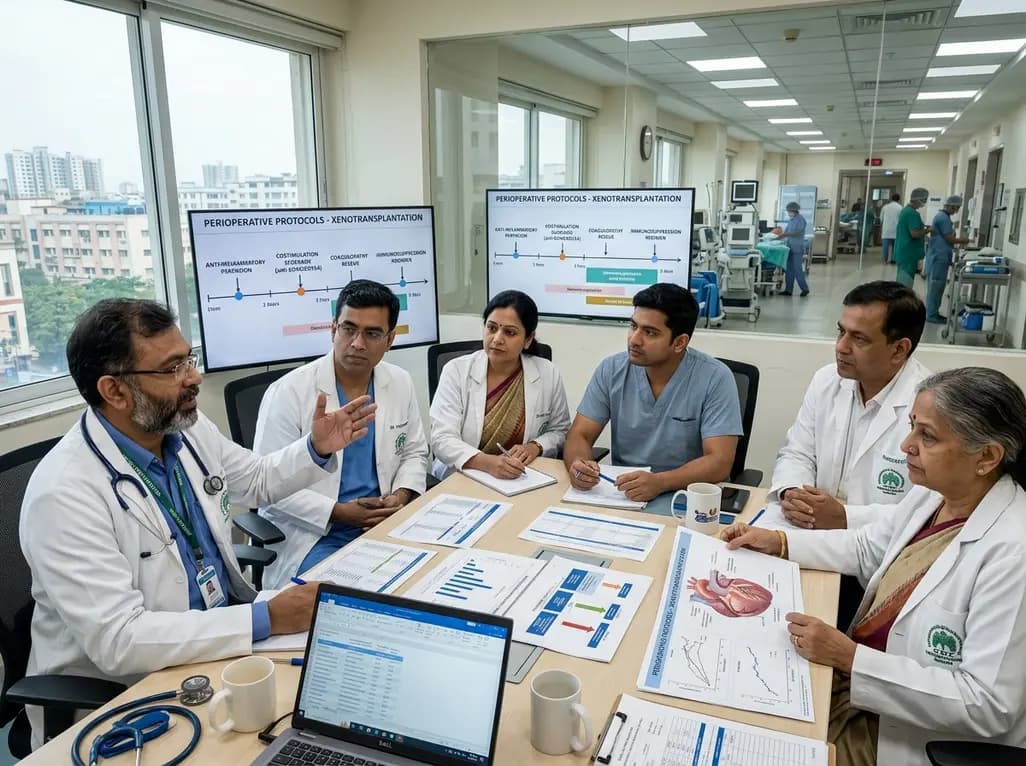
Explore modern perioperative management protocols for clinical xenotransplantation. Learn how costimulation blockade, anti-inflammatory perfusion, and coagulopathy rescue overcome interspecies hurdles.
Today
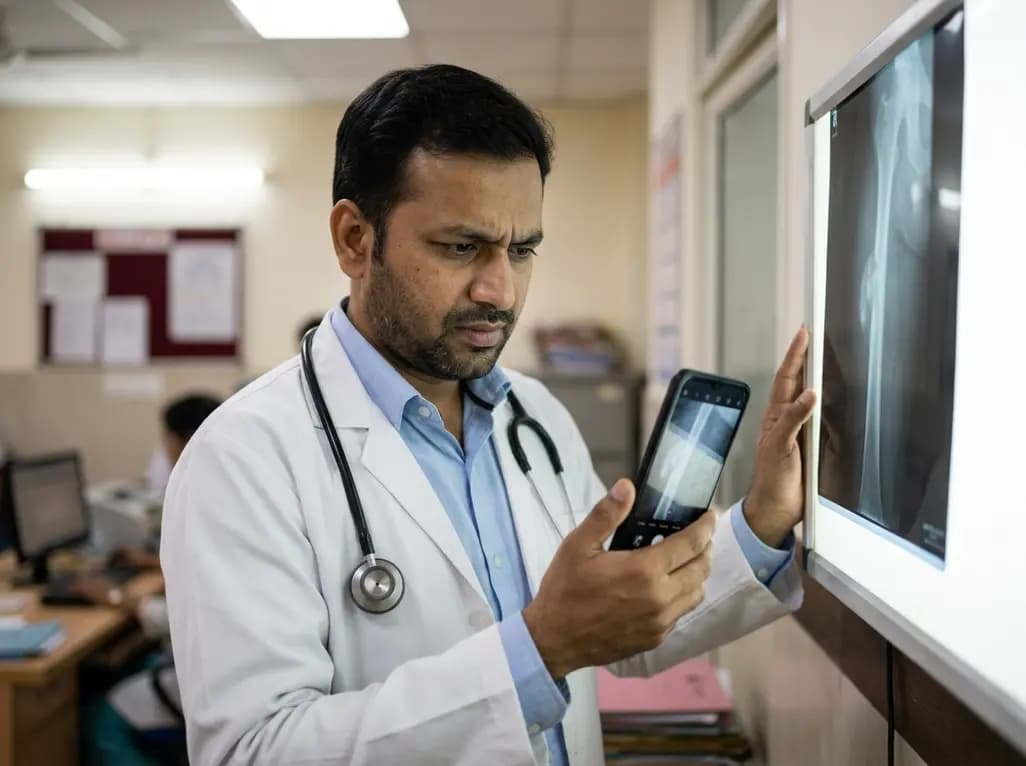
A retrospective study evaluating a locally deployed vision language model (Qwen3-VL) reveals that smartphone-captured radiographs and retrieval-augmented generation can paradoxically reduce diagnostic accuracy in bone tumor referrals due to optical noise and textual hallucinations.
Today
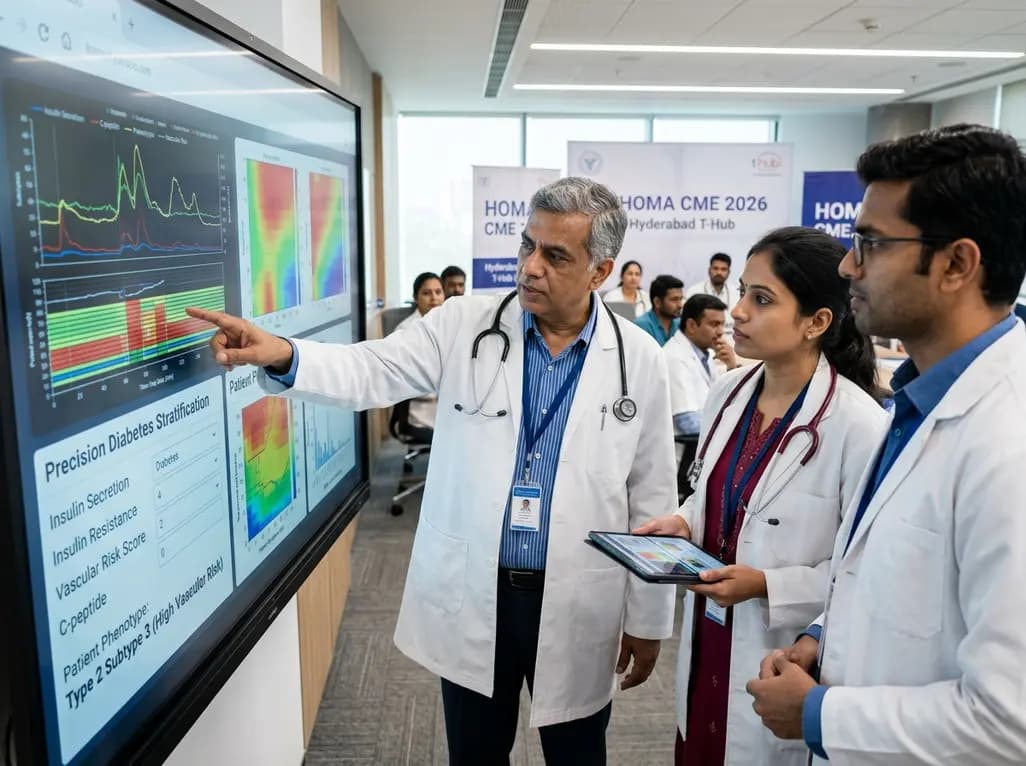
At Homa CME 2026 at Hyderabad's T-Hub, healthcare leaders emphasized moving beyond routine metrics through digital calculators and precision stratification. Discover why characterizing individual insulin secretion, resistance patterns, and vascular risks transforms chronic metabolic care in India.
Today
