.webp&w=384&q=75)

Loading, please wait...
Loading, please wait...

Spondyloptosis represents an extreme form of spondylolisthesis that requires specialized surgical intervention. Recently, medical experts shared a unique case involving sacral pedicle subtraction osteotomy for a pediatric patient. This approach successfully salvaged a complex revision case where previous methods had failed. However, revision surgery in these instances presents significant challenges. Consequently, clinicians need clear literature to guide their surgical choices. Specifically, the authors describe the first pediatric application of this technique for severe olisthetic scoliosis.
The 14-year-old adolescent female patient originally faced L5-S1 spondyloptosis and an 80-degree scoliosis. Initially, she underwent a posterior spinal fusion from T3 to the pelvis using the Bohlman technique. However, the patient experienced recurrent hardware failure twice within a single year. Consequently, surgeons needed a more robust salvage solution to address her progressive sagittal imbalance and high shear stresses. Therefore, the surgical team performed a sacral pedicle subtraction osteotomy.
Notably, they executed this procedure proximal to the previously fused Bohlman dowel. Additionally, the surgeons supplemented the multirod construct with four rods and a specialized kickstand rod. This combination successfully provided the necessary stability to counteract the underlying deformity. Ultimately, the procedure allowed for significant restoration of sagittal alignment. Furthermore, it highlights how sacral techniques can effectively salvage complex pediatric cases when traditional lumbar options might fail.
Spondyloptosis is the most severe grade of spondylolisthesis. It occurs when the L5 vertebra slips completely off the S1 segment. This condition typically causes significant pain, postural changes, and neurological weakness.
A kickstand rod provides additional structural support in complex spinal deformity cases. It helps surgeons achieve and maintain coronal correction while serving as a buttress to prevent future loss of alignment.
A sacral PSO is particularly useful as a salvage technique for distal kyphotic deformities. It targets the lumbosacral junction directly to restore sagittal balance and reduce shear stresses, especially when previous fusions are already in place.
Disclaimer: This content is for informational and educational purposes only. It does not constitute medical advice, diagnosis, or treatment. Always seek the advice of a physician or other qualified health provider with any questions you may have regarding a medical condition. Refer to the latest local and national guidelines for clinical practice.
References

Read summarized clinical updates, watch expert medical content, and earn CME certifications right from your smartphone.
Open your smartphone camera to scan and install.





This case study details the first pediatric use of a sacral PSO to salvage a failed spondyloptosis repair in an adolescent with severe scoliosis....
5 months ago

Following regulatory scrutiny from FSSAI regarding promotional representations and lean muscle preservation claims, Dr. Reddy's Laboratories and Nestlé Health Science are currently reviewing the branding and marketing strategy for their joint nutritional supplement Celevida GLP+.
Today
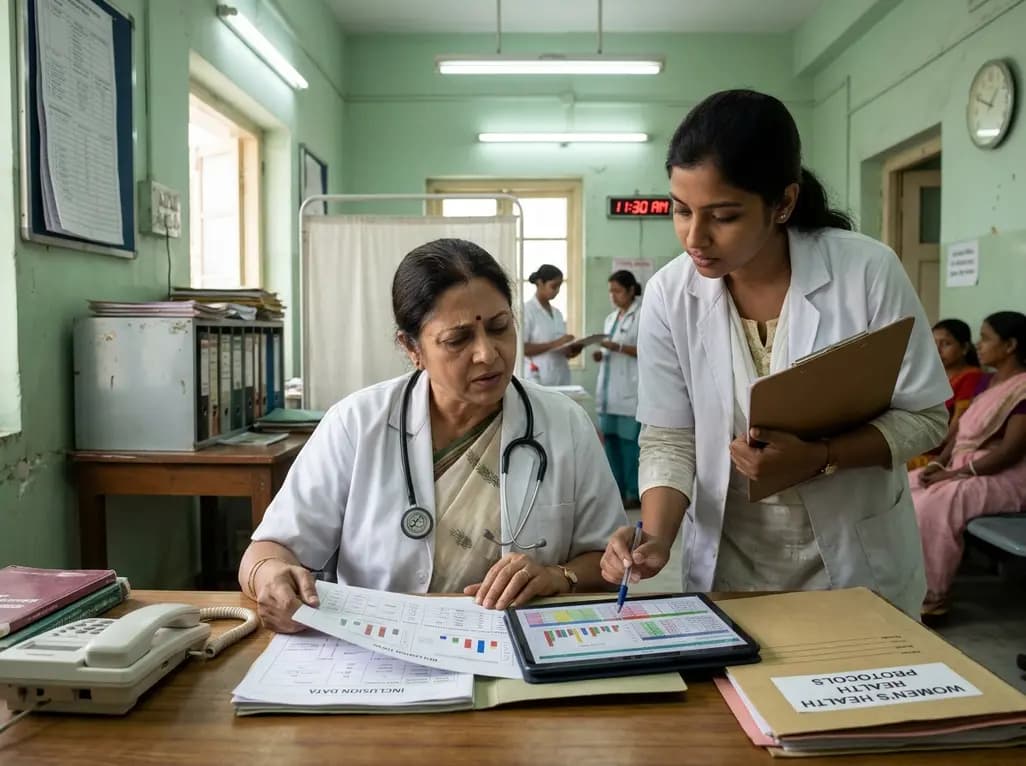
Demanding exhaustive hormonal profiling can inadvertently discourage clinical studies involving females. Methodological standards must align with the specific scientific question to expand, not restrict, equitable evidence for women.
Today

The Directorate General of Health Services directs Indian states to halt the hazardous reuse and reprocessing of single-use medical devices. Discover regulatory implications under the Drugs and Cosmetics Act, critical infection risks, legal liabilities, and operational changes required across clinical specialties.
Today
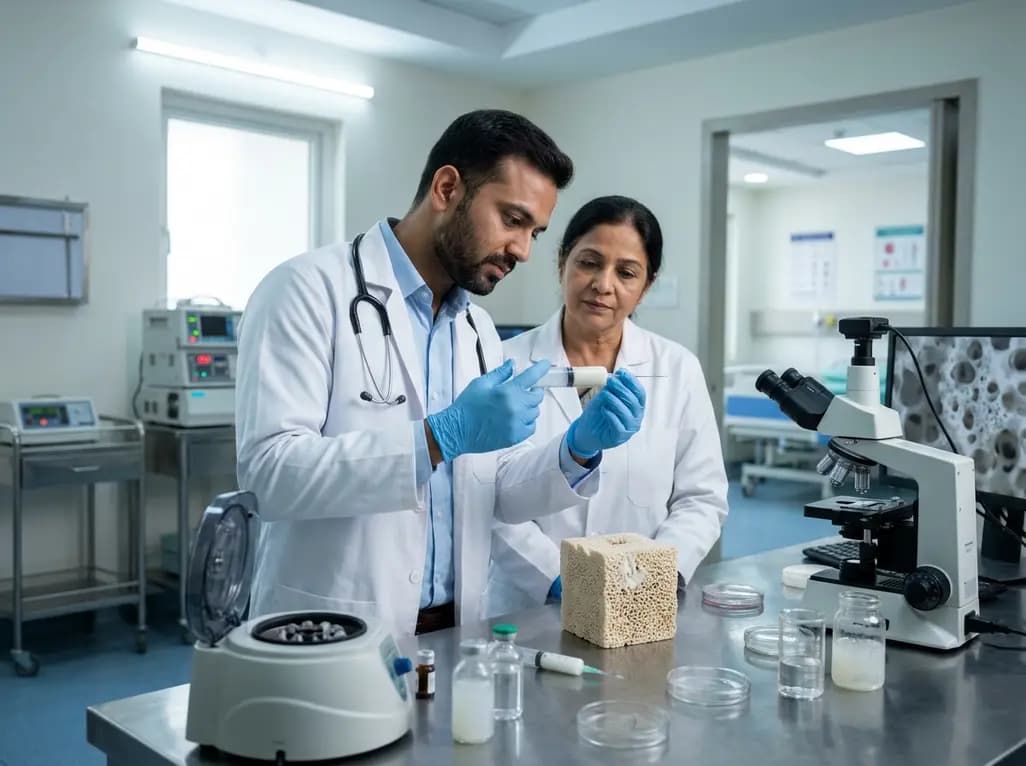
A novel calcium polyphosphate coacervate enables injectable bone implants with in situ hierarchical porosity via phase separation and gas foaming, significantly enhancing cell proliferation, energy metabolism, and osteogenic differentiation for minimally invasive bone defect repair.
Today

India is advancing preventive healthcare by integrating genomics, artificial intelligence, and quantum technologies. With the SANGAM programme sequencing one million Indian genomes, clinicians can unlock personalized therapies, detect cardiometabolic risks early, and curb the burden of diabetes and heart disease.
Today
