.webp&w=384&q=75)

Loading, please wait...
Loading, please wait...
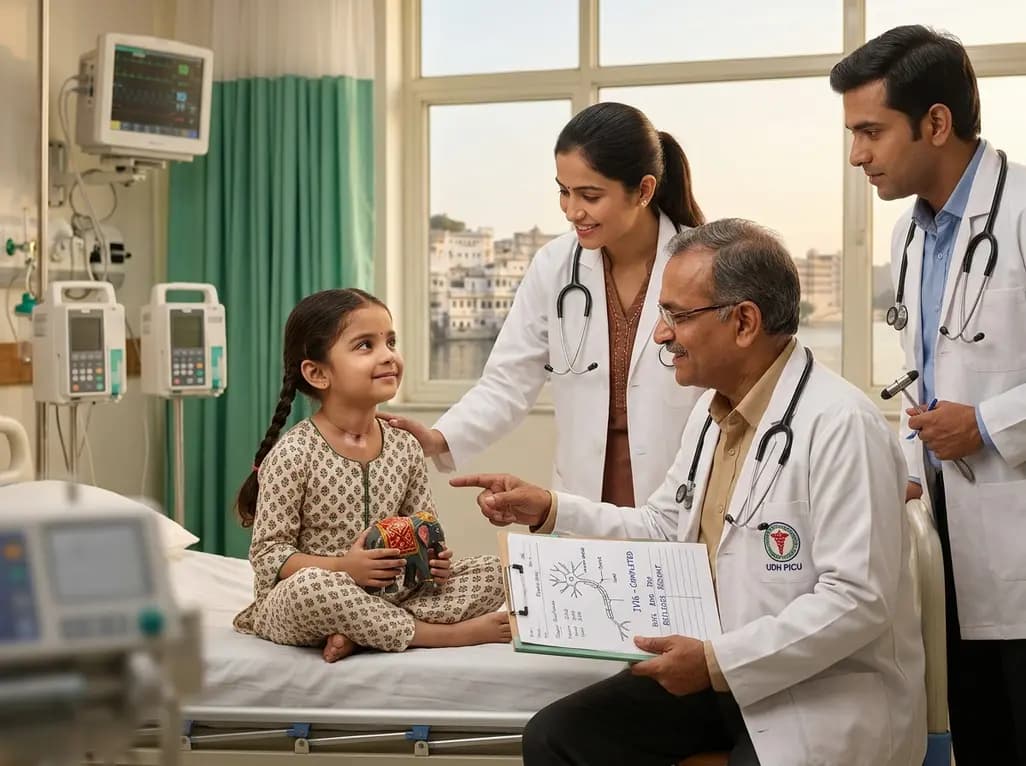
Indeed, a five-year-old girl from Rajsamand recently completed a remarkable pediatric GBS recovery in Udaipur. Initially, she presented with severe bilateral leg weakness. Consequently, doctors quickly diagnosed her with Guillain-Barré Syndrome (GBS). This condition causes the body's immune system to attack peripheral nerves. Therefore, she required urgent medical intervention.
Initially, clinicians performed a tracheostomy to manage her failing respiratory system. Additionally, they placed her on prolonged ventilator support in the PICU. Specifically, her critical care lasted nearly 80 days. Furthermore, she received five doses of intravenous immunoglobulin (IVIG) therapy. This crucial treatment helps neutralize harmful autoantibodies. However, each vial of IVIG costs about Rs 40,000. Consequently, the total medicine cost reached nearly Rs 2 lakh.
Fortunately, the Mukhyamantri Ayushman Arogya (MAA) Yojana covered her entire medical expenditure of Rs 5.31 lakh. Moreover, this scheme provides vital financial relief for vulnerable families. Furthermore, physical therapists provided intensive physiotherapy to aid muscle rehabilitation. Physicians also provided free, protein-rich nutrition to help her recover physical strength. Finally, after sustained multidisciplinary efforts, she made a full recovery. Subsequently, doctors discharged the healthy child on May 31.
Q1: What is Guillain-Barré Syndrome (GBS) and how does it affect children?
Guillain-Barré Syndrome is a rare, acute autoimmune disorder. Specifically, the body's immune system attacks peripheral nerves. Consequently, this causes muscle weakness and severe respiratory distress.
Q2: What are the primary medical therapies used for severe pediatric GBS?
Typically, clinicians administer intravenous immunoglobulin (IVIG) to halt the immune attack. Additionally, supportive therapies like ventilation and physiotherapy are critical.
Q3: How long does recovery from severe pediatric GBS usually take?
Symptom recovery timelines vary. However, patients with severe disease often require several months of therapy. Fortunately, most pediatric patients eventually achieve complete recovery.
Disclaimer: This content is for informational and educational purposes only. It does not constitute medical advice or replace professional judgment. Refer to the latest local and national guidelines for clinical practice.
References

Read summarized clinical updates, watch expert medical content, and earn CME certifications right from your smartphone.
Open your smartphone camera to scan and install.





A five-year-old girl in Udaipur successfully recovered from Guillain-Barré Syndrome after 90 days of critical PICU care, tracheostomy, and IVIG therapy....
4 months ago
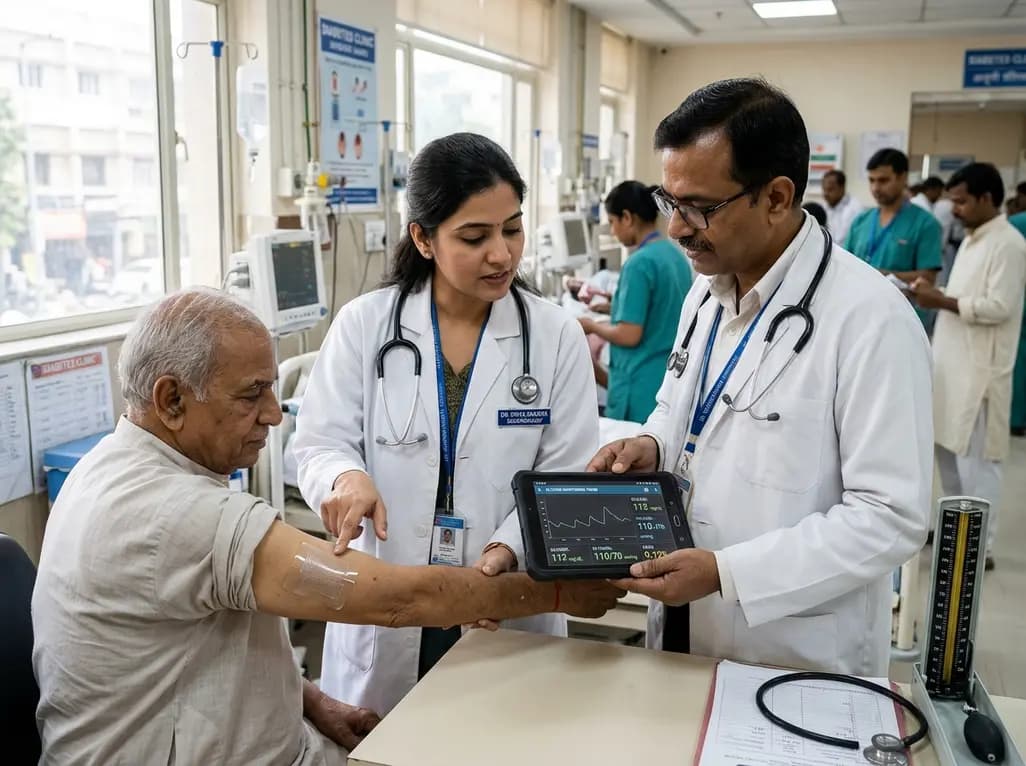
A breakthrough ultrathin multimodal sensor decouples physical hemodynamic monitoring from disposable electrochemical calibration, achieving long-term wearable glucose prediction with 81.36% accuracy and a 9.12% MARD. This offers a robust, drift-free solution for outpatient metabolic surveillance.
Today
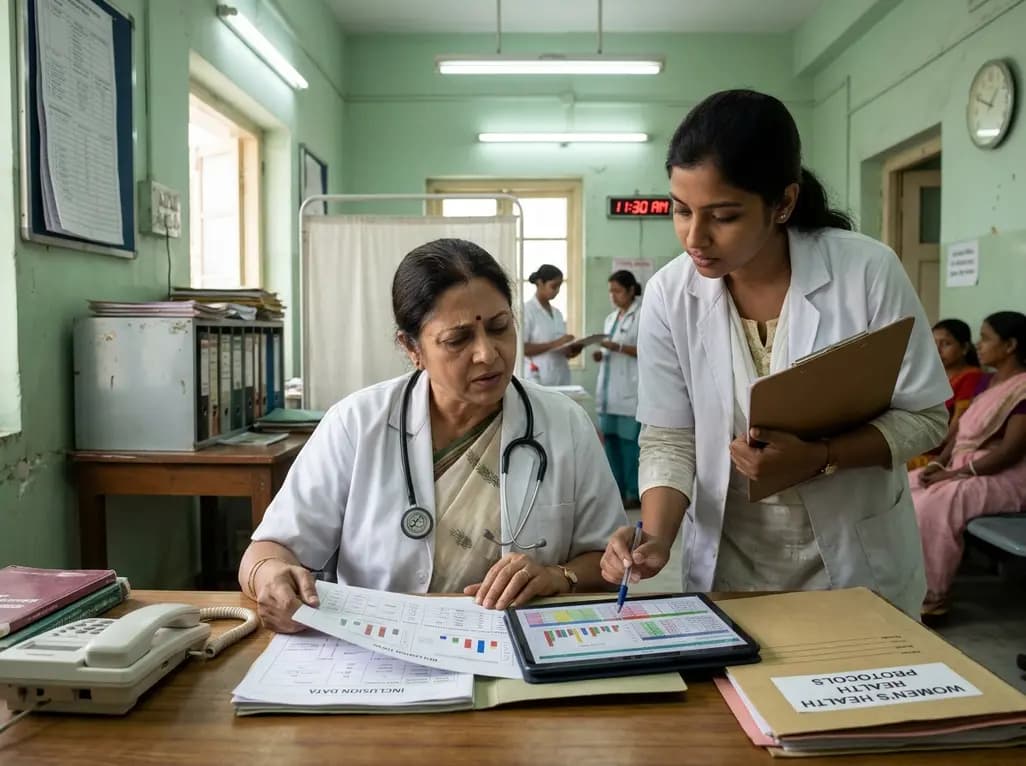
Demanding exhaustive hormonal profiling can inadvertently discourage clinical studies involving females. Methodological standards must align with the specific scientific question to expand, not restrict, equitable evidence for women.
Today
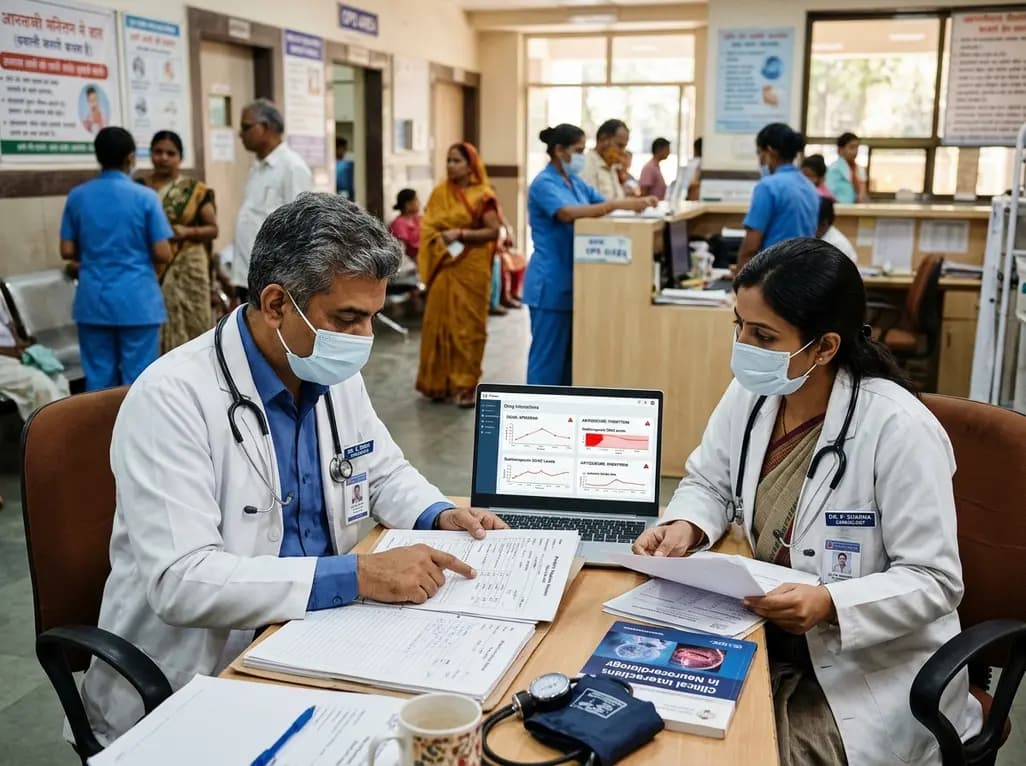
Co-administering antiseizure medications and DOACs frequently causes pharmacokinetic interactions, subtherapeutic drug levels, and thromboembolic failures. This review highlights enzyme induction risks, unpredictable outcomes with levetiracetam, and the vital role of therapeutic drug monitoring.
Today
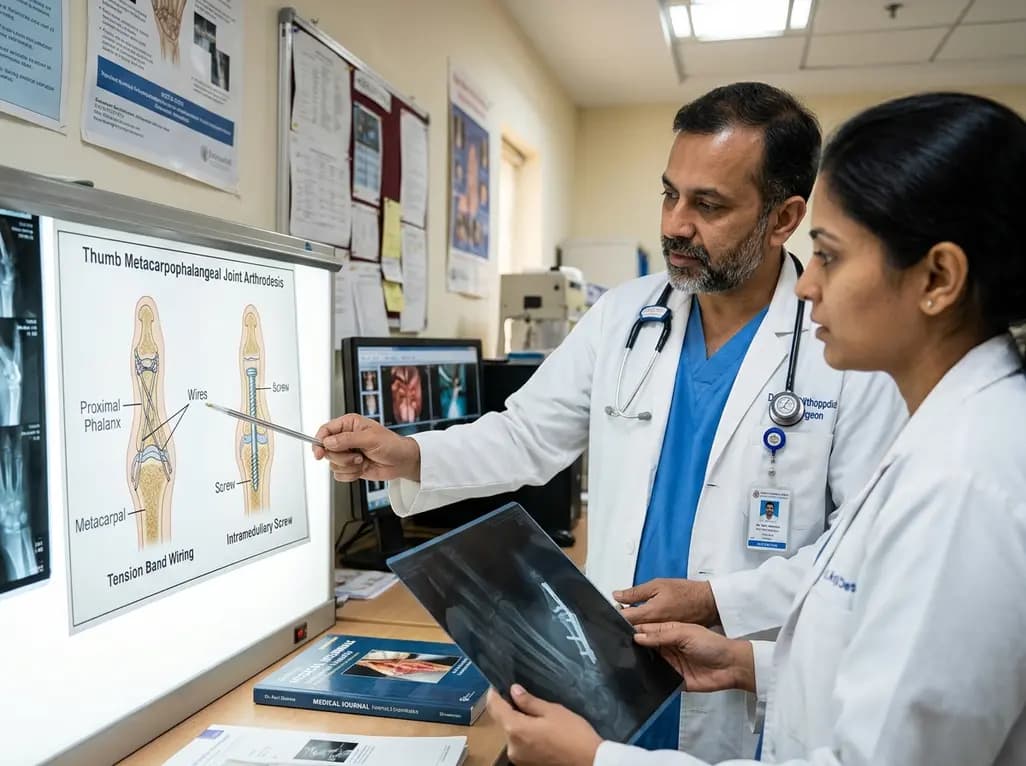
A comparative review of tension band wiring and intramedullary screw fixation in thumb metacarpophalangeal arthrodesis, evaluating union rates, hardware complications, and clinical outcomes.
Today

Following regulatory scrutiny from FSSAI regarding promotional representations and lean muscle preservation claims, Dr. Reddy's Laboratories and Nestlé Health Science are currently reviewing the branding and marketing strategy for their joint nutritional supplement Celevida GLP+.
Today
