.webp&w=384&q=75)

Loading, please wait...
Loading, please wait...
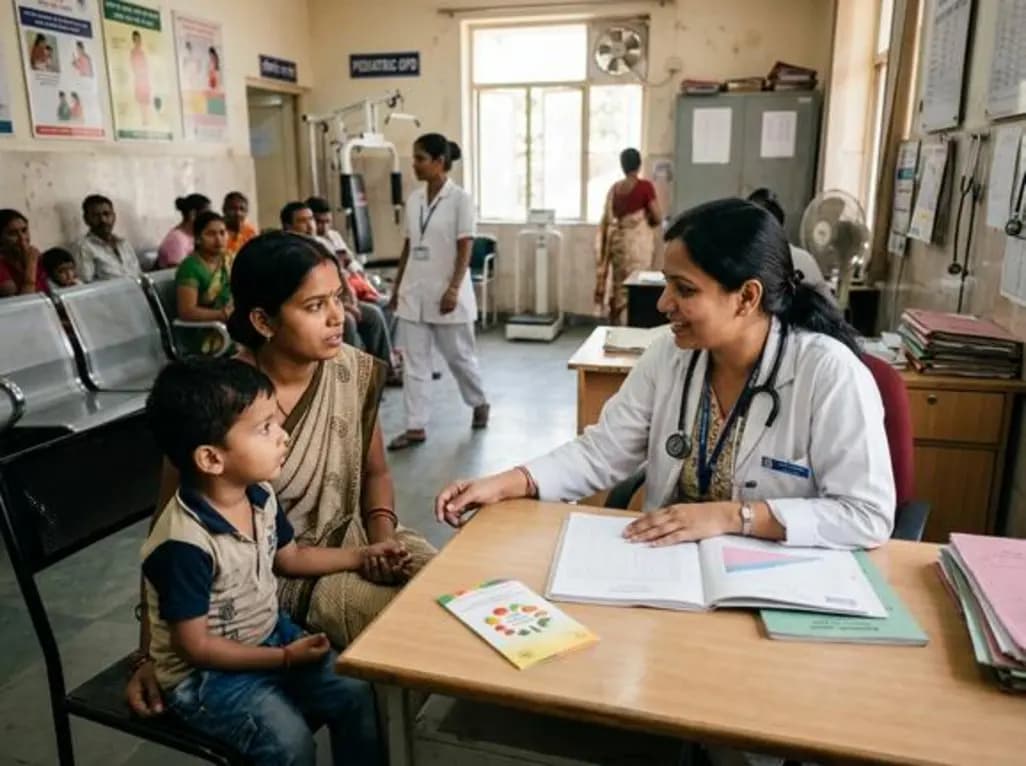
Pediatric food insecurity screening is a critical intervention for identifying social determinants that negatively impact child development. Food insecurity (FI) correlates strongly with poor physical health, exacerbation of chronic illnesses, and diminished academic performance. Consequently, national health initiatives increasingly advocate for integrating nutrition support services into routine clinical care. However, many pediatric healthcare systems struggle with inconsistent workflows and unsustainable referral processes. The Roll-Out Implementation Optimization (ROIO) trial seeks to address these gaps by refining the I-FRESH program across four pediatric clinics.
The I-FRESH (Implementing Food Referrals for Equity and Sustained Health) program provides a structured framework for addressing nutritional needs in clinical settings. Furthermore, the program consists of four essential stages designed to bridge the gap between diagnosis and support. First, clinicians conduct systematic pediatric food insecurity screening to identify families at risk. Second, staff assess specific family needs and their readiness to engage with community services. Third, the program offers direct navigation support to connect families with community nutrition resources. Finally, rigorous follow-up ensures that the utilized services effectively meet ongoing family needs.
This study utilizes the Pragmatic, Robust Implementation and Sustainability Model (PRISM) to guide adaptations based on contextual factors. Additionally, researchers use the RE-AIM framework to evaluate outcomes such as feasibility, fidelity, and reach. The trial will enroll 240 participants to measure the preliminary effectiveness of these strategies on clinical biomarkers. Specifically, the team will monitor weight status, blood pressure, lipids, HbA1c, and liver function tests. These metrics will determine if a streamlined referral process directly improves pediatric nutrition-related health outcomes. Because the design is iterative, researchers can continuously refine strategies to ensure long-term sustainability within the healthcare system.
The Roll-Out Implementation and Optimization design allows for the simultaneous testing and refinement of implementation strategies. Traditional trial designs often fail to account for the dynamic nature of clinical environments. In contrast, the ROIO approach generates a context-responsive model that adapts to the unique needs of low-income populations. By identifying effective strategies now, the trial paves the way for a fully powered Type 2 Hybrid Effectiveness-Implementation Trial. Ultimately, this research aims to establish a scalable model that links vulnerable families to high-quality nutrition support, thereby reducing health disparities among children.
The I-FRESH program aims to optimize pediatric food insecurity screening and create a sustainable referral pathway that connects families to community nutrition resources while tracking clinical health outcomes.
The ROIO trial uses an iterative process to implement and refine strategies in real-time. This allows researchers to adapt the program to the specific needs of each pediatric clinic, ensuring better feasibility and sustainability.
The trial assesses several nutrition-related health outcomes, including weight status, blood pressure, lipid profiles, HbA1c levels, and liver function tests in pediatric participants.
Disclaimer: This content is for informational and educational purposes only and does not constitute medical advice, diagnosis, or treatment. Always seek the advice of your physician or other qualified health provider with any questions you may have regarding a medical condition. Refer to the latest local and national guidelines for clinical practice.
References
1. Rhee KE et al. Roll-Out Implementation Optimization (ROIO) trial to develop and test the implementation of a food security screening and referral process: a study protocol. Implement Sci Commun. 2026 Jun 19. doi: 10.1186/s43058-026-01025-7. PMID: 42321957.
2. Barnidge E et al. Food Insecurity Screening in Pediatric Clinical Settings: A Caregivers' Perspective. Maternal and Child Health Journal. 2020;24(1):1-10. doi: 10.1007/s10995-019-02785-6.
3. Chatterjee N et al. Measuring Food Insecurity in India: A Systematic Review of the Current Evidence. PMC Food Security. 2023. https://www.ncbi.nlm.nih.gov/pmc/articles/PMC10080345/.
"
Read summarized clinical updates, watch expert medical content, and earn CME certifications right from your smartphone.
Open your smartphone camera to scan and install.





The Roll-Out Implementation Optimization (ROIO) trial introduces I-FRESH, a comprehensive program to refine pediatric food insecurity screening and referral. This study protocol aims to improve nutrition-related health outcomes like weight and HbA1c through scalable, context-responsive healthcare models.
4 months ago
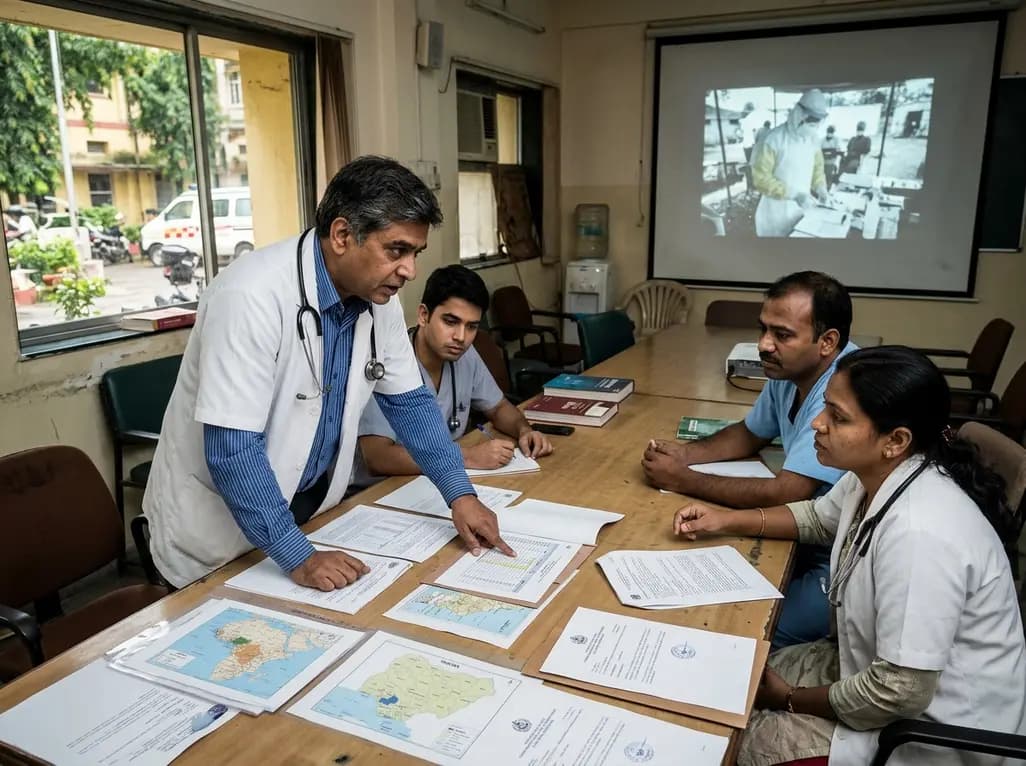
Following Nigeria's first recorded Ebola case linked to regional travel, the Africa CDC has convened an emergency ministerial summit. This alert underscores critical clinical priorities for healthcare professionals, including differentiating early viral infection from malaria, implementing barrier nursing, and triage.
Today

Leucine Rich Bio has introduced South Asia's first comprehensive vaginal microbiome test, BugSpeaks. By profiling microbial dysbiosis, pathogens, and antimicrobial resistance, this next-generation diagnostic platform provides clinicians with deeper insights into recurrent infections, fertility, and reproductive health.
Today

Review how tailored exercise programs benefit frail older patients with heart failure. Explore pathophysiological mechanisms, individualized training prescriptions, and strategies to overcome adherence barriers in clinical practice.
Today

This comparative study evaluates posterior labral tears with and without glenohumeral instability, highlighting distinct demographic patterns, MRI underestimation in stable shoulders, and successful arthroscopic repair outcomes.
Today

A clinical study demonstrates that early intervention with tocilizumab, either as monotherapy or bridged with corticosteroids, achieves significant proptosis reduction and resolves active inflammation in treatment-naive thyroid eye disease.
Today
