.webp&w=384&q=75)

Loading, please wait...
Loading, please wait...
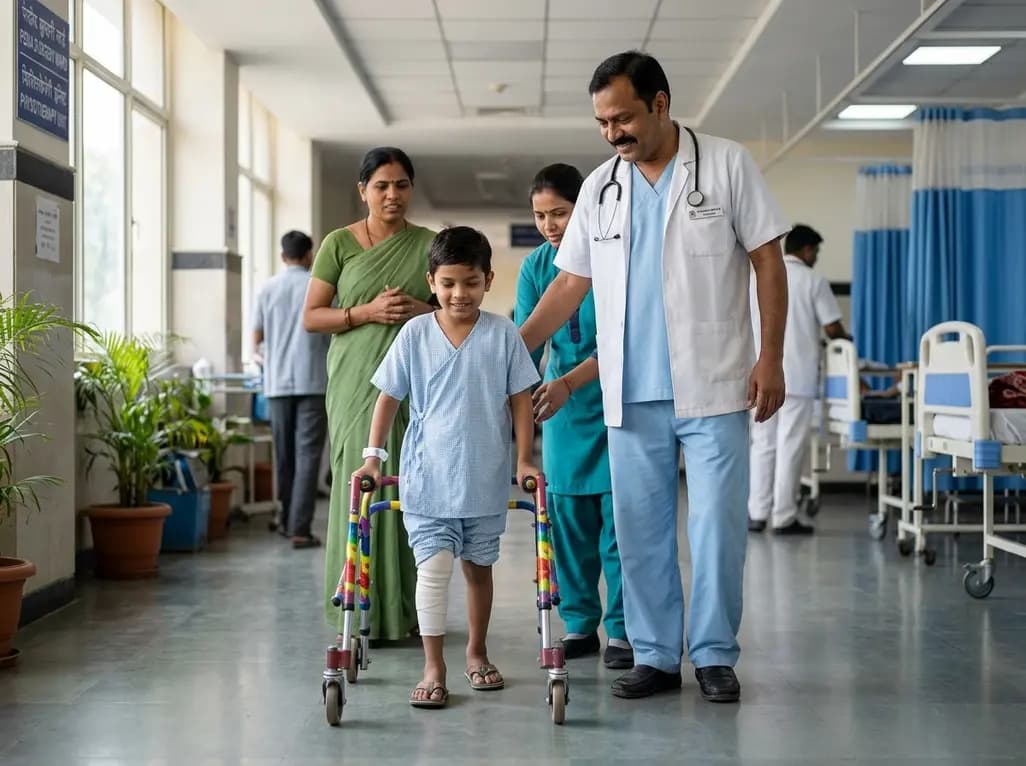
Early ambulation in children after major surgery like abdominal or spinal fusion is a critical factor in recovery. However, medical equipment often poses significant barriers to mobility. Consequently, researchers have developed specialized early ambulation devices to assist pediatric patients. This study examines how these devices impact recovery metrics like length of stay and daily movement.
Enhanced Recovery After Surgery (ERAS) protocols emphasize the importance of early mobility. Furthermore, studies show that moving early reduces the risk of post-operative ileus and respiratory complications. Specifically, for pediatric patients, movement encourages bowel motility and improves psychological well-being. Therefore, using a device designed for multiple medical lines simplifies the process for both children and nursing staff.
The quasi-experimental study compared an experimental group using a new device with a retrospective comparison group. Results were promising. For instance, children in the abdominal surgery cohort showed a significantly higher total ambulation score of 15.0 compared to 12.0 in the comparison group. Similarly, the daily ambulation frequency was much higher, reaching 5.5 versus 2.5. Overall, these findings suggest that specialized equipment can effectively bridge the gap between surgery and recovery.
Beyond physical movement, early ambulation in children helps reduce the duration of hospital stays. This leads to lower healthcare costs and faster returns to normal activities. Additionally, nurses report that managing patients with multiple tubes becomes safer with specialized mobility aids.
Early movement helps stimulate the gastrointestinal tract, prevents muscle atrophy, and reduces the risk of lung infections. It also promotes a faster return to normal daily routines.
The primary barriers include the presence of multiple medical lines, such as IVs and drains, alongside patient pain and fear of movement.
Disclaimer: This content is for informational and educational purposes only. It does not constitute medical advice or replace the professional judgment of a healthcare provider. Refer to the latest local and national guidelines for clinical practice.
References
Staggs J et al. The effectiveness of an early ambulation device for children post-abdominal or spinal fusion surgery: A quasi-experimental comparative interventional study. J Pediatr Nurs. 2026 Jun 08. doi: undefined. PMID: 42258971.
Brindle M et al. Enhanced recovery after surgery in paediatrics: a review of the literature. ERAS® Society. 2024.
Wainwright T & Burgess L. Application of enhanced recovery after surgery to spinal surgery. Orthopaedic Research Institute. 2018.

Read summarized clinical updates, watch expert medical content, and earn CME certifications right from your smartphone.
Open your smartphone camera to scan and install.





Discover how specialized devices facilitate early ambulation in children after surgery, leading to faster recovery times and better patient outcomes....
4 months ago
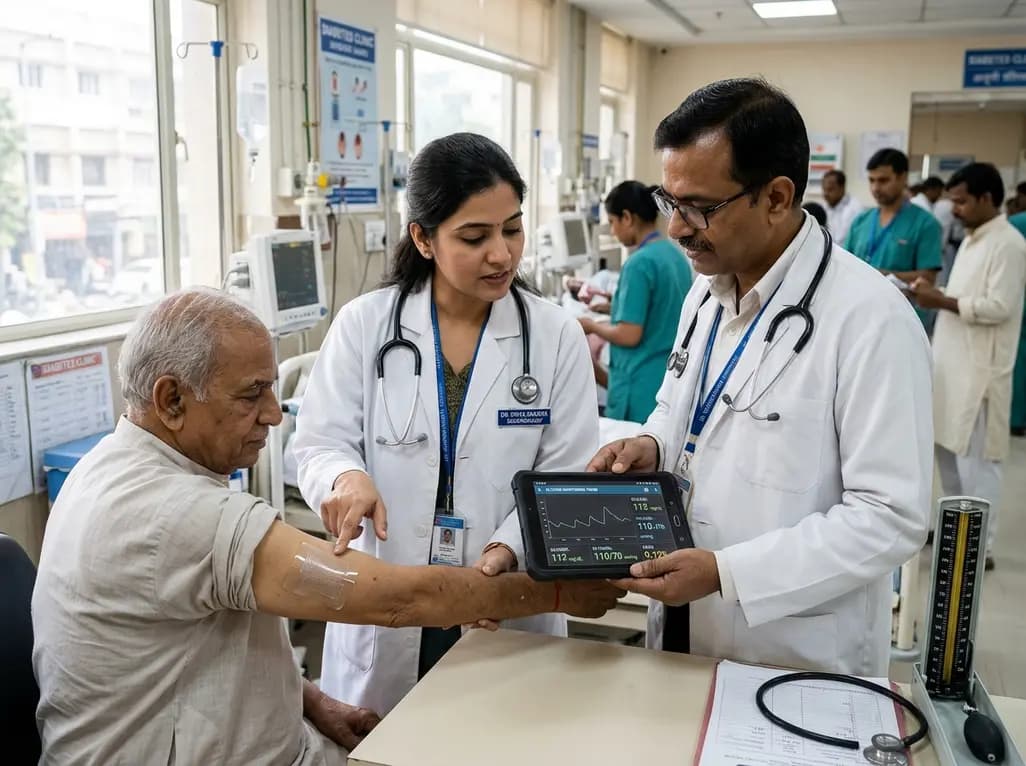
A breakthrough ultrathin multimodal sensor decouples physical hemodynamic monitoring from disposable electrochemical calibration, achieving long-term wearable glucose prediction with 81.36% accuracy and a 9.12% MARD. This offers a robust, drift-free solution for outpatient metabolic surveillance.
Today
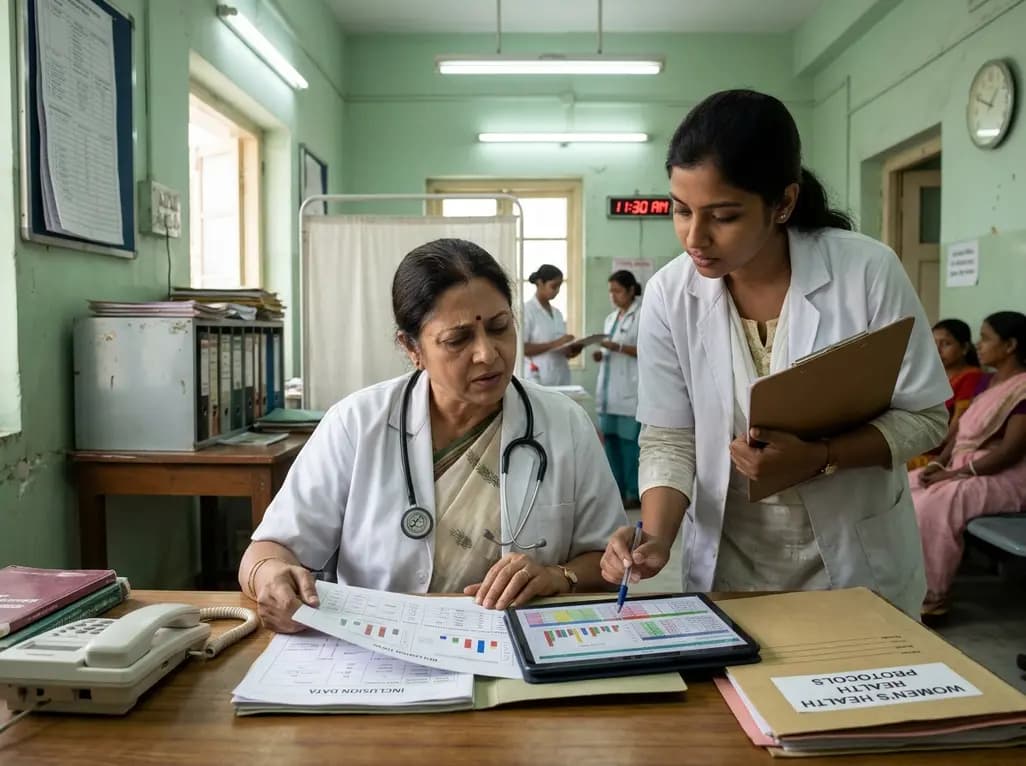
Demanding exhaustive hormonal profiling can inadvertently discourage clinical studies involving females. Methodological standards must align with the specific scientific question to expand, not restrict, equitable evidence for women.
Today
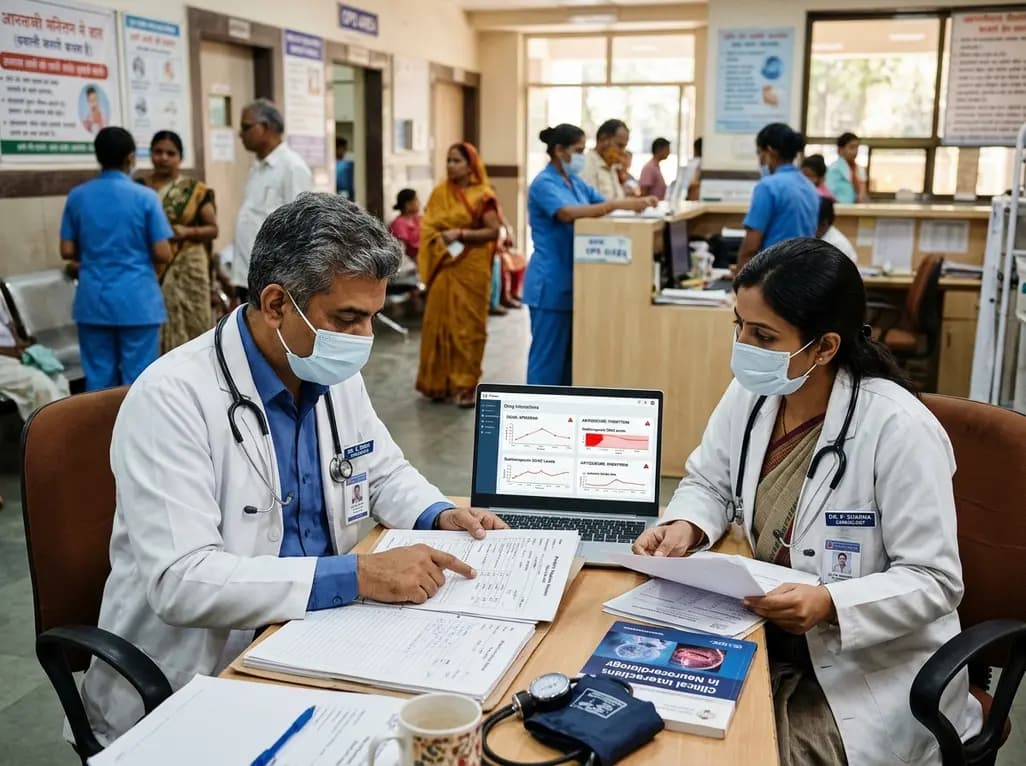
Co-administering antiseizure medications and DOACs frequently causes pharmacokinetic interactions, subtherapeutic drug levels, and thromboembolic failures. This review highlights enzyme induction risks, unpredictable outcomes with levetiracetam, and the vital role of therapeutic drug monitoring.
Today
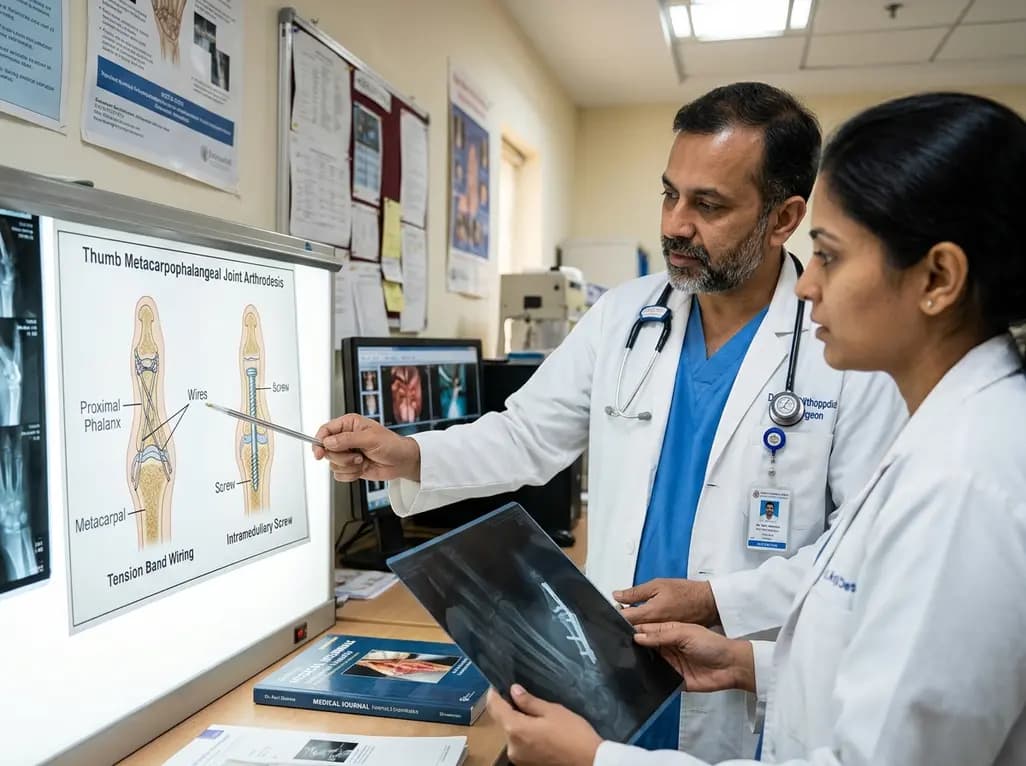
A comparative review of tension band wiring and intramedullary screw fixation in thumb metacarpophalangeal arthrodesis, evaluating union rates, hardware complications, and clinical outcomes.
Today

Following regulatory scrutiny from FSSAI regarding promotional representations and lean muscle preservation claims, Dr. Reddy's Laboratories and Nestlé Health Science are currently reviewing the branding and marketing strategy for their joint nutritional supplement Celevida GLP+.
Today
