.webp&w=384&q=75)

Loading, please wait...
Loading, please wait...
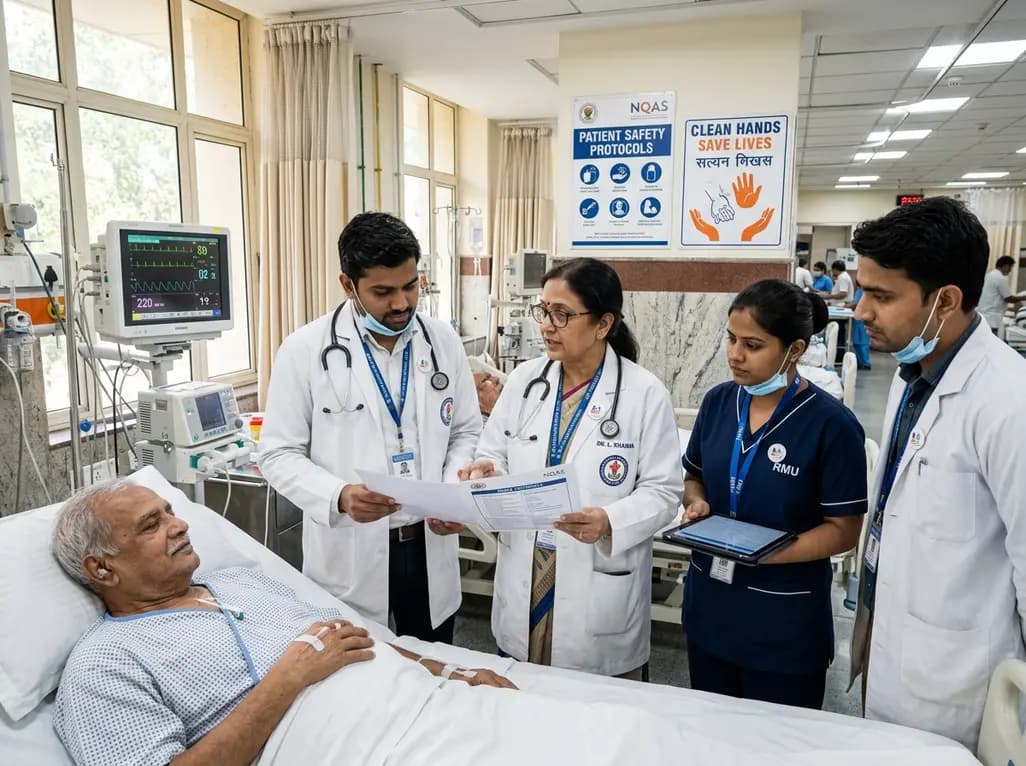
Healthcare delivery in modern clinical environments demands uncompromising vigilance at every phase of medical intervention. During a landmark address at Dr Ram Manohar Lohia Hospital, Union Health Minister JP Nadda placed patient safety at the center of institutional healthcare priorities. He emphasized that modern clinical delivery must extend far beyond acute disease management to ensure dignified, compassionate, and patient-centric outcomes. In addition, the global observance of World Patient Safety Day 2026 highlights the ongoing safety challenges facing chronic disease management. Therefore, multidisciplinary healthcare teams must actively eliminate avoidable clinical harm across all primary, secondary, and tertiary settings.
The global campaign for World Patient Safety Day 2026 emphasizes safe care for noncommunicable conditions under the slogan Safe care for life! Noncommunicable illnesses like diabetes, cardiovascular disorders, and malignancies require continuous, multi-year medical oversight. Consequently, patients with chronic conditions experience repeated interactions with complex healthcare systems over decades. These frequent clinical encounters significantly multiply the cumulative risk of medication errors, diagnostic delays, and adverse pharmacological interactions.
Moreover, clinical teams must recognize that fragmented care creates hazardous blind spots for vulnerable patients. For instance, elderly individuals frequently receive complex multi-drug regimens prescribed by different subspecialists without centralized reconciliation. Therefore, healthcare providers must establish structured medication reviews during every clinical consultation to prevent adverse drug events. In addition, physicians must improve communication between primary care providers and tertiary subspecialists to prevent critical diagnostic oversights.
Furthermore, clinical practitioners must engage patients and their primary caregivers as vigilant partners in chronic disease management. When patients clearly understand their daily dosages, dietary restrictions, and warning symptoms, preventable clinical crises decline substantially. As a result, continuous patient education transforms routine consultations into powerful opportunities for proactive safety reinforcement. Ultimately, clinical institutions must build resilient ambulatory care models that protect chronic patients across their entire therapeutic journeys.
Hospital cleanliness directly determines inpatient safety and institutional clinical outcomes. During the address, Union Health Minister Nadda explicitly linked patient safety to rigorous environmental hygiene and strict infection control. A clean hospital environment represents far more than aesthetic tidiness; it establishes an indispensable barrier against lethal pathogens. Consequently, healthcare-associated infections decline rapidly when clinical teams maintain meticulous sanitary standards across all hospital wards.
Additionally, clinical leaders must recognize that infection prevention requires universal compliance from all hospital stakeholders. Doctors, nursing personnel, technicians, and sanitary workers must practice rigorous hand hygiene before and after touching patients. For example, consistent hand sanitization dramatically reduces the transmission of multidrug-resistant organisms in high-density intensive care units. Furthermore, clinical administration must enforce standardized protocols for biomedical waste segregation and sharp instrument disposal.
Meanwhile, environmental cleaning teams must systematically disinfect high-touch surfaces, diagnostic equipment, and surgical instruments. Health Secretary Punya Salila Srivastava emphasized that institutional cleanliness requires active participation from hospital visitors and patient attendants. Therefore, hospital managers must educate visiting families about sanitation protocols and protective barriers to prevent community transmission. Through persistent adherence to these fundamental infection control measures, healthcare facilities protect vulnerable patients from preventable hospital-acquired complications.
Standardization of clinical care remains essential for eliminating systemic errors across modern medical facilities. During his keynote remarks, Nadda highlighted the vital trajectory of the National Quality Assurance Standards framework. The Ministry of Health and Family Welfare introduced NQAS in 2015 to evaluate public healthcare facilities objectively. Currently, around 60,000 public health facilities across India hold proud NQAS certification. Moreover, public health authorities are actively working to expand this certification coverage toward 200,000 health centers.
Similarly, National Accreditation Board for Hospitals and Healthcare Providers accreditation establishes essential benchmarks for tertiary medical centers. The Health Secretary highlighted that ABVIMS and Dr Ram Manohar Lohia Hospital have successfully achieved NABH accreditation. This prestigious certification reflects robust administrative governance, patient-first care models, and continuous clinical performance audits. Consequently, accredited medical facilities maintain superior outcomes in surgical safety, medication dispensing, and adverse incident documentation.
In addition, institutional quality assurance removes harmful variations between urban tertiary facilities and rural health outposts. Quality frameworks mandate clear standard operating procedures, regular staff competency assessments, and transparent incident reporting systems. As a result, healthcare workers can report clinical near-misses without fearing punitive consequences. Ultimately, widespread adoption of rigorous national standards embeds a durable safety culture across the entire public healthcare ecosystem.
Financial hardship frequently forces patients to compromise essential medical care, leading to severe clinical hazards. When individuals cannot afford prescribed therapies, they often skip critical doses or delay necessary diagnostic interventions. In response, the Government of India launched Ayushman Bharat to provide robust financial protection to economically vulnerable families. Under the flagship Pradhan Mantri Jan Arogya Yojana, eligible families receive annual secondary and tertiary healthcare coverage up to five lakh rupees.
Furthermore, this pioneering social protection program has already provided life-saving medical treatment to approximately 11.5 crore beneficiaries. Cumulatively, the initiative has authorized essential clinical treatments worth approximately 1.6 lakh crore rupees across India. As a result, millions of patients have undergone complex surgical interventions and cancer therapies without suffering catastrophic expenditure. In addition, financial security directly improves treatment adherence and clinical outcomes among low-income households.
Therefore, clinicians must actively facilitate patient enrollment and treatment approvals under these empanelled government programs. Removing financial friction allows treating physicians to prescribe evidence-based therapeutic regimens without hesitation. Moreover, comprehensive health insurance ensures uninterrupted treatment continuity for chronic patients who require recurring inpatient interventions. Consequently, equitable financial coverage directly reinforces national clinical safety standards and reduces preventable therapeutic abandonments.
Early detection and timely therapeutic access form the twin pillars of safe clinical care. During his address, Union Health Minister Nadda emphasized that preventive screening for hypertension, diabetes, and common cancers protects long-term health. When physicians detect asymptomatic chronic conditions early, they prevent debilitating organ damage and acute cardiovascular emergencies. In addition, prompt diagnostic confirmation prevents inappropriate treatments and hazardous drug toxicity resulting from misdiagnoses.
Equally important, equitable access to affordable pharmaceuticals ensures steady adherence to essential chronic disease regimens. Nadda highlighted that the Pradhan Mantri Bhartiya Janaushadhi Pariyojana has now established more than 20,000 Jan Aushadhi Kendras. These dedicated pharmacy outlets supply top-quality generic medications at a fraction of branded commercial prices. Consequently, patients managing lifelong conditions can reliably afford their daily antihypertensive, antidiabetic, and cardioprotective prescriptions.
Furthermore, generic drug availability eliminates dangerous cost-related non-compliance that frequently precipitates preventable hospital admissions. Practicing physicians must therefore educate patients about the bioequivalence and therapeutic efficacy of quality-assured generic formulations. When clinical practitioners actively support generic prescribing, they reduce financial toxicity and optimize long-term clinical safety. Thus, accessible generic distribution networks represent a vital structural foundation for safer community-wide healthcare delivery.
Q1: What is the primary theme and clinical focus of World Patient Safety Day 2026?
The global theme for World Patient Safety Day 2026 is safe care for noncommunicable diseases, championed under the slogan Safe care for life! This initiative specifically highlights the vulnerability of patients living with chronic conditions like diabetes, hypertension, and malignancies. Because these patients require continuous, multi-year medical oversight, clinical providers must establish robust medication reconciliation protocols, prevent diagnostic delays, and ensure seamless continuity of care across all primary and tertiary touchpoints.
Q2: How does the National Quality Assurance Standards (NQAS) certification improve healthcare safety in India?
The National Quality Assurance Standards framework evaluates public health institutions against rigorous clinical, administrative, and infection-control benchmarks. Currently, around 60,000 public healthcare facilities across India hold NQAS certification, with ongoing efforts targeting expansion to 200,000 institutions. By standardizing operational protocols, promoting incident reporting without punitive measures, and improving facility cleanliness, NQAS ensures that government hospitals deliver dignified, reliable, and evidence-based clinical care that prevents avoidable medical harm.
Q3: In what ways do Ayushman Bharat and PMBJP generic pharmacies enhance patient safety?
Ayushman Bharat provides secondary and tertiary health insurance coverage up to five lakh rupees per family annually, preventing catastrophic financial toxicity and treatment abandonment. Simultaneously, the Pradhan Mantri Bhartiya Janaushadhi Pariyojana operates more than 20,000 pharmacies that distribute quality generic medications at affordable rates. Together, these complementary national initiatives ensure continuous adherence to life-saving therapies, eliminating the clinical risks associated with skipped medication doses, untreated complications, and erratic disease management.
Disclaimer: This content is for informational and educational purposes only. It does not constitute medical advice or replace professional judgment. Refer to the latest local and national guidelines for clinical practice.
References

Read summarized clinical updates, watch expert medical content, and earn CME certifications right from your smartphone.
Open your smartphone camera to scan and install.





Union Health Minister JP Nadda highlighted patient safety, clinical hygiene, and institutional quality at ABVIMS and Dr RML Hospital on World Patient Safety Day 2026. The national strategy emphasizes NQAS certification, Ayushman Bharat expansions, PMBJP generic access, and safe lifelong management of chronic diseases.
Today
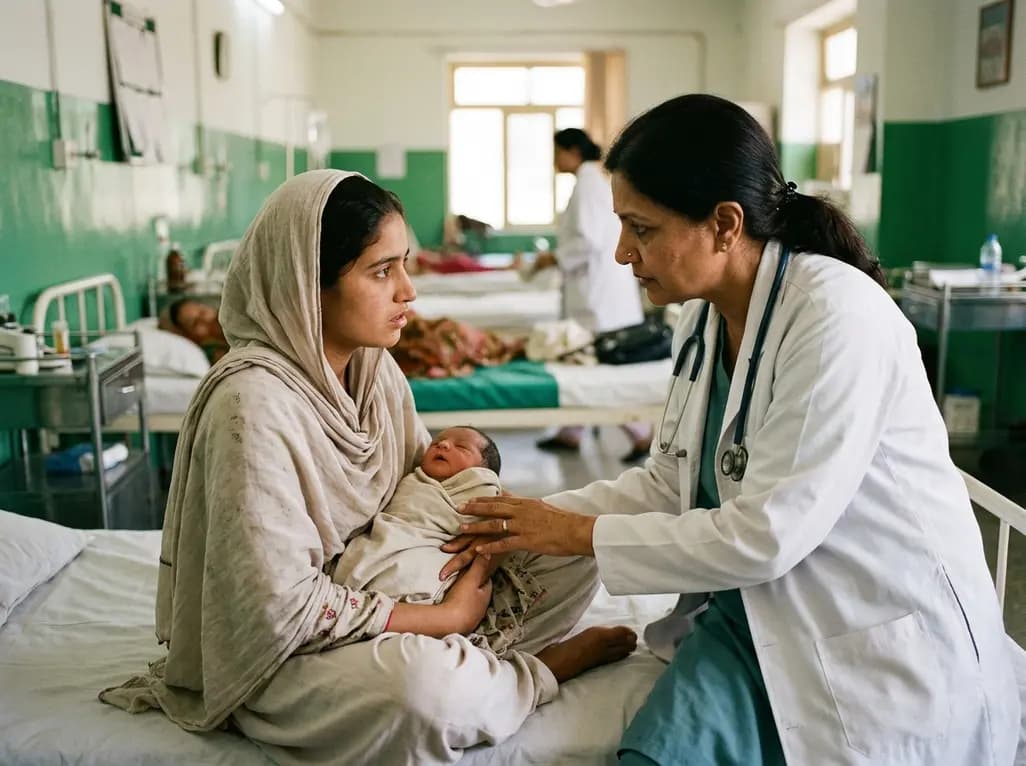
Prelacteal feeding persists in South Asian communities despite known clinical risks. This review examines determinants from Chitral, pathophysiological hazards, and pediatric strategies to eliminate harmful feeds and support exclusive breastfeeding.
Today

A randomized controlled trial demonstrates that theory-driven personalized mobile messaging reduces the risk of consecutive walking goal failures by 33 percent, highlighting the vital role of digital health tools in sustaining long-term exercise habits and chronic disease prevention.
Today
A comparative cohort study demonstrates that patients undergoing total hip arthroplasty after prior hip arthroscopy achieve comparable functional recovery, low complication rates, and equivalent implant survivorship when conversion occurs after six months.
Today
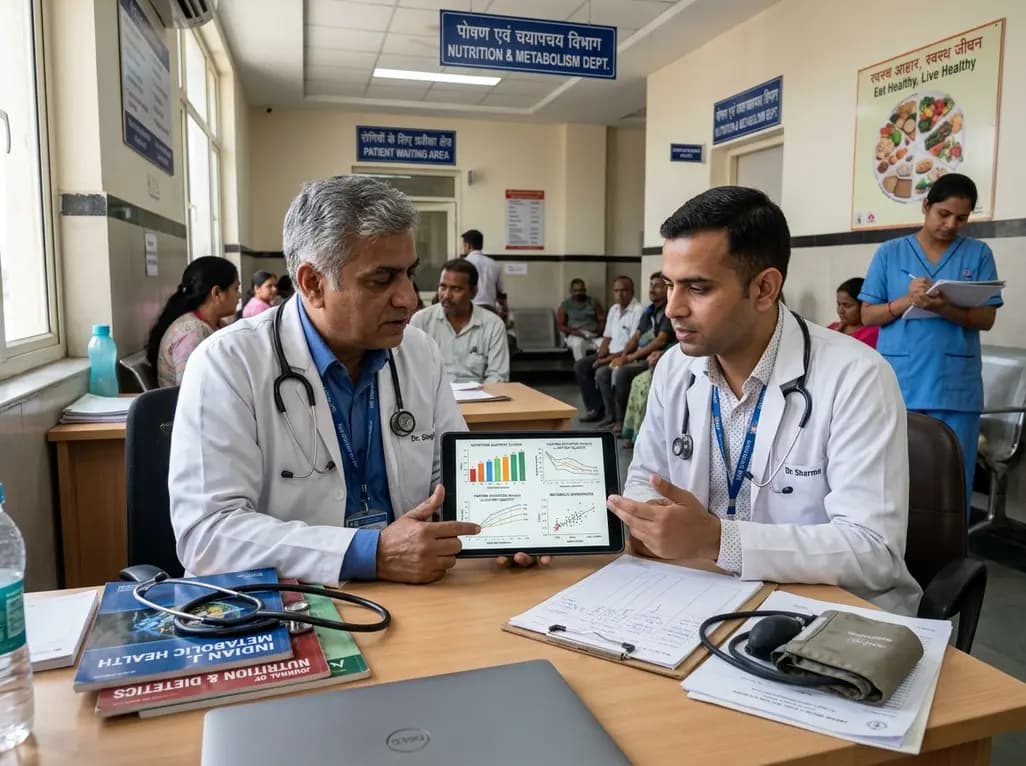
A cross-sectional study of 320 adults evaluated the link between habitual fasting duration and dietary quality using Nutrition Quotient scores, highlighting the clinical necessity of balancing time-restricted eating with nutrient density and meal quality in routine metabolic practice.
Today
