.webp&w=384&q=75)

Loading, please wait...
Loading, please wait...
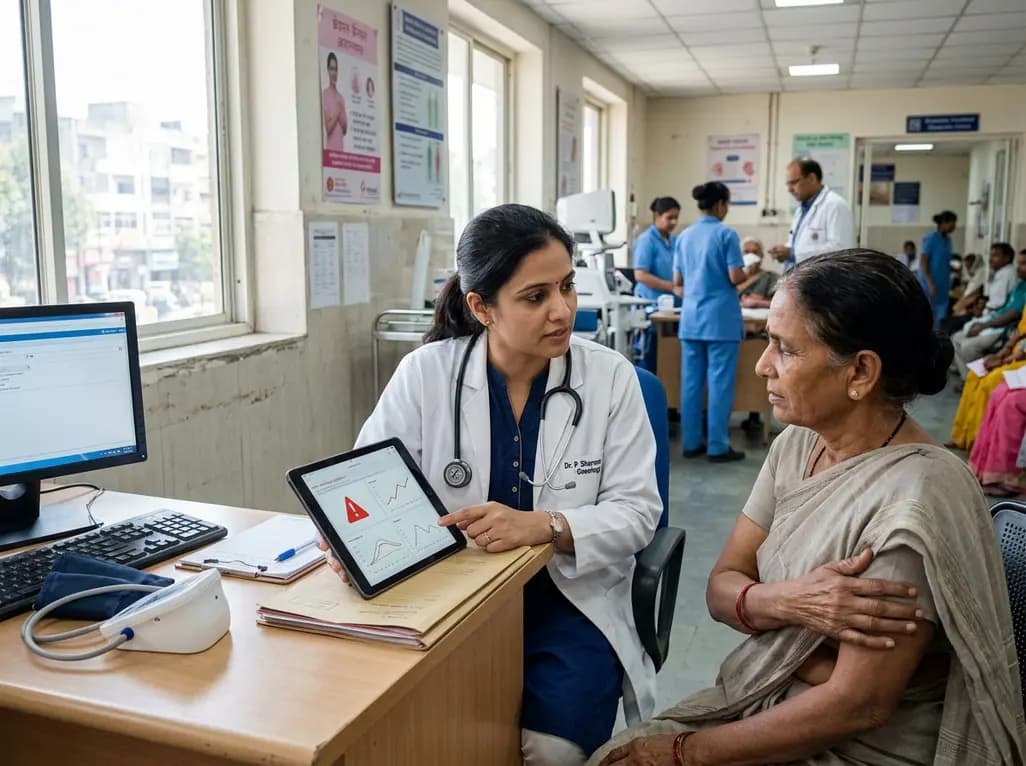
Managing debilitating symptoms in advanced cancer remains a critical priority for clinical care. A randomized trial published in JAMA Oncology demonstrates that systematic patient-reported outcome monitoring significantly reduces fatigue and enhances physical functioning among women undergoing systemic therapy for metastatic breast cancer. By pairing weekly digital symptom tracking with prompt clinical action, healthcare teams can address treatment-related toxicities before severe complications arise.
Cancer-related fatigue represents one of the most widespread and debilitating symptoms experienced by individuals with metastatic breast cancer. Although novel targeted agents and immunotherapies extended overall survival, outpatient treatment regimens frequently cause subtle, progressive side effects. Because medical consultations occur weeks or months apart, clinicians often miss the early onset of symptom deterioration. Consequently, patients suffer silently from reduced functional capacity and diminished quality of life. Digital symptom tracking bridges this critical gap by capturing real-time health status between routine clinic visits. When patients complete brief electronic assessments, the data provides an accurate longitudinal record of their physical well-being. Furthermore, structured digital tools empower individuals to actively participate in their therapeutic journey. Therefore, routine monitoring helps care teams identify emerging toxicities promptly. Rather than reacting to acute crises in emergency departments, clinicians can initiate timely interventions, adjust medication dosages, or offer supportive therapies. Ultimately, proactive remote monitoring transforms cancer management from episodic reactive consultations into a continuous, responsive partnership between patients and oncology professionals.
The multicenter PRO B randomized clinical trial evaluated 924 patients across 52 certified breast cancer centers in Germany. Participants were randomized to receive either digital symptom monitoring or standard routine care over a 12-month follow-up period. Women in the intervention cohort completed brief weekly questionnaires on smartphones using validated item banks from the European Organization for Research and Treatment of Cancer. Automated algorithms analyzed these weekly submissions for predefined thresholds of symptom deterioration. Whenever a patient reported significant worsening in fatigue or functional status, an automated alert reached trained local nurses or physicians via email. Clinical staff then contacted the patient by phone within 48 hours to assess symptoms, provide counseling, or adjust therapy. Conversely, control group participants received usual care with quarterly questionnaires and no automated alerts. This elegant trial design rigorously isolated the clinical impact of alert-based interventions. By standardizing the communication pathway, the study demonstrated that technological monitoring combined with rapid nurse-led telephone follow-up significantly enhances outpatient supportive care execution.
The study primary endpoint focused on fatigue levels at six months of continuous digital follow-up. Patients enrolled in the weekly remote monitoring intervention demonstrated statistically significant and clinically meaningful reductions in fatigue compared to control participants. Standardized T-score assessments revealed sustained relief from exhaustion and weakness throughout the trial period. Furthermore, secondary outcomes confirmed substantial improvements in overall physical functioning and global health-related quality of life. Patients receiving proactive alerts maintained higher activity levels and reported fewer severe daily disruptions from therapy. Importantly, these symptomatic benefits persisted across diverse subgroups, regardless of specific systemic therapy regimens or metastatic disease locations. The structured intervention effectively prevented minor toxicities from escalating into debilitating physical decline. In addition to symptom control, preliminary data suggested favorable trends in overall survival among patients in the intervention cohort. These robust findings prove that structured digital monitoring directly translates into measurable functional benefits for patients fighting advanced malignancies.
Several interrelated mechanisms explain why alert-based digital monitoring generates such impressive clinical benefits. First, real-time alerts enable early identification of manageable side effects, such as anemia, electrolyte imbalances, or therapy-induced lethargy. Early nursing calls allow clinicians to modify drug dosages or prescribe supportive medications before symptoms deteriorate significantly. Second, systematic digital communication improves therapeutic adherence by keeping patients engaged with their care teams. When individuals know that medical staff review their daily health status, they report feeling safer and more supported throughout treatment. Third, proactive telephone management prevents unnecessary emergency department visits and acute hospitalizations. By resolving complications early at home, care teams preserve patient physiological resilience and overall vitality. Furthermore, continuous monitoring facilitates timely referrals to palliative care, physical therapy, and psychological counseling. Together, these supportive interventions prevent secondary physical deconditioning and optimize therapeutic delivery. Consequently, patients receive optimal doses of anti-cancer therapies with fewer interruptions, directly contributing to improved clinical outcomes and quality of life.
Integrating digital patient monitoring into routine clinical practice requires dedicated infrastructure and seamless multidisciplinary workflows. Successful implementation relies heavily on trained study nurses or clinical navigators who efficiently manage incoming alert notifications. Rather than adding heavy administrative burdens to oncologists, centralized nursing teams can triage daily alerts and conduct structured telephone evaluations. Health systems must adopt user-friendly mobile applications that integrate smoothly with electronic health record platforms. Moreover, clinical leadership should establish clear triage algorithms detailing specific actions for different alert thresholds. Patient education is equally vital; individuals must understand how to navigate digital interfaces and recognize when urgent clinical evaluation is necessary. Although initial setup requires institutional support, remote symptom tracking reduces downstream healthcare costs by preventing avoidable emergency room visits and unplanned hospital admissions. Furthermore, digital tools bridge geographical barriers, offering superior care to patients residing in rural or underserved regions. As international oncology guidelines increasingly emphasize patient-centered supportive care, alert-based monitoring systems represent a scalable, highly effective standard for modern cancer management globally.
Digital symptom tracking streamlines clinical workflows by automatically triaging patient symptoms between routine clinic visits. Instead of waiting for emergency admissions, trained study nurses receive immediate email alerts when patients report severe toxicities. Nurses conduct prompt telephone consultations to adjust supportive care or modify medication dosages. This structured communication reduces administrative burdens on oncologists while ensuring timely clinical interventions and preventing severe treatment-related complications.
Automated alerts trigger immediate clinical outreach when patient-reported metrics cross predefined thresholds of symptom deterioration. Common triggers include clinically significant increases in fatigue, sudden drops in physical functioning, severe pain, unmanaged nausea, or emotional distress. Upon receiving an alert, clinical staff must contact the patient within 48 hours to assess the cause, provide targeted medical advice, prescribe supportive medications, or arrange an urgent outpatient consultation.
Yes, digital symptom tracking can be adapted for resource-constrained clinical settings by utilizing accessible smartphone applications and automated text-messaging systems. Mid-level healthcare workers, such as clinical nurses or community healthcare navigators, can easily manage alert triage protocols. By preventing acute complications and avoiding emergency department visits, digital remote monitoring offers a cost-effective strategy that optimizes resource allocation while improving overall patient outcomes.
Disclaimer: This content is for informational and educational purposes only, and does not constitute medical advice, diagnosis, or treatment. Healthcare professionals should exercise their independent clinical judgment and consult official guidelines. Refer to the latest local and national guidelines for clinical practice.
References

Read summarized clinical updates, watch expert medical content, and earn CME certifications right from your smartphone.
Open your smartphone camera to scan and install.





A landmark trial in JAMA Oncology shows that weekly electronic patient-reported outcome monitoring with alert-based nursing interventions significantly reduces fatigue and improves physical functioning in metastatic breast cancer patients.
last month
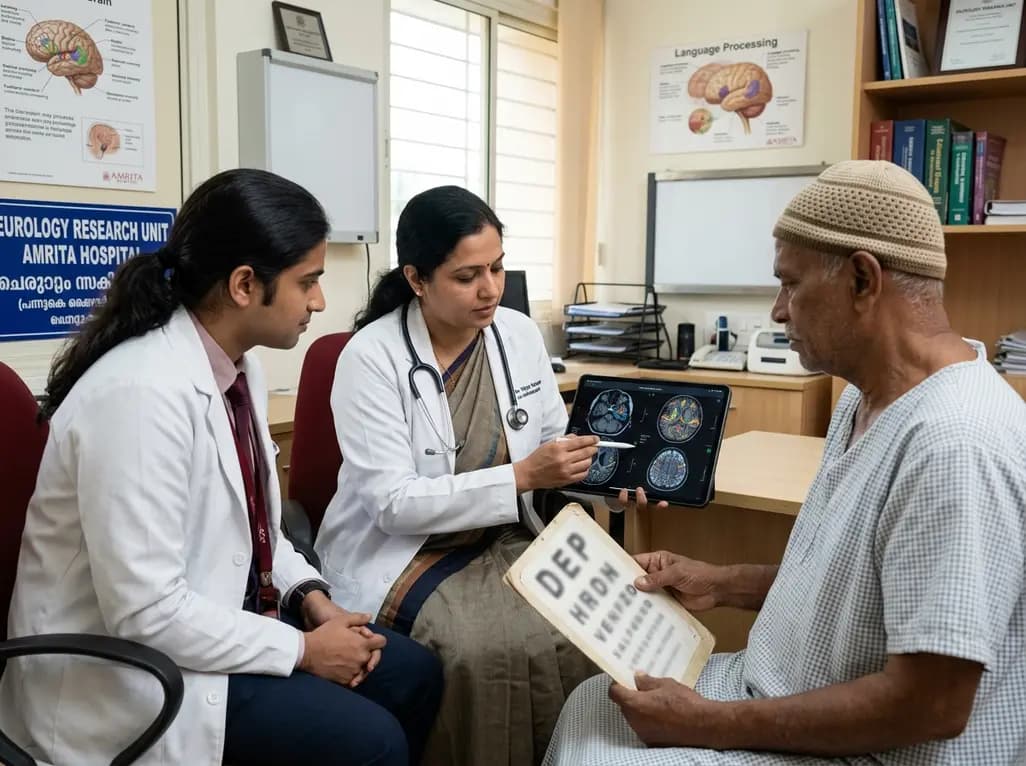
A new case study illuminates how functional connectivity changes drive recovery from pure alexia following posterior cerebral artery infarction. Functional reorganization supports reading recovery despite permanent structural tract disconnection, highlighting key implications for stroke rehabilitation.
Today

A premature neonate developed upper limb compartment syndrome after uterine rupture extruded the arm through a scar defect. Conservative management with continuous monitoring yielded complete functional recovery and normal limb growth at 10-year follow-up, highlighting non-operative safety in selected cases.
Today
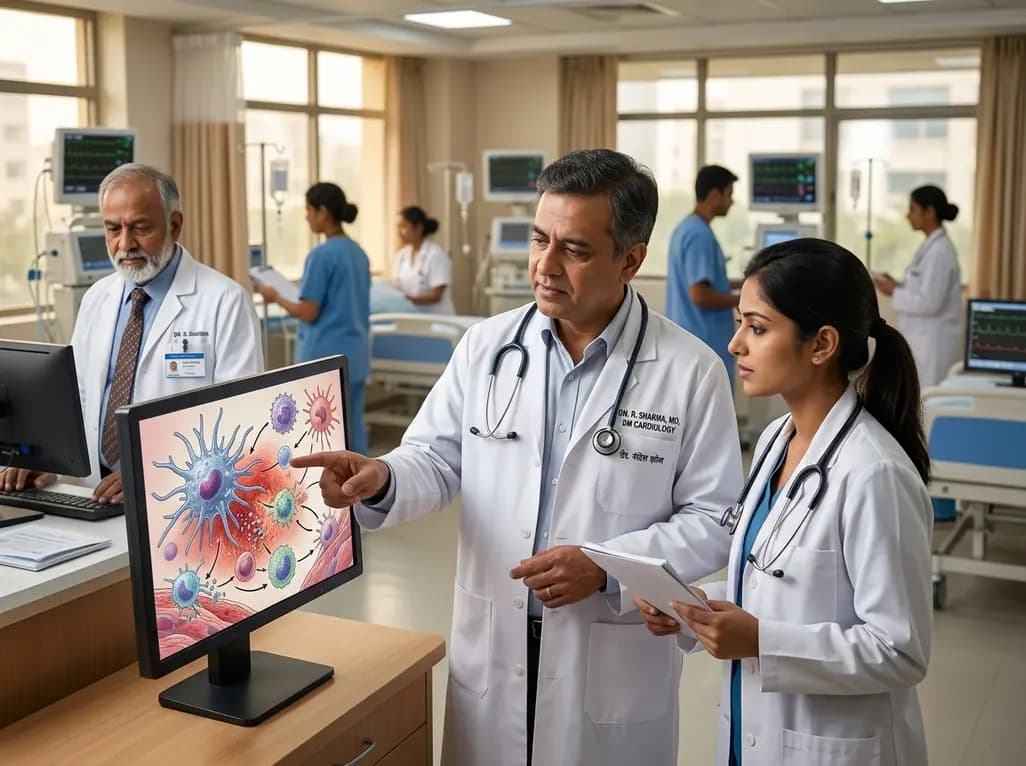
Dendritic cells bridge innate and adaptive immunity in myocardial infarction. This review explores their pathological roles, circulating dynamics, novel tolerogenic interventions, and how standard cardiovascular medications modulate dendritic cells to improve post-infarction myocardial repair and patient outcomes.
Today
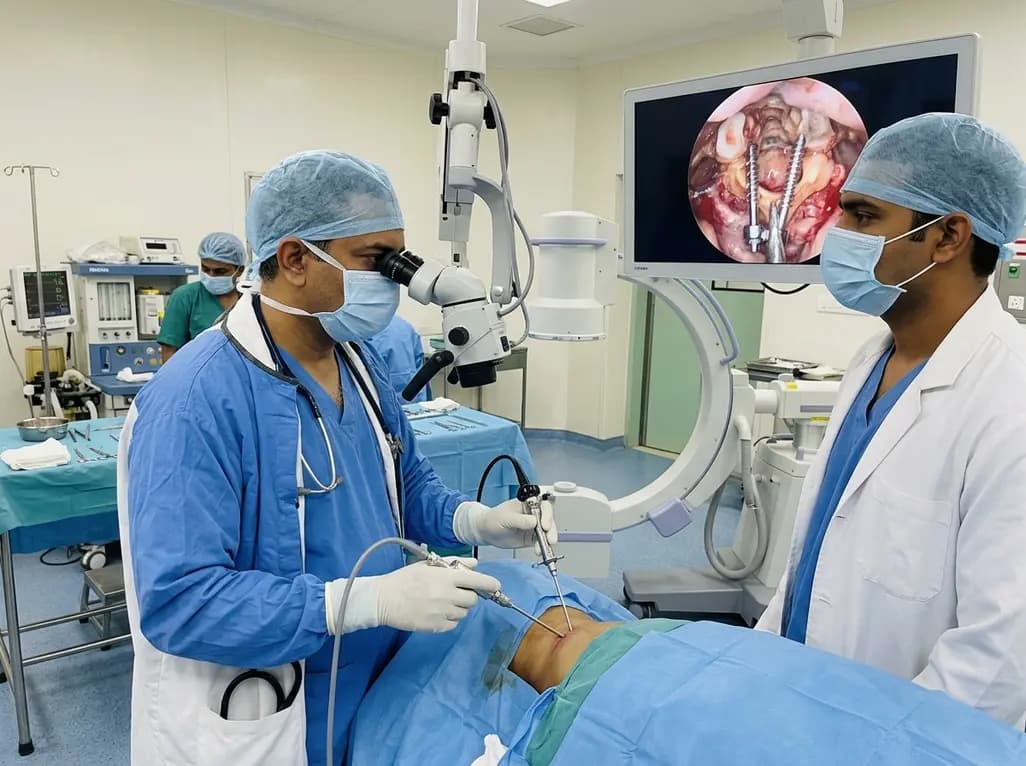
Endoscopic posterior cervical fusion combines minimally invasive decompression, joint preparation, and rigid screw-rod fixation for atlantoaxial pathologies. Early clinical findings demonstrate solid bony union, excellent symptom relief, and minimal soft-tissue morbidity without significant vascular compromise.
Yesterday
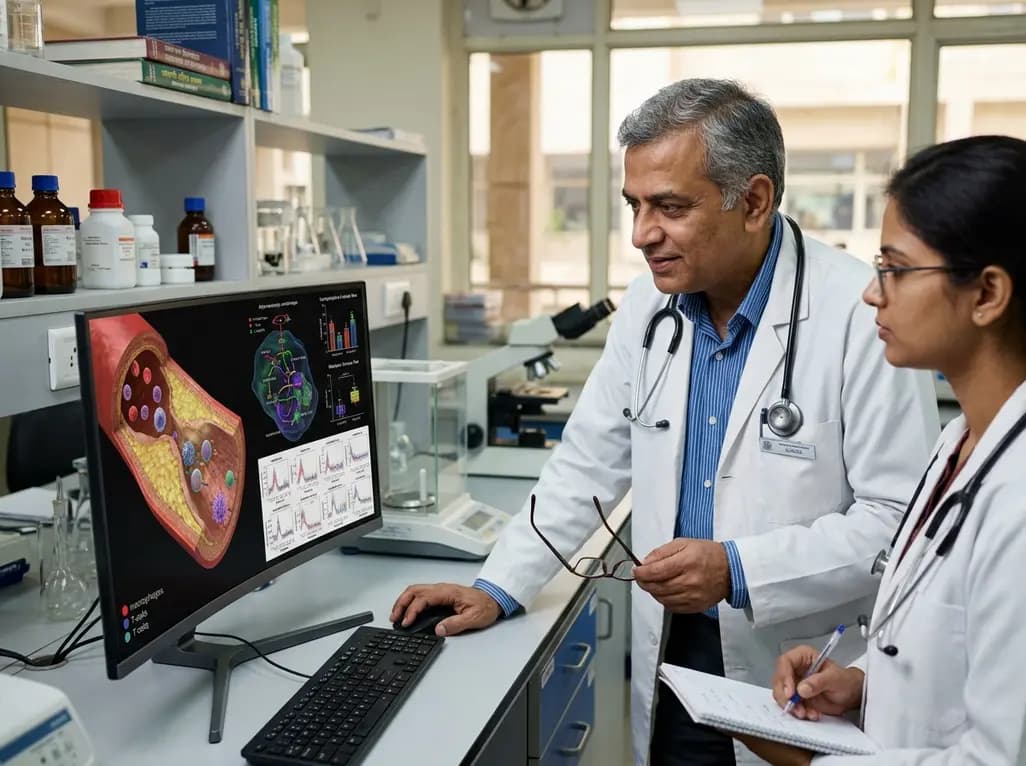
Atherosclerosis involves extensive glycometabolic reprogramming across immune and vascular cells. This review examines how glycolysis, the pentose phosphate pathway, and lactate-driven epigenetic shifts fuel plaque vulnerability, while highlighting novel therapeutic targets like PFKFB3 and LDHA.
Today
