.webp&w=384&q=75)

Loading, please wait...
Loading, please wait...

Assessing physiological vulnerability in cancer patients remains a significant clinical challenge. Clinicians frequently encounter older individuals whose chronological age does not align with their biological reserve. Consequently, developing an accurate, accessible frailty index in oncology is essential for optimizing treatment selection, mitigating toxicity, and personalizing supportive care. A recent multicenter investigation evaluated a novel 42-variable deficit accumulation tool constructed directly from patient-reported outcome measures and comorbidity data. The findings indicate that self-reported functional deficits provide robust prognostic value for survival outcomes across multiple solid tumor types.
Traditional oncology assessment tools, such as the Eastern Cooperative Oncology Group performance status, often fail to capture subtle multisystem deficits. Comprehensive geriatric assessment represents the gold standard for evaluating vulnerable patients, yet standard protocols require substantial time, specialized staff, and dedicated clinical resources. Therefore, routine clinical implementation remains limited in high-volume cancer centers. Implementing a practical frailty index in oncology addresses this operational barrier by leveraging patient-reported outcome measures. By collecting baseline functional, physical, and psychological parameters directly from patients, oncology teams can rapidly quantify biological reserve without overburdening busy outpatient clinics. Furthermore, this approach empowers patients to actively contribute to their comprehensive risk stratification.
Researchers analyzed baseline clinical and patient-reported data from 464 patients diagnosed with lung, breast, or colorectal cancer within the Continuous Improvement in Care - Cancer Project database. The investigators constructed a standard 42-variable frailty index following established deficit accumulation principles. Specifically, variables encompassed functional limitations, mobility restrictions, psychological distress, systemic symptoms, and physician-diagnosed comorbidities. The mathematical index represents the ratio of present deficits divided by the total evaluated parameters, producing a continuous score between 0.00 and 1.00. Investigators designated a cutoff threshold of 0.20 to identify clinically meaningful frailty. Subsequently, multivariable Cox proportional hazards regression models evaluated the independent correlation between frailty scores and overall survival.
The distribution of frailty index scores across the cohort ranged from 0.00 to 0.58, exhibiting a classic gamma distribution with a mean of 0.16. Each additional year of age correlated with a slight but statistically significant increase in deficit accumulation. Notably, female patients presenting with lung or colorectal malignancies demonstrated significantly higher average frailty scores compared to male counterparts. Survival analysis revealed that deficit accumulation strongly predicted clinical outcomes. Specifically, every 0.10 increment in the index significantly increased all-cause mortality risk. Furthermore, patients categorized as frail faced a nearly twofold higher probability of death compared to non-frail individuals after adjusting for chronological age, biological sex, and specific tumor histology.
Self-reported tools offer distinct operational advantages over complex, clinician-administered geriatric batteries. Patients can complete digital surveys in waiting rooms or from home prior to consultation, allowing seamless integration into electronic health records. Consequently, oncologists obtain an objective, automated vulnerability score before initiating cytotoxic chemotherapy, immunotherapy, or extensive surgical resections. Identifying frail individuals enables targeted prehabilitation interventions, including physical therapy, nutritional optimization, and medication rationalization. In addition, recognizing vulnerable states facilitates nuanced discussions regarding treatment tolerance and potential toxicities. Thus, clinicians can balance therapeutic intensity with quality of life, avoiding both harmful undertreatment of fit patients and catastrophic overtreatment of frail individuals.
While patient-reported assessment provides notable efficiency, successful institutional rollout requires systematic integration and continuous quality monitoring. Clinicians must ensure that survey instruments are linguistically validated, culturally adapted, and easily comprehensible for individuals with limited health literacy. Moreover, digital divide barriers among older populations demand flexible options, including assisted completion by oncology nurses or family caregivers. Health systems must establish automated clinical pathways where elevated frailty scores trigger multidisciplinary reviews and geriatric oncology consultations. Ultimately, incorporating self-reported frailty metrics into cancer care delivery transforms raw prognostic data into actionable clinical workflows that enhance patient safety, satisfaction, and overall survival.
The frailty index uses a standard deficit accumulation model across 42 individual variables. Clinicians divide the total number of self-reported functional deficits, symptoms, and comorbidities by the total number of assessed parameters. This yields a continuous mathematical score between 0.00 and 1.00, where a score of 0.20 or greater establishes clinical frailty.
Patient-reported outcome measures capture authentic daily physical, functional, and psychological limitations directly from the patient. Traditional clinician-assigned performance scores often miss subtle multisystem vulnerabilities and depend heavily on subjective observer impression. In addition, patient-derived digital questionnaires save substantial consultation time, allowing automated risk stratification in busy oncology clinics without requiring extensive specialized staff.
Elevated frailty scores alert multidisciplinary teams to heightened risks of treatment toxicity, hospitalization, and mortality. Consequently, oncologists can personalize chemotherapy dosing, adjust surgical plans, and recommend supportive prehabilitation. Furthermore, identifying frailty prompts proactive interventions, such as physical therapy, nutritional counseling, and aggressive symptom management, ensuring therapeutic choices align closely with overall biological reserve.
Disclaimer: This content is for informational and educational purposes only and should not be considered medical advice. Healthcare professionals must exercise independent clinical judgment. Refer to the latest local and national guidelines for clinical practice.
References

Read summarized clinical updates, watch expert medical content, and earn CME certifications right from your smartphone.
Open your smartphone camera to scan and install.





A new study demonstrates that a 42-variable frailty index derived from patient-reported outcome measures and self-reported comorbidities accurately predicts mortality in lung, breast, and colorectal cancer, providing an objective, scalable tool to optimize personalized oncology and geriatric care.
last month
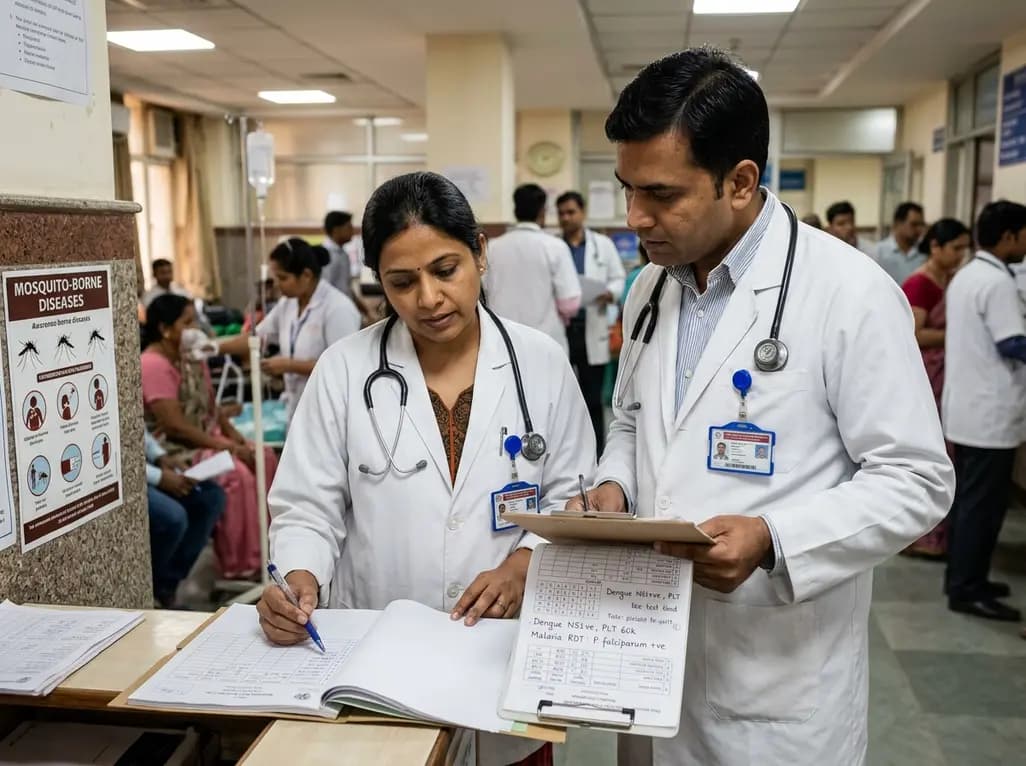
With Delhi reporting nearly triple the vector-borne infections since August, healthcare practitioners face heightened diagnostic challenges. Timely differentiation between dengue and malaria, vigilant monitoring during the critical afebrile phase, and strict avoidance of NSAIDs remain vital for reducing morbidity.
Today

A scoping review reveals how pregnancy affects phonation through laryngeal edema and reduced phonation time rather than major acoustic pitch alterations. Learn how to identify, evaluate, and manage vocal symptoms in expectant mothers.
Today
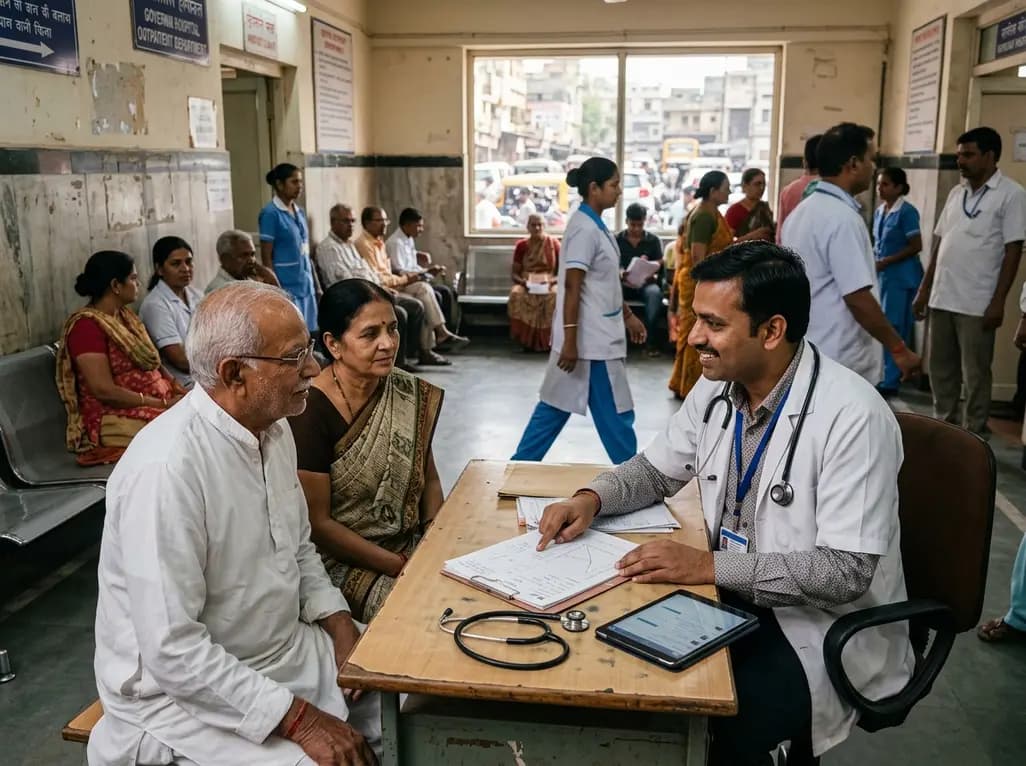
According to WHO data, average lifespan reached 73.3 years in 2023, recovering from pandemic lows. However, healthy life expectancy lags at 62.8 years due to surging noncommunicable conditions like cardiovascular disease and dementia, demanding proactive primary screening and sustained chronic care.
Today
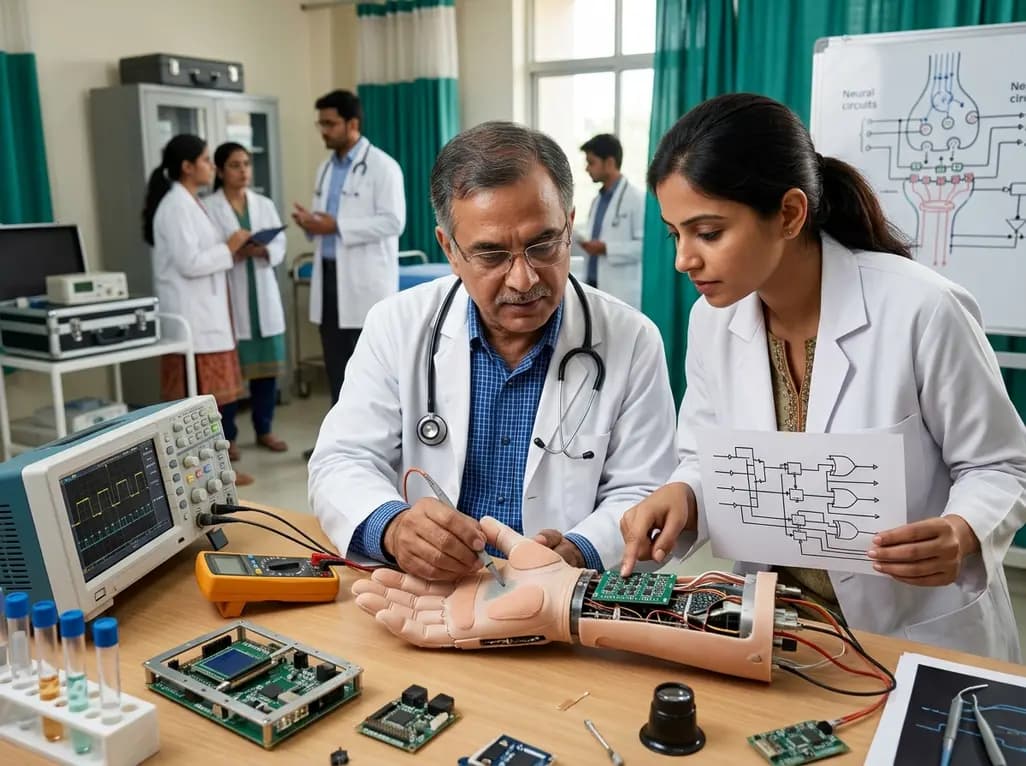
Researchers have engineered an artificial sensory-pain integrated receptor using a multi-threshold organic synaptic transistor. The system distinguishes benign touch from noxious stimuli, enabling safer, more responsive prosthetic limbs with built-in memory and simplified hardware architecture.
Today
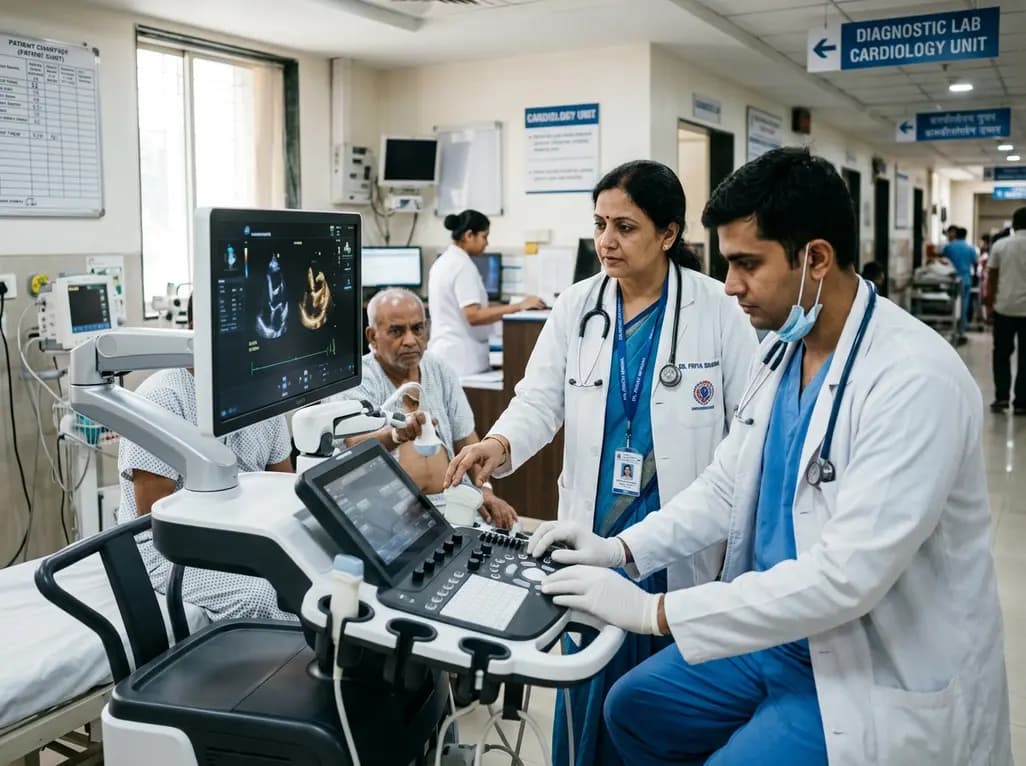
Medical robotics is transitioning beyond operative suites into diagnostics, cardiology, and endocrinology. Explore how innovations in tele-robotics, AI integration, and nanomedicine are overcoming geographical barriers and transforming precision healthcare delivery across India's evolving disease landscape.
Today
