.webp&w=384&q=75)

Loading, please wait...
Loading, please wait...
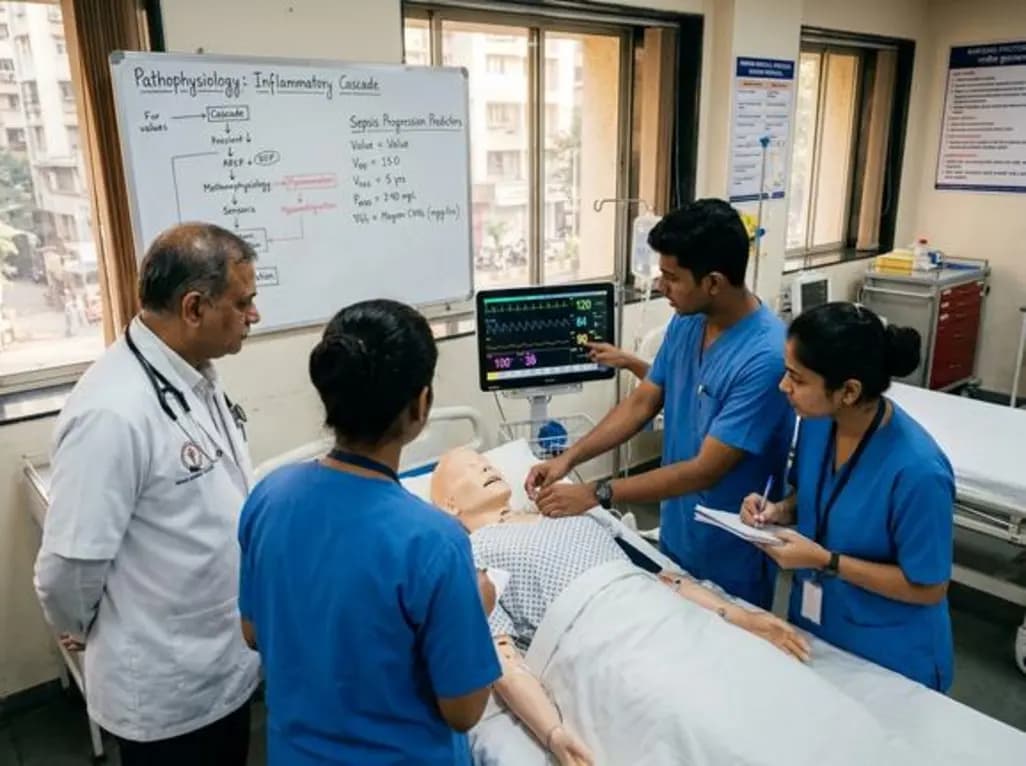
Academic institutions increasingly seek reliable indicators to bolster the healthcare workforce. Specifically, recent research highlights the link between pathophysiology and nursing success as a critical predictor for undergraduate program completion. This study emphasizes that early academic performance serves as a vital benchmark for identifying students who may require additional support to graduate. Consequently, understanding these predictors allows nursing programs to tailor interventions that enhance student retention and eventual licensure.
The retrospective study analyzed a convenience sample of 285 nursing students across 11 semesters. Researchers focused on the correlation between final grades in pathophysiology and graduation data. Interestingly, the results showed a dramatic disparity in success rates. Among the students who were unsuccessful in their first attempt at pathophysiology, only 4% eventually graduated from the program. Conversely, those who passed on their first try were 16 times more likely to complete their nursing education. Therefore, the first encounter with this subject often determines the trajectory of a student's entire academic career.
Pathophysiology often represents a significant hurdle for nursing students due to its complex and demanding nature. It requires a deep understanding of abnormal physiological processes and their clinical manifestations in patients. Furthermore, the subject forms the bridge between basic science and clinical practice. When students falter in this foundational science, it often signals broader academic challenges that can impede their progress toward becoming registered nurses.
Educational interventions must address these challenges early in the nursing curriculum. By implementing robust support systems, such as specialized tutoring or remedial science workshops, nursing programs can proactively assist students who show early signs of struggle. Additionally, faculty members can use pathophysiology performance as a red flag for at-risk students. This proactive approach not only improves individual graduation rates but also strengthens the overall nursing workforce by ensuring more students reach the finish line.
Pathophysiology provides the foundational "why" behind patient conditions. It enables nurses to conduct precise assessments and implement targeted interventions based on a firm understanding of disease mechanisms.
Yes, research indicates that passing pathophysiology on the first attempt is a strong predictor of success. Students who succeed initially are significantly more likely to complete their prelicensure programs compared to those who fail their first attempt.
Programs can improve success by identifying at-risk students early in gateway courses like pathophysiology. Providing targeted academic support and resources can help these students overcome initial hurdles and move toward graduation.
Disclaimer: This content is for informational and educational purposes only. It is not intended as medical advice or as a substitute for professional healthcare training. Educational institutions and students should refer to their specific curriculum requirements. Refer to the latest local and national guidelines for clinical practice.
References
Bergen JS et al. Pathophysiology as a Predictor of Success in a Prelicensure Undergraduate Nursing Program. J Nurs Educ. 2026 Jun 23. doi: 10.3928/01484834-20260522-01. PMID: 42329690.
Colsch R, Lehman S, Tolcser K. State of Pathophysiology in Undergraduate Nursing Education: A Systematic Review. J Nurs Educ Pract. 2021;11(3):11. doi:10.5430/jnep.v11n3p11.
Dunn KE. It's not my fault: understanding nursing students' causal attributions in Pathophysiology. Nurse Educ Today. 2012;32(6):721-725. doi:10.1016/j.nedt.2012.02.012.
"
Read summarized clinical updates, watch expert medical content, and earn CME certifications right from your smartphone.
Open your smartphone camera to scan and install.





Recent research demonstrates that pathophysiology performance is a critical predictor for success in undergraduate nursing programs. Students who pass on their first attempt are significantly more likely to graduate, highlighting the importance of early academic support in foundational sciences.
4 months ago

As monsoon seasons elevate arboviral disease threats, Tamil Nadu has initiated an ICMR-monitored evaluation of the tetravalent dengue vaccine in Tenkasi district. Clinicians emphasize clinical monitoring, public prevention, and high-quality early pediatric care to reduce disease morbidity across endemic regions.
Today

A comparative cohort study evaluates vNOTES vs TLH hysterectomy for benign conditions, demonstrating shorter operative duration, faster return to daily activities, and equivalent female sexual function scores without increased dyspareunia.
Today

Review how tailored exercise programs benefit frail older patients with heart failure. Explore pathophysiological mechanisms, individualized training prescriptions, and strategies to overcome adherence barriers in clinical practice.
Today

This comparative study evaluates posterior labral tears with and without glenohumeral instability, highlighting distinct demographic patterns, MRI underestimation in stable shoulders, and successful arthroscopic repair outcomes.
Today

A clinical study demonstrates that early intervention with tocilizumab, either as monotherapy or bridged with corticosteroids, achieves significant proptosis reduction and resolves active inflammation in treatment-naive thyroid eye disease.
Today
