

Loading, please wait...
Loading, please wait...

Consequently, healthcare providers in India are shifting their focus to address the psychological and physical trials of cancer recovery. Specifically, Paras Health recently launched the 'Umeed Ke Sitare' initiative in Gurugram to promote holistic oncology care. This unique program celebrates the resilience of cancer survivors while offering a supportive ecosystem for patients and caregivers.
India currently reports over 1.4 million new cancer diagnoses and nearly 900,000 deaths annually. Moreover, recent data shows that changing lifestyle factors and late-stage detection are driving these alarming statistics. Because many patients receive diagnoses during advanced stages, healthcare costs and emotional suffering continue to escalate. Therefore, early screening programs must become a nationwide priority for medical systems.
Modern oncology must look beyond conventional clinical treatments like chemotherapy or surgery. For this reason, Paras Health created 'Umeed Ke Sitare' to address emotional and physical rehabilitation. Additionally, the initiative bridges the gap between active treatment and long-term survivorship. Ultimately, this approach helps families navigate recovery with confidence and dignity.
Precision medicine remains critical for improving both survival rates and patient quality of life. Indeed, clinicians require advanced diagnostic technologies and tailored treatment pathways to deliver effective outcomes. Under the leadership of experienced oncologists, Paras Health has built a strong multidisciplinary oncology network. Furthermore, this network combines surgical, medical, and radiation oncology into a single compassionate continuum of care.
Fortunately, the Indian government is implementing several strategic interventions to support cancer control. For instance, the Ministry of Health and Family Welfare allocated Rs 99,858.56 crore for FY 2025-26. This massive funding prioritizes national cancer care programs, financial assistance schemes, and early detection clinics. Consequently, these policy shifts are driving a broader transformation toward patient-centric medical infrastructure across India.
Q1: What is the primary focus of the 'Umeed Ke Sitare' initiative?
The program honors the resilience of cancer survivors and caregivers while raising awareness about life after treatment, emotional healing, and holistic support.
Q2: Why is holistic oncology care becoming essential in India?
With cancer cases rising steadily, medical providers must look beyond conventional therapies to address the psychological, rehabilitation, and long-term survivorship needs of patients.
Disclaimer: This content is for informational and educational purposes only. It does not constitute medical advice or replace professional judgment. Refer to the latest local and national guidelines for clinical practice.
References

Read summarized clinical updates, watch expert medical content, and earn CME certifications right from your smartphone.
Open your smartphone camera to scan and install.





Paras Health launched 'Umeed Ke Sitare' in Gurugram, an initiative focused on cancer survivorship, patient-centric care, and comprehensive emotional healing...
5 months ago
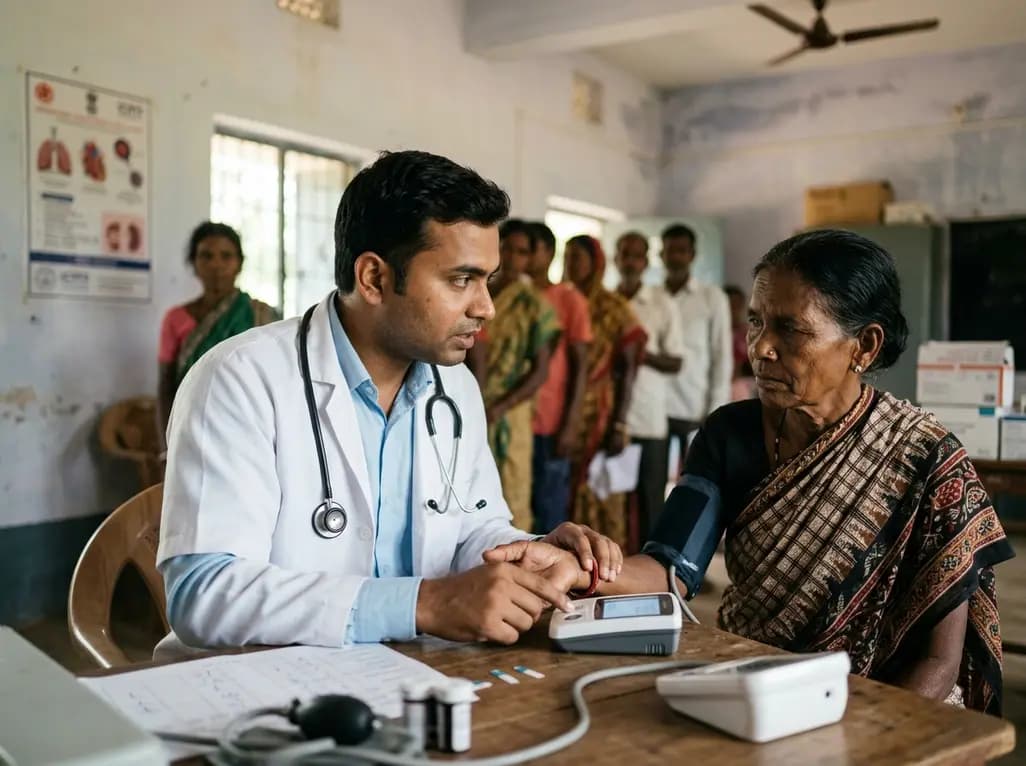
An ICMR study reveals that nearly 25% of tribal adults in Odisha suffer from renal decline. Driven by untreated hypertension, diabetes, and lifestyle risks, this hidden burden highlights the critical need for point-of-care diagnostics, proactive screening, and targeted non-communicable disease interventions.
Today

A study in Ultrasound in Obstetrics & Gynecology shows that quantitative vascularization of the anterior fornix/cervix with transvaginal ultrasound reliably identifies placenta accreta spectrum and predicts severe intraoperative hemorrhage, offering vital objective risk stratification.
Today
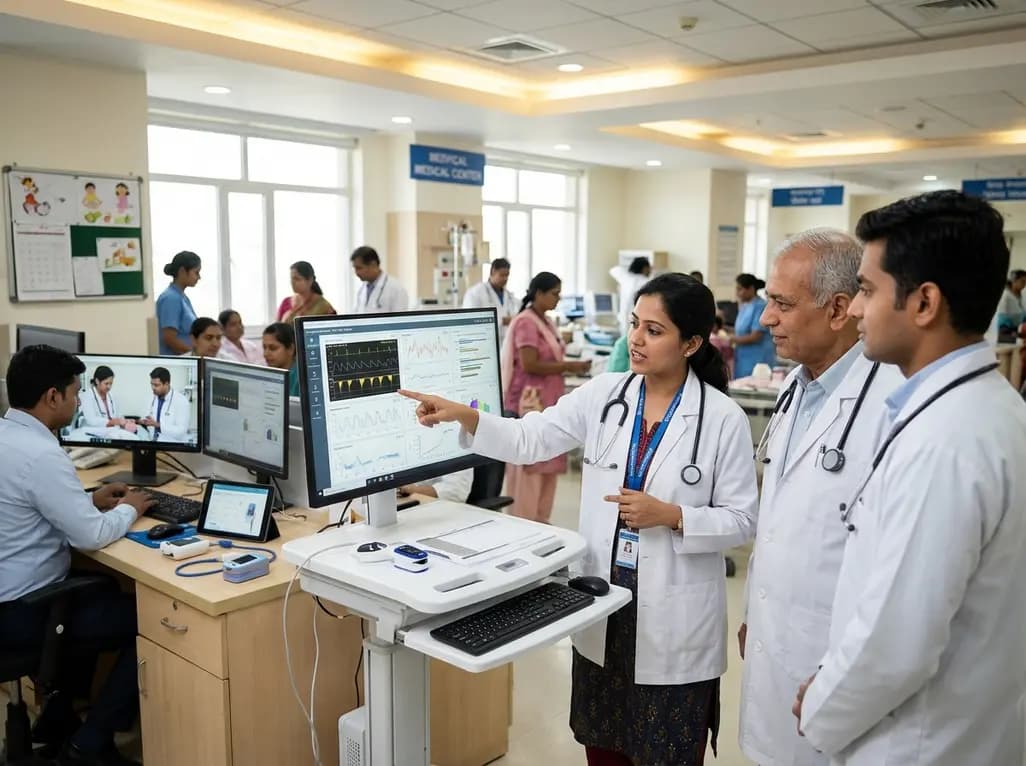
A landmark study details how an enterprise pediatric remote patient management model expanded from a single cardiology pilot to 16 diverse specialty programs by combining centralized digital operations with specialty clinical leadership.
Yesterday
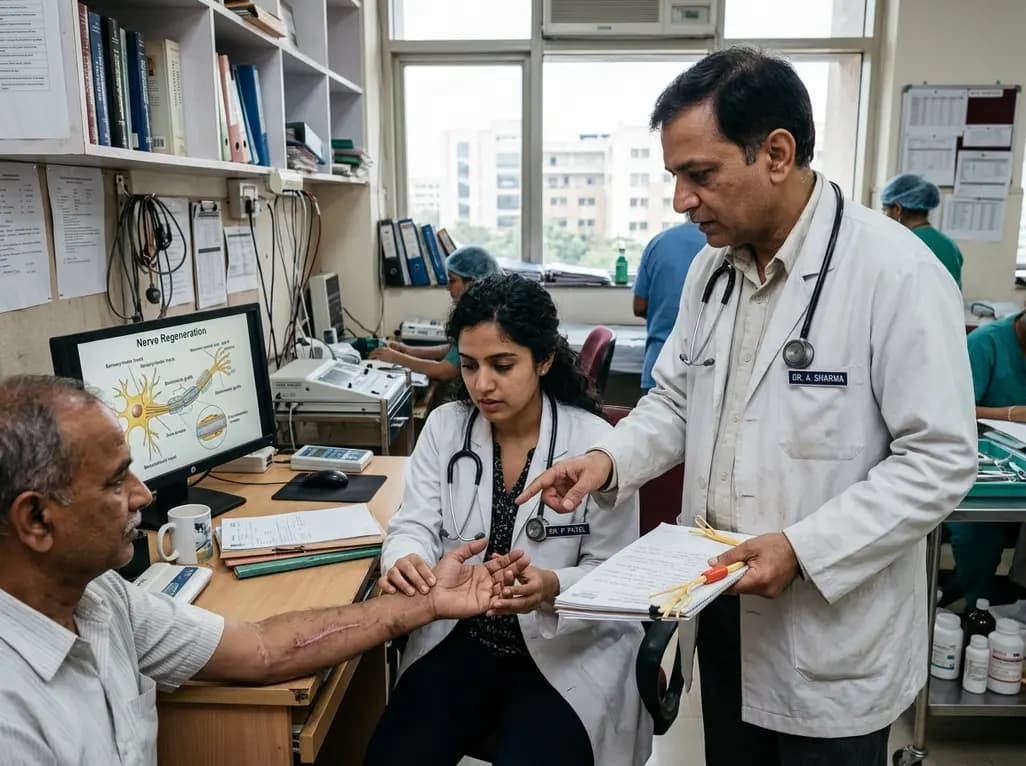
Peripheral nerve injuries present clinical challenges due to regenerative mismatches between sensory and motor neurons. This review explores cutting-edge tissue-engineered nerve grafts designed as central-peripheral signal relays to overcome denervation atrophy and restore functional motor-sensory recovery.
Today
Protein O-GlcNAcylation couples cellular nutrient status to vital neuronal functions. This review explores how disrupted O-GlcNAc cycling drives both neurodevelopmental delays and neurodegenerative cascades, positioning metabolic post-translational modifications as therapeutic targets in clinical neurology.
Today
