

Loading, please wait...
Loading, please wait...
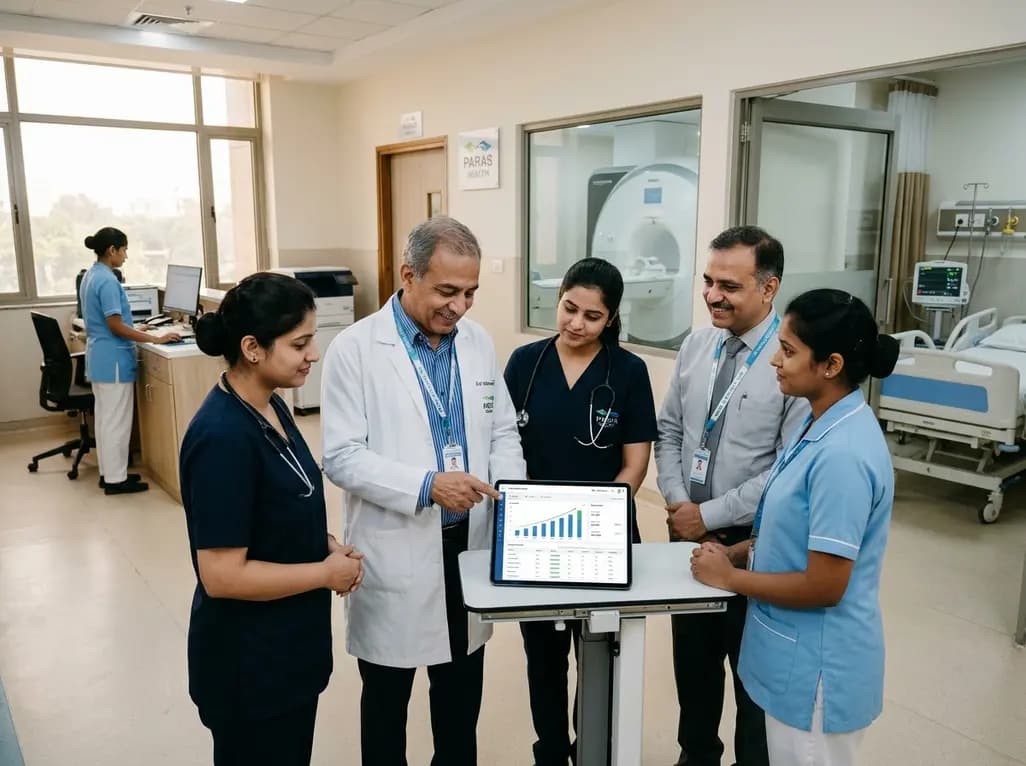
The recent report on Paras Health Q2 performance illustrates rapid operational progress across Indian tertiary healthcare systems. Paras Healthcare achieved a 22.8 percent year-on-year increase in revenue from operations, totaling ₹510.9 crore for the quarter ending September 2026. Furthermore, operating earnings expanded significantly during this clinical reporting cycle. The healthcare system also demonstrated substantial margin enhancement across regional tertiary hubs. Consequently, this remarkable economic milestone underscores growing demand for specialized medical services in underserved regions.
The hospital network registered solid financial results during the second quarter of the fiscal year. Specifically, earnings before interest, taxes, depreciation, and amortization rose by 42.5 percent year-on-year to reach ₹126.6 crore. In addition, net profit after tax surged 3.3 times to ₹40.4 crore compared to ₹12.4 crore in the preceding year. This sharp earnings growth raised the net profit margin to 7.8 percent from 2.7 percent.
Moreover, aggregate figures for the first half of the financial year reflected sustained operational health. Group revenues reached ₹981.2 crore during this six-month period, marking a 25.1 percent expansion over the previous fiscal cycle. Meanwhile, half-year net profit jumped 7.9 times to ₹90.0 crore. Clinicians and healthcare administrators observe that strong operational cash flows provide stability to tertiary institutions. Consequently, hospital systems can consistently invest in advanced medical devices and diagnostic machinery. These financial achievements indicate robust patient volumes and steady demand across diversified regional clinical facilities. Furthermore, disciplined fiscal management shields expanding institutions from volatile operational overheads.
Historically, tertiary medical facilities concentrated within major metropolitan clusters like Delhi, Mumbai, and Bengaluru. However, modern healthcare providers increasingly target secondary and tertiary urban centers. Paras Healthcare strategically positioned its newer hospital units in Srinagar and Kanpur to address regional clinical deficits. During the second quarter, these two nascent institutions more than doubled their combined revenue to ₹84.4 crore.
Furthermore, both hospitals achieved a healthy operating margin of 18.7 percent during this operating cycle. The rapid ramp-up in these locations demonstrates immense patient demand for specialized medical care outside top metropolitan areas. Local communities previously traveled great distances to receive advanced surgical or oncological treatment. Now, residents access sophisticated critical care and superspecialty therapies locally within their home territories. Therefore, establishing multispecialty infrastructure in tier-two cities bridges substantial medical accessibility divides across Northern India. In addition, regional hospitals attract talented clinicians back to their native states, creating balanced healthcare ecosystems and enhancing long-term clinical talent retention. Consequently, decentralized healthcare delivery models alleviate patient congestion within overcrowded metropolitan health centers.
Operating metrics across healthcare networks provide transparent insights into hospital utilization and clinical productivity. In the first half of the fiscal year, overall bed occupancy rose to 73.0 percent compared to 59.0 percent previously. Furthermore, average revenue per occupied bed stabilized at ₹48,900. Higher bed turnover rates and elevated occupancy levels reflect improved clinical workflow protocols and trust among patients.
Additionally, multidisciplinary care pathways reduce unnecessary patient delays during inpatient hospitalizations. When medical teams streamline discharge routines, operational bed availability increases naturally without compromising clinical safety standards. Moreover, higher operational capacity allows clinicians to manage acute emergencies and elective surgeries with greater efficiency. Modern tertiary care centers also rely heavily on specialized intensive care units to manage critically ill patients. By integrating sophisticated monitoring units, the hospital network optimizes clinical productivity while maintaining stringent patient safety standards. Thus, measurable improvements in bed management reflect effective clinical oversight and robust institutional operational discipline. Consequently, comprehensive care coordination ensures superior patient recovery times alongside dependable institutional efficiency.
Sound balance sheet management remains essential for sustainable clinical excellence in large-scale healthcare networks. Notably, the organization raised ₹500 crore through fresh equity issuance during its successful initial public offering. Management quickly deployed ₹375 crore of these proceeds to repay outstanding debts across its corporate structure. Consequently, reducing institutional borrowings significantly decreased finance charges and fortified the broader organizational balance sheet.
Furthermore, lower debt service burdens liberate substantial capital for proactive clinical modernization. Medical institutions require continuous funding to replace legacy imaging systems, update pathology labs, and adopt robotic surgical devices. By deleveraging liabilities, hospital operators allocate surplus revenue directly toward patient amenities and innovative diagnostic equipment. In addition, financially stable hospital networks negotiate favorable pricing agreements with medical equipment manufacturers and pharmaceutical distributors. This procurement efficiency directly lowers operational overheads across tertiary care units. Therefore, institutional deleveraging directly supports sustained clinical expansion while providing reliable liquidity for unforeseen emergency medical demands. Ultimately, financial resilience empowers hospital leadership to implement progressive clinical care initiatives with confidence.
The Paras Health Q2 performance highlights a defined commitment to strengthening complex tertiary disciplines. Specifically, the organization continues to prioritize its CONGOR medical specialties, which encompass cardiac sciences, oncology, neurosciences, gastroenterology, orthopedics, and renal care. These specialized domains deliver crucial treatments for complex chronic conditions across Northern India.
Moreover, hospital leadership plans to expand clinical specialty programs through structured technology investments. Cancer treatment requires modern linear accelerators for precision radiation therapy, while cardiology depends on advanced catheterization laboratories. By equipping regional centers with advanced medical technologies, hospital teams perform minimally invasive interventions locally. Furthermore, patients benefit from lower complication risks and shortened rehabilitation periods following complex surgical procedures. Multispecialty hospital platforms also foster collaborative tumor boards and multidisciplinary clinical review teams. This collaborative diagnostic approach ensures standardized evidence-based therapy protocols for all admitted patients. Consequently, prioritizing advanced super-specialties elevates local patient outcomes while setting progressive clinical standards across regional healthcare institutions. Accordingly, integrated specialty programs enhance overall therapeutic success and patient satisfaction across the network.
Q1: What were the key financial results reported by Paras Healthcare in Q2 FY27?
Paras Healthcare reported revenue from operations of ₹510.9 crore in Q2 FY27, representing a 22.8 percent year-on-year increase. Furthermore, operating EBITDA expanded by 42.5 percent to ₹126.6 crore. Meanwhile, profit after tax jumped 3.3 times to ₹40.4 crore, improving the net profit margin to 7.8 percent from 2.7 percent.
Q2: How did the new hospital facilities in Srinagar and Kanpur perform during this period?
The newer hospital units in Srinagar and Kanpur demonstrated rapid financial and clinical ramp-ups during the second quarter. Specifically, these facilities more than doubled their combined revenue year-on-year to ₹84.4 crore. In addition, the two regional tertiary hospitals achieved a solid operating EBITDA margin of 18.7 percent, turning strongly positive.
Q3: How were the initial public offering proceeds utilized to strengthen hospital balance sheets?
Management utilized ₹375 crore from the ₹500 crore raised in fresh IPO proceeds to prepay and repay existing institutional borrowings. Consequently, this strategic debt deleveraging substantially strengthened the balance sheet. Lower interest expenses allow the organization to reinvest surplus operational capital directly into advanced clinical technologies and specialty medical programs.
Disclaimer: This content is for informational and educational purposes only. It does not constitute medical advice or replace professional judgment. Refer to the latest local and national guidelines for clinical practice.
References

Read summarized clinical updates, watch expert medical content, and earn CME certifications right from your smartphone.
Open your smartphone camera to scan and install.





A robust surge in operational metrics highlights the rapid expansion of tertiary healthcare infrastructure across northern India, underpinned by new hospital ramp-ups in tier-2 cities, disciplined debt reduction, and a deliberate clinical focus on advanced cardiac, oncology, neuro, and renal medical sciences.
Today
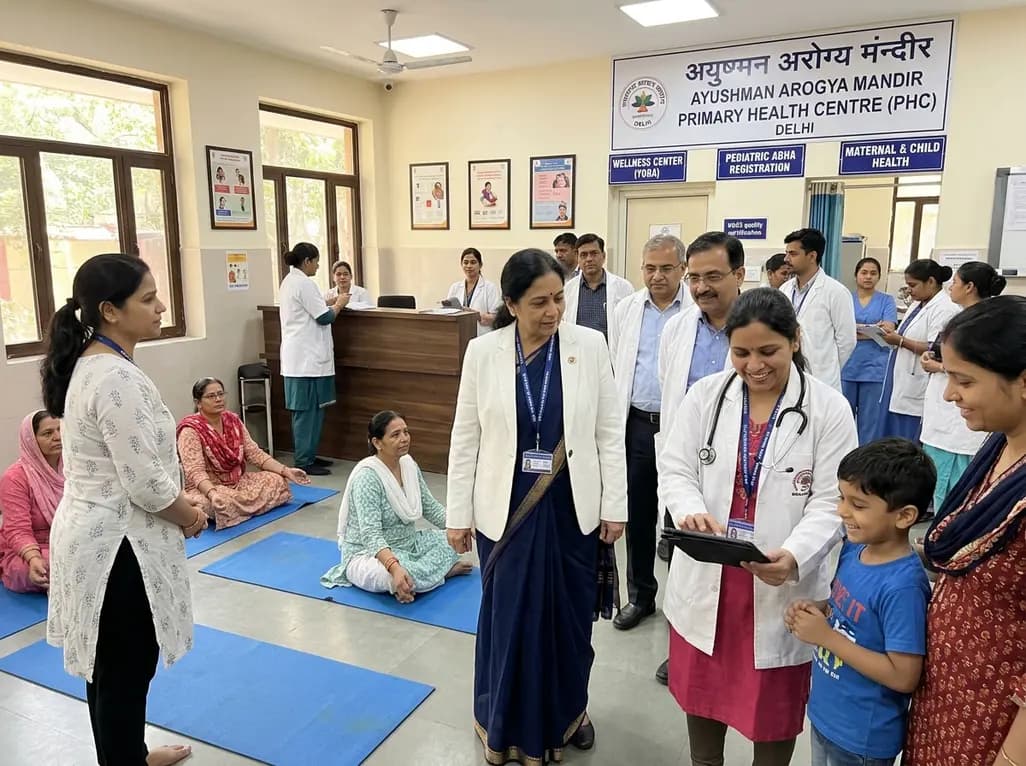
Union Health Secretary Punya Salila Srivastava recently inspected primary healthcare facilities in Delhi, mandating weekly yoga sessions, Baal ABHA digital IDs for pediatric cohorts, and NQAS quality certification for urban centers to strengthen preventive clinical workflows and early chronic disease management.
Today
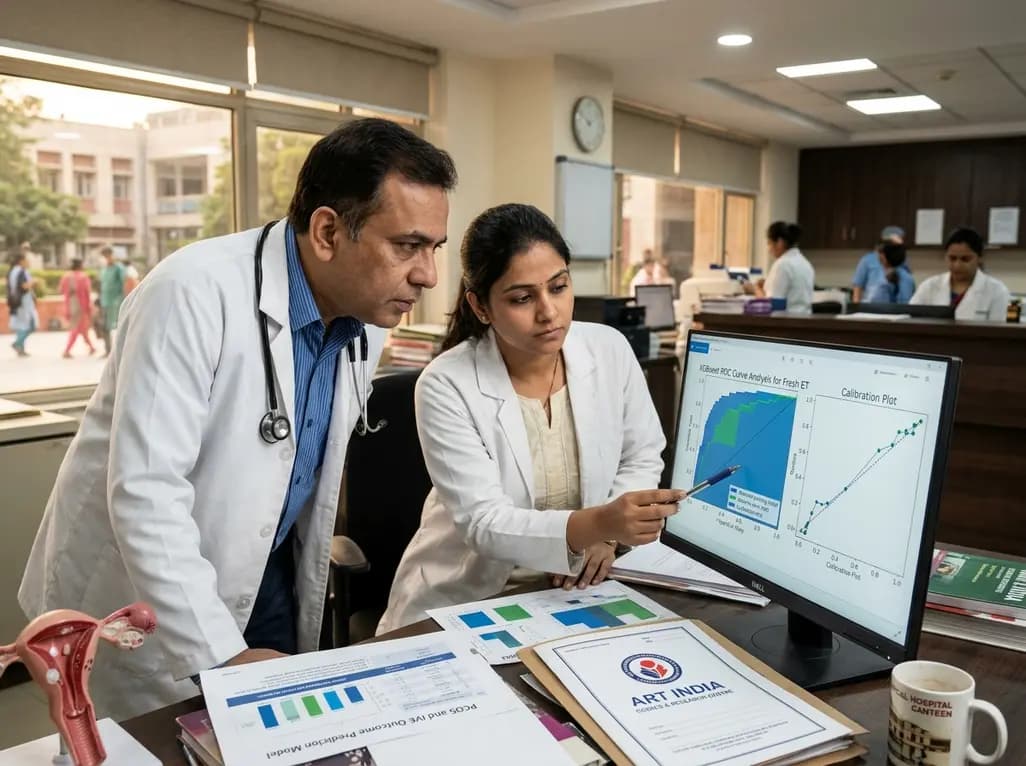
A multicenter study evaluates an XGBoost machine learning model to predict miscarriage risk in PCOS after fresh embryo transfer. While discrimination was strong internally, cross-cohort calibration drift emphasizes its role as a risk-ranking tool rather than a standalone diagnostic instrument.
Today
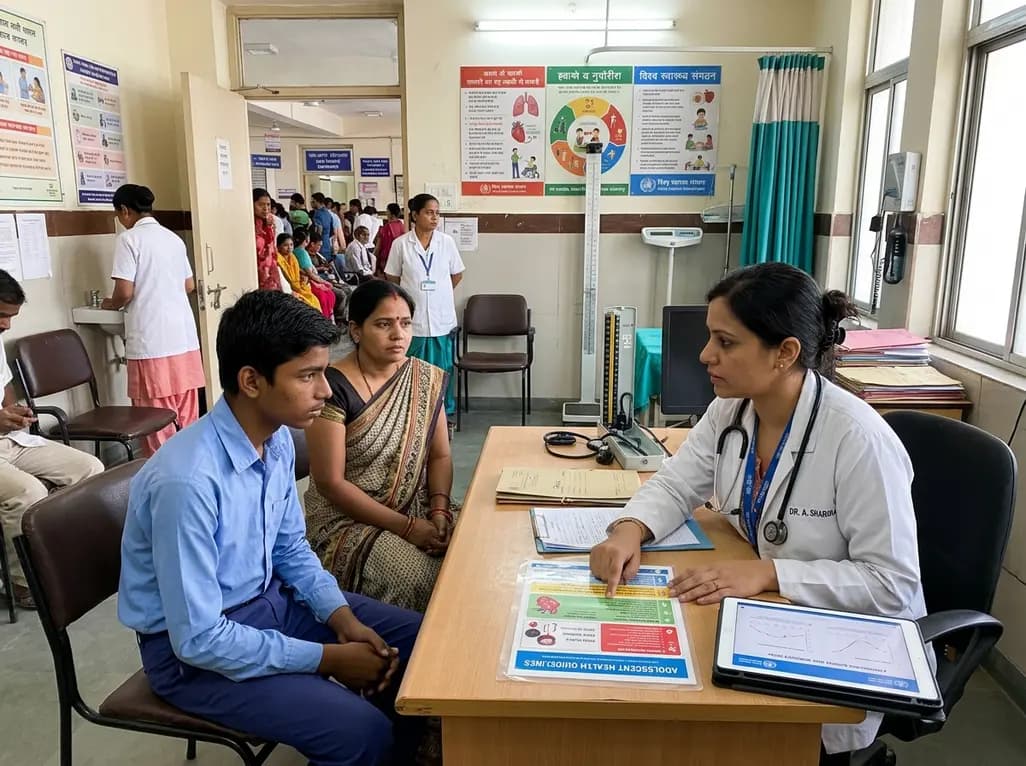
A major World Health Organization study reveals that one in four teenagers globally records zero active days per week. Discover the epidemiological data, cardiometabolic consequences of adolescent sedentary behavior, and practical guidance for clinicians to promote healthy lifestyle habits among youth.
Today
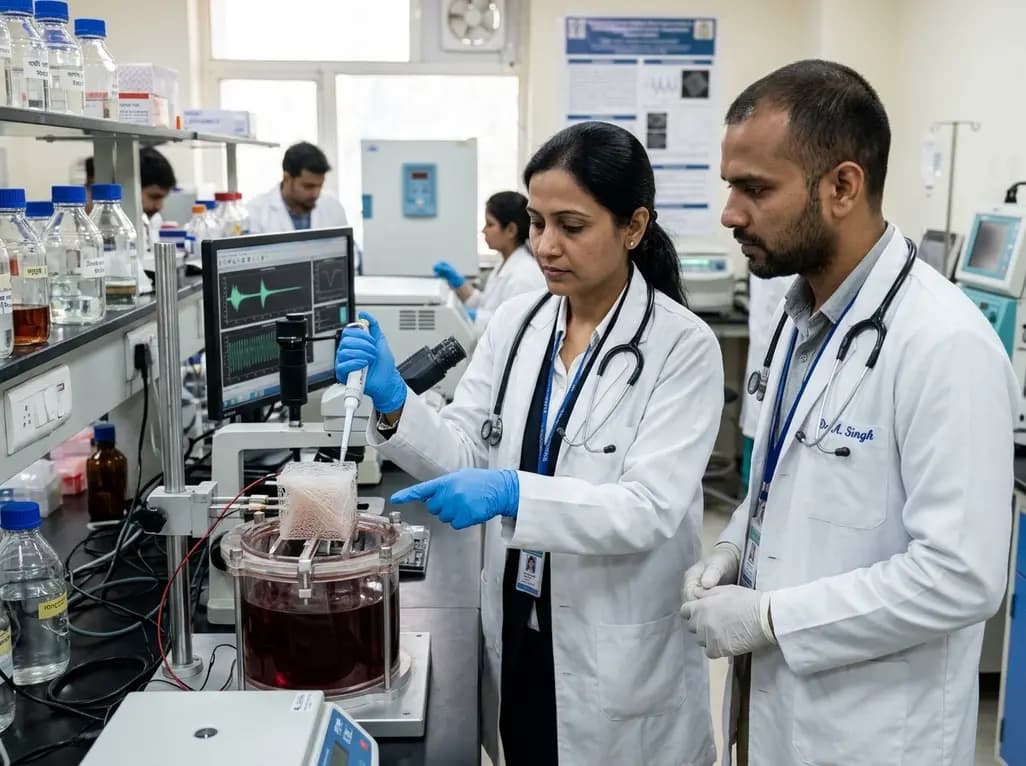
Engineered 3D piezoelectric PHBV scaffolds generate electrical charges during mechanical strain, mimicking native muscle electromechanics to promote cellular alignment, myogenic differentiation, and functional tissue repair in severe volumetric muscle loss.
Today
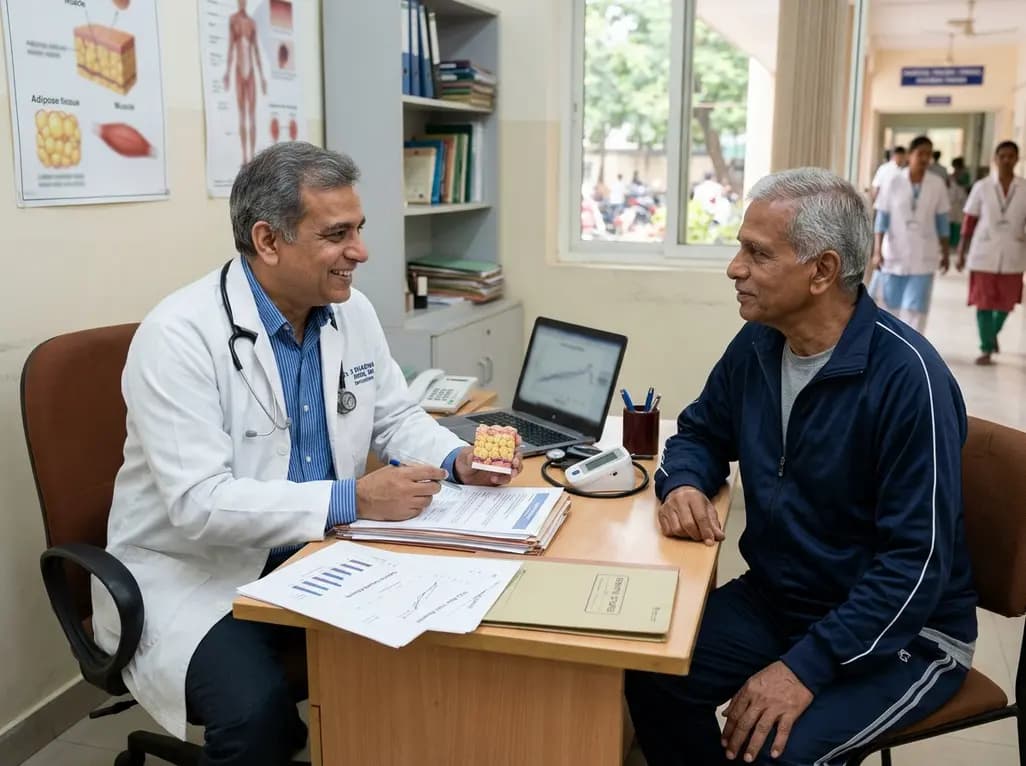
A study in aged rats reveals that caloric restriction broadly upregulates adipose macrophage genes, whereas concurrent endurance training buffers this response. Despite these tissue-level transcriptional changes, systemic glycemic and lipid markers remain unchanged, highlighting the complexity of geriatric metabolism.
Today
