

Loading, please wait...
Loading, please wait...
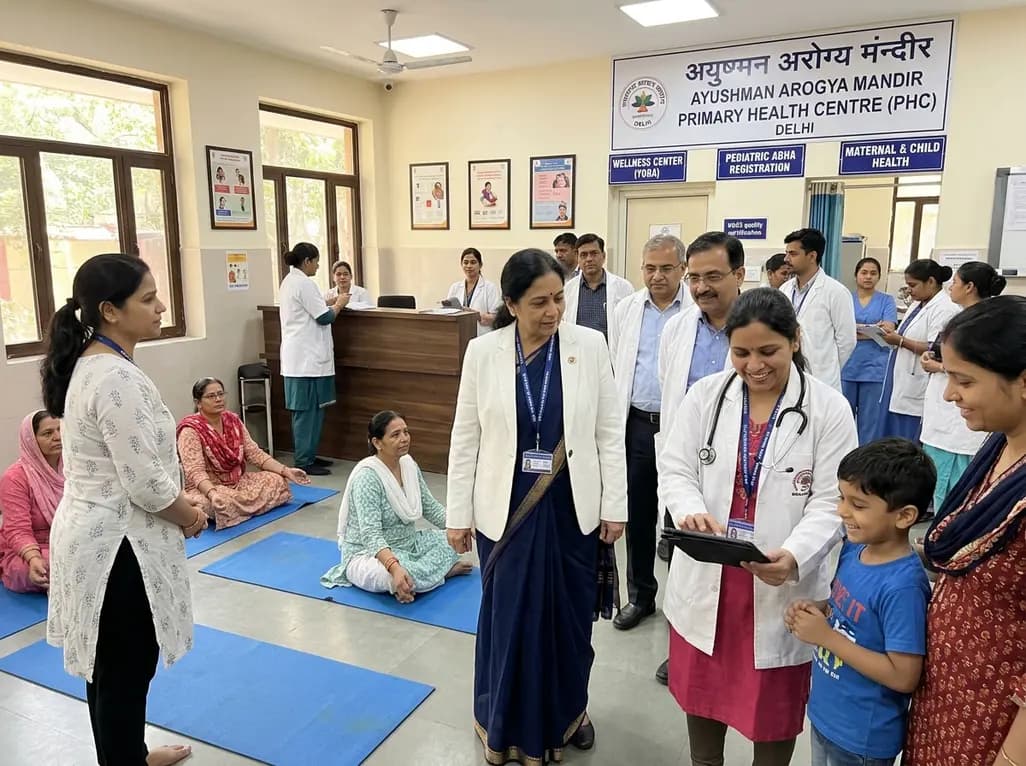
During a high-level field review, Union Health Secretary Punya Salila Srivastava evaluated primary healthcare centers in Delhi to assess service delivery. This comprehensive assessment targeted urban healthcare facilities to examine how clinical teams provide preventive and curative interventions. Ayushman Arogya Mandirs serve as the foundation of India's universal health coverage model, bringing essential medical services directly to local communities. Consequently, health authorities are expanding institutional capacity to ensure consistent clinical care for all residents. Therefore, this strategic review highlights a transition toward structured preventive medicine across Delhi.
The administrative review examined the Urban Primary Health Centre at Babar Road and the facility at Vyapar Bhawan. Additionally, the Health Secretary inspected the Urban Sub Health Centre located at Golf Links. During these visits, leadership evaluated how frontline teams conduct clinical consultations, dispense essential drugs, and provide ambulatory care. Furthermore, officials assessed operational coordination between the Delhi State Health Mission and the Union Health Ministry. Because rapid urbanization strains municipal infrastructure, robust primary healthcare centers protect secondary and tertiary referral hospitals from unnecessary congestion. Therefore, strengthening facility operations at the neighborhood level ensures prompt medical interventions for vulnerable urban populations. Moreover, administrative leadership praised healthcare staff for maintaining dependable clinic hours and welcoming patient-friendly environments. Healthcare providers must engage urban communities through structured outreach to identify social determinants of health early. Consequently, enhanced administrative oversight ensures that urban centers maintain seamless supply chains for medications and clinical consumables. Through continuous institutional backing, these clinics improve health equity across densely populated metropolitan areas. Additionally, local clinicians must maintain active collaboration with neighborhood resident welfare associations to build long-term trust and sustained clinical engagement. Furthermore, sustained institutional coordination guarantees that primary centers maintain adequate clinical staffing to handle growing daily outpatient volumes efficiently.
Lifestyle diseases now contribute significantly to the burden of morbidity across urban India. Therefore, the Health Secretary directed every primary facility to organize dedicated yoga and wellness sessions on a fixed day each week. These weekly gatherings encourage community members to adopt active physical routines and learn sound dietary practices. Furthermore, regular physical exercise reduces systemic inflammation, enhances insulin sensitivity, and optimizes cardiovascular function. As a result, structured wellness classes provide an accessible non-pharmacological avenue for chronic disease prevention. Primary healthcare providers at these centers also offer personalized guidance on smoking cessation and balanced nutrition. In addition, routine community wellness sessions foster social cohesion among elderly residents and vulnerable groups. Clinicians can effectively utilize these weekly wellness gatherings to conduct brief behavioral counseling sessions. Consequently, patients learn practical strategies to reduce dietary sodium, avoid refined carbohydrates, and manage mental distress. By actively embedding yoga into regular clinic operations, primary centers shift their focus from episodic disease treatment to continuous health promotion. Thus, regular physical activity interventions support long-term metabolic health and improve overall community resilience. Moreover, integrating trained instructors ensures that participants perform physical movements safely, avoiding musculoskeletal injuries while achieving maximum cardiovascular benefit. Additionally, community health workers actively motivate sedentary individuals to participate, transforming these physical gatherings into vibrant neighborhood wellness hubs.
Early detection of non-communicable conditions remains essential to prevent irreversible end-organ damage. During the review, the Health Secretary commended the consistent availability of 12 essential laboratory diagnostic tests at primary centers. These fundamental investigations include rapid blood glucose measurements, urinalysis, hemoglobin estimation, and basic infectious disease serology. Furthermore, primary healthcare personnel actively screen adult visitors for hypertension and type 2 diabetes during initial clinical triaging. Therefore, clinicians identify asymptomatic hypertensive and diabetic individuals before severe microvascular or macrovascular complications arise. Additionally, offering on-site point-of-care diagnostics eliminates financial hurdles and travel burdens for underprivileged households. Patients no longer need to spend extensive travel hours visiting crowded secondary or tertiary hospitals for basic diagnostic blood draws. Consequently, timely local diagnostic testing accelerates therapeutic decisions and enhances medication adherence. Follow-up monitoring protocols allow healthcare workers to track chronic disease stability over prolonged periods. Thus, comprehensive diagnostic services at primary centers strengthen clinical outcomes, optimize resource utilization, and alleviate pressure on tertiary referral facilities. Moreover, routine diagnostic monitoring enables primary physicians to adjust pharmacological regimens promptly, ensuring patients maintain target blood pressure and glycemic parameters consistently over time. Furthermore, digital reporting of point-of-care laboratory findings enables epidemiological surveillance teams to identify emerging disease trends across metropolitan zones rapidly.
Modern healthcare delivery relies heavily on robust digital infrastructure to maintain medical continuity. During the review, the Health Secretary instructed healthcare teams to integrate the generation of Baal Ayushman Bharat Health Account IDs into routine pediatric workflows. These unique digital identifiers create lifetime longitudinal health records for infants and young children. Consequently, pediatric healthcare records remain securely organized and universally accessible across disparate healthcare providers. Furthermore, digital integration supports complete immunization tracking, enabling clinicians to identify missed vaccine doses without delay. Clinicians can also record developmental milestones, nutritional metrics, and childhood illnesses within an interconnected digital framework. Therefore, digital records substantially reduce repetitive medical documentation and minimize diagnostic redundancies during clinical referrals. Additionally, the Ayushman Bharat Digital Mission guarantees patient data security while enabling seamless interoperability between local clinics and specialized hospitals. As a result, pediatric patients experience continuous, coordinated medical care throughout their developmental years. Digital health IDs empower parents and healthcare providers to monitor early health trajectories with remarkable clinical accuracy. Moreover, timely digital registration guarantees that vulnerable children receive essential nutritional supplements and growth assessments during each scheduled primary clinic visit. Consequently, digital health records empower pediatricians to formulate precise individualized interventions based on comprehensive, verified medical documentation.
Ensuring clinical quality across all primary healthcare delivery channels requires strict adherence to institutional standards. Consequently, the Health Secretary mandated National Quality Assurance Standards certification for Urban Sub Health Centres under the National Urban Health Mission. NQAS protocols establish explicit guidelines for infection control, patient safety, biomedical waste handling, and pharmacy storage. Furthermore, these rigorous benchmarks evaluate clinical governance, medical record maintenance, and patient feedback mechanisms. Therefore, initiating formal NQAS assessments drives continuous structural improvement across public healthcare facilities. Adherence to these standardized protocols protects patients from healthcare-acquired infections and medication dispensation errors. Moreover, regular facility audits motivate clinic teams to maintain clean consultation spaces and functional diagnostic apparatus. Quality certification also enhances patient satisfaction by promoting dignified, compassionate, and transparent clinical interactions. In addition, standardizing urban sub-centers creates operational parity between rural and metropolitan primary facilities across India. Thus, institutionalizing quality frameworks ensures that every citizen receives dependable, safe, and evidence-based primary medical care. Additionally, continuous clinical quality audits cultivate administrative accountability among local medical teams, ensuring that clinical performance indicators steadily advance year after year. Furthermore, achieving national accreditation reinforces public faith in government healthcare institutions, driving greater community utilization of local health dispensaries.
Q1: Why are weekly yoga sessions being organized at Ayushman Arogya Mandirs?
Weekly yoga and wellness sessions aim to foster active community participation and encourage sustained physical activity among urban populations. In addition, these guided sessions promote balanced dietary practices, mental relaxation, and stress mitigation. By incorporating non-pharmacological wellness interventions into primary healthcare facilities, authorities prevent major non-communicable diseases like hypertension and diabetes. Consequently, regular physical activity sessions significantly lower long-term cardiovascular complications across metropolitan communities.
Q2: How do on-site laboratory diagnostic tests benefit primary healthcare delivery?
The availability of 12 essential laboratory tests enables primary clinicians to perform immediate point-of-care screening and rapid diagnostic evaluations. Consequently, healthcare staff can detect chronic illnesses, such as diabetes and anemia, in their earliest phases. Furthermore, this comprehensive diagnostic capability prevents unnecessary patient visits to crowded secondary and tertiary hospitals. Therefore, on-site diagnostics minimize out-of-pocket medical expenditures and guarantee timely initiation of evidence-based pharmacological treatments.
Q3: What clinical advantages does the creation of Baal ABHA IDs offer for children?
Generating Baal ABHA IDs establishes an interconnected digital health identity that tracks a child's medical history from birth. Therefore, primary care providers can seamlessly monitor routine childhood immunizations, developmental milestones, and nutritional status over time. Additionally, this longitudinal record ensures uninterrupted continuity of care across disparate healthcare institutions. As a result, digital health accounts prevent duplicate clinical investigations and enhance overall pediatric diagnostic accuracy during emergencies.
Disclaimer: This content is for informational and educational purposes only. It does not constitute medical advice or replace professional judgment. Refer to the latest local and national guidelines for clinical practice.
References

Read summarized clinical updates, watch expert medical content, and earn CME certifications right from your smartphone.
Open your smartphone camera to scan and install.





Union Health Secretary Punya Salila Srivastava recently inspected primary healthcare facilities in Delhi, mandating weekly yoga sessions, Baal ABHA digital IDs for pediatric cohorts, and NQAS quality certification for urban centers to strengthen preventive clinical workflows and early chronic disease management.
Today
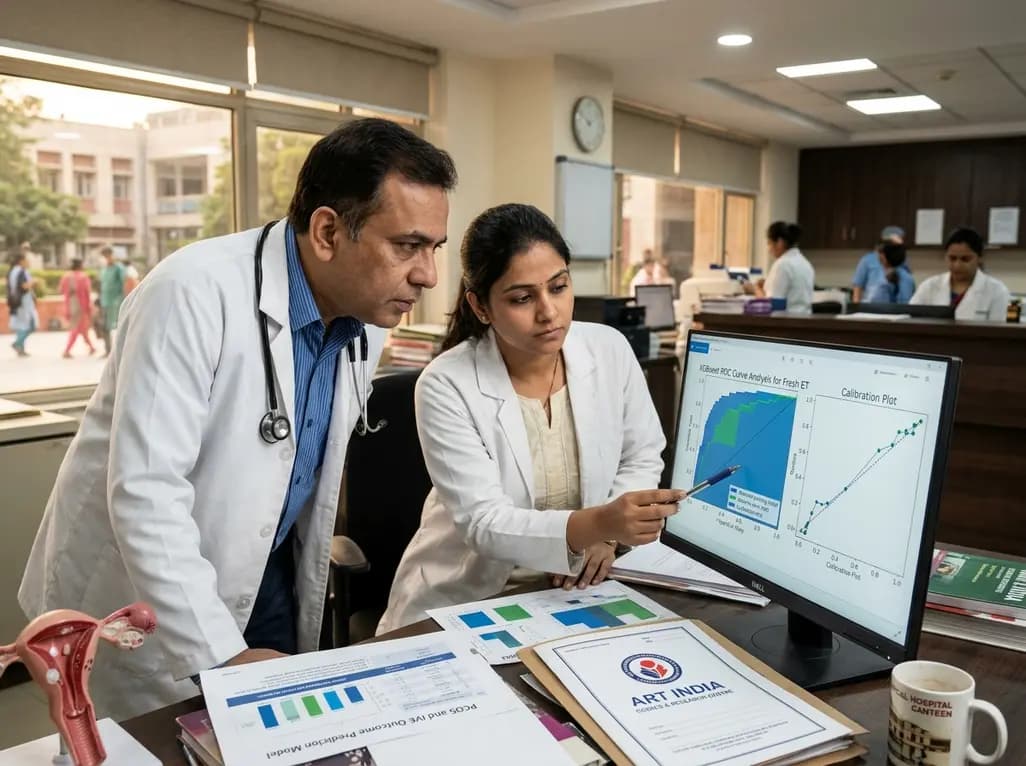
A multicenter study evaluates an XGBoost machine learning model to predict miscarriage risk in PCOS after fresh embryo transfer. While discrimination was strong internally, cross-cohort calibration drift emphasizes its role as a risk-ranking tool rather than a standalone diagnostic instrument.
Today
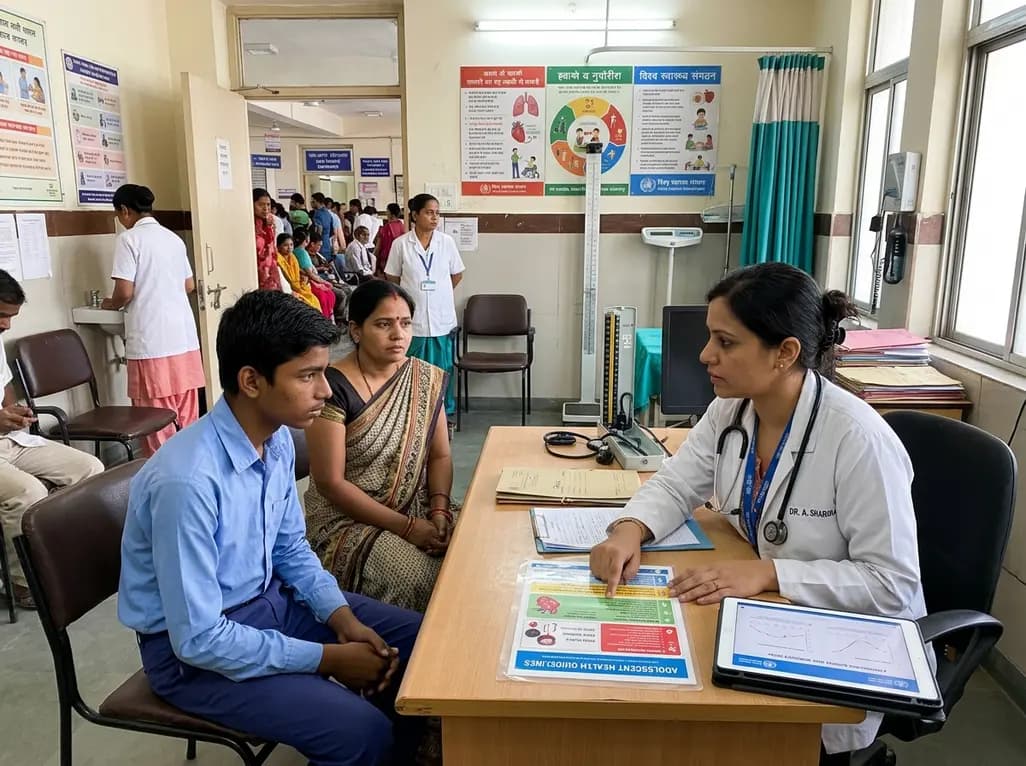
A major World Health Organization study reveals that one in four teenagers globally records zero active days per week. Discover the epidemiological data, cardiometabolic consequences of adolescent sedentary behavior, and practical guidance for clinicians to promote healthy lifestyle habits among youth.
Today
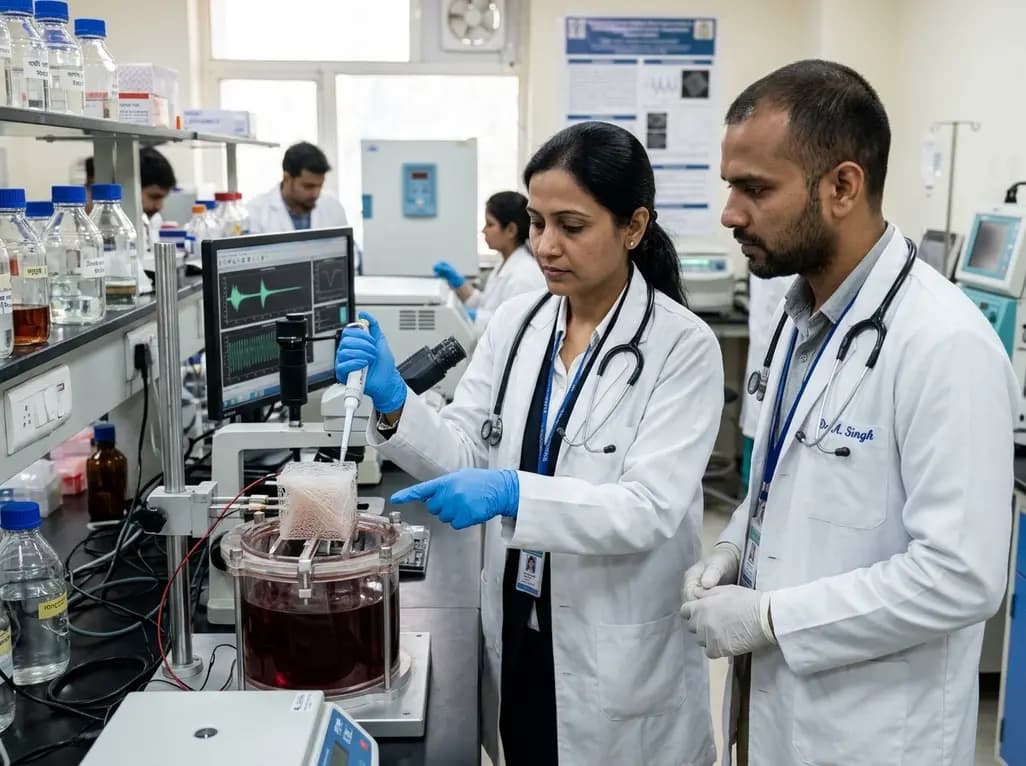
Engineered 3D piezoelectric PHBV scaffolds generate electrical charges during mechanical strain, mimicking native muscle electromechanics to promote cellular alignment, myogenic differentiation, and functional tissue repair in severe volumetric muscle loss.
Today
A study in aged rats reveals that caloric restriction broadly upregulates adipose macrophage genes, whereas concurrent endurance training buffers this response. Despite these tissue-level transcriptional changes, systemic glycemic and lipid markers remain unchanged, highlighting the complexity of geriatric metabolism.
Today
