.webp&w=384&q=75)

Loading, please wait...
Loading, please wait...
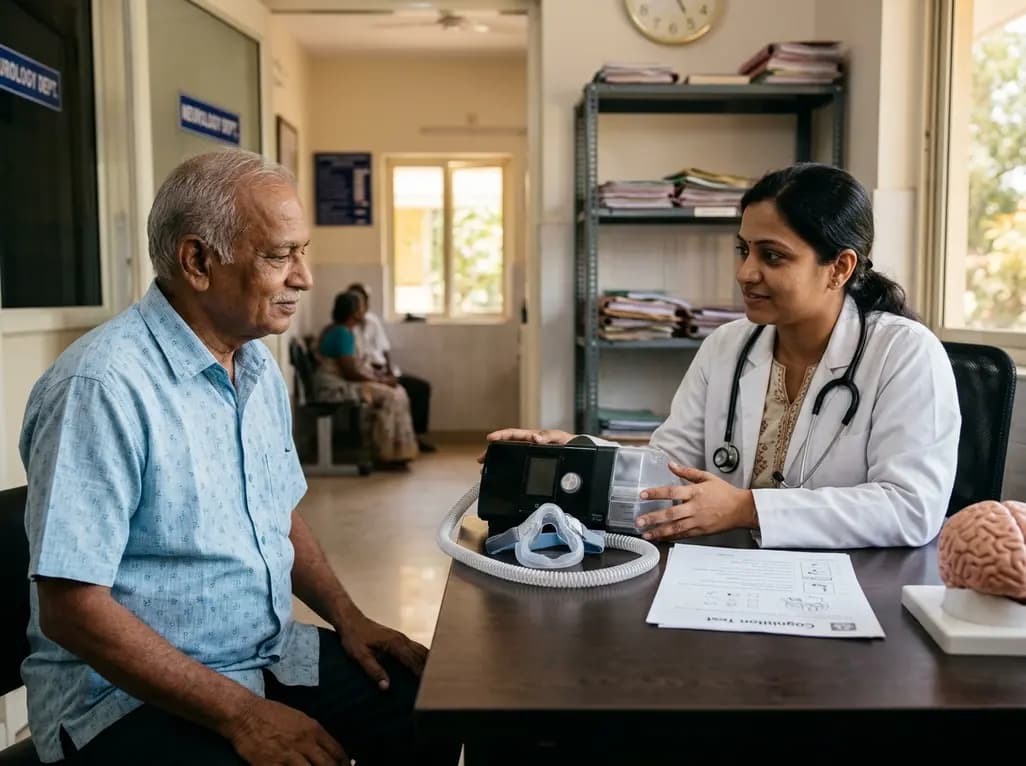
Cognitive decline and sleep disruption represent two of the most burdensome non-motor manifestations of Parkinson's disease. While neurodegenerative pathology progressively impairs dopaminergic pathways, coexisting sleep-disordered breathing accelerates neural compromise. Recent clinical evidence demonstrates that targeted interventions, particularly PAP therapy in Parkinson's, provide substantial benefits for global cognitive function and motor stability. Clinicians increasingly recognize obstructive sleep apnea as a reversible contributor to cognitive impairment in this neurodegenerative population. Addressing sleep-disordered breathing offers a promising therapeutic pathway to preserve neurological function and optimize patient quality of life.
Obstructive sleep apnea occurs frequently in individuals diagnosed with Parkinson's disease, yet clinicians often underdiagnose it. Upper airway collapse during sleep produces recurrent episodes of intermittent hypoxemia and hypercapnia. Consequently, these respiratory disturbances induce severe sleep fragmentation and frequent micro-arousals. In neurodegenerative conditions, chronic hypoxia triggers neuroinflammation, oxidative stress, and blood-brain barrier dysfunction. Furthermore, disrupted slow-wave sleep impairs the glymphatic system, which normally clears neurotoxic proteins during the night. Therefore, unmanaged sleep apnea exacerbates underlying dopaminergic and cortical degeneration. Patients frequently experience accelerated declines in attention, executive functioning, and processing speed. In addition, nocturnal oxygen desaturation destabilizes autonomic regulation and worsens daytime motor symptoms. Many symptoms of sleep apnea, such as daytime fatigue and cognitive slowing, mimic Parkinson's progression. As a result, clinicians may mistakenly attribute treatable sleep architecture deterioration entirely to disease advancement. Identifying and treating airway obstruction offers an opportunity to alleviate secondary neurological insults. By mitigating hypoxemia, positive airway pressure therapy restores cerebral oxygen delivery and supports neuroplasticity. Addressing this comorbid condition provides a dual advantage by improving overall brain vitality and daytime functioning.
The Cognition and Obstructive Sleep Apnea in Parkinson's Disease, Effect of Positive Airway Pressure Therapy trial evaluated therapeutic airway stenting. Researchers designed this randomized controlled trial to assess whether positive airway pressure could arrest or reverse cognitive decline. The investigators enrolled ninety-four participants with verified Parkinson's disease, concomitant obstructive sleep apnea, and baseline Montreal Cognitive Assessment scores of twenty-seven or lower. The team randomly assigned participants to receive either active positive airway pressure therapy or sham treatment using nasal dilator strips. The intervention spanned six months across specialized movement disorder clinics. The study cohort presented with a mean age of 67.3 years and a baseline Montreal Cognitive Assessment score of 22.7. Women constituted thirty-one percent of the enrolled population, reflecting typical clinical demographics. The primary outcome measured change in global cognitive scores from baseline to six months using intention-to-treat analysis. Furthermore, investigators conducted per-protocol analyses and sensitivity models to adjust for baseline confounding variables. Secondary endpoints evaluated motor performance, depression scores, subjective sleep quality, and comprehensive neurocognitive domains. By maintaining rigorous placebo control over six months, the trial established high-level evidence regarding non-invasive ventilatory support in neurodegeneration.
The trial demonstrated meaningful improvements across primary and secondary cognitive metrics. In the intention-to-treat analysis, participants in the positive airway pressure group gained an average of 0.60 points on the Montreal Cognitive Assessment. Conversely, participants using placebo nasal strips declined by 0.39 points, producing an unadjusted between-group difference of 1.00 point. When investigators adjusted for baseline confounding variables, the treated group achieved a statistically significant cognitive gain of 1.44 points over controls. Similarly, the per-protocol analysis revealed a substantial adjusted between-group difference of 1.43 points favoring compliant device users. In addition to global scores, detailed neuropsychological evaluations demonstrated significant improvements in executive functioning and psychomotor processing tasks. Furthermore, patients who adhered to PAP therapy in Parkinson's achieved measurable improvements in objective motor function during per-protocol evaluations. Restoring nocturnal oxygenation appears to enhance motor circuit efficiency and reduce daytime physical fatigue. Consequently, stabilized cerebral perfusion supports both dopamine-dependent pathways and higher cortical processing networks. These findings emphasize that treating sleep apnea does not merely improve nocturnal breathing, but also generates measurable gains in daytime neurological and functional performance.
Beyond cognitive and motor performance, positive airway pressure therapy produced extensive benefits across multiple non-motor domains. Participants receiving active ventilatory treatment reported significant reductions in overall non-motor symptom burden compared to placebo controls. Specifically, standardized depression scales demonstrated clinically meaningful reductions in depressive symptom severity among treated patients. Mood disturbances frequently complicate neurodegenerative disorders, and chronic hypoxia significantly worsens emotional regulation and neurochemical balance. Furthermore, sleep quality scores improved markedly in the treatment arm, reflecting deeper and more restorative sleep architecture. Patients reported fewer nocturnal awakenings, reduced daytime somnolence, and improved energy levels throughout daily activities. In contrast, control participants experienced persistent sleep fragmentation and progressive non-motor discomfort. In addition, exploratory neurocognitive assessments revealed enhanced psychomotor speed and sharper executive control among compliant users. Because non-motor symptoms heavily influence overall quality of life and caregiver stress, these comprehensive gains carry profound practical significance. Addressing nocturnal airway collapse successfully targets interconnected symptom clusters, transforming overall patient well-being through non-pharmacological means.
These landmark findings carry substantial implications for neurology, geriatrics, and pulmonology practice across India. Obstructive sleep apnea remains widely underdiagnosed among elderly Indian patients presenting with neurodegenerative conditions. Clinicians often ascribe progressive cognitive decline or daytime lethargy exclusively to advancing Parkinson's disease. Therefore, routine screening for sleep-disordered breathing must become standard practice in movement disorder clinics. Simple screening tools, such as the STOP-Bang questionnaire and caregiver sleep logs, facilitate early identification. When screening suggests risk, clinicians should arrange home sleep apnea testing or comprehensive polysomnography. Furthermore, multidisciplinary collaboration between neurologists, sleep specialists, and geriatricians optimizes diagnostic accuracy and timely intervention. Implementing positive airway pressure therapy early in cognitive decline can slow neurocognitive deterioration and preserve independent living skills. In addition, avoiding unnecessary pharmacological escalations for secondary daytime sleepiness protects patients from adverse drug interactions. By integrating sleep medicine into routine neurological care, physicians can deliver comprehensive neuroprotective management that directly improves long-term patient outcomes.
Achieving consistent device adherence represents a critical challenge in patients with neurodegenerative movement disorders. Motor rigidity, resting tremors, and executive dysfunction can hinder independent mask application and device operation. Consequently, clinicians must implement proactive strategies to ensure long-term treatment compliance. Involving family members and primary caregivers during initial device setup ensures proper fitting and consistent nightly usage. Furthermore, selecting comfortable nasal interfaces or full-face masks with magnetic clips simplifies daily handling for patients with impaired dexterity. Utilizing heated humidification and pressure ramp features prevents nasal dryness, airway irritation, and claustrophobia. In addition, modern telemonitoring platforms enable clinical teams to track usage hours and identify air leaks remotely. Timely interventions to address interface discomfort significantly improve long-term adherence rates. Clinicians should encourage patients to wear the device for at least four hours each night to secure cognitive and motor benefits. Structured education, regular follow-ups, and empathetic support empower patients to overcome early barriers and achieve sustained therapeutic success.
Clinicians should screen for obstructive sleep apnea whenever a patient with Parkinson's disease exhibits cognitive decline, daytime somnolence, heavy snoring, or unexplained fatigue. Because neurodegenerative changes can mask typical sleep apnea symptoms, routine screening with validated questionnaires and confirmatory polysomnography helps identify treatable airway obstruction early in disease progression.
Positive airway pressure mitigates nocturnal intermittent hypoxia and prevents frequent micro-arousals. Consequently, restoring continuous nocturnal oxygenation stabilizes cerebral perfusion and minimizes neuroinflammation. Furthermore, consolidated slow-wave sleep enhances glymphatic clearance of neurotoxic proteins, which preserves neural network connectivity and supports executive function, processing speed, and daytime motor performance in vulnerable patients.
Clinicians can optimize adherence by selecting ergonomic mask interfaces, utilizing heated humidification, and implementing gradual pressure acclimatization. Additionally, involving family caregivers provides essential physical assistance with equipment placement. Routine telemonitoring and early troubleshooting of pressure leaks or claustrophobia also empower patients with motor limitations to maintain consistent, long-term nocturnal device use.
Disclaimer: This content is for informational and educational purposes only and does not constitute medical advice. Refer to the latest local and national guidelines for clinical practice.
References

Read summarized clinical updates, watch expert medical content, and earn CME certifications right from your smartphone.
Open your smartphone camera to scan and install.





A randomized controlled trial demonstrates that treating obstructive sleep apnea with positive airway pressure therapy improves cognitive performance, motor function, mood, and sleep quality in patients with Parkinson's disease.
last month
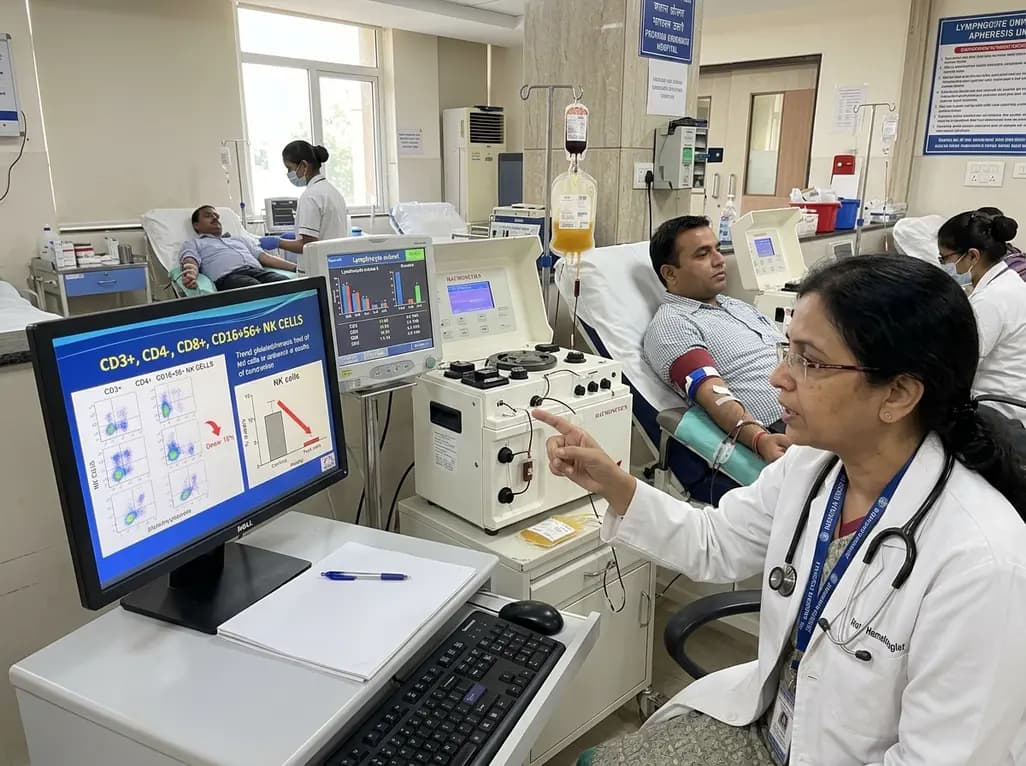
A landmark study assesses how frequent plateletpheresis alters peripheral immune profiles. Regular donors demonstrate notable reductions in circulating natural killer cells, emphasizing the critical need for routine lymphocyte subset surveillance in long-term blood donor safety programs.
Today
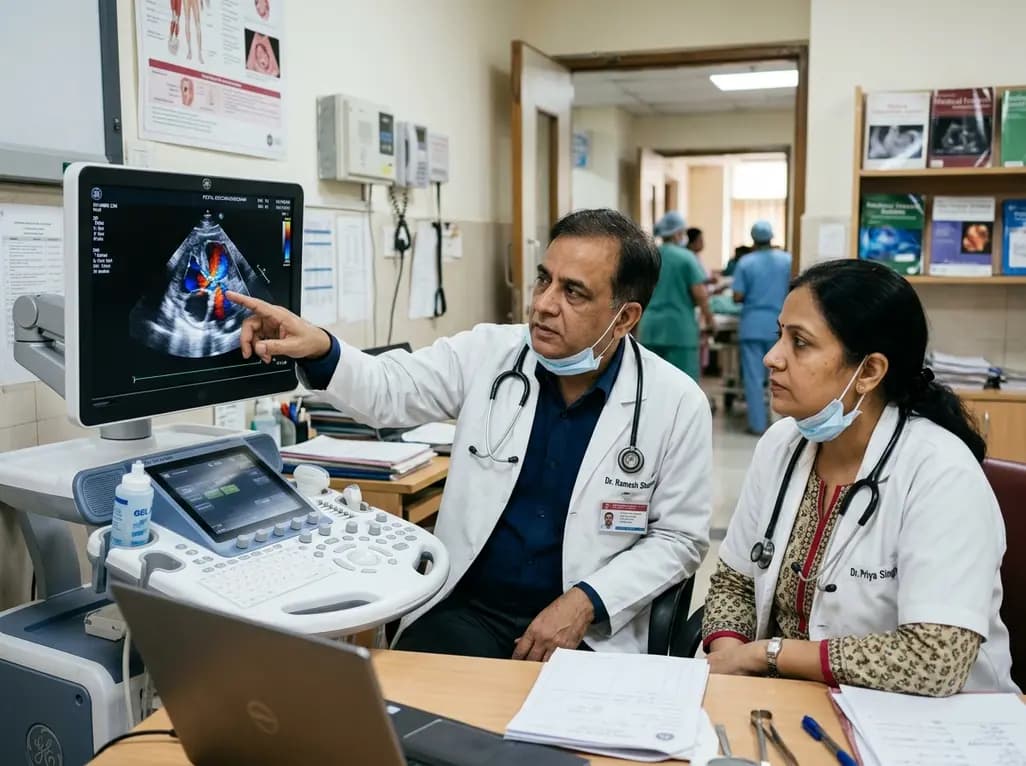
Fetal foramen ovale restriction typically emerges in the third trimester with right heart enlargement. Evidence demonstrates it does not independently mandate cesarean delivery, and over 93% of postnatal cardiac findings resolve spontaneously within one year, supporting conservative obstetric management.
Today

The latest WHO Global Health Estimates highlight India's life expectancy reaching 71 years alongside a healthy lifespan of 60.6 years. While longevity rebounds post-pandemic, non-communicable conditions now account for three-quarters of top mortalities, underscoring urgent clinical shifts in routine primary care.
Today

New biomechanical research reveals that foot-strike angle significantly influences knee energy absorption during cutting tasks in female soccer players. Understanding these kinematic patterns offers clinicians valuable pathways for targeted ACL injury prevention and athletic retraining.
Today

A comprehensive review analyzes periconceptional GLP-1 receptor agonist exposure, revealing reassuring data on congenital anomalies and adverse perinatal outcomes while emphasizing the need for cautious patient counseling.
Today
