.webp&w=384&q=75)

Loading, please wait...
Loading, please wait...
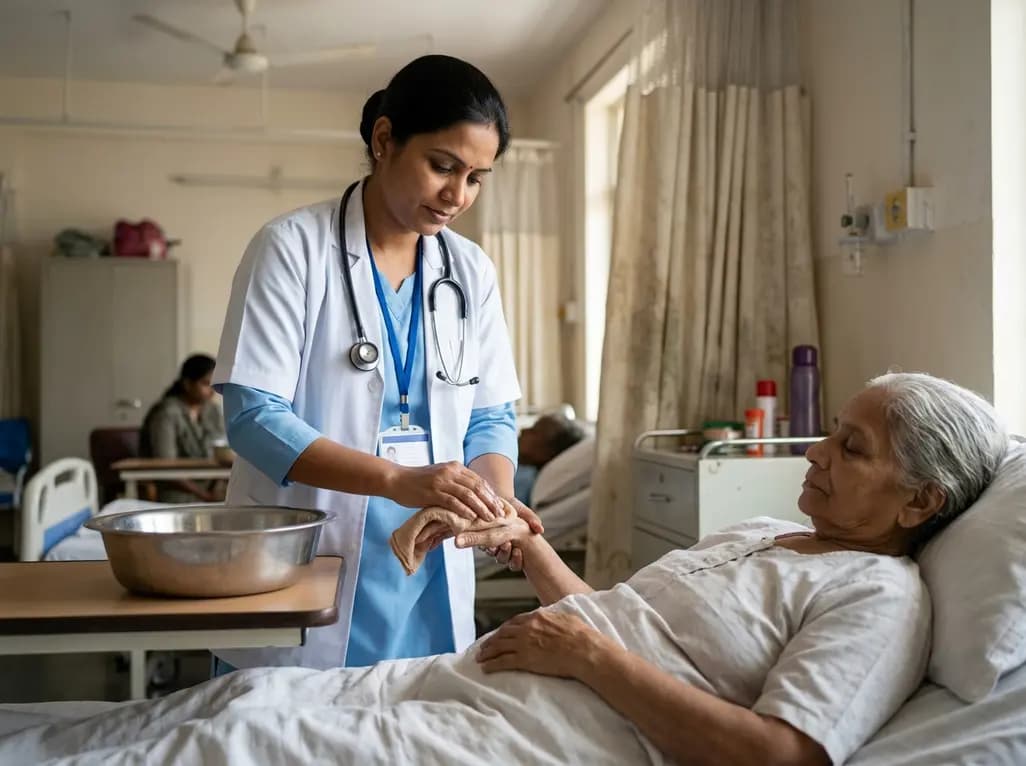
In end-of-life management, routine bed baths and personal grooming often appear as simple functional tasks. However, recent grounded theory research reveals that palliative hygiene care serves as a profound medium for whole-person healing. When patients face terminal illness, bodily decay and dependency can cause intense existential suffering. Through mindful physical contact, palliative nurses transform basic cleansing into a therapeutic anchor. This practice restores dignity, eases emotional vulnerability, and fosters deep human connection during the final stages of life.
The core category that emerged from qualitative analysis is anchoring through touch. Importantly, touch in this context extends far beyond routine physical contact or mechanical task completion. Instead, it embodies a responsive mode of clinical practice where nurses continuously adapt their movements to the patient's subtle physical and emotional cues. Palliative nurses deliberately assess pain thresholds, anxiety levels, feelings of embarrassment, and momentary comfort during every interaction. When a nurse applies warm water or gently adjusts bed positioning, they communicate empathy without words. Consequently, the patient feels recognized as an individual rather than an object of clinical burden. This responsive technique grounds terminal patients who often feel unmoored by progressive physical decline. Furthermore, clinicians create a secure sanctuary where vulnerable individuals can relax their psychological defenses. Therefore, intentional touch transforms fundamental hygiene rituals into powerful instruments of holistic stabilization and comfort.
Entering the terminal phase often forces individuals to surrender their independence and everyday physical routines. Initially, many patients perceive assisted hygiene as a painful reminder of lost autonomy, which frequently elicits profound embarrassment and shame. However, nurses overcome these emotional barriers by providing gentle, respectful, and highly attuned bedside care. When nurses execute cleansing with deliberate tenderness, patients experience a shift from self-conscious distress to genuine bodily pleasantness. This sensory warmth helps patients relax tight muscles and release accumulated psychological tension. Consequently, patients move through a phase of emotional opening and self-acceptance. Furthermore, experiencing bodily comfort reassures patients that their physical vessel still deserves dignity and gentle care. In this manner, skilled clinicians convert a potentially humiliating intervention into an uplifting experience of relief and peace. Thus, responsive nursing directly counters the emotional trauma associated with progressive physical dependency.
During bedside hygiene sessions, soothing sensory stimuli often stimulate profound reflective processes within patients. Specifically, familiar sensations such as warm water, scented soap, and gentle towel drying evoke pleasant memories from earlier life stages. In addition, nurses engage in quiet, trusting dialogue during these intimate moments, encouraging patients to share personal stories and emotional reflections. This therapeutic interaction allows patients to encounter their evolving sense of self across different phases of time. As a result, individuals reinterpret their life journey and rediscover meaningful personal identity despite terminal illness. Moreover, the reciprocal trust built during hygiene care alleviates the profound isolation that often accompanies end-of-life trajectories. Patients experience renewed emotional connectedness with their caregivers, family members, and surroundings. Therefore, routine bathing evolves into a vital bridge between past memories, present comfort, and existential resolution.
Although responsive touch offers profound therapeutic benefits, physical pain can rapidly undermine this delicate healing process. When patients experience breakthrough discomfort or severe somatic pain during hygiene care, their emotional equilibrium shatters quickly. Pain intensifies vulnerability and heightens acute distress, leaving patients susceptible to sudden existential instability. Under intense pain, patients no longer perceive hygiene as comforting; instead, they view the procedure as an intrusive physical ordeal. Consequently, the therapeutic alliance weakens, and feelings of fear and alienation resurface. To prevent this destabilization, healthcare teams must prioritize proactive, individualized pain management before initiating bed baths or position changes. Nurses must remain vigilant, pausing interventions immediately if the patient shows grimacing, vocal distress, or guarding. By optimizing analgesic coverage and adjusting handling techniques, clinicians safeguard patient comfort and preserve the restorative potential of every physical touch.
These qualitative findings emphasize that bedside hygiene is an indispensable therapeutic intervention rather than merely custodial care. Multidisciplinary palliative teams must therefore recognize the profound existential impact of daily nursing rituals. Physicians and nursing leaders should collaborate closely to ensure comprehensive symptom control before scheduling personal care activities. Additionally, healthcare institutions ought to integrate responsive touch training into palliative education curricula for all caregivers. Clinicians must learn to read nonverbal distress signals, respect personal boundaries, and maintain unhurried communication during patient hygiene routines. Furthermore, allocating adequate staffing levels allows nurses the necessary time to provide attuned, compassionate care without feeling rushed. When palliative teams honor the philosophical depth of fundamental care, they elevate the standard of end-of-life oncology and geriatrics. Ultimately, responsive touch empowers clinicians to deliver compassionate whole-person care until the very end.
Anchoring through touch represents a responsive, holistic caregiving modality where clinicians tailor physical touch to each patient's immediate physical and emotional state. Rather than treating hygiene as mechanical labor, nurses adjust their pace, pressure, and communication based on pain, anxiety, and comfort cues. Consequently, this attuned contact grounds terminally ill patients, reduces existential isolation, and restores bodily dignity throughout end-of-life care.
Responsive hygiene care provides soothing sensory stimuli that transform embarrassment and vulnerability into bodily comfort and psychological ease. Through gentle cleansing and empathetic bedside dialogue, patients reconnect with positive past memories and rediscover personal worth. This supportive atmosphere encourages emotional opening and acceptance, effectively mitigating the profound loneliness and existential instability commonly experienced during advanced terminal illness.
Clinicians can prevent pain-induced existential instability by administering prophylactic analgesics prior to initiating hygiene procedures. Furthermore, nurses should continually monitor nonverbal cues such as muscle guarding, facial grimacing, and breathing alterations. If discomfort arises, caregivers must pause immediately, adjust handling techniques, and provide reassuring communication, ensuring that physical cleansing remains a comforting and dignified experience.
Disclaimer: This content is for informational and educational purposes only. It is not intended to provide medical advice or to substitute for professional clinical judgement, examination, diagnosis, or treatment. Always seek the advice of your physician or other qualified healthcare provider with any questions you may have regarding a medical condition. Refer to the latest local and national guidelines for clinical practice.
References

Read summarized clinical updates, watch expert medical content, and earn CME certifications right from your smartphone.
Open your smartphone camera to scan and install.





A grounded theory study reveals that hygiene care in palliative settings acts as 'anchoring through touch.' Through responsive contact, nurses alleviate vulnerability, restore bodily comfort, foster emotional connection, and preserve patient dignity during the terminal phase of life.
last month

Researchers developed a novel bezafibrate-L-proline cocrystal inclusion compound using ball milling, boosting saturation solubility by 3.9-fold and oral bioavailability twofold. This supramolecular strategy holds promising potential to enhance drug efficacy and consistency in atherogenic dyslipidemia management.
Today

A multiparametric MRI approach combining quantitative T2 shading, apparent diffusion coefficient (ADC) measurements, and morphological signs provides superior diagnostic accuracy over subjective evaluation to differentiate ovarian endometriomas from benign hemorrhagic cysts.
Yesterday
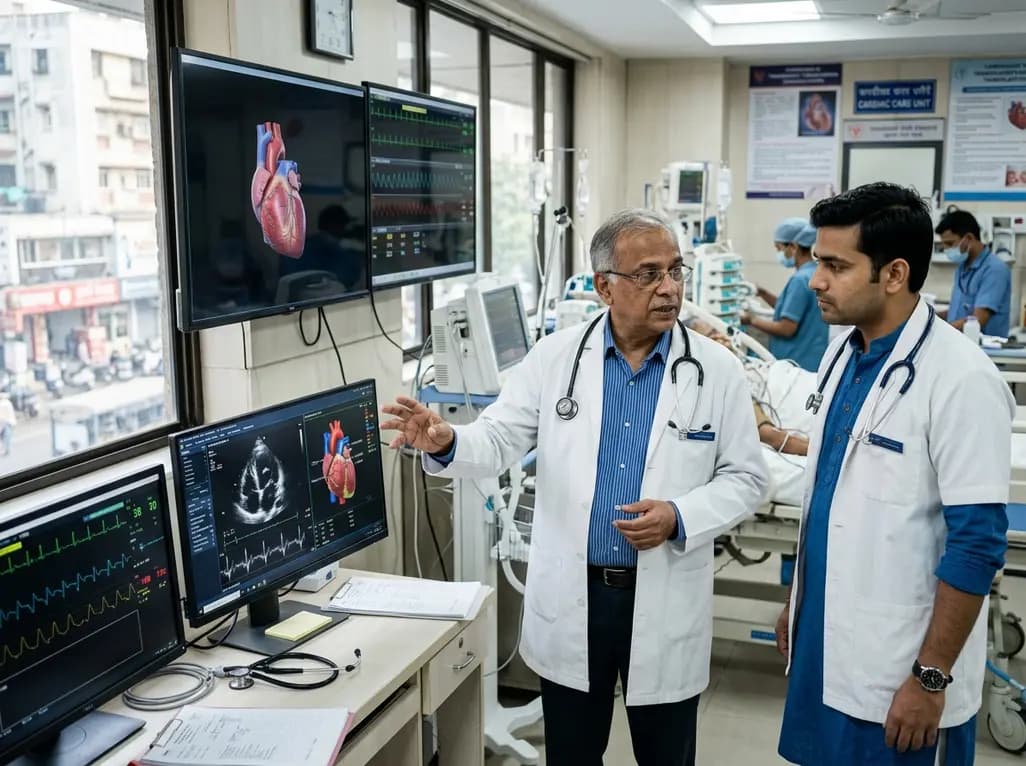
A landmark case report reveals a donor heart beating for a century in a 63-year-old recipient, challenging conventional age limits in cardiac transplantation and offering critical lessons on organ longevity, donor selection, and long-term graft survival.
Today
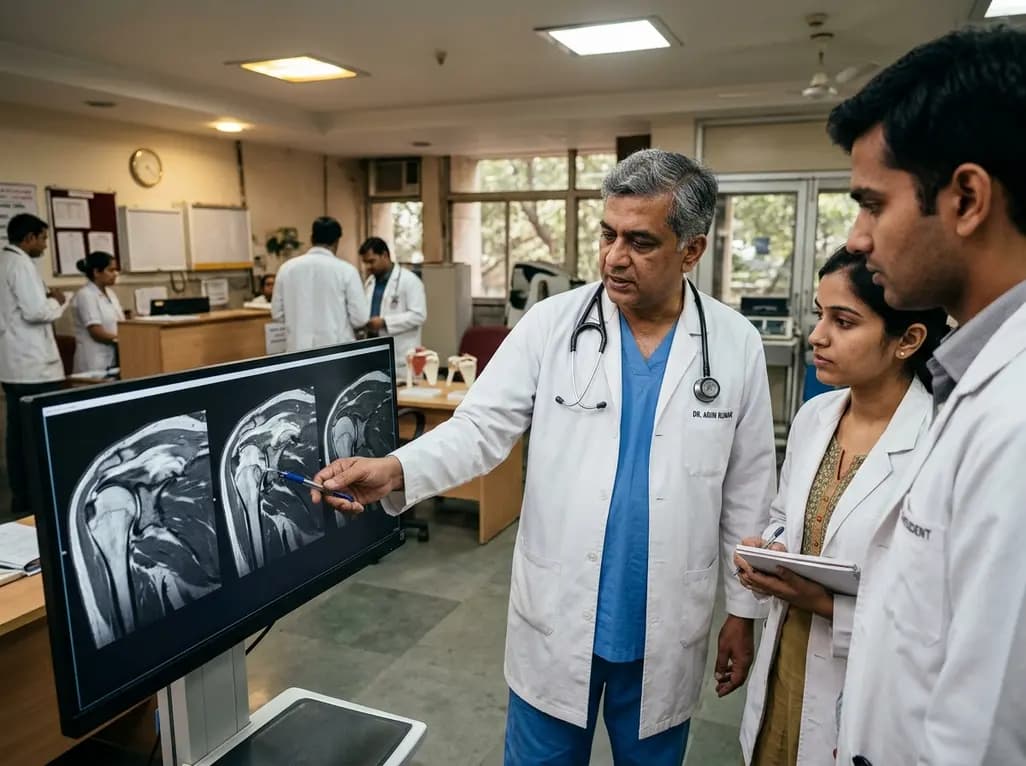
Fatty infiltration after rotator cuff tears impairs shoulder repair outcomes. A new study reveals that targeting MST1 kinase suppresses fibro/adipogenic progenitor adipogenesis via WNT/β-catenin signaling, reducing muscle fat accumulation and mitigating muscle atrophy.
Today

A randomized crossover study reveals that exercise-induced glycogen depletion combined with a low-carbohydrate diet significantly enhances peak fat oxidation without impairing skeletal muscle mitochondrial coupling control or efficiency in healthy trained men.
Today
