.webp&w=384&q=75)

Loading, please wait...
Loading, please wait...

Chronic rhinosinusitis represents a heterogeneous, recalcitrant inflammatory disease that challenges otorhinolaryngologists worldwide. Clinicians frequently encounter persistent sinonasal swelling, severe nasal polyposis, and frequent postoperative recurrences despite optimal medical therapy. Recent scientific investigations demonstrate that oxidative stress in rhinosinusitis functions as a primary driver of tissue damage and immune dysregulation. By disturbing mucosal redox balance, excessive reactive oxygen species promote structural barrier breakdown, accelerate remodeling, and shape diverse inflammatory endotypes.
Under physiological conditions, respiratory epithelium maintains a delicate equilibrium between free radical generation and antioxidant defense mechanisms. However, continuous exposure to airborne pollutants, microbial pathogens, and persistent allergens disrupts this homeostatic balance within the paranasal sinuses. When intracellular reactive oxygen species overwhelm protective enzymes like superoxide dismutase, mucosal redox equilibrium collapses. Consequently, oxidative stress in rhinosinusitis initiates a cascade of molecular events that perpetuate chronic inflammation. Dual oxidases and NADPH oxidases undergo marked upregulation in diseased sinonasal tissues. Furthermore, mitochondria generate substantial amounts of superoxide ions during sustained cellular distress. This oxidative shift damages intracellular lipids, denatures vital proteins, and fragments cellular DNA. As a result, the damaged mucosa cannot restore baseline physiological stability. Moreover, unmitigated oxidative stress suppresses innate microbial clearance, promoting persistent pathogen colonization. Clinicians must recognize that redox imbalance does not merely represent a bystander phenomenon. Rather, it serves as an active biochemical engine that drives recalcitrant mucosal inflammation.
The sinonasal epithelium provides an indispensable mechanical and immunological barrier against inhaled environmental insults. Nevertheless, prolonged oxidative stress damages apical junctional complexes and dismantles essential tight junction proteins, such as claudins and occludin. When reactive oxygen species degrade this protective cellular barrier, environmental pathogens penetrate deeply into the underlying subepithelial stroma. Therefore, injured epithelial cells rapidly secrete alarmins, including thymic stromal lymphopoietin, interleukin-25, and interleukin-33. These critical cytokines promptly recruit innate lymphoid cells and prime adaptive immune responses within mucosal tissues. Additionally, lipid peroxidation generates reactive aldehydes that disrupt normal ciliary beat frequency and impair clearance mechanisms. This impaired clearance traps airborne particulate matter directly against the vulnerable mucosa. Consequently, damaged epithelial cells undergo epithelial-to-mesenchymal transition, acquiring migratory and fibrotic properties. Furthermore, activated fibroblasts stimulate extensive extracellular matrix deposition and pseudocyst development. Ultimately, these structural changes accelerate tissue remodeling and drive polypoid tissue growth in severe sinonasal disease.
Infiltrating granulocytes act as powerful amplifiers of oxidative stress through distinct, cell-specific enzymatic mechanisms. In classic type 2 inflammation, eosinophils recruit to sinonasal polyps and release major basic protein alongside eosinophil peroxidase. Notably, eosinophil peroxidase catalyzes the formation of potent hypohalous acids from reactive peroxides, causing extensive tissue damage. In contrast, non-type 2 inflammatory pathways feature prominent neutrophil infiltration driven by interleukin-8 and interleukin-17 signaling cascades. Neutrophils rely extensively on myeloperoxidase and intense respiratory bursts to destroy invasive microbial invaders. However, prolonged neutrophilic degranulation produces immense quantities of hypochlorous acid that degrade healthy sinonasal structures. Moreover, activated neutrophils release web-like extracellular traps that entrap local tissues in dense inflammatory networks. Eosinophils can likewise release corresponding extracellular traps during intense allergic activation. Consequently, both granulocyte lineages accelerate local oxidative injury through parallel yet distinct biochemical trajectories, complicating clinical management in refractory disease.
Modern clinical guidelines classify chronic rhinosinusitis according to molecular endotypes rather than superficial anatomical phenotypes. Type 2 endotypes exhibit marked tissue eosinophilia, elevated immunoglobulin E, and excessive interleukin-5 production. In these patients, oxidative stress directly correlates with extensive polyp growth, olfactory loss, and comorbid asthma. Conversely, non-type 2 endotypes present predominantly with type 1 or type 3 immune signatures, marked by interferon-gamma, interleukin-17, and neutrophil accumulation. Interestingly, non-type 2 sinus tissues frequently preserve higher basal antioxidant reserves, which may limit gross polypoid remodeling. However, many patients present with mixed endotypes containing overlapping eosinophilic and neutrophilic inflammatory features. In these mixed variants, myeloperoxidase and eosinophil peroxidase cooperate synergistically, amplifying sinonasal mucosal destruction. Furthermore, concurrent granulocyte activation overwhelms local antioxidant buffering mechanisms far more aggressively than isolated pathways. Consequently, mixed endotypes display significant recalcitrance to standard topical corticosteroids and often require revision sinus surgeries.
Accurately categorizing sinus endotypes currently requires invasive tissue biopsies and expensive molecular cytokine profiling. Nevertheless, measurable markers of oxidative stress provide practical opportunities for disease stratification. Clinicians can readily quantify local oxidation products, such as 8-hydroxy-2-deoxyguanosine and malondialdehyde, from nasal secretions. In addition, diminished mucosal levels of reduced glutathione indicate severe antioxidant depletion and impending treatment failure. Researchers also observe distinctive transcriptional down-regulation of Nrf2 antioxidant pathways in severe polyposis. When clinicians monitor these redox signatures, they gain dynamic insights into tissue-level inflammatory intensity. Moreover, post-treatment restoration of antioxidant enzyme activity correlates with successful mucosal healing after sinus surgery. Serial evaluations of nasal fluid biomarkers may therefore signal impending disease recurrence long before macroscopic polyps appear endoscopically. As diagnostic laboratories standardize these biochemical assays, redox profiling will substantially refine patient selection for advanced biologic therapies and targeted treatments.
Current clinical guidelines advocate saline irrigations, topical corticosteroids, and targeted biological agents for managing sinus disease. However, standard anti-inflammatory regimens often fail to restore baseline sinonasal redox homeostasis completely. Experimental investigations demonstrate that pharmacological activation of the Nrf2-Keap1 antioxidant pathway significantly suppresses mucosal inflammation and prevents structural remodeling. Furthermore, topical administration of antioxidants, such as N-acetylcysteine, helps dissolve tenacious mucin plugs while neutralizing destructive reactive species. Natural polyphenols also suppress dual oxidase activity and diminish alarmin secretion in laboratory nasal explants. Nevertheless, robust human clinical trials evaluating targeted antioxidant therapies in chronic rhinosinusitis remain scarce. Most available evidence derives from small pilot studies or pre-clinical animal models. Therefore, clinicians should not replace proven medical therapies with unverified commercial antioxidant supplements. Instead, future research must establish whether combining endotype-specific biologics with targeted redox modulators improves long-term patient outcomes.
Oxidative stress develops when sinonasal reactive oxygen species overwhelm mucosal antioxidant defenses. Consequently, unmitigated free radicals damage cellular membranes, disrupt epithelial tight junctions, and trigger the release of inflammatory alarmins. These epithelial alarmins activate mucosal immune responses, which subsequently recruit eosinophils and neutrophils into the sinus mucosa. Furthermore, persistent oxidative stress induces tissue remodeling and sustains recalcitrant inflammation, making standard topical therapies less effective over time.
Mixed endotypes exhibit concurrent activation of both eosinophils and neutrophils within sinonasal tissue. Neutrophils generate destructive hypochlorous acid via myeloperoxidase, whereas eosinophils produce harmful hypohalous acids through eosinophil peroxidase. Consequently, the simultaneous release of these reactive mediators synergistically overwhelms local antioxidant buffers. This dual oxidative onslaught accelerates structural tissue damage, promotes extensive mucosal remodeling, and causes marked resistance to conventional corticosteroid therapies in affected patients.
Antioxidant therapies cannot currently replace conventional intranasal corticosteroids in clinical practice. Although preclinical studies show promising results with redox-targeted agents and Nrf2 activators, robust human clinical trials remain limited. Corticosteroids continue to represent the frontline standard of care for reducing mucosal inflammation and polyp size. Therefore, clinicians consider potential antioxidant approaches strictly experimental adjunctive concepts rather than primary replacements for evidence-based sinus medications.
Disclaimer: This content is for informational and educational purposes only... Refer to the latest local and national guidelines for clinical practice.
References

Read summarized clinical updates, watch expert medical content, and earn CME certifications right from your smartphone.
Open your smartphone camera to scan and install.





Oxidative stress plays a central role in chronic rhinosinusitis pathogenesis by perpetuating epithelial barrier breakdown, activating granulocytes, and shaping distinct immune endotypes. Profiling mucosal redox signatures may enhance patient stratification and guide future redox-targeted therapeutic strategies.
Today

Preclinical research reveals that the hydrophilic extract of the inner bran fraction of rice attenuates skeletal muscle proteolysis in protein-deficient rats, restoring glutathione and polyamine metabolites while downregulating Atrogin-1 and FoxO1 expression.
Today

A recent qualitative study evaluates institutional gaps across health, police, and justice sectors in supporting survivors of intimate partner violence. Healthcare providers must bridge procedural fragmentation with empathetic, trauma-informed care and cross-sector coordination to safeguard vulnerable patients.
Today
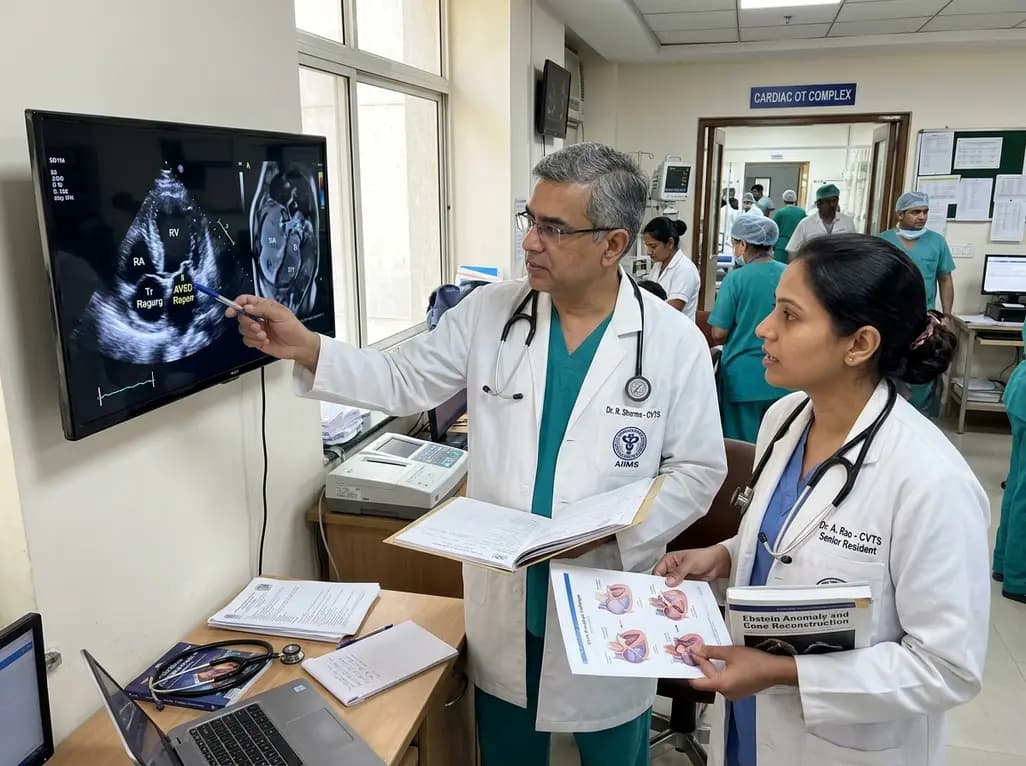
A review of the Cone procedure for severe right atrioventricular valve insufficiency in atypical Ebstein anomaly following partial AVSD repair, emphasizing operative technique and ventricular recovery.
Today
A cross-sectional study reveals a strong positive correlation between problematic internet use and kinesiophobia in adults aged 18-45 with non-specific low back pain, highlighting how digital overuse reinforces movement fear and complicates musculoskeletal recovery.
Today

Recent data from Karnataka reveals a threefold surge in genitourinary and renal deaths over ten years. Driven by uncontrolled diabetes, hypertension, and emerging lifestyle hazards, this epidemiological shift highlights an urgent need for proactive screening and multidisciplinary nephrology management in primary care.
Today
