.webp&w=384&q=75)

Loading, please wait...
Loading, please wait...

Obstructive sleep apnea (OSA) research is rapidly evolving. A recent bibliometric analysis reveals that OSA assessment indicators are shifting from general inflammatory markers to specific mechanistic pathways. Researchers analyzed 1,793 publications indexed from 2000 to 2025. This mapping effort highlights how the global medical community now prioritizes multidimensional frameworks over isolated metrics. Consequently, clinicians are moving toward a more nuanced understanding of the disease\'s biological and clinical disturbances.
The study identifies a steady, annual increase in publication volume. Initially, research focused heavily on basic metabolic and inflammatory markers, such as C-reactive protein (CRP). However, contemporary studies investigate complex pathways including oxidative stress and circulating biomarkers. These modern OSA assessment indicators provide a clearer picture of the systemic impact of the disorder. Furthermore, the integration of cerebrovascular and cognitive measures suggests a holistic approach to patient evaluation. This evolution reflects a growing need to characterize OSA beyond simple apnea-hypopnea index (AHI) scores.
Current hotspots include the validation of non-invasive biomarkers and the study of intermittent hypoxia. Specifically, urine-based leukotrienes and systemic immune-inflammation indices show promise for risk stratification. Additionally, methodological standardization remains a critical hurdle for the global scientific community. Researchers emphasize that future frameworks must integrate multiple assessment domains. This transition will likely facilitate smoother clinical translation of laboratory findings. Ultimately, better characterization of OSA will lead to personalized treatment strategies for patients.
Research is shifting toward oxidative stress pathways and circulating biomarkers, such as specific gene transcription markers and hematological indices like the systemic immune-inflammation index (SII).
It identifies global research hotspots and emerging trends. This helps clinicians understand the evolution of diagnostic tools and the shift from simple inflammatory markers to integrated assessment frameworks.
Disclaimer: This content is for informational and educational purposes only. It does not constitute medical advice or a professional relationship. Always seek the advice of a qualified healthcare provider for any questions regarding a medical condition. Refer to the latest local and national guidelines for clinical practice.
References
1. Deng S et al. Scientific trends in obstructive sleep apnea biological and clinical assessment indicators: a bibliometric analysis. Biomark Med. 2026 May 08. doi: 10.1080/17520363.2026.2671003. PMID: 42100850.
2. Pan L, et al. Global research trends of obstructive sleep apnea from 2011 to 2020: a 10-year bibliometric analysis. J Thorac Dis. 2022.
3. Gamaldo C, et al. Evaluation of clinical tools to screen and assess for obstructive sleep apnea. J Clin Sleep Med. 2018;14(7):1239–1244.

Read summarized clinical updates, watch expert medical content, and earn CME certifications right from your smartphone.
Open your smartphone camera to scan and install.





A bibliometric analysis of 1,793 articles reveals how OSA assessment is shifting from general inflammatory markers to integrated clinical frameworks....
5 months ago

Co-administering antiseizure medications and DOACs frequently causes pharmacokinetic interactions, subtherapeutic drug levels, and thromboembolic failures. This review highlights enzyme induction risks, unpredictable outcomes with levetiracetam, and the vital role of therapeutic drug monitoring.
Today

Demanding exhaustive hormonal profiling can inadvertently discourage clinical studies involving females. Methodological standards must align with the specific scientific question to expand, not restrict, equitable evidence for women.
Today
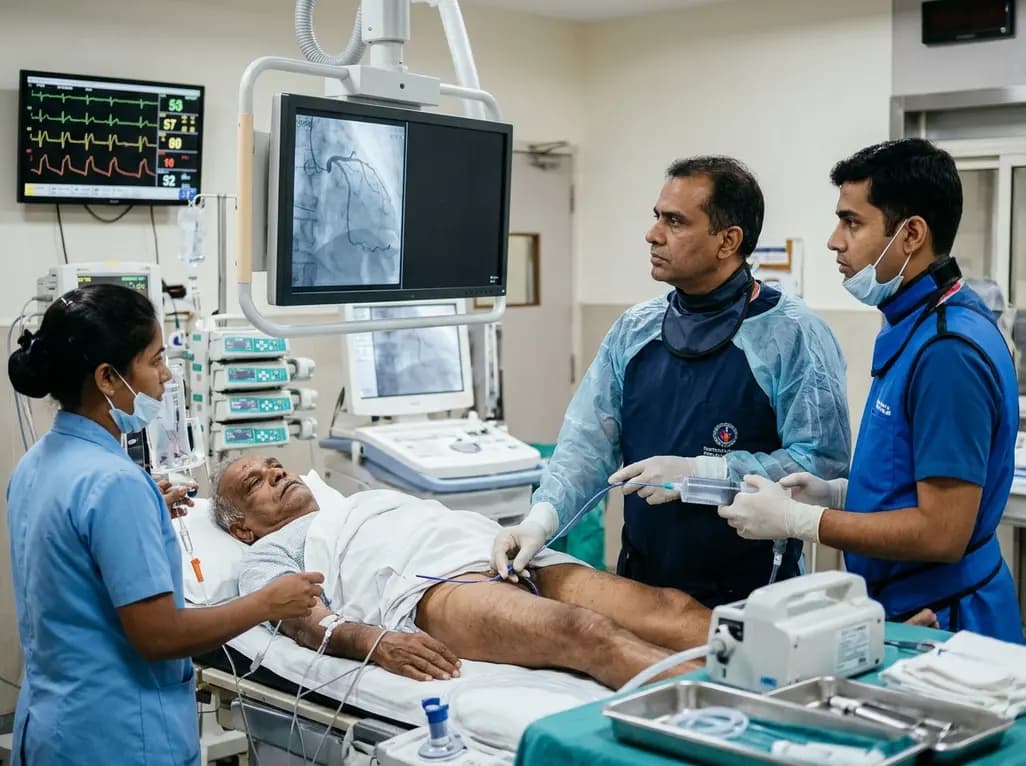
An elderly man with partially repaired Tetralogy of Fallot presented with STEMI caused by coronary embolism rather than atherosclerosis. Successful treatment with sustained mechanical aspiration thrombectomy underscores the vital need for high clinical vigilance in adult congenital heart disease.
Today

A comparative review of tension band wiring and intramedullary screw fixation in thumb metacarpophalangeal arthrodesis, evaluating union rates, hardware complications, and clinical outcomes.
Today

Following regulatory scrutiny from FSSAI regarding promotional representations and lean muscle preservation claims, Dr. Reddy's Laboratories and Nestlé Health Science are currently reviewing the branding and marketing strategy for their joint nutritional supplement Celevida GLP+.
Today
